YuGiOh Earrings: Budget & Value Guide for Duelists
Discover the true value of YuGiOh earrings. We analyze materials, gauge sizes, and price tiers to help you avoid cheap alloys and find lasting quality.

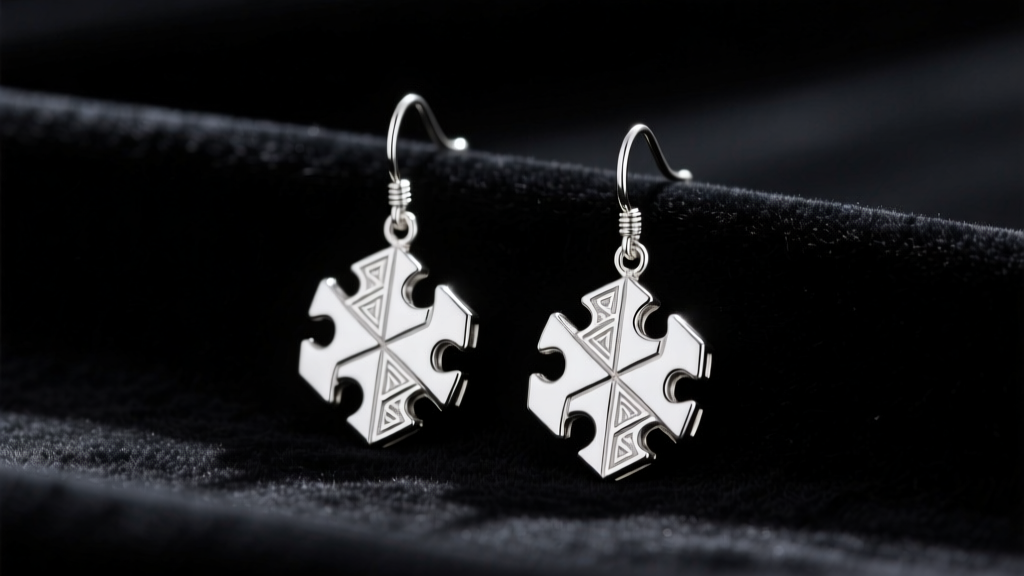
The resurgence of early-2000s anime nostalgia has pushed fandom jewelry into the mainstream, but not all merch is created equal. When shopping for YuGiOh earrings, collectors and duelists often face a marketplace flooded with cheaply manufactured novelties disguised as premium accessories. As we navigate the 2026 fandom jewelry landscape, the gap between mass-produced dropshipped trinkets and artisan-crafted heirloom pieces has never been wider.
This budget and value assessment cuts through the marketing hype. We will evaluate the metallurgical realities, structural integrity, and true cost-per-wear of YuGiOh-themed earrings, ensuring your next purchase honors the King of Games without compromising your earlobe health or your wallet.
The Duelist’s Dilemma: Cheap Alloys vs. Heirloom Metals
The most critical factor in assessing the value of anime merchandise jewelry is the base metal. The majority of budget YuGiOh earrings (priced under $15) are cast from Zamak, a zinc alloy containing aluminum, magnesium, and copper. While Zamak is cheap to cast and allows for highly detailed molds of the Millennium Items, it is notoriously porous and heavily plated with nickel or silver-wash to achieve a shiny finish.
The failure mode of Zamak is rapid. Within weeks of exposure to skin oils and humidity, the plating wears off, leading to oxidation (the dreaded "green skin" effect) and severe contact dermatitis. According to the Mayo Clinic, nickel allergy is one of the most common causes of allergic contact dermatitis, affecting up to 36% of women and causing blistering, redness, and severe itching on the earlobes.
True value in YuGiOh earrings begins at the 316L Surgical Stainless Steel tier. This marine-grade alloy is highly resistant to tarnish, completely nickel-free in its bio-available state, and possesses the tensile strength required to hold heavy pendants. For those seeking heirloom value, 925 Sterling Silver (92.5% pure silver, 7.5% copper) remains the gold standard, offering intrinsic metal value and the ability to be polished and repaired indefinitely.
Decoding the Price Tiers of YuGiOh Earrings
To accurately assess budget versus value, we must categorize the market into three distinct tiers. Use this framework to evaluate listings on Etsy, Amazon, and dedicated anime merchandisers.
| Tier | Base Material | Price Range | Durability & Failure Modes | Value Verdict |
|---|---|---|---|---|
| Tier 1: Novice | Zinc Alloy (Zamak) / Brass | $4 - $14 | Plating flakes within 30 days; high nickel content causes allergic reactions; brittle posts snap under pressure. | Avoid. Poor cost-per-wear; hazardous to sensitive ears. |
| Tier 2: Duelist | 316L Surgical Steel / Titanium | $18 - $35 | Hypoallergenic and highly durable. Hard enamel fills resist chipping. Steel posts may be slightly thick for fresh piercings. | Best Overall Value. Ideal for daily wear and conventions. |
| Tier 3: Pharaoh | 925 Sterling Silver / 14k Gold Vermeil | $60 - $150+ | Heirloom quality. Can be professionally polished. Intricate lost-wax casting captures microscopic details of anime artifacts. | Premium Investment. Best for collectors and gifted sets. |
Structural Integrity: Gauges, Weight, and Earlobe Health
One of the most overlooked aspects of buying YuGiOh dangle earrings—particularly replicas of the Millennium Puzzle, Rod, or Eye—is the structural physics of the earlobe. Fandom jewelry designers often prioritize visual scale over wearable ergonomics, resulting in dangles that weigh between 15 and 25 grams per earring.
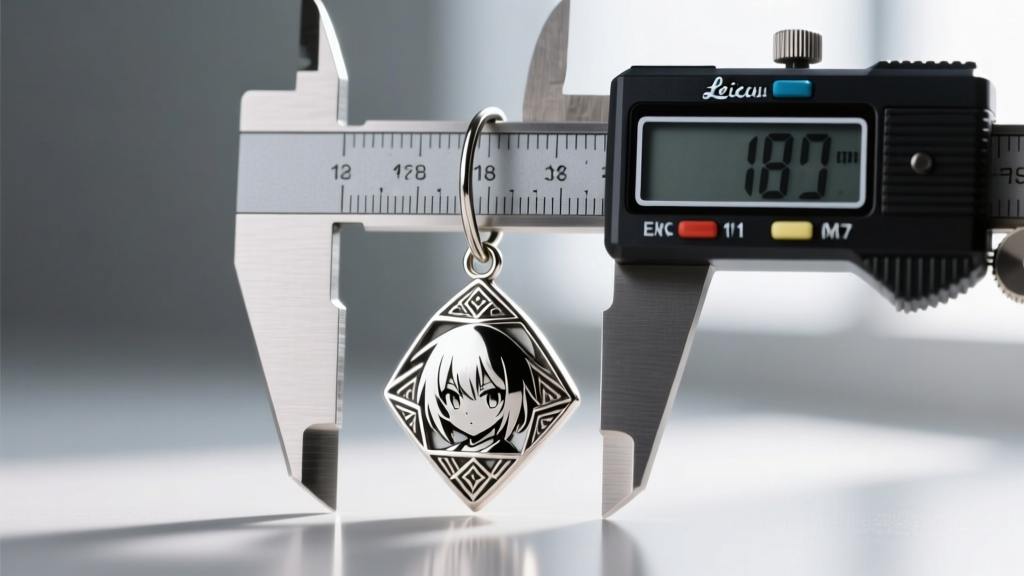
Standard ear piercings are typically done at 20-gauge (0.81mm) or 18-gauge (1.02mm). When a heavy, unbalanced zinc alloy pendant hangs from a thin 20-gauge wire, it creates a localized pressure point. Over time, this causes the "cheese-cutter effect," where the wire slowly migrates downward through the earlobe tissue, leading to permanent tearing and elongation.
The Gauge-to-Weight Ratio Framework
When evaluating high-end or custom YuGiOh earrings, check the product specifications for the wire gauge. As detailed in the Rio Grande Gauge Chart, thicker wires distribute weight more effectively:
- 20-Gauge (0.81mm): Safe only for lightweight studs (e.g., small Dark Magician Girl silhouettes) weighing under 5 grams.
- 18-Gauge (1.02mm): The standard for mid-weight dangles. Can support up to 12 grams comfortably for an 8-hour convention day.
- 16-Gauge (1.29mm) to 14-Gauge (1.63mm): Mandatory for heavy, oversized cosplay pieces like the Millennium Puzzle. If a seller offers a 20-gram dangle on a 20-gauge wire, it is a critical design flaw.
Pro-Tip for Heavy Cosplay Dangles: If you already own heavy YuGiOh earrings with thin wires, do not discard them. Purchase medical-grade silicone earring support patches (often sold as "earlobe support drops"). These adhesive pads distribute the pendant's weight across a 1-inch surface area on the back of the ear, completely neutralizing the cheese-cutter effect.
Evaluating Fandom Jewelers: Enamel and Finish Quality
Beyond the base metal, the color application on YuGiOh earrings dictates their long-term aesthetic value. Many budget listings feature "soft enamel" covered in a dome of epoxy resin. While initially glossy, epoxy resin yellows when exposed to UV light and scratches easily, ruining the crisp, cel-shaded look of the anime art.
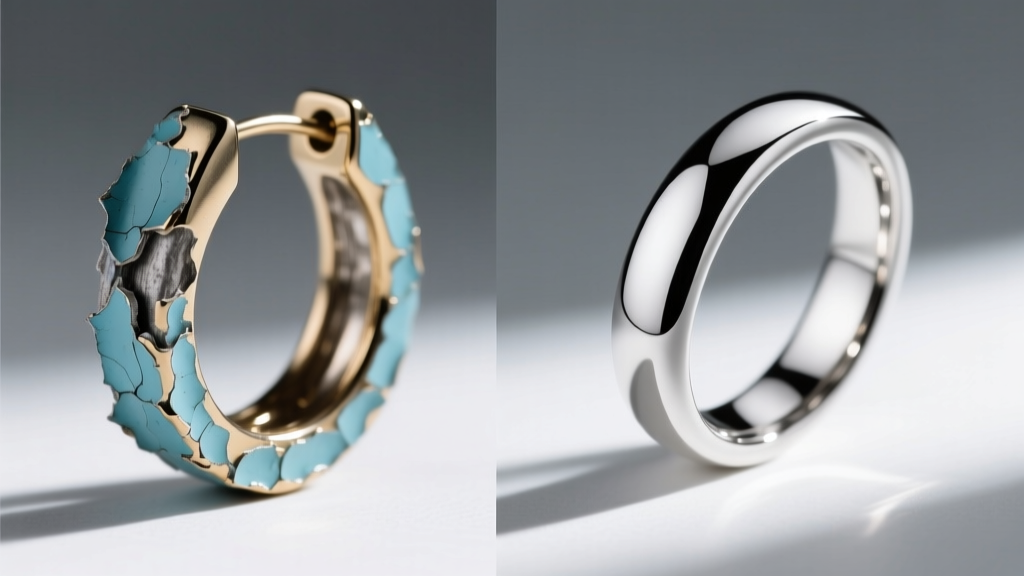
For true value, seek out jewelers who utilize hard enamel (cloisonné). In this process, enamel powder is packed into recessed metal channels and kiln-fired at over 1,400°F, fusing it into a glass-like surface. It is then polished flat against the metal lines. Hard enamel will not yellow, peel, or scratch under normal wear conditions. According to the Gemological Institute of America (GIA), proper finishing and polishing techniques are what separate fine jewelry from commercial novelties; a well-polished sterling silver piece with kiln-fired enamel will retain its contrast and brilliance for decades.
Red Flags in Product Listings
When browsing independent marketplaces, watch out for these deceptive terms that indicate low-value manufacturing:
- "Silver Plated" without a base metal disclosure: Usually means a microscopic flash-plating over Zamak or brass. It will wear through to the base metal within a month of daily wear.
- "Alloy" or "Environmental Alloy": Marketing buzzwords used to disguise cheap zinc mixtures. True hypoallergenic metals are explicitly named (e.g., Titanium, Niobium, 316L Steel).
- Glue-set Gemstones: Budget manufacturers use cyanoacrylate (super glue) to set rhinestones. Heat and humidity will dissolve the bond. Look for prong-set or bezel-set stones in the premium tiers.
The Verdict: How to Maximize Your Gilder Budget
Assessing the value of YuGiOh earrings requires looking past the initial price tag and evaluating the cost-per-wear, material safety, and structural engineering. A $6 pair of zinc alloy Blue-Eyes White Dragon studs that turns your ears green and snaps in two weeks has an infinite cost-per-wear because it is ultimately unwearable trash. Conversely, a $45 pair of 18-gauge 316L surgical steel dangles with hard enamel fills will last a lifetime, making it the undisputed champion of budget-conscious value.
For everyday fans, stick to the Tier 2 (316L Steel) bracket, ensuring the wire gauge matches the weight of the pendant. For serious collectors and cosplayers investing in the Millennium Items, bypass the mass-merch entirely and commission a custom jeweler to cast your pieces in 925 Sterling Silver with 14-gauge wires. By prioritizing metallurgical integrity over cheap novelty, you ensure your jewelry collection is truly worthy of the Shadow Realm.


