Zelda Earrings: Material Guide for Cosplay & Daily Wear
Discover the best materials for Zelda earrings. Compare sterling silver, enamel, and alloy for Triforce and Sheikah Eye designs to avoid allergies.

The Quest for the Perfect Hylian Jewelry
Gaming jewelry has matured significantly over the last decade. In 2026, fans of The Legend of Zelda are no longer settling for flimsy, plastic convention props. Today's collectors and cosplayers demand sophisticated, durable pieces that seamlessly bridge the gap between full armor cosplay and subtle, everyday office wear. Whether you are hunting for a minimalist Sheikah Eye stud or an elaborate, shoulder-dusting Master Sword dangle, the metallurgy of your earrings dictates their longevity, weight, and biological compatibility with your skin.
Choosing the right material is not just an aesthetic decision; it is a matter of dermatological health and structural physics. This guide breaks down the exact material properties, gauge requirements, and failure modes of the most common metals and polymers used in fantasy gaming jewelry.
Material Breakdown: From Pot Metal to Precious Metals
Zinc Alloy and the 'Tibetan Silver' Trap
Often deceptively labeled as 'Tibetan Silver' or 'antique bronze' on massive online marketplaces, zinc alloy (commonly known as pot metal) is the most prevalent material in budget fantasy jewelry. It is incredibly cheap to cast, allowing manufacturers to mass-produce intricate Triforce geometries and Korok seed motifs. However, from a metallurgical standpoint, it is a minefield.
Zinc alloys frequently contain nickel, lead, and high amounts of copper. According to the American Academy of Dermatology, nickel is the leading cause of allergic contact dermatitis, resulting in weeping, itchy earlobes within hours of wear. Furthermore, the copper mixed into these alloys reacts with the acidic pH of human sweat to create copper chloride. This chemical reaction is what leaves a stubborn, toxic-looking green stain on your skin. For anyone with sensitive skin or a history of metal allergies, zinc alloy Zelda earrings should be strictly avoided.
Gold-Plated Brass with Hard Enamel
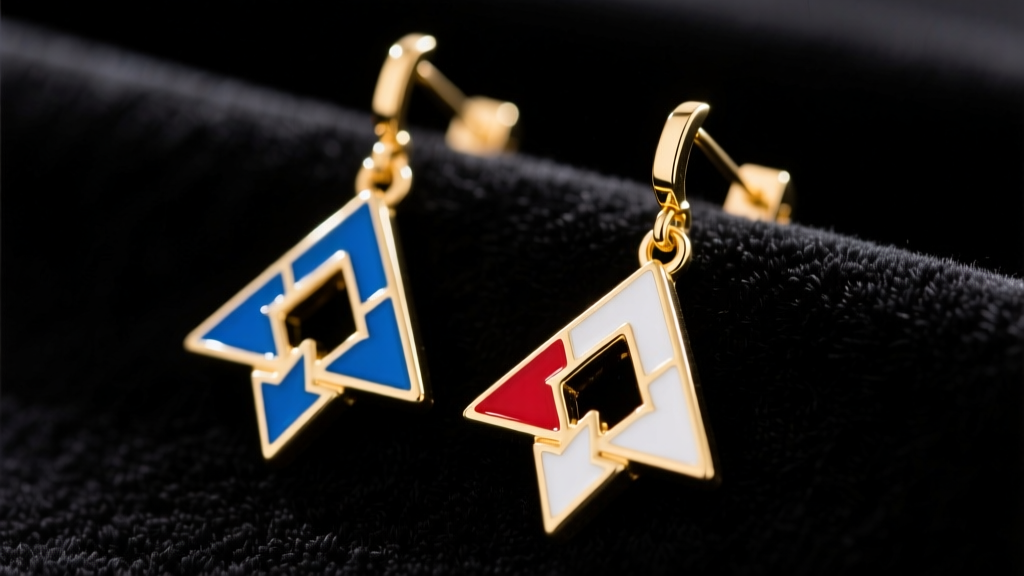
For vibrant, multi-colored designs like the Kokiri Emerald, the Nayru's Love symbol, or the royal Hyrule crest, enamel over brass is the industry standard. Brass (an alloy of copper and zinc) provides a sturdy, rigid base, while a gold or rhodium plating prevents the base metal from oxidizing against your skin.
The critical distinction for buyers is understanding the difference between soft and hard enamel. Hard enamel (cloisonné) is baked at high temperatures and polished completely flat against the metal lines. This creates a smooth, scratch-resistant, glass-like surface that is ideal for the sharp, geometric angles of the Triforce. Soft enamel, conversely, leaves the paint recessed below the metal ridges, creating microscopic grooves that easily trap cosmetics, dead skin, and oils, leading to rapid discoloration.
925 Sterling Silver: The Master Sword Standard
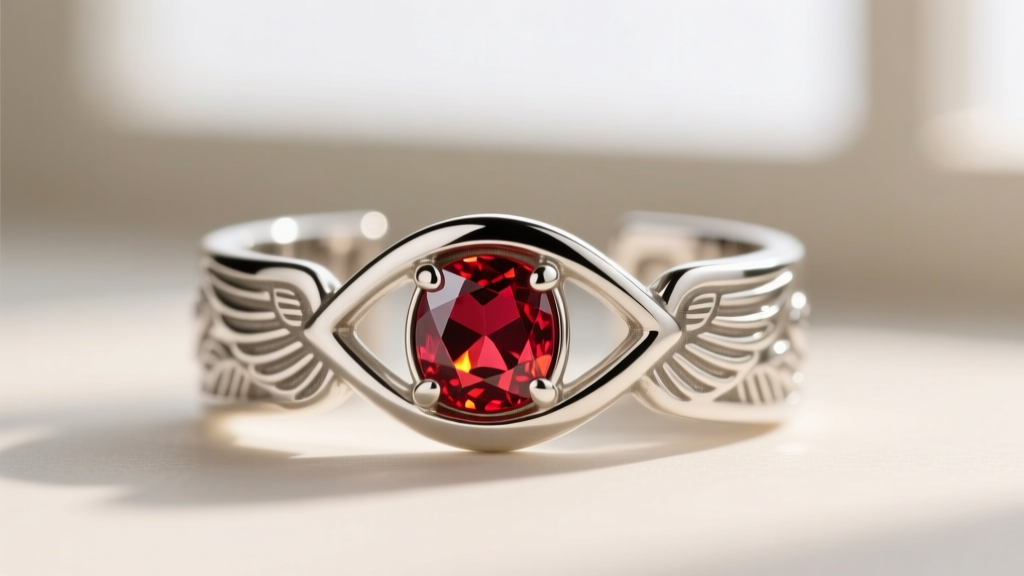
The Gemological Institute of America (GIA) strictly defines sterling silver as 92.5% pure silver and 7.5% alloy (usually copper). It remains the premium choice for intricate, monochromatic Zelda motifs like the Hylian Shield, the Master Sword hilt, or the Golden Goddesses. Sterling silver is inherently hypoallergenic for the vast majority of wearers, provided the jeweler uses copper rather than nickel for the 7.5% alloy.
Its primary failure mode is tarnishing. Silver reacts with sulfur compounds in the air, in certain foods (like eggs), and in human sweat to form silver sulfide, which manifests as a blackened film. Unlike rust on iron, this tarnish does not degrade the structural integrity of the metal and is easily reversed with specialized polishing compounds.
UV Resin and 3D Printed Acrylic
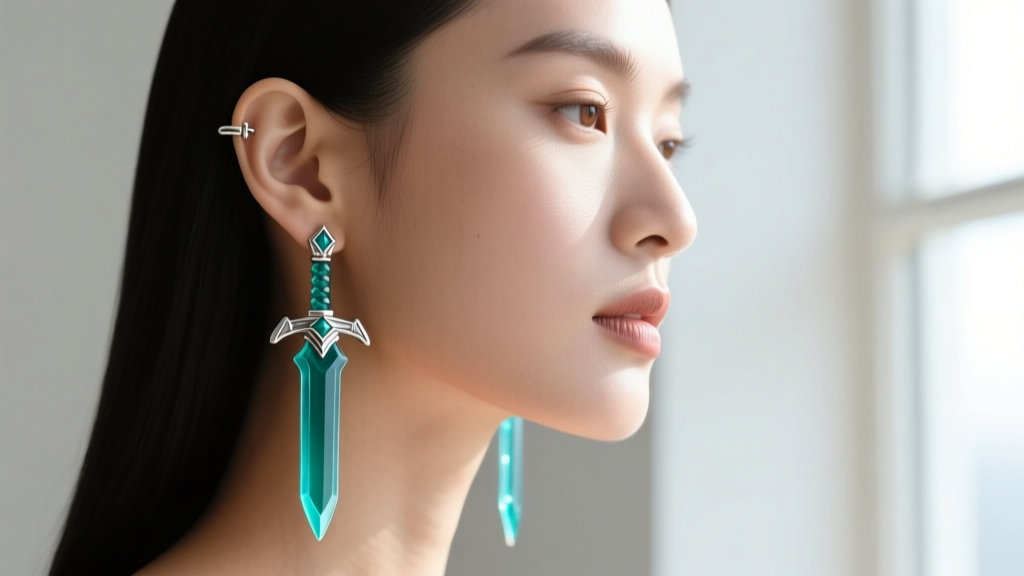
UV-cured resin and 3D-printed acrylic have completely revolutionized oversized cosplay earrings. A solid metal 'Boss Key' or a life-sized Ocarina of Time drop earring could easily weigh upwards of 25 grams. Resin offers the exact volumetric presence and vivid color-matching required for convention armor-completionists, while keeping the physical weight under 5 grams, preserving the structural integrity of the earlobe.
Comparative Data: Weight, Gauge, and Skin Safety
When evaluating Zelda earrings, you must balance the visual impact of the design against the physical limitations of human anatomy. The table below synthesizes the core material properties to help you make an informed purchasing decision.
| Material | Base Composition | Hypoallergenic? | Weight Profile | Price Range | Best Use Case |
|---|---|---|---|---|---|
| Zinc Alloy | Zinc, Copper, Nickel | No (High Risk) | Heavy | $5 - $15 | Short-term convention wear only |
| Enamel/Brass | Copper/Zinc base, Epoxy | Yes (If Plated) | Medium | $15 - $35 | Colorful crests, Triforce geometry |
| 925 Sterling | 92.5% Ag, 7.5% Cu | Yes | Medium/Heavy | $40 - $120 | Daily wear, heirloom pieces, studs |
| UV Resin | Photopolymer | Yes | Ultra-Light | $20 - $60 | Oversized props, cosplay dangles |
Lobe vs. Cartilage: Sizing Your Drops and Cuffs
The placement of your piercing dictates the maximum allowable weight and gauge of your gaming jewelry. Standard earlobe piercings are typically 20-gauge (0.81mm) or 18-gauge (1.02mm). When wearing heavy fantasy dangles, the dynamic, pendulum-like movement of walking creates severe kinetic stress on the fistula (the piercing tunnel).
A 15-gram metal Hylian Shield hanging from a thin 22-gauge wire will trigger the 'cheese cutter effect.' The thin wire acts like a blade under dynamic tension, slowly migrating the piercing downward and permanently stretching the lobe tissue. For any Zelda drop earring exceeding 8 grams, you must demand an 18-gauge or 16-gauge (1.29mm) ear wire to distribute the kinetic load safely.
Cartilage placements, such as helix climbers shaped like the vines of the Faron Woods or Sheikah Eye ear cuffs, require entirely different considerations. Cartilage is avascular (lacking direct blood supply) and heals notoriously poorly if subjected to friction or pressure. If you are wearing a cuff that clamps onto the helix, ensure the tension is adjustable. A tight clamp restricts localized blood flow, which can lead to pressure sores or cartilage necrosis. For fresh cartilage piercings, bypass silver and brass entirely; insist on implant-grade titanium (ASTM F136) or 14k solid gold until the fistula is fully matured.
Earring Backings: Securing the Master Sword
The most meticulously crafted sterling silver Master Sword earring is useless if it falls out and gets lost in the carpet. Heavy metal drops and oversized dangles require more than the standard 'butterfly' friction backs that come with most jewelry. Friction backs rely on a tiny metal clutch that easily slips off under the swinging weight of a pendant.
For heavy fantasy drops, upgrade to silicone clutch backs, which provide a vastly superior friction grip against the post. For ultimate security, especially when navigating crowded convention floors, seek out Zelda earrings that feature screw-back earring posts. These thread the backing directly onto the post, making it physically impossible for the earring to detach without intentional unscrewing.
Care and Maintenance for Fantasy Metals
Proper maintenance ensures your gaming jewelry survives for decades. Store your sterling silver pieces in airtight anti-tarnish bags equipped with 3M anti-tarnish strips, which actively absorb ambient sulfur gases before they can react with the silver.
When cleaning, use a treated jeweler's cloth (such as a Sunshine cloth) to gently buff away silver sulfide. Never, under any circumstances, place enamel or resin Zelda earrings into an ultrasonic jewelry cleaner. The high-frequency cavitation bubbles generated by these machines will instantly shatter baked hard epoxy, fracture 3D-printed acrylic layers, and strip gold plating right off the brass base. Stick to mild dish soap, warm water, and a soft-bristled baby toothbrush for any multi-material fantasy pieces.
Final Verdict: Which Material Wins the Triforce?
There is no single 'best' material; the ideal choice depends entirely on your lifestyle and the specific design you are pursuing. For subtle, everyday studs and sophisticated office-appropriate motifs, 925 sterling silver is the undisputed champion, offering unparalleled skin safety and heirloom durability. For vibrant, geometric crests that demand bold color blocking, gold-plated brass with hard enamel provides the sharpest visual contrast. Finally, for the dedicated cosplayer building a full Link or Zelda armor set, UV resin is a mandatory investment to protect your earlobes from catastrophic stretching. By understanding the metallurgy behind the magic, you can build a Hylian jewelry collection that is as enduring as the franchise itself.


