The Ultimate Buying Guide to Mermaid Rings Jewelry: Materials & Craft
Discover what to look for when buying mermaid rings jewelry. Our expert guide covers material grades, gemstone choices, and durability tips.

Introduction to Mermaid Rings Jewelry
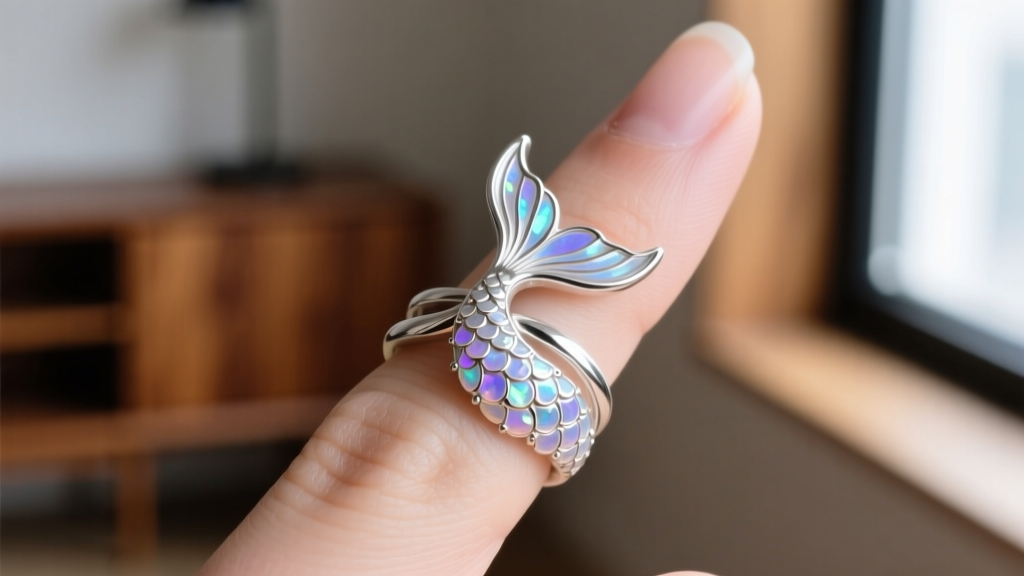
The allure of the ocean has long captivated jewelry designers, but in recent years, mermaid rings jewelry has evolved from costume novelties into highly sought-after, intricately crafted pieces of wearable art. Whether you are drawn to the delicate wrapping of a sterling silver mermaid tail, the iridescent flash of moonstone scales, or the deep oceanic blues of aquamarine, purchasing these rings requires a discerning eye. Unlike simple band rings, mermaid-themed pieces feature complex topographies, mixed materials, and specific structural vulnerabilities. This comprehensive buying guide will walk you through the exact material grades, gemstone specifications, and craftsmanship details you need to evaluate before investing in mermaid rings jewelry.
Decoding the Base Metals: Silver, Gold, and Alloys
The foundation of any high-quality ring is its base metal. Because mermaid rings often feature elaborate textures like scales, coral, or tail fins, the metal must be capable of holding fine detail while resisting daily wear and tear.
The Standard: 925 Sterling Silver and Rhodium Plating
Most mid-tier to high-end mermaid rings jewelry is cast in 925 sterling silver. However, raw silver tarnishes quickly when exposed to the sulfur in the air and the natural acids in human skin. To combat this, reputable jewelers apply a rhodium plating. When evaluating a piece, look for specifications regarding the plating thickness. A standard flash plating is around 0.05 microns, which will wear off in a matter of months. For a ring that will endure daily friction, seek out pieces with a 0.1 to 0.5-micron rhodium layer. This not only prevents tarnish but also gives the silver a bright, white-gold-like finish that mimics the shimmer of wet scales.
Premium Tiers: 14k and 18k Gold
For heirloom-quality mermaid rings, 14k and 18k gold are the superior choices. According to Jewelers of America, 14k gold offers an ideal balance of durability and rich color, making it perfect for rings with protruding elements like fins or tridents that might bend if cast in softer 24k gold. Rose gold is particularly popular in mermaid jewelry, as its warm, peachy undertones beautifully complement the pink and peach hues of crushed coral or rose-cut morganite often used in these designs.
Budget Alloys: Brass and Copper
In the under-$30 price bracket, you will frequently encounter brass or copper base metals. While these allow for affordable, highly detailed casting, they come with a significant drawback: copper oxidation. If the protective lacquer coating wears away, the copper will react with your skin's moisture, leaving a green residue. If you opt for these budget pieces, ensure the inner band is sealed with a hypoallergenic coating or plan to apply a clear nail polish barrier yourself.
Gemstone Selection: Capturing the Oceanic Illusion
The magic of mermaid rings jewelry heavily relies on the gemstones used to represent water, scales, and oceanic treasures. The cut, clarity, and optical phenomena of the stones are critical to achieving the desired ethereal effect.
Moonstone: The Scale Illusion
Moonstone is arguably the most iconic gemstone used in mermaid jewelry due to its adularescence—a billowy, floating light effect that mimics the sheen of fish scales. According to the Gemological Institute of America (GIA), the most valuable moonstones exhibit a strong blue sheen centered on the top of the cabochon. When buying a mermaid ring featuring moonstone, inspect the stone under various lighting conditions. Avoid stones with visible cracks or excessive internal inclusions, as moonstone is relatively soft (6 to 6.5 on the Mohs scale) and internal fractures can lead to cleaving if the ring is knocked against a hard surface.
Aquamarine and Lab-Created Alternatives
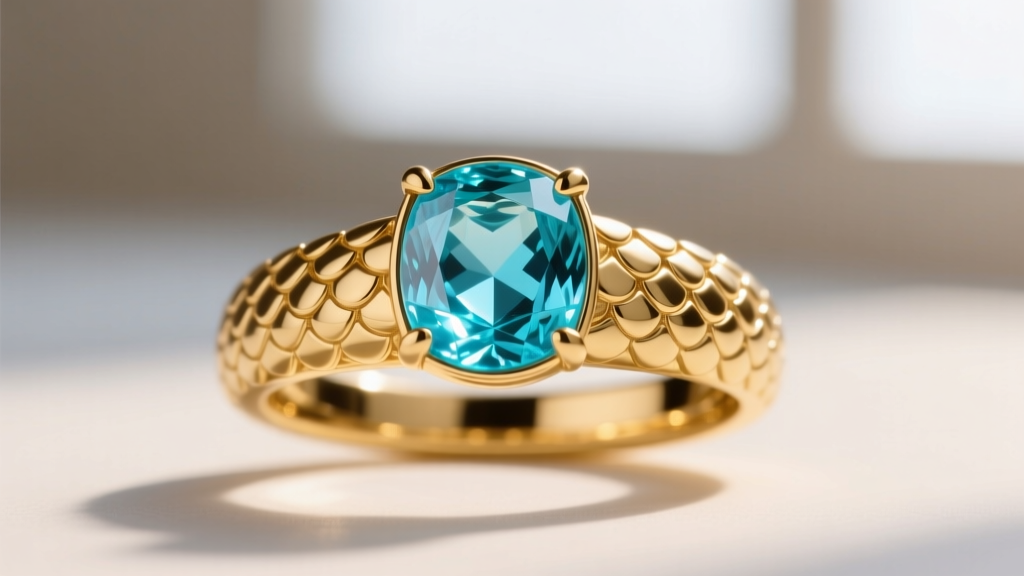
For a crisp, transparent ocean-blue look, aquamarine is the traditional choice. However, natural, high-clarity aquamarine is expensive. Many modern mermaid rings jewelry pieces utilize lab-created aquamarine or synthetic spinel. Lab-created stones share the exact same chemical and optical properties as their natural counterparts but are free of the cloudy inclusions that can dull the 'water-like' transparency. When a seller lists 'aquamarine,' always check if it is natural or lab-grown, as this drastically affects the resale value and price point.
Opal: The Deep Sea Play-of-Color
Ethiopian and Australian opals are frequently used to represent the mystical, unpredictable nature of the sea. Because natural opals are highly porous and prone to crazing (cracking from moisture loss), many high-end mermaid rings use opal doublets or triplets. These are slices of natural opal glued to a dark backing (often black onyx) and capped with a clear quartz dome. This not only enhances the color play but provides a durable, scratch-resistant surface ideal for rings.
Craftsmanship and Failure Modes: Enamel vs. Resin
Color is essential in mermaid rings jewelry, particularly for detailing scales, anemones, and water effects. Jewelers typically use either epoxy resin or vitreous/cold enamel to achieve these vibrant hues. Understanding the difference is crucial for long-term durability.
The Resin Trap
Epoxy resin is cheap, easy to cast, and allows for suspended glitters and crushed shells. However, resin sits at a mere 2 to 3 on the Mohs hardness scale. It will scratch easily, lose its gloss within a year of daily wear, and is highly susceptible to UV yellowing. If a product description mentions 'ocean resin' or 'epoxy fill,' expect it to be a temporary fashion piece rather than a lasting keepsake.
The Durability of Enamel
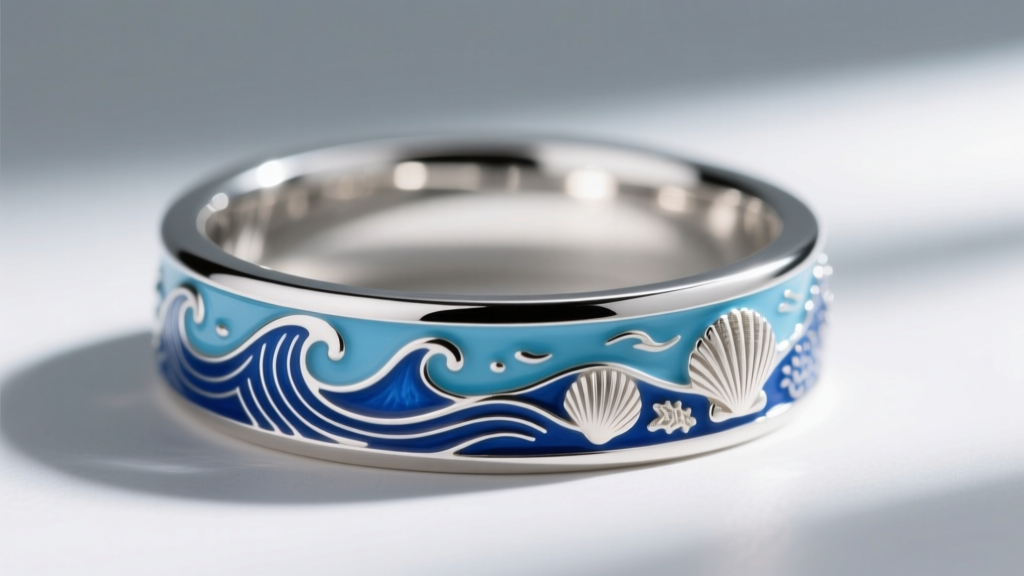
Vitreous enamel (fired glass) and cold enamel (epoxy-based but formulated for jewelry) are vastly superior. Vitreous enamel is fused to the metal at high temperatures, creating a hard, glass-like surface (Mohs 5-6) that will not yellow or easily scratch. The primary failure mode for enamel is impact; a hard knock against a table can cause it to chip or shatter. When inspecting enamel work on a mermaid tail, look for clean, sharp boundaries between the metal cloisons and the enamel fill. Bleeding or uneven surfaces indicate poor craftsmanship.
| Material | Mohs Hardness | UV Resistance | Primary Failure Mode | Best For |
|---|---|---|---|---|
| Epoxy Resin | 2.0 - 3.0 | Poor (Yellows) | Scratching, clouding | Budget costume jewelry |
| Cold Enamel | 3.5 - 4.5 | Moderate | Chipping, peeling | Mid-tier detailed scales |
| Vitreous Enamel | 5.0 - 6.0 | Excellent | Shattering on impact | Heirloom fine jewelry |
| PVD Coating | 7.0 - 8.0 | Excellent | Wear at high-friction edges | Modern metallic scale colors |
Sizing and Ergonomics for Intricate Bands
Mermaid rings jewelry often features wide bands, especially designs where the mermaid tail wraps entirely around the finger or where coral and shell motifs create a bulky silhouette. This structural complexity directly impacts how the ring should be sized.
The Wide-Band Sizing Rule
Standard ring sizers measure a narrow band. If your mermaid ring is wider than 6 millimeters, it will cover more surface area of your finger, trapping heat and moisture, and effectively fitting tighter than a narrow band. As a general rule in the jewelry industry, you should size up by a quarter to a half size for wide-band rings. If your standard size is a 6, a wide mermaid tail wrap ring should be ordered in a 6.25 or 6.5 to ensure it slides over your knuckle comfortably without cutting off circulation.
Interior Comfort Fit
Pay close attention to the interior profile of the band. A 'comfort fit' ring has a slightly domed interior, which reduces the surface area touching the skin and allows the ring to slide on more easily. This is especially important for heavy, ornate mermaid rings, as a flat interior band can feel cumbersome and trap soap and lotions against the skin, leading to irritation.
Price Tiers and What to Expect
Understanding the market pricing for mermaid rings jewelry helps you identify genuine value and avoid overpaying for mass-produced items.
- Fashion Tier ($20 - $60): Expect brass or copper base metals, epoxy resin fills, and glass or cubic zirconia stones. These are fun, trendy pieces but lack longevity. Plating will eventually wear, and resin will scratch.
- Bridge Tier ($80 - $250): The sweet spot for most buyers. You will find solid 925 sterling silver with thick rhodium plating, genuine moonstone or lab-created aquamarine, and cold enamel detailing. These pieces offer excellent craftsmanship and durability for daily wear.
- Fine Jewelry Tier ($400 - $1,500+): Crafted in 14k or 18k gold, featuring vitreous enamel, natural diamonds, and high-grade, ethically sourced opals or aquamarines. These are investment pieces, often custom-cast or hand-carved by artisan jewelers.
Final Verdict: Investing in Mermaid Rings Jewelry
Purchasing mermaid rings jewelry is an exercise in balancing whimsical design with structural integrity. By prioritizing 925 sterling silver or solid gold, demanding high-quality gemstones like adularescent moonstone, and opting for enamel over resin, you ensure your oceanic treasure survives the tides of daily wear. Always scrutinize the prong settings and enamel boundaries, and remember to adjust your sizing for those dramatic, wide-band tail designs. Armed with these technical insights, you can confidently select a mermaid ring that is as enduring as it is enchanting.


