Fixing a Tarnished or Bent 925 Jewelry Ring: Troubleshooting Guide
Learn how to troubleshoot common 925 jewelry ring issues like green skin, severe tarnish, and bending with expert metallurgical fixes and care tips.

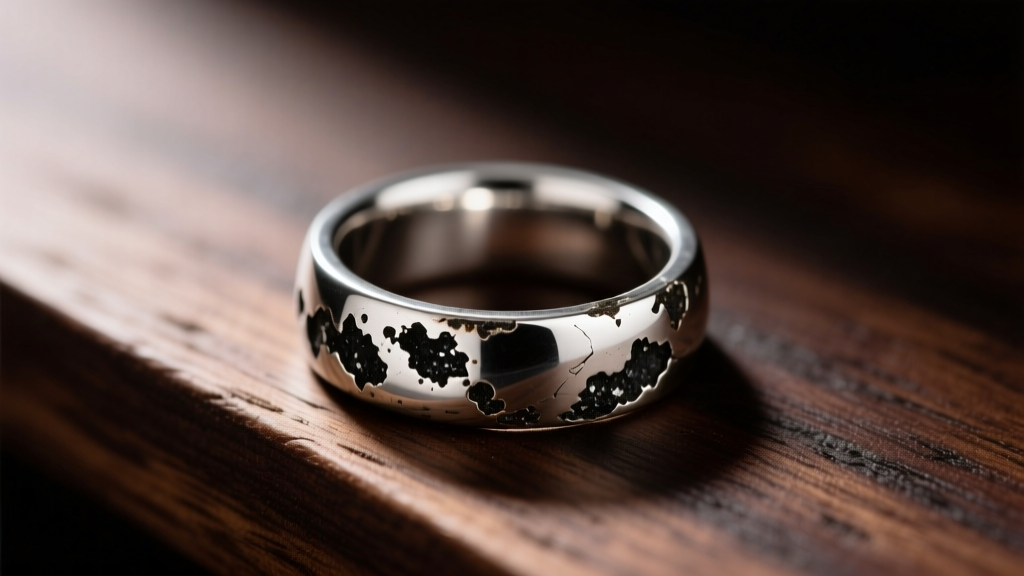
There is nothing quite as frustrating as reaching for your favorite accessory, only to find your beloved 925 jewelry ring has turned black, warped out of shape, or left an unsightly green stain on your finger. Sterling silver is a timeless, versatile metal, but its unique metallurgical composition makes it prone to specific environmental and structural failures. In 2026, despite advances in protective coatings and alloy blending, the fundamental chemistry of sterling silver remains unchanged. If you are dealing with a compromised piece, this expert troubleshooting guide will help you diagnose the exact failure mode and apply the correct metallurgical or mechanical fix.
The Metallurgy of 925 Silver: Understanding the Alloy
To troubleshoot a 925 jewelry ring, you must first understand what it is made of. Pure silver (99.9%) is too soft for daily wear; it would dent and scratch within hours. To solve this, jewelers alloy it with other metals. The '925' stamp guarantees the piece is 92.5% pure silver and 7.5% secondary metals—almost universally copper.
According to the Gemological Institute of America (GIA), it is this exact 7.5% copper content that introduces structural integrity but also acts as the catalyst for tarnish, skin discoloration, and chemical reactivity. When diagnosing a problem with your ring, you are almost always dealing with the copper alloy or the relatively low Mohs hardness (2.5 to 3) of the silver matrix itself.
Problem 1: The Green or Black Finger Stain
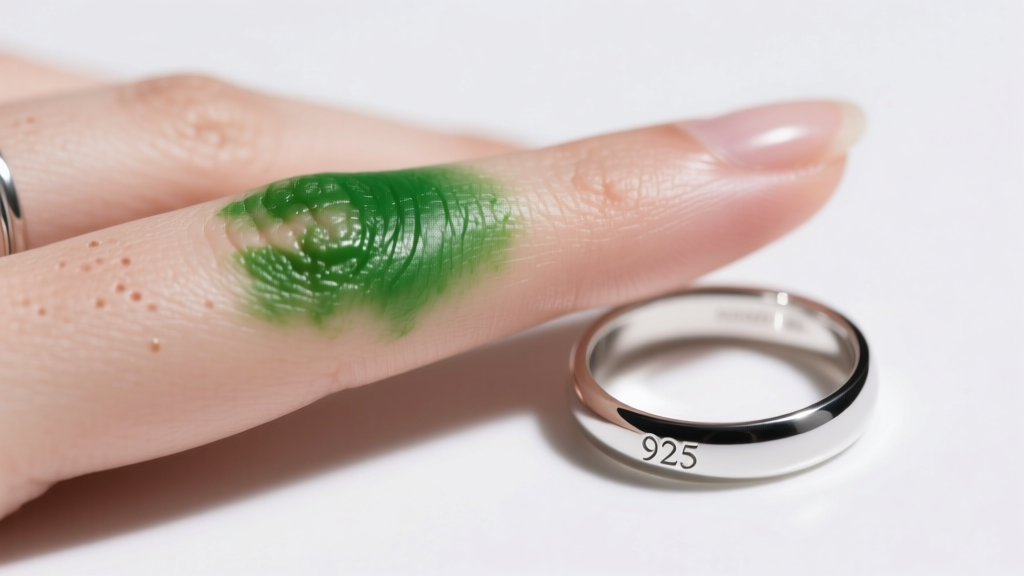
A green or black ring around your finger is not an indicator of fake silver; ironically, it is proof that your 925 jewelry ring contains real copper. When copper reacts with the acids, salts, and moisture in your sweat, it creates copper chlorides and copper sulfides, which transfer to the skin.
The Environmental Culprits
- Acidic Skin pH: Diets high in acidic foods or natural variations in skin pH accelerate copper oxidation.
- Cosmetics and Lotions: Zinc oxide, iron oxide, and calamine in sunscreens or makeup act as mild abrasives, scraping microscopic metallic particles onto the skin.
- Sulfur Exposure: Hot springs, rubber bands, and even certain wool garments contain sulfur compounds that trigger rapid copper and silver sulfide formation.
Actionable Fixes and Prevention
If your ring is turning your finger green, the most permanent solution is professional rhodium plating. A jeweler can electroplate a microscopic layer of rhodium (a platinum group metal) over the interior band for roughly $35 to $60. This creates an inert, hypoallergenic barrier. For a temporary, zero-cost DIY fix, paint the inside of the band with a thin layer of clear polyurethane-based nail polish. Avoid cheap acrylic polishes, as they yellow and peel within 48 hours. Reapply the polyurethane layer every three weeks.
Problem 2: Severe Tarnish and 'Black Spots'
Tarnish on a 925 jewelry ring is silver sulfide (Ag2S). It occurs when hydrogen sulfide in the air reacts with the silver surface. While light yellow tarnish is easy to wipe away, deep black spots indicate heavy oxidation that has penetrated the microscopic pores of the metal.
Mechanical vs. Chemical Cleaning
Never use toothpaste or baking soda pastes to scrub a heavily tarnished ring. These are highly abrasive and will leave micro-scratches that actually increase the surface area, making the ring tarnish faster in the future. Instead, use an electrochemical reduction bath.
The Aluminum Foil Bath Method: Line a glass bowl with aluminum foil (shiny side up). Add 1 tablespoon of baking soda and 1 tablespoon of sea salt. Pour boiling water over the mixture. Submerge your 925 jewelry ring for 3 to 5 minutes. The aluminum acts as a sacrificial anode, pulling the sulfur away from the silver and transferring it to the foil without removing any base metal.
Warning: If your ring features intentional 'oxidized' or 'antiqued' detailing (dark crevices meant to highlight engraving), the aluminum bath will strip these details entirely. For antiqued rings, use a treated jeweler's polishing cloth (like a Sunshine cloth) and carefully avoid the recessed areas.
Problem 3: Bending, Warping, and Loss of Shape
Because sterling silver is relatively soft, thin bands (anything under 1.5mm in width) or wide but hollow-forged rings are highly susceptible to bending. If your ring has become oval-shaped or bent out of round, wearing it in that state will cause 'work hardening' at the stress points, eventually leading to a microscopic fracture and a snapped shank.
Reshaping with a Mandrel
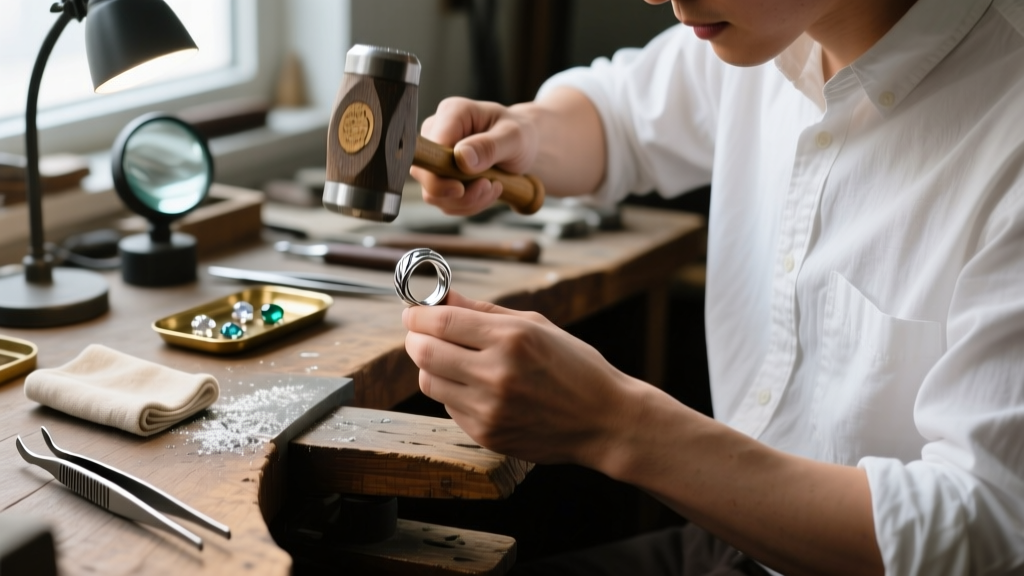
You can gently reshape a warped 925 jewelry ring at home using a steel ring mandrel and a rawhide or nylon mallet. Never use a steel hammer, as it will mar the silver surface and compress the metal unevenly. Slide the ring onto the mandrel to its correct size mark, and tap gently in a rotating pattern. If the ring resists bending or you hear a faint 'pinging' sound, stop immediately. The metal has work-hardened and requires professional annealing (heating to 1200°F and quenching) to restore its malleability before reshaping.
Troubleshooting Matrix: Quick Reference Guide
Use the table below to quickly diagnose the issue with your 925 jewelry ring and determine the appropriate intervention level.
| Symptom | Root Cause | DIY Fix | Professional Fix |
|---|---|---|---|
| Green/Black Skin Stain | Copper reacting with sweat/acids | Clear polyurethane nail polish | Rhodium electroplating ($35-$60) |
| Heavy Black Tarnish | Silver sulfide (Ag2S) buildup | Aluminum foil + baking soda bath | Ultrasonic cleaning & steam polish |
| Ring Bent / Oval | Metal softness (Mohs 2.5-3) | Rawhide mallet on steel mandrel | Mandrel sizing & laser annealing |
| Cloudy / Scratched Finish | Abrasive contact / micro-scratches | Mild silver dip (under 60 seconds) | Repelling and rouge polishing |
Resizing Limitations and Structural Failures
One of the most common troubleshooting inquiries involves resizing a 925 jewelry ring. According to Jewelers of America, while standard flat bands are easily sized up or down by a professional, certain designs present severe structural risks. Eternity bands (stones encircling the entire shank) cannot be resized without compromising the prong tension and losing gems. Furthermore, if your ring features a thick rhodium plating, the heat from a jeweler's soldering torch during a size adjustment will burn the plating, requiring a complete strip and re-plate of the entire piece. Always consult a certified bench jeweler before attempting to stretch or compress a complex 925 sterling silver setting.


