Best Hippie Jewelry Rings: 2026 Value & Budget Guide
Discover the true value of hippie jewelry rings in 2026. We break down material costs, stone authenticity, and pricing tiers for bohemian bands.

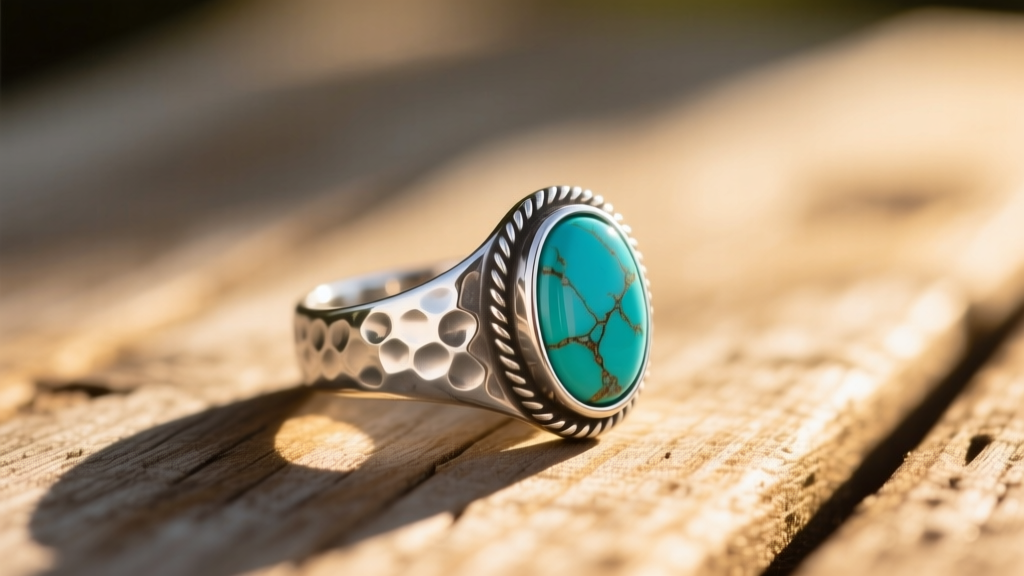
The Real Cost of Bohemian Bands: A 2026 Material Breakdown
The bohemian aesthetic has firmly cemented itself as a permanent fixture in modern jewelry, moving far beyond fleeting festival trends. However, as the demand for hippie jewelry rings surges, the market has become heavily saturated with mass-produced imitations masquerading as artisan craft. For the discerning buyer, navigating this landscape requires a solid understanding of metallurgy, gemology, and structural integrity. In 2026, true value isn't just about the initial price tag; it is about the cost-per-wear, material longevity, and skin safety.
When evaluating bohemian rings—ranging from hammered thumb bands to intricate turquoise pinky rings—the primary differentiator between a $15 bargain and a $150 investment piece lies in the base metal and the setting technique. Let us dismantle the marketing jargon and examine the actual materials touching your skin.
The "Tibetan Silver" Trap
One of the most pervasive misnomers in the bohemian jewelry market is "Tibetan Silver." According to the Federal Trade Commission's Jewelry Guides, items marketed as silver must contain a specific purity of the precious metal. Genuine Tibetan silver is an archaic term for an alloy that historically contained a high copper content, but modern commercial "Tibetan silver" is almost entirely composed of zinc, copper, and often nickel. It contains zero actual silver. For buyers with nickel sensitivities, these rings are a primary culprit for contact dermatitis. If a vendor cannot guarantee a "925" sterling silver hallmark stamped directly into the metal, assume you are purchasing a base-metal alloy that will inevitably tarnish to a dull, unpolishable gray.
Brass, Copper, and the Green Finger Phenomenon
Authentic artisan hippie rings frequently utilize brass and copper for their warm, earthy tones and excellent malleability for hand-stamping. However, the dreaded "green finger" is a chemical inevitability, not a myth. When the copper in brass reacts with the acidic sebum and sweat on your skin, it creates copper chloride—a green salt that stains the epidermis. While harmless, it is aesthetically displeasing. High-value bohemian brands mitigate this by applying a thick rhodium flash over the copper or by using a specialized jeweler's wax sealant. If you are buying raw brass, expect to reapply a micro-crystalline wax coating every few months to maintain the barrier between the metal and your skin.
2026 Pricing Tiers: Where Does Your Budget Fit?
To accurately assess value, we must categorize the market into three distinct tiers. This framework will help you determine whether a ring is priced fairly based on its raw material costs and labor intensity.
| Tier | Material & Construction | Stone Quality | Price Range & Lifespan |
|---|---|---|---|
| Tier 1: Festival Fast-Fashion | Zinc alloy, electroplated, glued settings. | Dyed howlite, glass, or resin. | $8 - $25 | 1-3 months before plating flakes and stones detach. |
| Tier 2: Mid-Tier Import | Solid brass or copper, cast or stamped. | Stabilized low-grade turquoise, synthetic opal. | $30 - $65 | 1-2 years; requires polishing and wax sealing. |
| Tier 3: Artisan Silversmith | Solid 925 Sterling Silver, hand-fabricated bezels. | Natural, high-grade turquoise, moonstone, or opal. | $90 - $300+ | Lifetime durability; develops a prized patina. |
Stone Value Assessment: The Turquoise Test
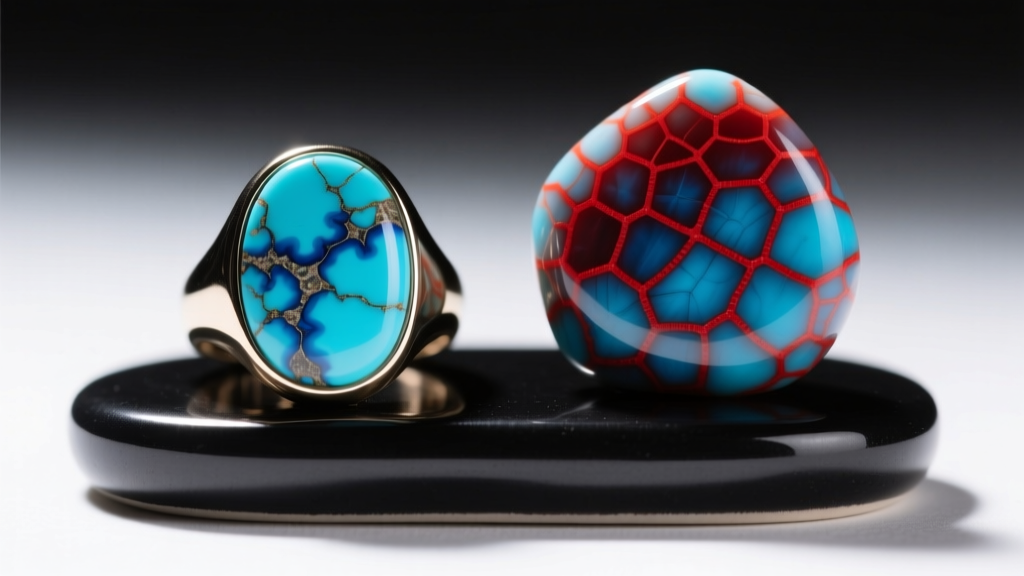
No discussion of hippie jewelry rings is complete without addressing turquoise, the undisputed king of bohemian gemstones. The price variance in turquoise rings is staggering, driven by the stone's origin, treatment, and backing. According to the Gemological Institute of America (GIA), natural turquoise is highly porous and often requires stabilization to survive daily wear. However, there is a massive value gap between stabilized genuine turquoise and dyed howlite.
The Expert's Eye Test: Examine the "matrix" (the brown or black webbing in the stone). In genuine Kingman or Sleeping Beauty turquoise, the matrix is organic, featuring sharp, lightning-like fractures that penetrate deep into the stone. In dyed howlite, the webbing looks like spilled ink, pooling softly in the surface crevices with a blurry, unnatural gradient. Furthermore, flip the ring over. High-value artisan rings often feature a "backplate" or sawtooth bezel to protect the fragile bottom edge of the cabochon. Mass-produced rings will have an open back, leaving the stone vulnerable to shattering upon impact.
Niche Bohemian Rings: Spinners and Mood Rings
Beyond standard bands, the hippie category encompasses functional novelty rings, which require their own specific value assessments.
- Spinner Rings (Anxiety Rings): A high-quality spinner ring requires precise metallurgical tolerances. The inner band should be at least 14-gauge (1.6mm) to prevent warping, while the outer spinning band must be 18-gauge to 20-gauge to reduce friction. If the outer band is too thick, it will catch and grind; too thin, and it will dent within weeks. Expect to pay $70-$120 for a solid sterling silver spinner ring with a smooth, lasting bearing mechanism.
- Mood Rings: While a nostalgic staple of bohemian fashion, mood rings rely on thermochromic liquid crystals encased in a glass or quartz dome. UV exposure and moisture inevitably degrade these crystals. A mood ring is a short-term novelty purchase ($10-$30) and should never be evaluated as a long-term jewelry investment, as the color-changing mechanism typically fails within 6 to 12 months of daily wear.

Actionable Buying Framework for Hippie Rings
Whether you are browsing a curated online boutique or walking through an outdoor artisan craft fair, use this 3-point checklist to instantly determine the value of a bohemian ring:
- The Hallmark & Weight Test: Look for the "925" stamp on the inside of the band. Sterling silver is a dense metal; a thick, wide-band hippie ring should feel substantial and cool to the touch. If it feels suspiciously light and warms up instantly in your hand, it is likely hollow-cast zinc or aluminum.
- The Bezel Push: Run your fingernail gently over the metal rim (bezel) holding the stone. In a valuable, hand-fabricated ring, the bezel will be smooth, tight, and seamlessly pushed over the stone's edge. In cheap castings, the bezel is often "fake" (molded into the wax model) and the stone is simply glued in, leaving microscopic gaps where water and lotion will accumulate, eventually dissolving the adhesive.
- The Interior Finish: Turn the ring upside down. High-end silversmiths take the time to sand and polish the interior shank, often adding comfort-fit doming. Rough, porous, or sharp interior edges are the hallmark of mass-produced tumbler-polished imports that will cause micro-abrasions on your finger over time.
Final Verdict: Investing in Artisan Craft
The market for hippie jewelry rings offers something for every budget, but true value is found in transparency. While a $20 brass festival ring serves a temporary stylistic purpose, building a lasting bohemian jewelry collection requires investing in solid 925 sterling silver and ethically sourced, properly stabilized gemstones. By understanding the metallurgy and gemology behind the bohemian aesthetic, you can curate a stack of rings that not only tells a story but withstands the test of time without compromising your skin or your wallet.


