Jewelry Ring Stretcher Buying Guide: Tools, Metals & Sizing Tips
Discover the best jewelry ring stretcher tools for safe resizing. Learn which metals stretch, tool grades, and expert techniques for a perfect fit.

The Mechanics of Resizing: Why Tool Quality Matters
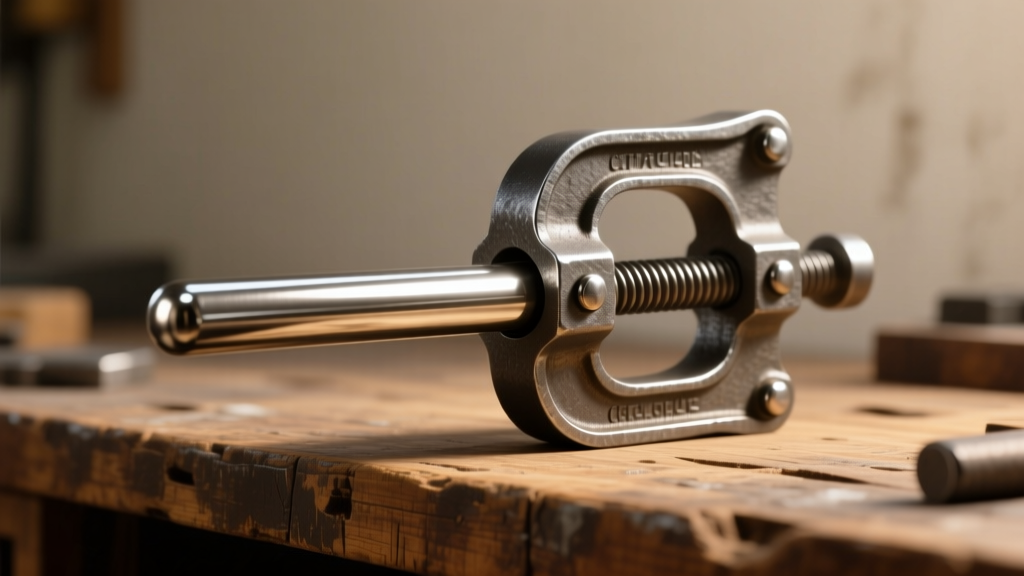
Resizing a ring without cutting the shank is a fundamental skill for jewelers, bench technicians, and serious hobbyists. A high-quality jewelry ring stretcher allows you to increase a ring's size by compressing the metal, forcing it to expand outward along the path of least resistance. However, not all stretchers are created equal, and applying brute force to the wrong alloy will result in catastrophic shank failure. Whether you are outfitting a professional bench or upgrading your home studio, understanding the metallurgy, tool mechanics, and die profiles is critical to success.
Cheap, mass-produced stretchers often feature soft cast-iron mandrels that deform under pressure, leaving flat spots on your precious metal bands. Professional-grade tools utilize hardened steel dies and precision-machined bases. According to fabrication guidelines from Rio Grande, maintaining the structural integrity of the shank during compression requires tools that apply even, radial force without introducing micro-fractures into the metal lattice.
The Metallurgy of Stretching: Which Rings Survive?
Before you place any band onto a mandrel, you must understand its work-hardening rate and Vickers hardness (HV). Stretching a ring work-hardens the metal, making it brittle. If you push past the metal's yield strength without annealing, it will snap.
| Metal / Alloy | Max Safe Stretch | Annealing Required? | Failure Mode & Risks |
|---|---|---|---|
| 10k & 14k Gold | 1 to 1.5 sizes | Yes (after 1 size) | Shank thinning, edge cracking if not annealed. |
| 18k Yellow Gold | 1 to 2 sizes | Yes (frequently) | Highly malleable but prone to tearing at porosity sites. |
| Platinum (Pt950) | 0.5 to 1 size | Yes (high heat) | Work-hardens rapidly; requires specialized high-temp torch. |
| Sterling Silver | 1.5 to 2 sizes | Yes | Fire-scale buildup; stretches easily but thins quickly. |
| Titanium / Tungsten | 0 sizes (DO NOT STRETCH) | N/A | Will shatter explosively or destroy the stretcher's steel dies. |
Expert Insight: Never attempt to stretch a ring with a porosity defect. As the metal lattice expands under the pressure of the mandrel, microscopic air pockets introduced during the original casting will become stress concentrators, causing the shank to split cleanly in half.
Types of Jewelry Ring Stretchers: Manual vs. Machine
The market is divided into three primary categories of stretching equipment, each suited for different volumes and budgets.
1. Lever-Action Manual Stretchers
These are the most common entry-level tools, typically priced between $40 and $120. They feature a long steel lever that pushes a hardened steel mandrel through a split die. While adequate for occasional silver or 10k gold resizing, they require significant physical force. The primary drawback is the lack of mechanical advantage, which can lead to uneven stretching if the user pulls the lever at an angle.
2. Gear-Driven and Arbor Press Stretchers
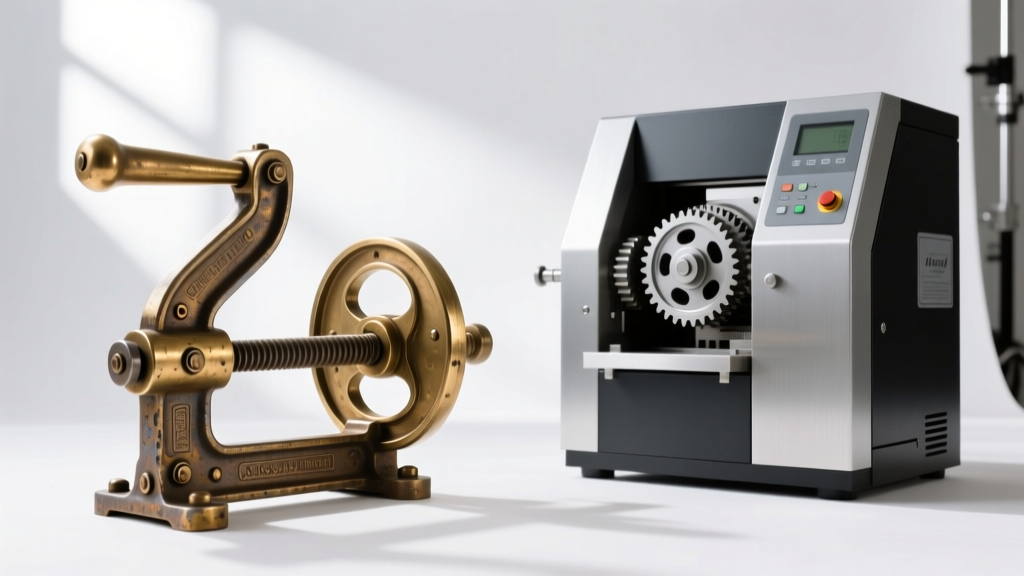
Brands like PepeTools and Durston manufacture gear-driven stretchers ($200 to $600) that use a pinion gear system to multiply the user's input force. These tools offer a smooth, controlled descent of the mandrel, ensuring the ring expands evenly. They are the industry standard for independent jewelers who need reliability without the footprint of a hydraulic system.
3. Hydraulic Ring Sizing Machines
For high-volume repair shops, hydraulic stretchers ($1,000+) provide tons of uniform pressure at the flip of a switch. They are essential for stretching thick platinum wedding bands or heavy signet rings where manual lever action would cause severe operator fatigue.
Key Features to Look For When Buying
When evaluating a jewelry ring stretcher, look beyond the basic lever mechanism. The following features dictate the tool's versatility and longevity:
- Interchangeable Die Plates: A premium stretcher includes multiple die profiles. You must match the die to the ring's shank shape. Using a flat die on a comfort-fit (domed) ring will crush the dome, ruining the interior profile.
- Hardened Steel Mandrels: Ensure the mandrels are heat-treated to at least 60 HRC (Rockwell Hardness Scale). Soft mandrels will dent when sizing hardened white gold alloys.
- Base Stability: Look for a heavy cast-iron or machined steel base with pre-drilled mounting holes. A stretcher that shifts on your bench during a high-pressure pull is a safety hazard.
- Split Die Tolerance: The gap in the split die should be minimal. Wide gaps cause the metal to extrude into the slit, leaving a raised ridge on the outside of the ring that requires heavy filing and polishing to remove.
Step-by-Step: Safe Stretching Technique & Annealing
Proper technique separates professional bench jewelers from amateurs who destroy customer property. Follow this framework for safe resizing:
- Measure and Document: Use a calibrated ring mandrel to measure the exact starting size. Measure the shank thickness with digital calipers. If the shank is under 1.5mm thick, do not stretch it; cut and size it instead.
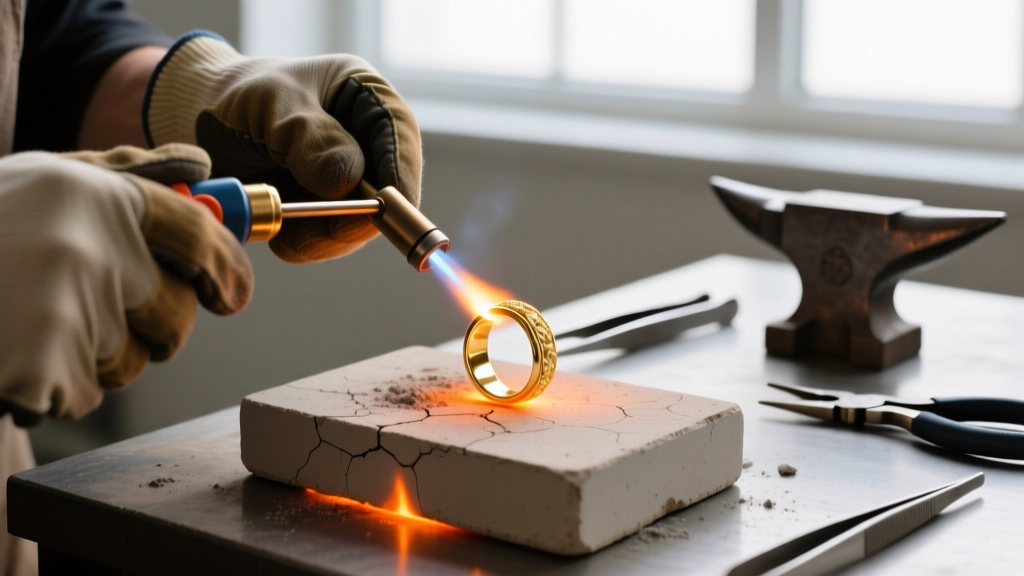
- Anneal the Metal: Heat the ring to its specific annealing temperature (e.g., 14k gold reaches a dull cherry red at roughly 1200°F). Quench according to the alloy's requirements (water for most golds, air cooling for certain platinum alloys).
- Select the Correct Die: Match the die profile to the ring. Place the ring perfectly square in the die.
- Apply Incremental Pressure: Push the mandrel through. Do not force it in one stroke. Push slightly, remove the ring, flip it upside down, and push again. This prevents the ring from becoming conical.
- Re-Anneal as Needed: For every half-size increase, the metal work-hardens. You must re-anneal before proceeding to the next half-size.
The Physics of Shank Thinning: When to Stop
Every time you increase a ring's circumference, you are redistributing a fixed volume of metal. According to principles documented by the Gemological Institute of America (GIA), stretching a ring by one full US size increases the circumference by approximately 2.5 millimeters. Because the volume of the gold or platinum remains constant, the cross-sectional area of the shank must decrease.
If you start with a 2.0mm thick band and stretch it two full sizes, the shank thickness will reduce by roughly 15% to 20%, leaving you with a fragile 1.6mm band. This thinning is most pronounced at the bottom of the shank (the sizing area), which takes the brunt of the daily wear and tear. If a customer requests a size increase greater than 1.5 sizes on a delicate band, a professional jeweler will refuse the stretch and instead opt to cut the shank, insert a new piece of matching alloy, and laser-weld it. Stretching is a tool for minor adjustments, not a magic wand for extreme resizing.
Stone Settings: The Hidden Danger Zone
The presence of gemstones drastically alters your resizing strategy. The compression forces exerted by a jewelry ring stretcher will distort the metal surrounding any setting.
- Prong Settings: Stretching a ring with a large center stone will pull the prongs away from the girdle of the gem, causing the stone to fall out. Always remove large stones before stretching.
- Channel and Pave Settings: The expansion of the metal will warp the delicate beads or walls holding melee diamonds. This almost always results in popped stones and crushed settings. Never stretch a ring with continuous channel or pave work on the shank.
- Tension Settings: Stretching will release the calibrated tension holding the stone, resulting in immediate loss of the gem.
Final Verdict: Choosing the Right Equipment
Investing in a reliable jewelry ring stretcher pays for itself after just a few sizing jobs. For hobbyists and low-volume repairers, a well-built gear-driven manual stretcher from a reputable brand like PepeTools offers the best balance of mechanical advantage and affordability. For high-volume professionals, a hydraulic system is a necessary upgrade to save time and physical strain. Always prioritize hardened steel dies, respect the metallurgical limits of your alloys, and remember that when in doubt, cutting and soldering is the safer, more professional route.
For further reading on advanced bench techniques and metal fabrication properties, consult the technical resources available through Stuller Bench & Repair guides, which offer excellent visual breakdowns of die profiles and annealing protocols.


