Will Jewelry Stores Buy Rings? Cleaning & Prep Guide
Wondering if jewelry stores buy rings? Learn how to clean, prep, and maintain your rings to maximize resale value and avoid scrap pricing.

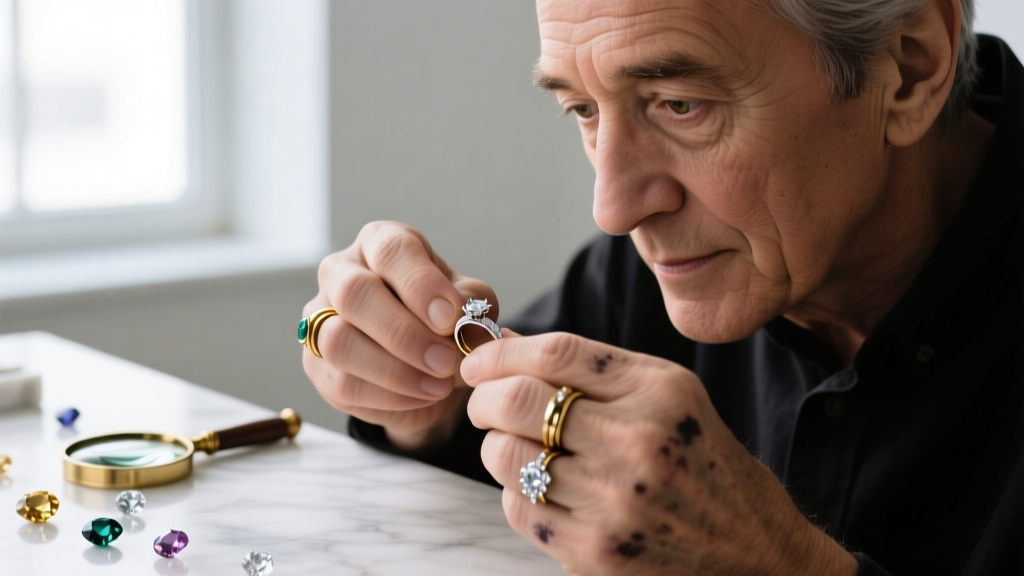
When you decide to part ways with a piece of jewelry, the first question that comes to mind is often: will jewelry stores buy rings? The short answer is yes. However, the financial offer you receive is not solely dictated by the current spot price of gold or the carat weight of your diamond. The physical condition, cleanliness, and structural integrity of your ring play a massive role in whether a jeweler purchases it as a premium estate piece or relegates it to the scrap metal pile. Understanding the intersection of jewelry maintenance and resale valuation is critical for maximizing your return in 2026.
The Economics of Condition: Estate vs. Scrap Value
To understand why cleaning and maintenance matter, you must understand how jewelry stores appraise incoming inventory. Buyers generally categorize pre-owned rings into two distinct buckets: estate (resalable) and scrap (melt). A ring caked in years of lotion, dead skin cells, and oxidized tarnish obscures hallmarks, hides diamond brilliance, and makes it difficult for a buyer to assess prong wear. Consequently, many stores will default to offering you scrap value simply because the cost and risk of restoring it outweigh the immediate profit.
| Condition Profile | Valuation Method | Typical Offer Range | Store Action |
|---|---|---|---|
| Pristine / Professionally Cleaned | Estate / Resale | 30% - 50% of original retail | Cleaned, polished, placed in display case |
| Light Wear / Mild Tarnish | Discounted Estate | 20% - 35% of original retail | In-house polishing, minor prong retipping |
| Heavy Grime / Bent Shanks / Scratched | Scrap / Melt | 70% - 85% of intrinsic metal value | Stones removed, metal sent to refiner |
Strategic Pre-Sale Cleaning Protocols by Metal
Before walking into a jewelry store or pawn shop, you must present the ring in its best light. However, improper cleaning can permanently damage finishes and reduce value. Here is how to prep your rings based on their metallurgical composition.
Gold (14K, 18K, 22K) and Platinum
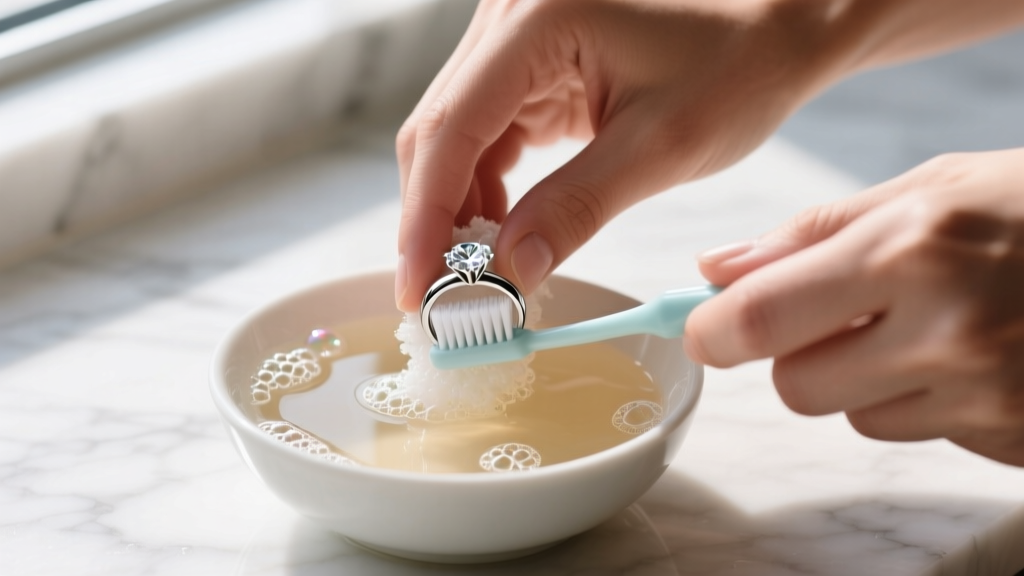
Gold and platinum are highly resilient, but they trap debris in the under-gallery and prong settings. To clean these rings, create a solution of warm water and a few drops of mild, ammonia-free dish soap (like Dawn). Soak the ring for 15 to 20 minutes to soften sebum and cosmetic buildup. Use a baby-bristle toothbrush to gently agitate the area behind the center stone. Critical Step: Pay special attention to the interior of the shank. According to the Federal Trade Commission (FTC) Jewelry Guides, precious metal hallmarks (e.g., '14K', 'PT950') and maker's marks must be legible for a store to confidently buy the piece without resorting to destructive acid testing.
Sterling Silver and the Patina Paradox
Sterling silver (925) oxidizes rapidly, developing a dark tarnish when exposed to sulfur in the air. While you can easily remove this using a commercial silver dip or the aluminum foil and baking soda electrolysis method, you must exercise extreme caution with vintage or antique silver rings. Many Art Deco or Victorian-era signet rings feature intentional oxidation (patina) in the engraved crevices to provide contrast. Stripping this patina with harsh chemical dips will destroy the ring's antique provenance, causing estate buyers to downgrade their offers. For vintage silver, use a treated silver polishing cloth only on the high points, leaving the dark recesses intact.
Gemstone Maintenance: Avoiding Costly Pre-Sale Mistakes
The presence of a gemstone can elevate a ring from scrap to estate, but only if the stone is undamaged. The Gemological Institute of America (GIA) emphasizes that a stone's Mohs hardness rating does not equate to its toughness or chemical stability. Using the wrong cleaning method right before a sale can result in catastrophic value loss.
Diamonds, Sapphires, and Rubies (Corundum)
Diamonds and corundum are exceptionally durable and can withstand ultrasonic cleaners and mild ammonia solutions. In fact, a diamond's refractive index relies entirely on light passing through the pavilion. A ring with a grease-coated diamond will look dull and lifeless, prompting a buyer to assume the stone is a lower color grade (like K or L) or heavily included. A thorough degreasing with isopropyl alcohol on a lint-free microfiber cloth will restore the diamond's fire, ensuring the buyer grades it accurately.
Porous and Treated Stones: The Ultrasonic Danger Zone
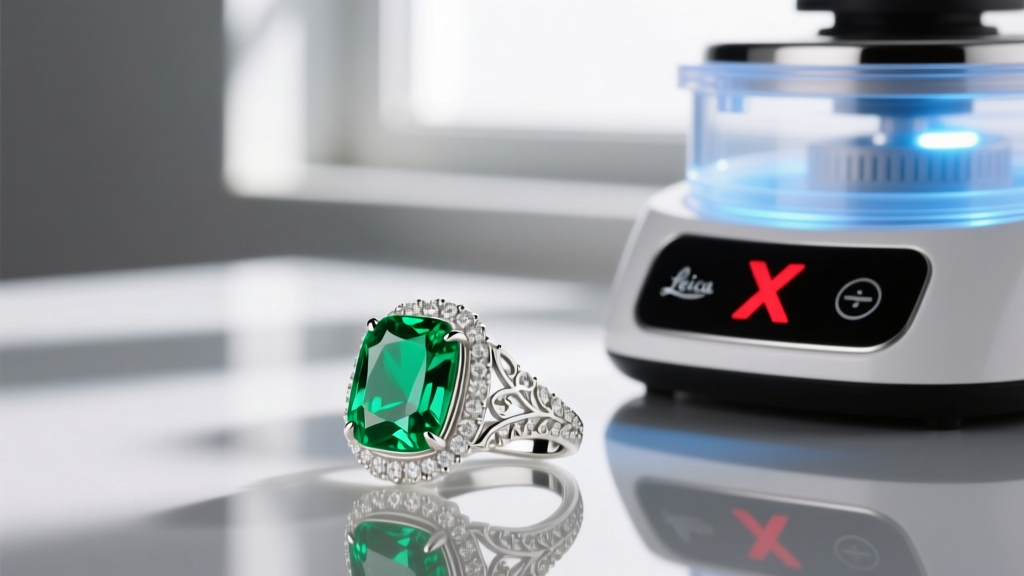
Never use an ultrasonic cleaner or steam cleaner on rings featuring emeralds, opals, pearls, turquoise, or lapis lazuli. Emeralds are almost universally treated with cedar oil or synthetic resins to mask natural fractures. The high-frequency vibrations (typically 40 kHz) and heat of an ultrasonic cleaner will boil this oil out, leaving the emerald looking heavily fractured, cloudy, and significantly less valuable. Similarly, opals contain up to 20% water; ultrasonic heat can cause 'crazing' (a network of fine cracks) that instantly ruins the stone. For these rings, simply wipe them with a damp, untreated microfiber cloth and let them air dry.
The Rhodium Plating Dilemma for White Gold
If you are selling a white gold ring, you might notice the metal has taken on a slightly yellowish or grayish tint. This is normal; white gold is an alloy of yellow gold and white metals (like nickel or palladium), and it is plated with rhodium to achieve a bright, mirror-like chrome finish. Many sellers wonder if they should pay a jeweler $50 to $100 to re-plate the ring before selling it to maximize their offer.
Expert Advice: Do not re-plate the ring before selling. Reputable jewelry stores and estate buyers have X-ray fluorescence (XRF) analyzers and acid tests to determine the exact karat weight of the gold beneath the plating. They will factor the cost of re-rhodium plating into their retail markup, not into your purchase offer. Save your money, clean the ring thoroughly with soap and water, and let the store handle the cosmetic restoration.
Polishing vs. Patina: When to Leave It Alone
While cleaning removes dirt, polishing removes metal. If you own a vintage signet ring, an engraved wedding band, or a piece with milgrain detailing, avoid taking it to a polishing wheel or using abrasive compounds like jeweler's rouge. Over-polishing softens the crisp edges of engravings, wears down the milgrain, and reduces the overall gram weight of the piece. According to Jewelers of America, preserving the original factory finish and historical integrity of an estate ring is vastly more profitable than presenting a heavily buffed ring that has lost its defining architectural details.
"A common mistake sellers make is trying to make an antique ring look brand new. Buyers of estate jewelry are looking for history and craftsmanship. If you polish away the maker's marks or soften the engraving, you are polishing away the premium price." — Senior Estate Jewelry Appraiser
Final Appraisal Prep Checklist
Before you walk through the doors of a jewelry store to ask if they buy rings, run through this final maintenance and preparation checklist to ensure you command the highest possible offer:
- Verify the Hallmarks: Ensure the inside of the band is free of dirt so the karat stamp and maker's mark are easily readable under a 10x jeweler's loupe.
- Check Prong Integrity: Run a piece of silk fabric or a soft cotton swab over the prongs. If it snags, a prong is lifted or broken. Disclose this to the buyer upfront; hidden damage will kill trust and ruin the negotiation.
- Gather Documentation: Clean the original appraisal certificates, GIA or AGS diamond grading reports, and original purchase receipts. A ring sold with its original lab report commands a 10% to 20% higher premium because it eliminates the buyer's grading risk.
- Remove Surface Oils: Give the ring a final wipe with a clean, lint-free jeweler's cloth immediately before the appraisal to ensure maximum brilliance under the store's halogen or LED display lights.
Ultimately, whether jewelry stores buy rings at a premium depends heavily on how well you have acted as a steward of the piece. By employing safe, material-specific cleaning techniques and avoiding abrasive shortcuts, you signal to the buyer that the ring has been meticulously cared for, paving the way for a highly profitable estate sale.


