How to Safely Source and Wear Hello Kitty Nipple Jewelry
Learn how to safely source and wear Hello Kitty nipple jewelry. Our step-by-step guide covers implant-grade materials, custom shields, and gauge sizing.

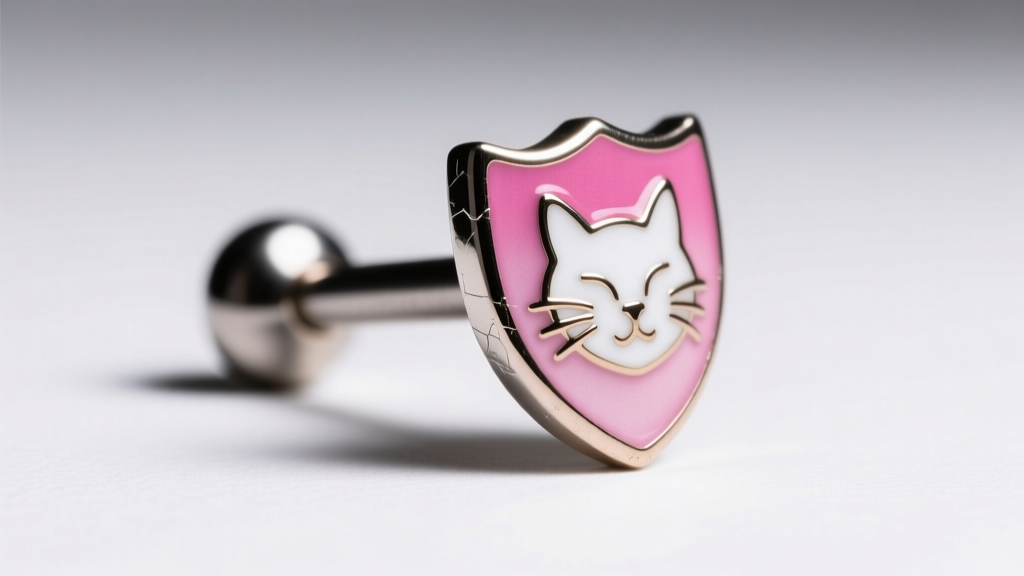
The coquette and Y2K aesthetics have driven a massive surge in searches for cute, character-inspired intimate accessories. However, finding safe, high-quality hello kitty nipple jewelry presents a unique challenge for piercing enthusiasts. Official character merchandise is rarely manufactured to the stringent biocompatibility standards required for intimate piercings, and the secondary market is heavily flooded with cheap, porous, and potentially toxic novelty pieces.
As a domain expert in intimate styling, my priority is ensuring your aesthetic desires never compromise your anatomical health. This step-by-step guide will teach you how to achieve that iconic, cute feline aesthetic using APP-compliant materials, custom fabrication techniques, and proper sizing protocols.
The Hidden Dangers of Novelty Intimate Jewelry
When browsing online marketplaces for character-themed nipple rings, you will inevitably encounter pieces marketed as "surgical steel," acrylic, or mystery zinc alloys. The Association of Professional Piercers (APP) strictly warns against these materials for fresh or long-term intimate wear.
- Acrylic and Resin: These materials are highly porous, harboring bacteria that can lead to chronic infections. Furthermore, acrylic becomes brittle at body temperature and can crack or shatter inside the fistula.
- 316L Surgical Steel: Despite the "surgical" moniker, this steel contains nickel. The warm, moist environment of intimate areas accelerates nickel leaching, leading to severe contact dermatitis and piercing rejection.
- Rough Castings: Cheap novelty charms often have microscopic seams and rough edges from poor manufacturing. Dragging these through a delicate nipple fistula will cause micro-tears, scar tissue buildup, and potential migration.
"Jewelry used in initial piercings must be made of implant-grade materials. Novelty plastics and low-grade metals have no place in healing or long-term intimate tissue." — APP Minimum Standards for Jewelry
Step 1: Sourcing an Implant-Grade Titanium Base
Because officially licensed, APP-compliant character jewelry does not exist on the mass market, you must build your piece from the ground up. The foundation of your setup must be an ASTM F136 implant-grade titanium barbell. Titanium is entirely nickel-free, lightweight, and highly resistant to corrosion from bodily fluids.
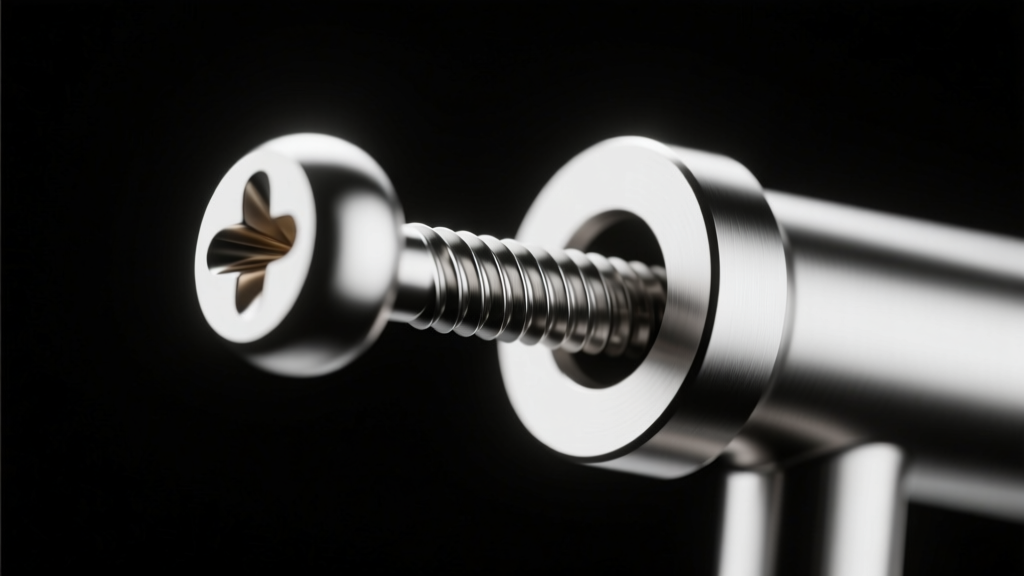
When purchasing your base barbell from reputable brands like Neometal or Industrial Strength, you must choose between two safe threading mechanisms:
- Internally Threaded: The screw threads are located on the decorative end, while the post remains perfectly smooth. This prevents tissue damage during insertion.
- Threadless (Push-Pin): The decorative end features a slightly bent pin that slides into a hollow post, creating tension-based friction. This is often preferred for nipple piercings as it eliminates the risk of the end unscrewing due to clothing friction.
Step 2: Commissioning Safe Feline-Inspired Shields
To achieve the aesthetic safely, you have two primary routes: custom enameled shields or high-polish titanium charms. Avoid dangling charms at all costs. Heavy, swinging dangles act as pendulums that catch on lace bras and towels, applying uneven torque to the fistula. This constant pulling is the leading cause of nipple piercing migration and rejection.
Instead, opt for a fixed nipple shield. You can commission a custom jeweler who specializes in body modification to create a titanium shield featuring a cute, feline-inspired silhouette or facial motif. The safest coloring method is vitreous enamel. Unlike cheap spray paints or toxic epoxies, vitreous enamel is essentially powdered glass fused to the titanium at extreme temperatures. It is non-porous, completely biocompatible, and can be safely tinted in iconic pastel pinks and whites without risking chemical leaching.
Step 3: Measuring Your Anatomy for the Perfect Fit
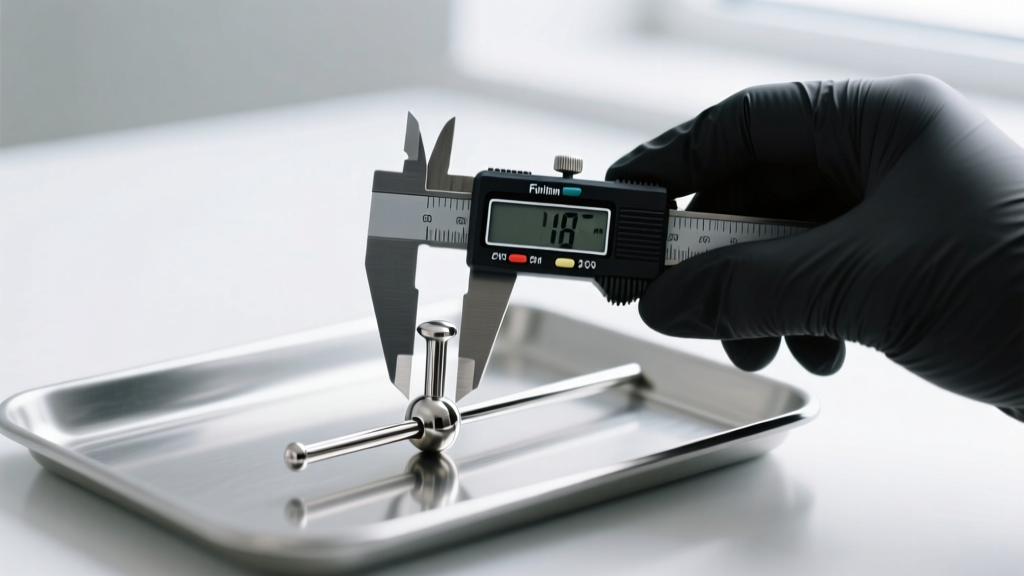
Nipple anatomy varies drastically, and wearing a barbell that is too short will cause chronic swelling and embedding, while one that is too long will invite snagging. You must measure your current jewelry using a digital caliper.
| Measurement | Standard Sizing | Expert Notes |
|---|---|---|
| Gauge (Thickness) | 14G (1.6mm) or 12G (2.0mm) | 14G is the global standard. Never downsize to 16G, as the thin wire creates a "cheese-cutter" effect, slowly slicing through the tissue. |
| Length (Wearable) | 3/8" (10mm) to 5/8" (16mm) | Measure the post only, excluding the end gems or shields. Most healed piercings require 12mm, but prominent anatomies may need 14mm or 16mm. |
| Shield Diameter | 12mm to 18mm | Ensure the custom shield sits flush against the areola without pressing tightly into the tissue, which can restrict blood flow. |
Step 4: The Safe Swapping and Aftercare Protocol
Once your custom titanium piece arrives, proper installation is critical to maintaining the health of your piercing. Follow this strict protocol to avoid introducing bacteria into the fistula.
- Preparation: Wash your hands thoroughly with antimicrobial soap and put on disposable nitrile gloves. This provides a better grip on tiny jewelry components and maintains sterility.
- Lubrication: Apply a microscopic drop of sterile saline or water-based lubricant to the post. Never use petroleum-based products, as they trap bacteria and degrade the tissue.
- Insertion: Gently guide the smooth post through the fistula from the top down. If you meet resistance, do not force it. The angle may have shifted, or the length may be incorrect.
- Securing the End: For threadless jewelry, ensure the pin is bent slightly (about 2 to 3 millimeters) before pushing it into the post. You should feel a distinct "pop" or resistance when it locks into place.
- Cleaning: Spray the front and back of the new jewelry with sterile 0.9% sodium chloride wound wash. Gently pat dry with non-woven gauze to prevent lint from snagging on the custom enamel details.
Material Safety Comparison Chart
When sourcing your aesthetic, use this quick-reference chart to evaluate the safety of the materials offered by various vendors.
| Material | Biocompatibility | Risk Level | Verdict for Intimate Wear |
|---|---|---|---|
| ASTM F136 Titanium | Excellent | None | Highly Recommended. The gold standard for all custom intimate jewelry. |
| Niobium | Excellent | None | Safe. Great for custom anodized colors, though slightly heavier than titanium. |
| 316L Surgical Steel | Poor | High (Nickel) | Avoid. High risk of allergic reactions and contact dermatitis. |
| Acrylic / Bioflex | Poor | High (Porous) | Avoid. Harbors bacteria, cracks easily, and degrades in bodily fluids. |
| Zinc Alloy / Pot Metal | Toxic | Extreme | Never Use. Contains lead and heavy metals; degrades rapidly. |
Ultimately, achieving the perfect cute aesthetic requires a commitment to quality over convenience. By investing in an implant-grade titanium base and commissioning a custom, flush-fitting enameled shield, you can safely enjoy your unique style without sacrificing the health and longevity of your intimate piercings.


