Expert Guide to Cleaning and Caring for Intimate Jewelry
Learn how to properly clean, sterilize, and maintain your intimate jewelry. Discover expert tips for titanium, niobium, and gold body jewelry.

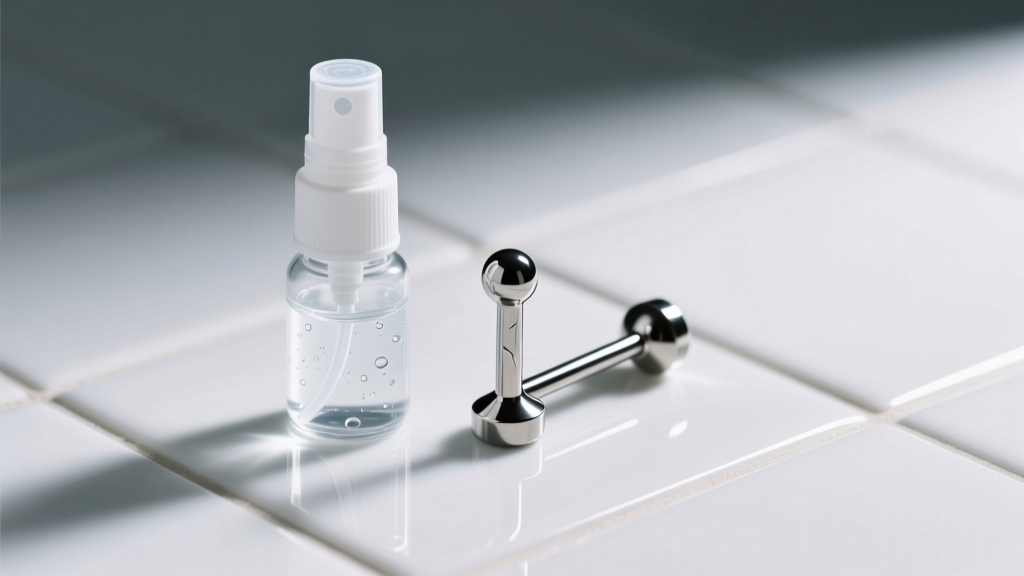
The Science of Intimate Jewelry Hygiene
Maintaining the hygiene of your intimate jewelry requires a fundamentally different approach than cleaning standard fashion accessories. The micro-environments of nipple and genital piercings are characterized by higher moisture levels, increased friction, and a naturally diverse microbiome. When you introduce foreign objects like 14-gauge or 12-gauge barbells and captive bead rings into these areas, the material's surface integrity becomes your first line of defense against irritation and infection.
High-quality intimate jewelry is typically crafted from implant-grade titanium (ASTM F136), niobium, or nickel-free 14k/18k solid gold. These metals rely on a passive oxide layer to remain biocompatible. Harsh chemicals, improper pH levels, and abrasive cleaning tools can compromise this microscopic shield, leading to metal degradation, allergic reactions, or the dreaded "irritation bumps" that plague poorly maintained piercings. Understanding the chemistry of your jewelry is the first step in establishing a foolproof care routine.
Daily Maintenance vs. Deep Sterilization
One of the most common mistakes enthusiasts make is confusing daily sanitization with deep sterilization. Your routine should be split into two distinct protocols depending on whether the jewelry is currently worn in the body or being stored between uses.
The 0.9% Sterile Saline Protocol
For daily maintenance of worn intimate jewelry, the Association of Professional Piercers (APP) strictly recommends using a sterile, 0.9% sodium chloride solution. This isotonic ratio perfectly matches human tears and blood, ensuring that the tissue surrounding your nipple shields or genital rings is not subjected to osmotic stress.
Avoid DIY sea salt soaks at all costs. Kitchen sea salt contains iodine, anti-caking agents, and microscopic impurities that can trigger contact dermatitis in highly sensitive intimate zones. Furthermore, guessing the salt-to-water ratio often results in hypertonic solutions that dehydrate the fistula (the piercing channel), causing micro-tears and delayed healing. Always opt for a pressurized, sterile wound wash like NeilMed Piercing Aftercare, which guarantees an exact 0.9% concentration and a sterile delivery system.
Ultrasonic Cleaners: The Deep Clean Standard
When you remove your intimate jewelry for a deep clean, an ultrasonic cleaner is an invaluable tool. These devices use high-frequency sound waves (typically 40kHz to 45kHz) to create microscopic cavitation bubbles in a liquid bath. When these bubbles collapse against the jewelry, they generate localized shockwaves that blast away sebum, dead skin cells, and hard water deposits from hard-to-reach areas, such as the internal threads of a 1.2mm or 1.6mm threaded barbell.
For optimal results, fill your ultrasonic tank with distilled water and a few drops of pH-neutral, fragrance-free dish soap. Run the cycle for exactly three to five minutes. Any longer, and you risk damaging delicate gemstone inlays or loosening the epoxy on prong-set ends.

Material-Specific Care Protocols
Not all metals react to cleaning agents in the same way. Using the wrong solution can permanently ruin the finish or structural integrity of your pieces. Refer to the compatibility matrix below before applying any chemical to your collection.
| Material Grade | Safe Cleaning Agents | Unsafe Agents | Autoclave Safe? |
|---|---|---|---|
| Implant-Grade Titanium (ASTM F136) | Sterile saline, mild soap, ultrasonic (distilled water) | Bleach, harsh abrasives | Yes (121°C / 30 mins) |
| Niobium (Anodized) | Sterile saline, mild soap, distilled water | Alcohol, peroxide, ultrasonic (can strip color) | Yes (but may shift color) |
| 14k / 18k Solid Gold (Nickel-Free) | Mild soap, specialized jewelry polishing cloths | Chlorine, bleach, abrasive pastes | Yes (if no gemstones) |
| Gemstone Inlays (Opal, Onyx) | Damp microfiber cloth, sterile saline spray | Ultrasonic, alcohol, prolonged soaking | No (heat shatters stones) |
Troubleshooting Common Intimate Jewelry Issues
Even with meticulous care, specific issues can arise due to the unique mechanics of body jewelry. Here is how to troubleshoot the most frequent problems encountered by collectors and wearers.
- Hard Water Spotting on Titanium: If your polished titanium nipple barbells develop cloudy, white spots, this is mineral buildup from tap water. Do not scrape it. Soak the jewelry in a 50/50 mix of distilled water and white vinegar for 10 minutes, then rinse with distilled water and dry immediately with a lint-free microfiber cloth.
- Stripped Internal Threads: Intimate jewelry often features internal threading (where the screw is on the decorative end, and the hole is on the barbell post) to protect the fistula during insertion. However, cross-threading during reassembly after a deep clean can strip the threads. Always align the pin perfectly straight before turning. If you feel resistance, stop immediately. Use a dedicated thread-chasing tool or consult a professional piercer to re-tap the 1.2mm or 1.6mm hole.
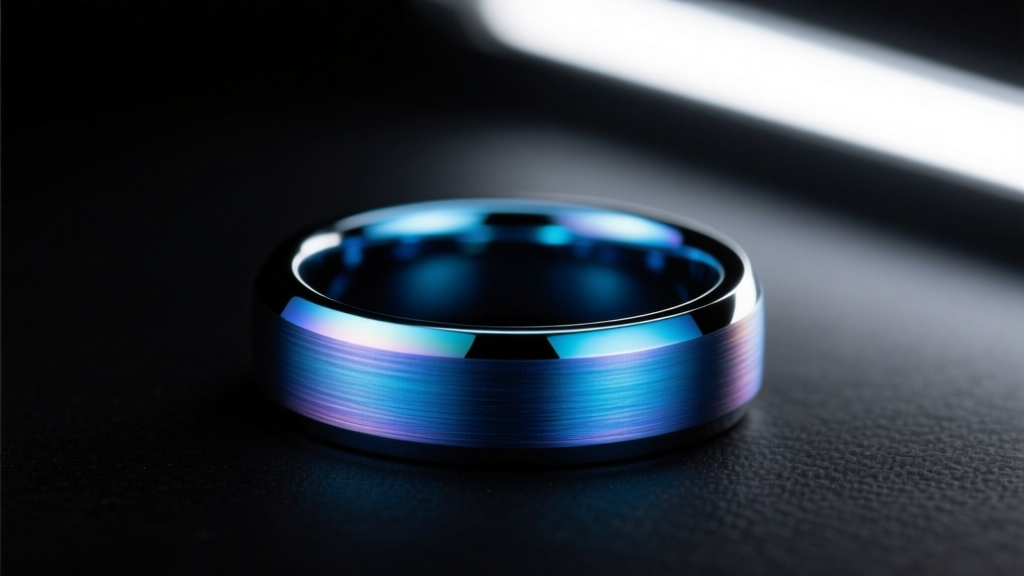
- Fading Anodized Colors: Niobium achieves its vibrant colors through anodization, which alters the thickness of the oxide layer via electricity. If your blue or gold anodized captive bead rings begin to fade or shift to a dull gray, it is usually due to exposure to high-friction environments or acidic body chemistry. While you cannot reverse the fading at home, a professional piercer can easily re-anodize the piece using a rectifier in just a few seconds.
- O-Ring Degradation: Many intimate shields and clickers rely on silicone O-rings to secure components. Over time, exposure to body heat and friction causes these rings to dry out and snap. Replace silicone O-rings every 3 to 6 months, and keep spares in your travel kit.
What to Avoid: The "Never Use" List
The internet is rife with outdated and dangerous aftercare myths. To protect your tissue and your investment, banish the following items from your cleaning arsenal:
Warning: Never use rubbing alcohol, hydrogen peroxide, or antibacterial soaps containing Triclosan on healing or healed intimate piercings. These agents are highly cytotoxic, meaning they kill the fibroblast cells responsible for maintaining healthy tissue, leading to chronic dryness, cracking, and severe irritation.
Additionally, avoid tea tree oil. While often touted as a "natural" remedy for irritation bumps, tea tree oil contains terpenes that are known contact allergens. In the high-friction, warm environment of genital or nipple piercings, undiluted or improperly diluted tea tree oil can cause severe chemical burns and contact dermatitis. Finally, never use ointment or petroleum-based products (like Vaseline or Aquaphor) on your jewelry or piercings. These create an occlusive barrier that traps bacteria and blocks oxygen from reaching the fistula, creating a breeding ground for anaerobic infections.
Storage and Travel Protocols
How you store your intimate jewelry when it is not in use is just as critical as how you clean it. Tossing high-end titanium or gold pieces into a velvet-lined jewelry box invites micro-scratches and tarnish.
For long-term storage, place each individual piece into a small, sterilized glass vial or a dedicated polyethylene zip-lock bag. Include a small silica gel desiccant packet in the container to control humidity and prevent moisture-related oxidation, particularly for gold alloys. If you are traveling, invest in a hard-shell, foam-lined travel case designed specifically for body jewelry. This prevents the heavy posts of 10-gauge or 8-gauge intimate barbells from crushing delicate decorative ends or bending the posts during transit. By treating your intimate jewelry with the same respect you would afford fine horology or precious gemstones, you ensure it remains safe, beautiful, and biocompatible for a lifetime of wear.


