Troubleshooting Female Genital Piercing Jewelry: Sizing & Irritation
Resolve fit and irritation issues with our expert troubleshooting guide to female genital piercing jewelry, covering VCH sizing, materials, and migration.

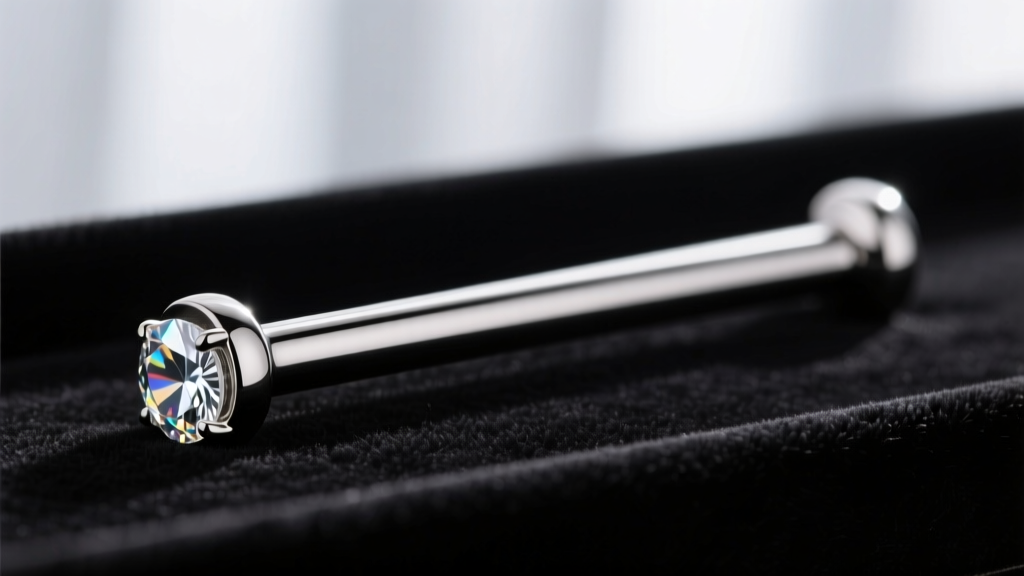
Introduction to Intimate Piercing Troubleshooting
When an intimate piercing becomes irritated, painful, or begins to migrate, the immediate instinct is often to blame the piercing technique or the healing process. However, in the vast majority of settled piercings, the root cause is improper jewelry selection. Female genital piercing jewelry requires a level of anatomical precision that far exceeds standard ear or facial piercings. The tissue in the vulvar region is highly vascular, incredibly sensitive, and subject to constant friction from clothing and movement.
If you are experiencing persistent redness, snagging, embedding, or angle shifts, your jewelry is likely fighting against your unique anatomy rather than complementing it. As we navigate 2026, the professional piercing industry has established rigorous standards for intimate jewelry, moving away from generic, one-size-fits-all pieces toward highly customized, anatomically correct designs. This guide will help you diagnose the most common fit and material issues, providing actionable troubleshooting steps to restore comfort and health to your intimate piercings.
The Most Common Fit Issues in Female Genital Piercing Jewelry
The geometry of female genital piercings varies drastically from person to person. A piece of jewelry that fits perfectly on one individual may cause severe mechanical irritation on another. Understanding the specific requirements of your piercing type is the first step in troubleshooting.
VCH (Vertical Clitoral Hood) Barbell Length
The Vertical Clitoral Hood (VCH) is the most popular intimate piercing, yet it is frequently fitted with incorrect barbell lengths. A standard VCH requires a curved barbell, typically in 14-gauge (1.6mm) or 12-gauge (2.0mm) thickness. The critical measurement is the wearable length—the distance between the two ends.
- The Too-Long Problem: If your curved barbell is 10mm or longer and the piercing is fully healed, the excess metal will protrude. This creates a lever effect, catching on underwear seams and lace, which leads to micro-tears in the fistula and chronic mechanical irritation.
- The Too-Short Problem: Conversely, a barbell that is too short (e.g., 5mm) will compress the hood tissue. This restricts blood flow, causes the ends to embed into the skin, and triggers the dreaded cheese-cutter effect, where the jewelry slowly migrates through the tissue due to constant pressure.
- The Solution: For a fully healed VCH, the ideal barbell length usually falls between 6mm and 8mm. If you are experiencing snagging, downsize the length. If you see indentations or experience pain during arousal (when the hood swells), upsize by 1mm to 2mm.
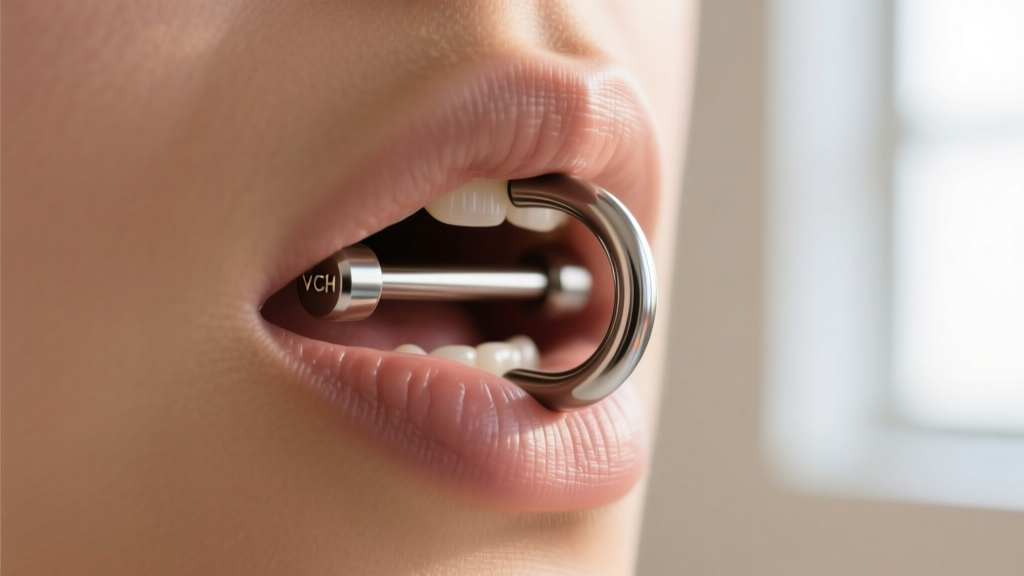
Ring Diameter and Seam Snagging in Triangle and HCH Piercings
Ring-style jewelry, such as Captive Bead Rings (CBRs) or segment rings, is common for Horizontal Clitoral Hood (HCH) and Triangle piercings. The Triangle piercing rests horizontally at the base of the clitoral hood, passing through a thicker, more complex fold of tissue. It demands a larger diameter ring to accommodate the tissue without creating torque.
If a ring diameter is too small, it pulls the piercing channel into an unnatural angle. This tension causes the body to treat the jewelry as a foreign invader, initiating the migration process to expel it. Furthermore, the seam on a standard CBR or the hinge on a clicker can act like a microscopic saw blade if not perfectly machined. According to the Association of Professional Piercers (APP), seamless rings or high-quality clickers with hidden, polished hinges are mandatory for preventing tissue abrasion in these highly sensitive areas.
Material Allergies vs. Mechanical Irritation
One of the most frequent troubleshooting scenarios involves a client presenting with a weeping, itchy, and red piercing channel, assuming it is a late-onset infection. In reality, this is often allergic contact dermatitis disguised as an infection.
Upgrading to Implant-Grade Titanium (ASTM F136)
Many entry-level jewelry pieces are made from 316L surgical steel. While 316L is widely used in medical tools, it contains 8% to 12% nickel to prevent corrosion. As the Mayo Clinic notes regarding nickel allergies, prolonged exposure to nickel in warm, moist environments drastically accelerates allergic reactions and skin sensitization. The vulvar region is exactly this type of environment.
If your piercing is constantly irritated despite proper hygiene and correct sizing, the metal is likely the culprit. The definitive troubleshooting step is upgrading to Implant-Grade Titanium that meets the ASTM F136 standard. This specific alloy is completely nickel-free and biocompatible, meaning the body does not recognize it as a foreign threat. Swapping to ASTM F136 titanium from reputable brands like Anatometal or Industrial Strength resolves chronic redness in the vast majority of allergy-related cases within two to three weeks.
Threadless vs. Internally Threaded Ends
The threading mechanism of your jewelry plays a massive role in tissue health. Externally threaded jewelry—where the screw pattern is on the post that passes through the piercing—acts like a file. Every time you insert or remove the jewelry, those sharp metal threads scrape and tear the delicate fistula.
In 2026, the industry standard for high-end female genital piercing jewelry is either internally threaded (the screw is inside the decorative end) or completely threadless (press-fit). Threadless ends, pioneered by brands like NeoMetal, use a slight bend in the pin to create tension against the inside of the hollow post. This provides a secure fit without any screw threads, allowing for perfectly smooth insertion and removal, eliminating a major source of mechanical trauma.
Troubleshooting Matrix: Symptoms and Jewelry Solutions
Use the following diagnostic matrix to identify your specific issue and apply the correct jewelry-based solution. Always consult with an APP-certified piercer before making drastic changes to your intimate jewelry.
| Symptom | Probable Cause | Jewelry Solution |
|---|---|---|
| Persistent redness, itching, and clear fluid weeping | Nickel allergy from 316L surgical steel or low-grade alloys | Upgrade to ASTM F136 Implant-Grade Titanium with a mirror polish |
| Frequent snagging on lace or cotton underwear | Externally threaded ends, open ring seams, or overly long barbells | Switch to threadless (press-fit) ends or downsize barbell length by 1-2mm |
| Tissue embedding or a 'cheese-cutter' migration effect | Barbell is too short, compressing the tissue and restricting blood flow | Upsize the wearable length of the curved barbell to accommodate tissue swelling |
| Piercing angle shifting or persistent localized pain | Ring diameter is too small, creating torque and unnatural tension on the channel | Increase ring diameter (e.g., from 10mm to 12mm) or switch to a custom curved barbell |
| Bump formation (hypertrophic scarring) at the exit hole | Friction from a poorly polished bead or improper jewelry angle | Replace the bead with a polished titanium threadless end and ensure the barbell curve matches your anatomy |
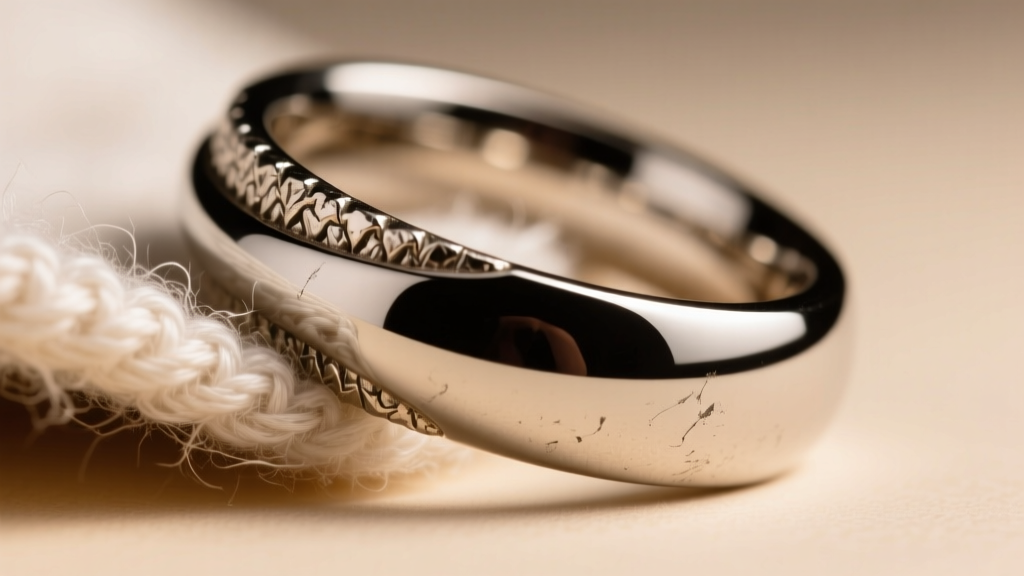
When to Downsize and When to Change Styles Completely
Troubleshooting is not always about making small tweaks; sometimes it requires a complete style change. If you have a Vertical Clitoral Hood piercing that was initially fitted with a Captive Bead Ring (CBR) to accommodate healing swelling, you must eventually transition to a curved barbell. Leaving a ring in a VCH long-term often results in the ring rotating, which drags bacteria from the perineal area upward into the piercing channel, causing recurrent flare-ups.
Conversely, if you have a Fourchette piercing (located at the posterior base of the vaginal opening) that is constantly irritated by a curved barbell, the anatomy may simply not support that specific style. The Fourchette is a shallow, high-movement area. A curved barbell can create pressure points at the entry and exit holes. In these cases, transitioning to a larger diameter CBR or a specialized circular barbell (horseshoe) with perfectly polished, threadless ball ends can relieve the pressure and allow the tissue to finally settle.
Final Thoughts on Anatomical Customization
Troubleshooting female genital piercing jewelry is an exercise in anatomical respect. The vulva is not a monolith; it is a highly individualized landscape of tissue folds, nerve endings, and vascular structures. Off-the-rack jewelry from unverified online retailers rarely accounts for this complexity, leading to the exact irritation and migration issues that drive clients to seek help.
By focusing on exact wearable lengths, upgrading to verified ASTM F136 titanium, eliminating external threading, and ensuring ring diameters do not create torque, you can solve 95% of intimate piercing issues. If you have applied these troubleshooting steps and the piercing remains problematic, seek out a professional piercer who specializes in custom-bent jewelry. In the realm of intimate piercings, the jewelry is not just an accessory; it is the structural foundation of the piercing's long-term health and comfort.


