Belly Button Piercing Without Jewelry: The Naked Navel Trend
Explore the belly button piercing without jewelry trend. Learn about invisible retainers, tissue memory, and how to maintain a bare navel safely.

The 2026 Minimalist Shift: Why Go Bare?
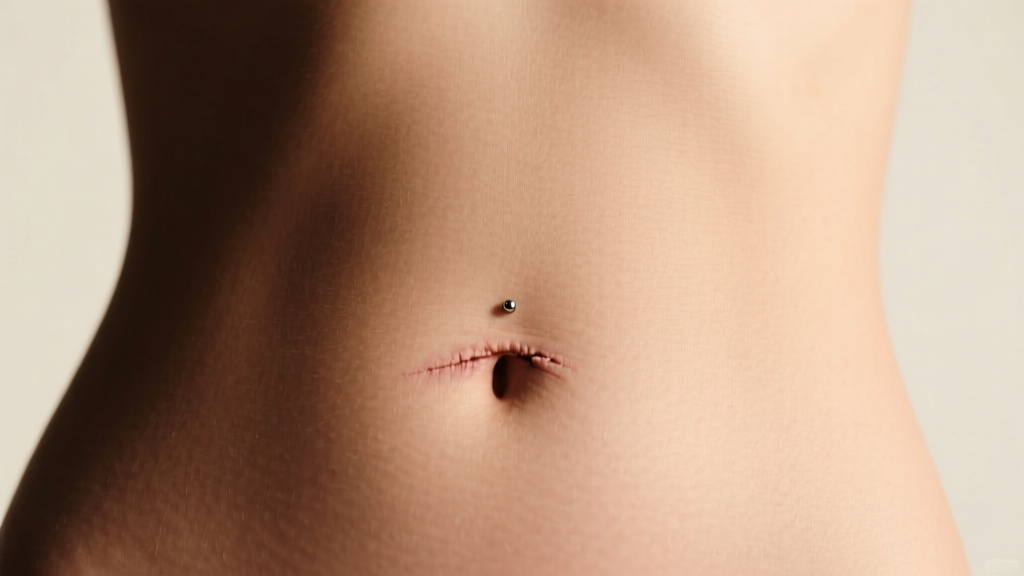
For decades, navel piercings were synonymous with maximalist expression—think heavy Y2K dangling gems, oversized barbells, and glittering acrylics. However, as we navigate the style landscape of 2026, a massive aesthetic pivot has occurred. The modern "clean girl" and minimalist aesthetics have given rise to a highly specific subculture: the belly button piercing without jewelry. This trend isn't about abandoning the piercing; it's about curating a subtle, barely-there look that prioritizes skin texture and natural anatomy over heavy metals.
But how does one maintain a fistula (the piercing tunnel) while achieving the naked navel look? Whether you are an athlete avoiding metal snags, a pregnant individual accommodating a growing midsection, or simply a minimalist preferring the invisible aesthetic, navigating a belly button piercing without jewelry requires a deep understanding of material science, tissue memory, and proper aftercare. Let's break down the mechanics of the "invisible" navel.
Material Science: The "Invisible" Retainers
To keep a piercing open without wearing traditional jewelry, you must use a retainer. However, not all retainers are created equal. The Association of Professional Piercers (APP) strictly warns against using porous or degrading materials in the body. When opting for a belly button piercing without jewelry, the material you choose dictates the health of your fistula.
The Danger of Silicone and BioFlex
Many commercial shops sell soft silicone or BioFlex (a type of flexible PVC) retainers. From an expert perspective, these are highly problematic. Silicone is incredibly porous; it traps dead skin cells, sebum, and bacteria, leading to chronic low-grade infections and foul odors. Furthermore, silicone can degrade, tear, or even melt if exposed to high heat or certain chemical sterilizers. BioFlex, while slightly better, is still a plastic polymer that can warp and harbor bacteria over time. For a truly safe, long-term invisible look, you must upgrade to inert materials.
| Material | Biocompatibility | Flexibility | Average Price Range | Best Use Case |
|---|---|---|---|---|
| Borosilicate Glass | Exceptional (Inert) | Rigid | $18 - $40 | Long-term wear, healed piercings, pregnancy |
| Medical-Grade PTFE | High (ASTM compliant) | Highly Flexible | $10 - $22 | Contact sports, acute pregnancy stretching |
| Silicone | Poor (Porous) | Highly Flexible | $5 - $12 | NOT RECOMMENDED for internal wear |
| BioFlex / PVC | Moderate | Flexible | $8 - $15 | Short-term emergency use only |
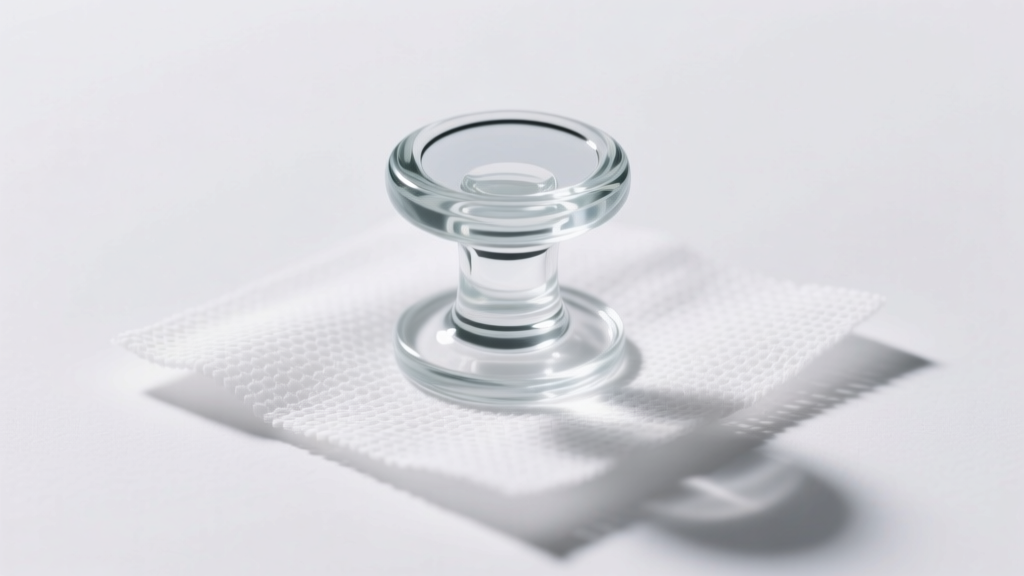
According to the Association of Professional Piercers (APP) Jewelry Guidelines, fused glass and PTFE (Polytetrafluoroethylene) are the premier choices for retainers. Borosilicate glass is completely non-porous, hypoallergenic, and can be autoclaved, making it the gold standard for a belly button piercing without jewelry that demands absolute hygiene.
Tissue Memory: Will Your Piercing Close?
The most common anxiety surrounding the naked navel trend is tissue memory—the body's natural inclination to shrink or close an artificial wound. The fate of your piercing depends entirely on fistula maturation.
A standard navel piercing is performed at 14-gauge (1.6mm). If your piercing is less than a year old, the epithelial tissue lining the fistula is still fragile. Removing the jewelry for even a few hours can result in rapid shrinkage, making reinsertion painful and traumatic to the tissue. However, if your navel piercing is over three years old, the fistula has likely developed a thick, mature layer of epithelial tissue. This "leather-like" tunnel possesses high tissue memory.
While a mature 14g fistula may shrink to the size of a 16g (1.2mm) or 18g (1.0mm) when left completely empty, it will rarely close entirely. To maintain the exact 14g diameter while sporting the invisible look, wearing a flush-fit glass retainer with a flat, skin-toned or clear disc top is the most reliable method. This satisfies the visual requirement of a belly button piercing without jewelry while mechanically holding the fistula open.
The Athlete and Pregnancy Factor
The naked navel trend is heavily driven by functional necessity. For gymnasts, martial artists, and aerial silk performers, metal jewelry is a severe laceration and snag hazard. In these environments, a PTFE retainer is the ultimate compromise. PTFE is flexible enough to bend with the body's movements during intense core compression, yet inert enough to prevent allergic reactions from trapped sweat.
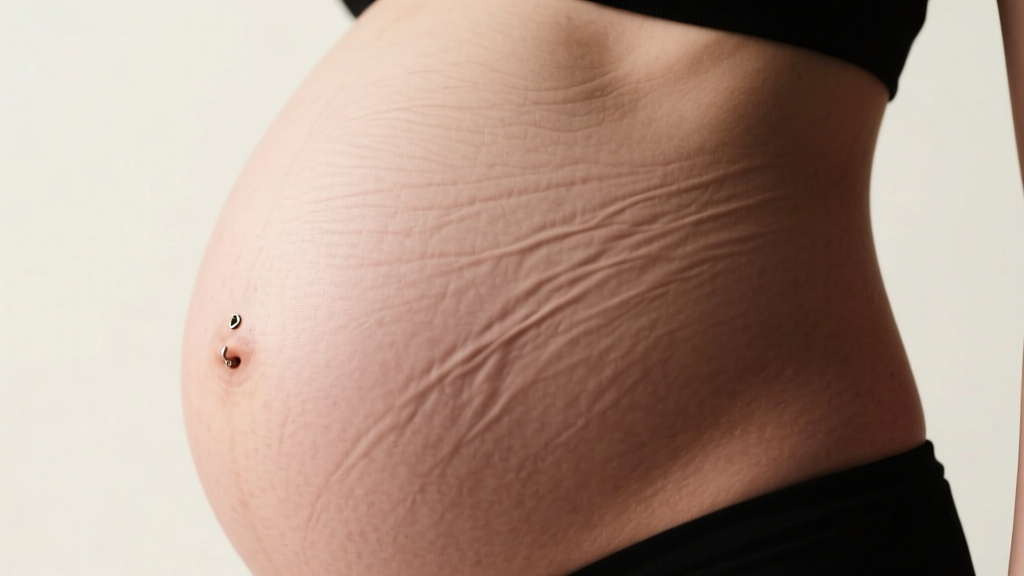
Pregnancy presents a completely different anatomical challenge. As the abdomen expands, a rigid titanium barbell can cause rejection, tearing, or severe scarring. The APP Healing and Closure Guidelines frequently address the necessity of switching to flexible or removable options during gestation. Many expectant mothers choose to wear a curved borosilicate glass retainer, which can be custom-bent by a professional piercer using a specialized torch to accommodate the exact angle of the stretching navel. Others simply remove the jewelry entirely, relying on the fistula's maturity to keep the hole patent until postpartum.
Safe Tapering Techniques for Shrunken Fistulas
If you have embraced the belly button piercing without jewelry lifestyle for a few months and notice the hole has tightened, forcing a 14g retainer back in will cause micro-tears and trigger an immune response (swelling and lymph fluid buildup). Instead, utilize a sterilized steel or acrylic insertion taper.
Expert Protocol: Always use a water-based, sterile lubricant (never petroleum jelly or oil-based products, which trap bacteria in the fistula). Gently guide a 16g taper through the shrunken hole, followed by a 14g taper, before sliding your glass or PTFE retainer into place. If you feel sharp, stinging pain, stop immediately—your tissue is not ready for stretching.
The Visual Illusion: Skin-Tone Anodizing
For those who want the security of implant-grade ASTM F-138 titanium but the visual of a bare navel, the 2026 trend of "camouflage" jewelry has emerged. Expert piercers can now source threadless titanium ends that are PVD-coated or anodized to match specific melanin levels and skin undertones. When seated flush against the navel lip, these micro-discs become virtually invisible to the naked eye, bridging the gap between structural jewelry and the naked aesthetic.
Final Thoughts on the Bare Aesthetic
The desire for a belly button piercing without jewelry is a testament to the evolving nature of body modification. It proves that piercings are no longer just about the ornaments we wear, but about the architectural modification of the body itself. By prioritizing biocompatible materials like borosilicate glass and medical-grade PTFE, and by respecting the biological realities of tissue memory, you can safely maintain your navel piercing while embracing the clean, minimalist aesthetic of the modern era. Always consult with an APP-certified professional piercer to assess your specific fistula health before transitioning to long-term retainer wear.


