Floating Navel Jewelry: Budget vs Premium Value Assessment
Discover if premium floating navel jewelry is worth the investment. We compare budget vs. high-end materials, pricing, and healing value.

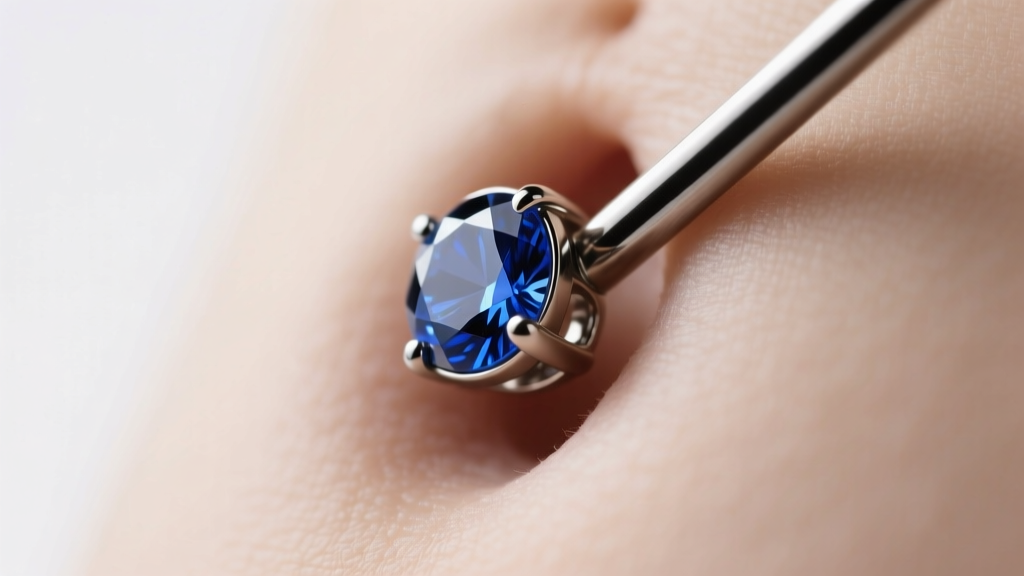
When it comes to shallow navels, top-outie anatomies, or simply achieving a seamless, snag-free look, floating navel jewelry has become the gold standard in body modification. Unlike traditional curved barbells that feature a prominent top ball resting above the piercing hole, a floating navel ring utilizes a flat-top disc or a low-profile bezel-set gem that sits flush against the skin. The bottom gem or dangle then floats inside the navel cavity. But with prices ranging from $12 on fast-fashion marketplaces to over $150 from luxury body jewelers, consumers are left asking: is the premium price tag actually justified?
In this comprehensive value assessment, we break down the engineering, material grades, and long-term biological costs of floating navel jewelry to help you determine where to invest and where you can safely save.
The Anatomy of Floating Navel Jewelry: Why Manufacturing Costs More
To understand the pricing disparity, you must first understand the engineering. A standard curved barbell is a simple, continuous bend with threaded ends. Floating navel jewelry, however, requires specialized ends. The top end must be completely flat or feature a low-profile bezel setting to prevent the "cheese-cutter effect"—a phenomenon where a heavy or protruding top gem slowly migrates through the tissue due to gravity and friction.
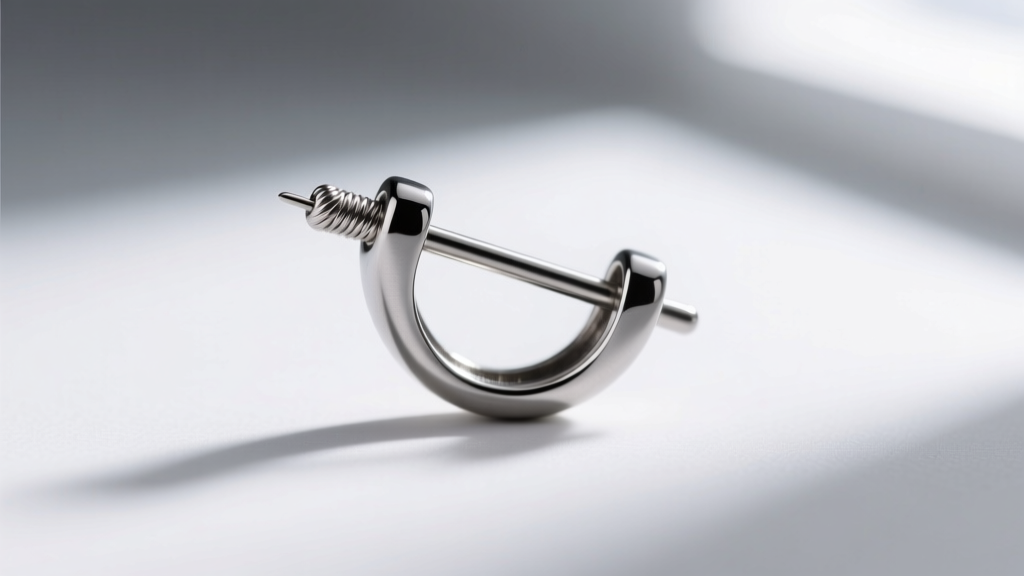
Premium brands utilize threadless (press-fit) or internally threaded connections. This means the threading is on the pin of the decorative end, not the barbell itself. Budget manufacturers almost exclusively use externally threaded bars, where the sharp threads of the barbell must pass through your fistula (the piercing channel) every time you change the jewelry, causing micro-tears and scar tissue buildup.
Budget vs. Premium: Material Grade Breakdown
The most significant value driver in body jewelry is the alloy composition. The Association of Professional Piercers (APP) maintains strict guidelines for biocompatible metals, primarily due to the prevalence of contact dermatitis and nickel allergies.
| Material Grade | Nickel Release | Price Range | Value Verdict |
|---|---|---|---|
| Surgical Steel (316L) | Moderate to High | $10 - $25 | Poor for healing; acceptable only for fully established, non-sensitive piercings. |
| ASTM F136 Titanium | Zero / Trace | $45 - $85 | Exceptional value. The industry standard for safety, longevity, and hypoallergenic wear. |
| Niobium (Anodized) | Zero | $50 - $90 | Great for color variety without PVD coatings, but softer and prone to scratching. |
| Solid 14k / 18k Gold | Zero (if alloyed correctly) | $120 - $250+ | Luxury tier. High upfront cost, but retains intrinsic metal value and heirloom quality. |
While 316L surgical steel is heavily marketed as "hypoallergenic," it contains up to 10-14% nickel. Over time, sweat and body oils can cause the nickel to leach, leading to localized allergic reactions that mimic piercing rejection. Upgrading to ASTM F136 implant-grade titanium is the single highest-value decision you can make for your navel piercing.
The Hidden Costs of Cheap Floating Navel Rings
Buying a $15 floating navel ring from an unverified online marketplace might seem like a bargain, but the biological and financial hidden costs often outweigh the initial savings. Here are the primary failure modes of budget-tier floating jewelry:
1. Gemstone Loss and Prong Snagging
Budget jewelry relies on cheap prong settings to hold cubic zirconia or glass stones. These prongs frequently catch on clothing, towels, and high-waisted jeans. Once a prong bends, the stone falls out, and the sharp metal edge lacerates the delicate navel tissue. Premium brands use bezel settings or PVD-coated micro-prongs that are polished flush, eliminating the snag hazard entirely.
2. The Galvanic Reaction
When cheap alloys mix with the saline environment of a healing navel, a mild galvanic reaction can occur, leading to gray or black discoloration of the skin surrounding the piercing hole. This is often misdiagnosed as an infection but is actually localized argyria or metal staining. According to dermatological resources like the Cleveland Clinic, prolonged exposure to cheap mixed metals is a leading cause of acquired contact dermatitis.
3. Barbell Bowing and Migration
Floating navel jewelry must maintain a rigid, straight posture to sit flush. Budget manufacturers often use thinner, lower-grade steel that can subtly bow or warp under the pressure of waistbands. This warping changes the angle of the jewelry, putting uneven pressure on the fistula and encouraging the body to reject the piercing.
Price Tier Analysis: What You Actually Get
To help you budget effectively, we have categorized the floating navel jewelry market into three distinct tiers based on 2026 market pricing:
- The Fast-Fashion Tier ($10 - $25): Externally threaded, 316L steel or mystery alloys, acrylic gems, glued-in settings. Value Assessment: Avoid entirely. The cost of treating a resulting infection or buying scar-reduction serums will far exceed the price of premium jewelry.
- The Professional Studio Tier ($45 - $85): Internally threaded or threadless ASTM F136 titanium, genuine Swarovski or high-grade CZ stones, bezel settings, mirror-polished finishes. Value Assessment: The sweet spot. This tier offers 95% of the functional and biological benefits of luxury jewelry at a fraction of the cost.
- The Luxury / Custom Tier ($120 - $300+): Solid 14k/18k gold, genuine diamonds or sapphires, custom-machined threadless ends, artisan designs. Value Assessment: Justified for jewelry enthusiasts, collectors, or those with extreme metal sensitivities who require the absolute highest purity.

How to Spot Authentic Implant-Grade Titanium on a Budget
Because titanium has become a major selling point, many disreputable sellers slap the word "titanium" on cheap steel alloys. Here is how you can verify the value of your purchase:
Pro Tip: Authentic ASTM F136 titanium is non-magnetic. If your floating navel barbell sticks to a neodymium magnet, it contains ferrous metals and is not pure implant-grade titanium. Furthermore, real titanium can be anodized using a simple electrical circuit to create vibrant, permanent colors without the use of toxic paints or plating that can flake off inside your body.
Always look for the ASTM F136 or ASTM F1295 designations on the product page. If the listing simply says "surgical titanium" or "titanium plated," walk away. Titanium plating wears off within months, exposing the base metal to your tissue.
Final Verdict: Where to Invest and Where to Save
When assessing the budget versus premium debate for floating navel jewelry, the value proposition heavily favors the mid-tier professional market. You do not need to spend $200 on solid gold to achieve a safe, beautiful, and long-lasting piercing. However, you absolutely must spend the $50 to $80 required to secure an internally threaded or threadless ASTM F136 titanium barbell with a bezel-set stone.
By avoiding the false economy of externally threaded, high-nickel budget jewelry, you protect your anatomy from migration, allergic reactions, and scarring. In the realm of body modification, your tissue is the true canvas—investing in the correct materials is the ultimate form of value.


