Mastering the 13 Necklace: Choker Fit, Gauges, and Tension
Master the 13 necklace fit with our technical guide to choker lengths, chain gauges, clasp tension, and neck anatomy for perfect, comfortable styling.

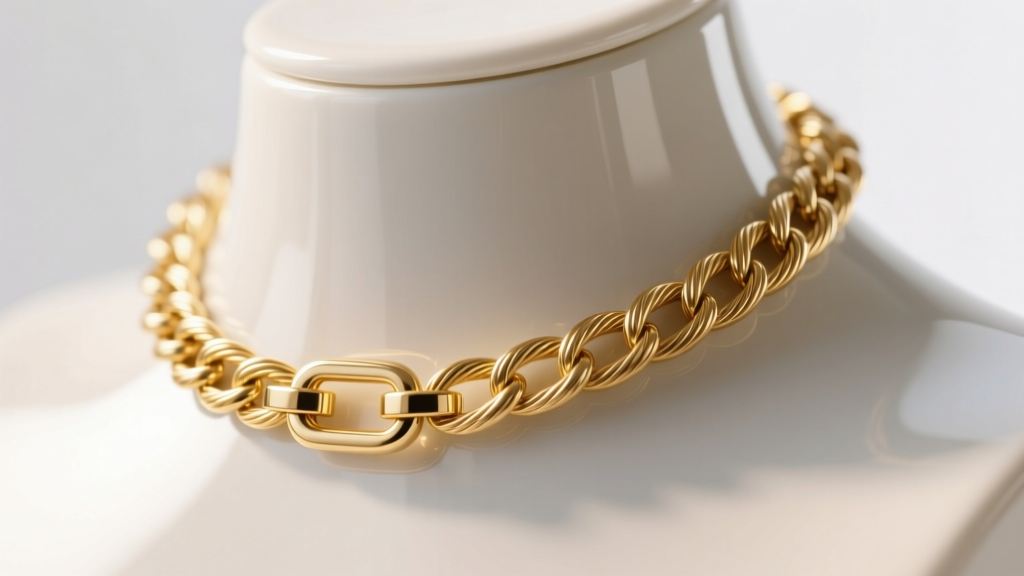
The Anatomy of a 13 Necklace: Beyond the Tape Measure
In the specialized lexicon of jewelry fabrication and styling, the term 13 necklace almost universally refers to a chain or strand with a 13-inch drop. This specific measurement categorizes the piece as a true choker or collar, sitting high on the neck just below the larynx. However, engineering a comfortable and structurally sound 13-inch necklace requires a deep understanding of human anatomy, kinetic stress, and metallurgical tolerances. Unlike longer chains that hang freely and experience pendulum-like kinetic energy, a 13-inch chain wraps tightly around the cervical region, subjecting the links, solder joints, and clasp to continuous torsional and lateral strain.
The average adult female neck circumference ranges from 14 to 15 inches. Therefore, a true 13-inch chain will act as a restrictive collar unless the wearer has a particularly slender neck or the design incorporates an extender. Expert jewelers and custom fabricators approach the 13 necklace not merely as a shortened standard chain, but as a distinct structural category. The proximity to the sternocleidomastoid and trapezius muscles means the chain must articulate fluidly without binding, digging into the skin, or suffering from accelerated metal fatigue at the nape of the neck.
Chain Gauges and Structural Integrity at 13 Inches
When selecting or manufacturing a 13 necklace, the chain gauge (thickness) dictates both the drape and the tensile resilience of the piece. Because short chains do not swing, they do not require the heavy counterweights of longer pendants. However, they are subjected to severe twisting when the wearer turns their head. A chain that is too thin (below 0.9mm) risks kinking and permanent deformation, while a chain that is too thick (above 3.5mm) will feel rigid, fail to articulate around the cervical spine, and cause physical discomfort.
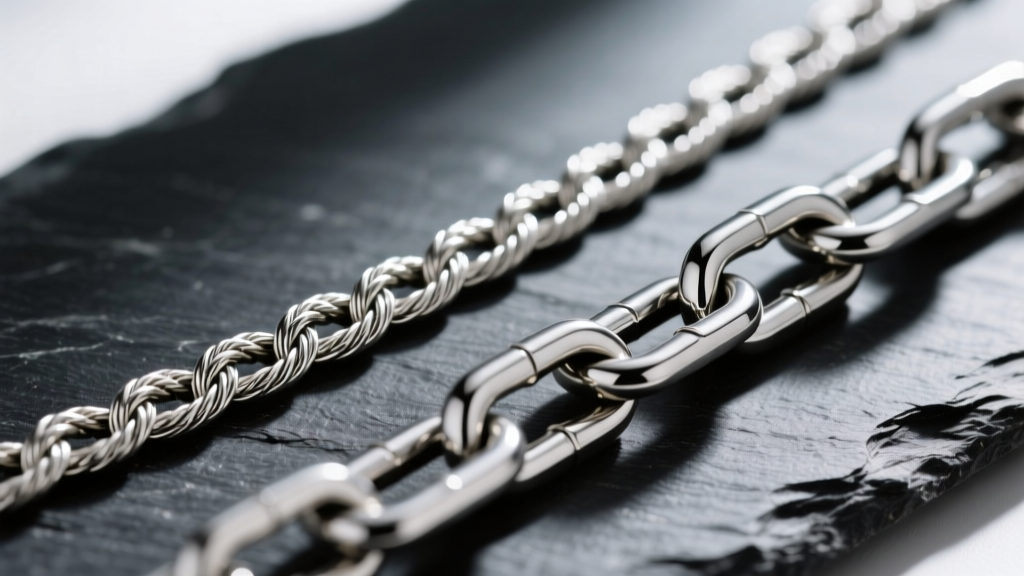
To understand the mechanical behavior of different weaves at the 13-inch length, we must analyze the link geometry. Cable chains offer excellent multidirectional flexibility but are prone to catching on fine hairs or textiles. Curb and Figaro chains lay flat against the skin, distributing pressure over a wider surface area, which is highly desirable for tight-fitting chokers. Rope chains, while visually striking, possess deep grooves that can trap skin oils and debris, requiring more rigorous ultrasonic cleaning protocols.
| Gauge (mm) | Link Style | Tensile Strength | Articulation & Drape | Best Application |
|---|---|---|---|---|
| 0.8 - 1.2 | Cable / Box | Low (3-5 lbs) | High, but prone to kinking | Lightweight solo chokers, layering bases |
| 1.5 - 2.2 | Curb / Figaro | Medium (8-12 lbs) | Moderate, lays flat | Everyday 13 necklace, small pendant carriers |
| 2.5 - 3.5 | Mariner / Cuban | High (15-25 lbs) | Low, rigid collar effect | Statement collars, heavy structural chokers |
| 4.0+ | Wheat / Rope | Very High (30+ lbs) | Very Low, requires custom hinging | Architectural neckpieces, rigid torque styles |
Clasp Engineering and Lateral Tension
The clasp is the most critical failure point on any 13 necklace. On a 24-inch chain, the clasp rests at the nape of the neck and experiences minimal movement. On a 13-inch choker, the clasp is often pulled laterally when the wearer looks over their shoulder, or compressed when the neck flexes forward. Standard 5mm spring ring clasps are entirely inadequate for this application; their internal tension springs frequently fail under lateral torque, and the small jump rings can warp, leading to accidental unfastening.
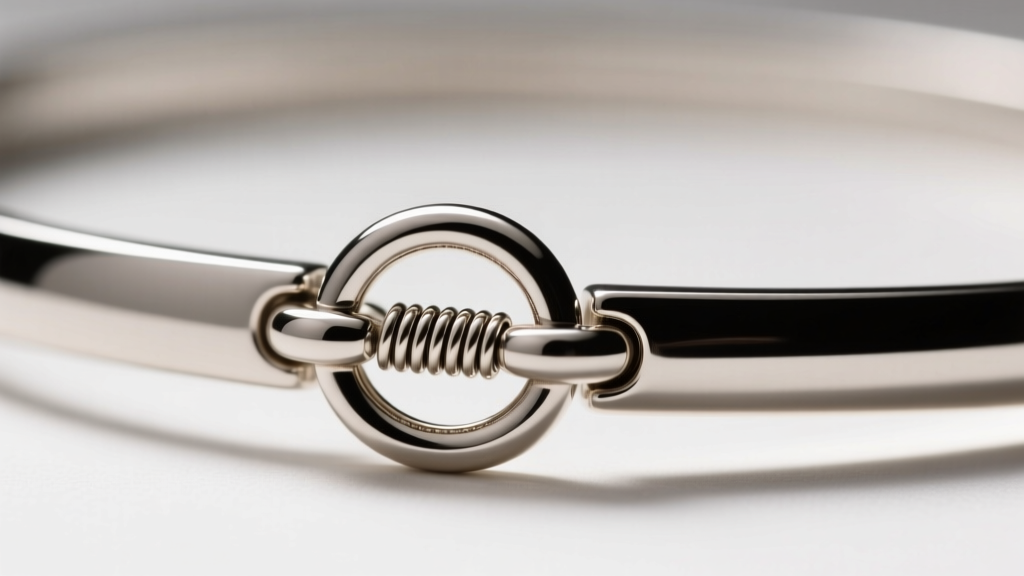
For a secure 13-inch drop, master jewelers mandate the use of heavy-duty lobster clasps (minimum 7mm to 9mm) or precision-engineered box clasps with dual safety latches. According to manufacturing standards outlined by industry suppliers like Rio Grande, the jump ring connecting the clasp to the chain must be soldered closed or feature a heavy-gauge split ring design. An unsoldered, thin-gauge jump ring will inevitably gap open under the repetitive torsional stress inherent to a tight choker fit.
The Extender Chain Imperative
Given the anatomical variance in neck circumference, a professionally finished 13 necklace should almost always incorporate a 1.5-inch to 2-inch extender chain. This not only accommodates slight weight fluctuations and seasonal swelling but also allows the wearer to adjust the drape based on the neckline of their garment. The extender should be crafted from the same gauge and alloy as the primary chain to prevent galvanic corrosion and ensure uniform wear rates.
Material Fatigue and Work Hardening
The metallurgical properties of the chosen alloy play a massive role in the longevity of a 13 necklace. Sterling silver (Ag925) is highly malleable and prone to work hardening—a phenomenon where the metal becomes brittle and rigid after repeated bending and flexing. A sterling silver choker worn daily will eventually develop micro-fractures at the solder joints and link intersections, particularly at the center-back link that rests against the cervical vertebrae.
To mitigate this, expert fabricators often recommend 14k or 18k gold for 13-inch chokers intended for daily wear. The alloying metals (such as copper, zinc, and silver in gold alloys) provide superior tensile memory, allowing the chain to flex and return to its original shape without accumulating structural fatigue. Platinum is another exceptional choice due to its density and resistance to metal loss, though its high weight can cause a 13-inch platinum chain to feel overly restrictive and heavy on the collarbone.
- Sterling Silver (Ag925): Requires periodic annealing by a jeweler to relieve internal stresses and prevent snapping.
- 14k Yellow Gold: Offers the optimal balance of malleability, tensile strength, and skin comfort for tight chokers.
- Platinum (Pt950): Extremely durable but heavy; best reserved for wider, hinged collar designs rather than flexible link chains.
- Titanium (Grade 5): Hypoallergenic and incredibly strong, but difficult to resize or solder if a link fails.
Sourcing and Custom Fabrication Tolerances
When commissioning or sourcing a 13 necklace, precision is paramount. A variance of even 0.25 inches can change the piece from a comfortable choker to a choking hazard. Reputable manufacturers utilize laser-calibrated measuring jigs to ensure the exact drop length, factoring in the length of the clasp assembly. As highlighted in metallurgical and gemological research from the Gemological Institute of America (GIA), understanding the exact alloy composition and finishing techniques is vital, as harsh chemical polishes can weaken the superficial layers of fine chains.
For bespoke commissions, always specify the wearable length rather than just the chain length. The wearable length includes the clasp and any decorative end caps. Furthermore, request that the chain undergo a 'tumble and polish' finishing process, which not only work-hardens the links to an optimal degree for structural integrity but also smooths out any microscopic burrs that could irritate the sensitive skin of the neck. By treating the 13 necklace as a feat of micro-engineering rather than a simple accessory, jewelers can deliver pieces that are as enduring as they are elegantly styled.


