Beginner's Guide to Choosing and Styling a Pepper Necklace
Discover how to choose, style, and care for a pepper necklace. Learn about materials, cultural meanings, and layering tips in this beginner guide.

What Exactly is a Pepper Necklace?
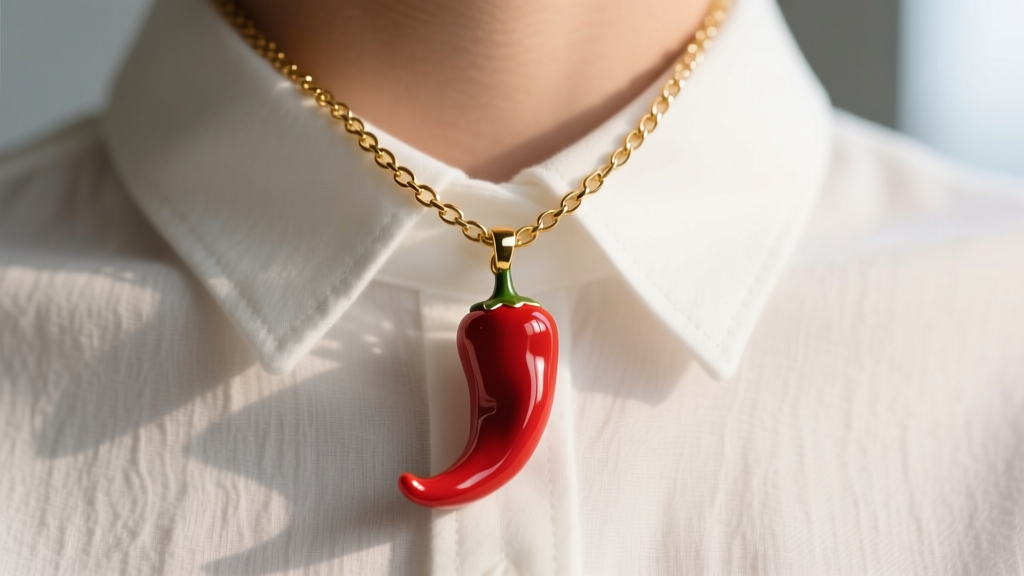
When jewelry enthusiasts and stylists refer to a pepper necklace, they are rarely talking about literal dried peppercorns strung on a wire. Instead, this term almost exclusively describes a pendant necklace featuring a chili pepper motif. In 2026, the pepper pendant has evolved from a quirky, novelty foodie accessory into a sophisticated staple of modern jewelry boxes, bridging the gap between playful self-expression and deep-rooted cultural heritage.
The design typically features a curved, tapered chili pepper—often a cayenne or jalapeño silhouette—suspended from a delicate chain. While some artisans do craft bohemian-style necklaces using actual preserved black or pink peppercorns sealed in resin, the metal and enamel chili pepper pendant dominates the fine and demi-fine jewelry markets. Understanding the nuances of this motif, from its metallurgical construction to its cultural symbolism, is essential for making a smart, lasting purchase.
Material Breakdown: Choosing the Right Metal and Finish
The longevity and price of your pepper necklace depend entirely on its material composition. Many beginners make the mistake of buying cheap brass alloys plated with a microscopic layer of gold, only to experience severe tarnishing and skin discoloration within weeks. Here is a detailed breakdown of what to look for when shopping for demi-fine and fine jewelry.
| Material Type | Composition & Standards | Durability & Lifespan | Average Price Range |
|---|---|---|---|
| Sterling Silver (925) | 92.5% pure silver, 7.5% copper. Must be stamped '925'. | High. Can tarnish but is easily polished. Lasts a lifetime. | $45 - $90 |
| Gold Vermeil | Sterling silver base plated with at least 2.5 microns of 10k+ gold. | Medium-High. Will eventually wear down to silver after 2-5 years of daily use. | $70 - $150 |
| Gold Plated (Brass) | Brass or copper base with a thin (<0.5 microns) gold flash. | Low. Prone to rapid tarnishing, chipping, and causing green skin. | $20 - $45 |
| Solid 14k Gold | 58.5% pure gold alloyed with metals like zinc or silver for strength. | Exceptional. Waterproof, sweatproof, and will never tarnish or fade. | $250 - $600+ |
According to the Federal Trade Commission's Jewelry Guides, the term "vermeil" is strictly regulated. If a brand claims a piece is gold vermeil, it must have a sterling silver base and a gold plating of at least 2.5 microns thick. Anything less is simply gold-plated and will not withstand daily friction.
The Enamel Factor: Cold vs. Vitreous
Many pepper necklaces feature vibrant red or green enamel to mimic the look of a real chili. As a beginner, you must know the difference between the two primary enamel techniques used in jewelry manufacturing:
- Cold Enamel (Epoxy Resin): This is essentially a hardened, pigmented resin poured into the metal recesses. It is cheaper to produce but highly susceptible to scratching, yellowing from UV exposure, and chipping if dropped.
- Vitreous Enamel (Fired Glass): This traditional technique involves fusing powdered glass to the metal at temperatures exceeding 1,400°F (760°C). The result is a brilliant, scratch-resistant, and permanent glass finish. The Gemological Institute of America (GIA) notes that vitreous enamel has been used for centuries precisely because of its archival durability. Always opt for vitreous enamel if your budget allows.
The Cultural Significance: More Than Just a Fun Pendant
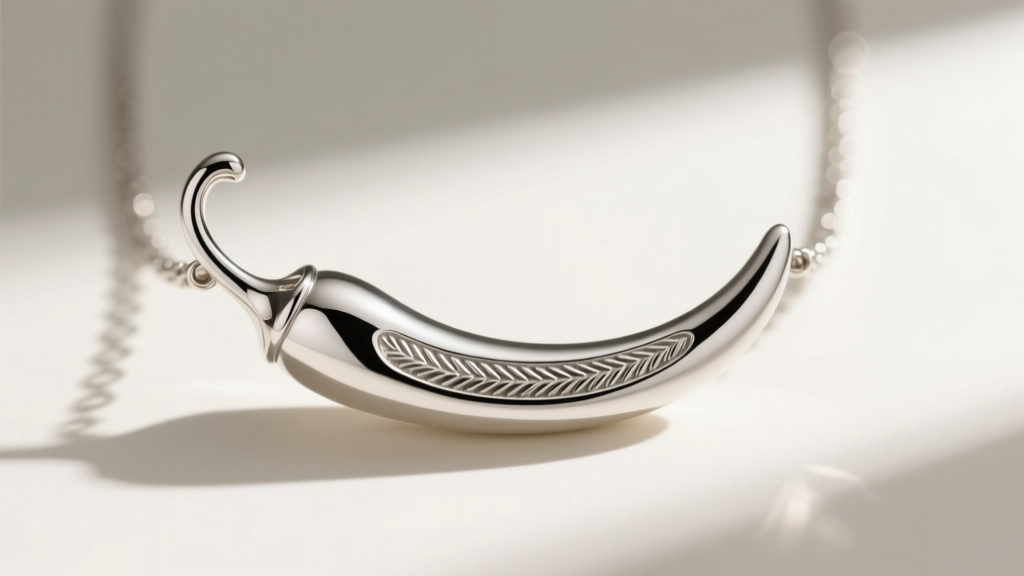
While a pepper necklace might look like a simple nod to culinary spice, its roots in Mediterranean culture are profound. In Italian folklore, the peperoncino (chili pepper) is closely related to the cornicello (the horn amulet). Both are traditional talismans used to ward off the malocchio, or the "evil eye"—a curse believed to be cast by a malevolent glare born of envy.
"Wearing a red pepper or horn amulet is not just a fashion statement in Southern Italy; it is a deeply ingrained cultural shield meant to attract good fortune and deflect negative energy from the wearer."
When you gift a pepper necklace, you are implicitly gifting a charm for luck, vitality, and protection. This rich backstory elevates the piece from a mere accessory to a meaningful conversation starter, making it an excellent gift for graduations, new jobs, or travels.
How to Style and Layer Your Pepper Necklace
The chili pepper pendant is inherently asymmetrical and curved, which makes it a fantastic anchor piece for layered necklace stacks. However, improper layering leads to a tangled, cluttered mess. In 2026, the prevailing styling rule is the Two-Inch Drop Framework.
The Two-Inch Drop Framework
To ensure each piece in your stack is visible and to minimize chain tangling, each subsequent necklace must be exactly two inches longer than the one above it.
- Layer 1 (The Choker): 16-inch chain. Use a simple, textured chain like a 1.5mm wheat or rolo chain without a pendant. This frames the collarbone.
- Layer 2 (The Anchor): 18-inch chain. This is where your pepper necklace lives. An 18-inch length allows the pendant to rest perfectly in the hollow of the throat or just above the sternum, depending on your neckline.
- Layer 3 (The Elongator): 20-inch or 22-inch chain. Use a delicate cable chain with a small, subtle geometric charm (like a tiny gold disc or a solitary diamond) to draw the eye downward and elongate the torso.
Choosing the Right Chain Gauge and Type
The chain you select for your pepper pendant is just as critical as the pendant itself. Avoid ultra-thename="" alt="Flat lay of three layered necklaces with a 16-inch choker, an 18-inch pepper pendant, and a 20-inch cable chain on dark slate.">
Care and Maintenance: Preventing Tarnish and Damage
Proper maintenance ensures your pepper necklace retains its luster and structural integrity. The care routine changes drastically depending on whether your piece features enamel or bare metal.
- Never Use Ultrasonic Cleaners on Enamel: The high-frequency vibrations of an ultrasonic jewelry cleaner can cause microscopic fractures in both cold and vitreous enamel, eventually leading to the glass or resin popping out of the metal bezel.
- The Polish Cloth Method: For sterling silver pepper necklaces, use a treated silver polishing cloth (like a Sunshine cloth) once a month. Rub gently in a back-and-forth motion, not in circles, to avoid grinding tarnish into the metal's microscopic pores.
- The "Last On, First Off" Rule: Perfumes, hairsprays, and lotions contain alcohols and chemicals that can degrade cold enamel and accelerate the tarnishing of silver. Always put your necklace on after your beauty routine is complete, and take it off immediately upon returning home.
- Storage: Store your necklace in an anti-tarnish ziplock bag with a silica gel packet. Leaving silver exposed to ambient humidity and sulfur in the air is the primary cause of rapid blackening.
Where to Buy: Navigating the Market
When shopping for a pepper necklace, avoid fast-fashion retailers if you want a piece that lasts. Instead, look for independent jewelers on platforms like Etsy who specialize in vitreous enamel work, or established demi-fine brands that transparently list their metal weights and plating micron counts.
Expect to pay between $60 and $120 for a high-quality sterling silver and vitreous enamel piece. If you are investing in solid 14k gold, prices will start around $300 and scale upward based on the gram weight of the chain and pendant. By prioritizing material transparency and proper chain engineering, your pepper necklace will remain a vibrant, lucky staple in your wardrobe for decades to come.


