14 Inch Choker Necklace Materials: Durability and Skin Guide
Discover the best metals and materials for a 14 inch choker necklace. Compare durability, skin safety, and tarnish resistance for daily wear.

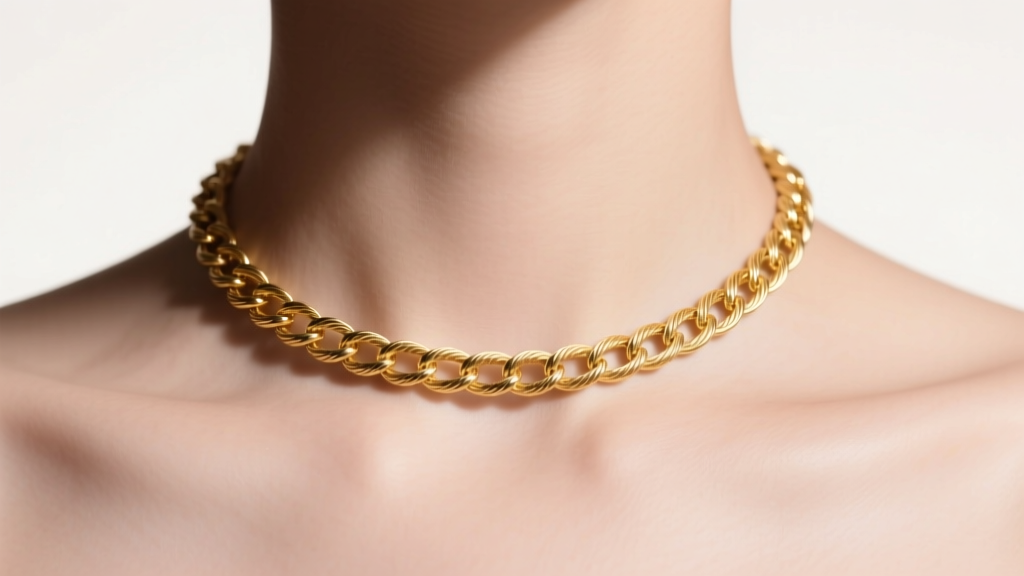
When selecting a 14 inch choker necklace, the design and aesthetic are only half the equation. Because a 14-inch length sits snugly against the base of the neck—a high-friction, high-moisture pulse point—the material you choose dictates the piece's longevity, comfort, and biocompatibility. A material that performs flawlessly in a 20-inch princess chain can cause severe irritation or rapid degradation when worn tightly as a choker. This guide breaks down the metallurgical and organic properties of choker materials to help you make an informed, skin-safe investment.
The Biomechanics of a 14 Inch Choker Necklace
The base of the neck is uniquely hostile to jewelry. It is densely packed with eccrine sweat glands and constantly exposed to sebum (body oils), perfumes, and friction from clothing collars. Furthermore, a 14-inch chain experiences higher tensile stress than longer necklaces. If caught, the lack of slack transfers the kinetic force directly to the clasp and links, demanding higher structural integrity. Therefore, the ideal material must possess high tensile strength, corrosion resistance, and hypoallergenic properties.
Precious Metals: Gold, Platinum, and Silver Graded
Precious metals remain the gold standard for fine jewelry, but their alloy compositions drastically alter their performance as a tight-fitting choker.
Solid Gold: 14k vs. 18k
According to the Gemological Institute of America (GIA), pure 24k gold is too soft for daily wear. For a 14 inch choker necklace, 14k gold (58.5% pure gold) is vastly superior to 18k gold. The higher proportion of alloyed metals (usually copper and zinc) in 14k gold increases its Vickers hardness, making it highly resistant to the micro-scratches and link deformation caused by collar friction. However, if you have copper sensitivities, the copper content in yellow or rose 14k gold can cause localized contact dermatitis when trapped against sweaty skin.
Sterling Silver and the Tarnish Trap
Standard .925 sterling silver contains 7.5% copper. When worn tightly against the neck, the copper reacts with sulfur and chlorides in human sweat, accelerating the formation of silver sulfide (tarnish). This not only degrades the chain but can leave a harmless but unsightly black or green residue on the collarbone. If you prefer silver, opt for rhodium-plated sterling silver or Argentium silver, which replaces some copper with germanium to drastically boost tarnish resistance.
Platinum: The Hypoallergenic Heavyweight
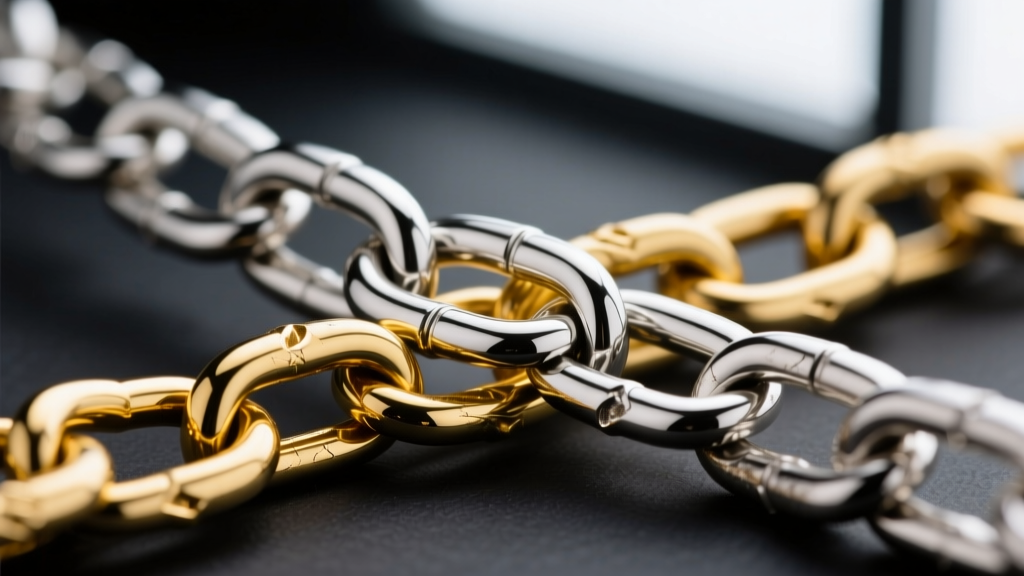
Platinum (usually 95% pure, alloyed with ruthenium or iridium) is naturally white, incredibly dense, and completely hypoallergenic. It will not react with sweat or cosmetics. The primary drawback of a platinum 14 inch choker necklace is its weight and cost. A 2.0mm platinum cable chain at 14 inches can weigh upwards of 15 grams, which some wearers find fatiguing on the nape of the neck compared to a 4-gram gold equivalent.
Alternative Metals: Titanium, Steel, and Niobium
For those seeking extreme durability, waterproof performance, and lower price points, alternative metals offer compelling advantages, provided you understand their specific grades.
Implant-Grade Titanium (ASTM F136)
Titanium is the ultimate material for sensitive skin. However, you must look for ASTM F136 implant-grade titanium, not commercial-grade titanium. Implant-grade is strictly regulated to ensure zero nickel content and a highly polished surface finish that resists bacterial adhesion. It is entirely impervious to sweat, pool chlorine, and salt water, making it the undisputed champion for active wearers.
Surgical Steel (316L) vs. Titanium
While often marketed as 'hypoallergenic,' 316L surgical steel contains roughly 10-14% nickel. As noted by the Mayo Clinic's dermatology guidelines on nickel allergies, prolonged contact with nickel-containing alloys in high-sweat areas is a primary trigger for allergic contact dermatitis. For a snug choker, 316L steel is a risk for the 15% of the population with nickel sensitivities. Always default to titanium if allergies are a concern.
| Material | Vickers Hardness (HV) | Nickel Content | Avg. Price Range (14-inch, 2mm) | Sweat Resistance |
|---|---|---|---|---|
| 14k Yellow Gold | 135 - 150 | None (usually) | $250 - $450 | Moderate |
| Platinum 950 | 120 - 140 | None | $800 - $1,500+ | Excellent |
| 316L Surgical Steel | 200 - 220 | 10% - 14% | $25 - $60 | High (but allergenic) |
| ASTM F136 Titanium | 310 - 350 | 0% | $40 - $90 | Flawless |
| .925 Sterling Silver | 60 - 70 | None (usually) | $40 - $120 | Poor (tarnishes) |
Non-Metal Materials: Velvet, Leather, and Silicone
Fabric and organic chokers offer a distinct aesthetic but require rigorous maintenance due to their porous nature.
Velvet and Silk Ribbons
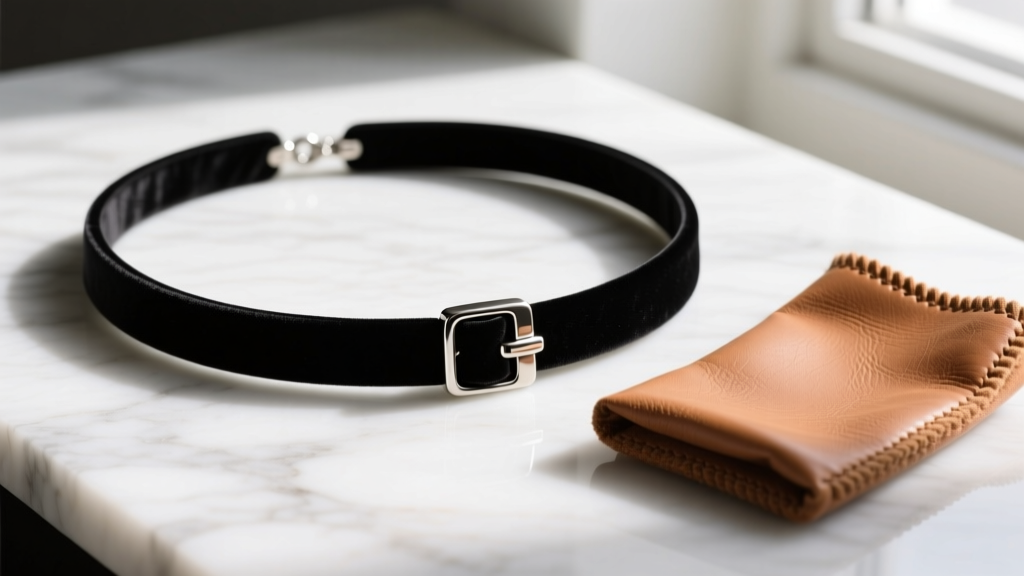
A classic velvet 14 inch choker necklace absorbs sebum, dead skin cells, and perfume oils rapidly. Over time, this creates a breeding ground for bacteria and causes the fabric to stiffen and degrade. Velvet cannot be washed in a machine; it requires gentle surface cleaning with a specialized fabric foam. Silk is slightly more durable but will permanently water-spot if exposed to heavy perspiration.
Leather and Silicone
Genuine leather chokers break down when exposed to the acidity of human sweat (which typically has a pH between 4.5 and 7.0). The acids strip the leather's natural tanning oils, leading to dry rot and snapping. If you choose leather, condition it monthly with a beeswax-based sealant. Conversely, medical-grade silicone is completely inert, waterproof, and highly flexible, making it an excellent, modern alternative for athletic wear, though it lacks the formal drape of metal or velvet.
Hardware and Clasp Failure Modes
The chain is only as strong as its clasp. On a 14-inch necklace, the clasp rests at the nape of the neck, enduring constant tension and friction against hair and skin.
- Spring Ring Clasps: Common on cheap chains. The internal spring mechanism easily corrodes when exposed to sweat, leading to a clasp that sticks open or fails to close. Avoid these for daily-wear chokers.
- Lobster Clasps: Far superior. A solid cast lobster clasp provides a secure, self-closing mechanism that resists tensile pulling.
- Magnetic Clasps: Convenient for accessibility, but neodymium magnets can corrode if their protective plating chips. They also pose a severe risk of catching and pulling out fine hair at the nape of the neck.
Care and Maintenance Framework
To maximize the lifespan of your 14 inch choker necklace, adopt the 'Last On, First Off' rule. Always put your choker on after applying perfumes, hairsprays, and lotions, as the alcohol and volatile organic compounds in these cosmetics can degrade metal finishes and dissolve fabric dyes. Remove it first when you begin your evening routine. For metal chains, a weekly soak in warm water with a few drops of mild, phosphate-free dish soap, followed by a gentle brush with a baby-hair toothbrush, will remove the invisible layer of sebum that accelerates tarnish and dulls precious metals.
Expert Tip: If you wear a sterling silver or 14k gold choker daily, store it in an anti-tarnish cloth pouch with a silica gel packet. The micro-climate of the neck transfers significant moisture to the metal; storing it wet in a standard jewelry box guarantees rapid oxidation.
Conclusion
Choosing the right material for a 14 inch choker necklace requires balancing your lifestyle, skin chemistry, and budget. For lifelong, waterproof durability without allergy risks, ASTM F136 Titanium is unmatched. For traditional luxury and heirloom value, 14k gold or Platinum 950 offer the best structural integrity. By understanding the specific biomechanical and chemical challenges of the neck environment, you can select a choker that remains as comfortable and brilliant on day 1,000 as it was on day one.


