14kt Rosary Necklace Value: 2026 Pricing & Buying Guide
Assess the true value of a 14kt rosary necklace in 2026. Compare solid gold pricing, weight metrics, and alternatives for a smart jewelry investment.

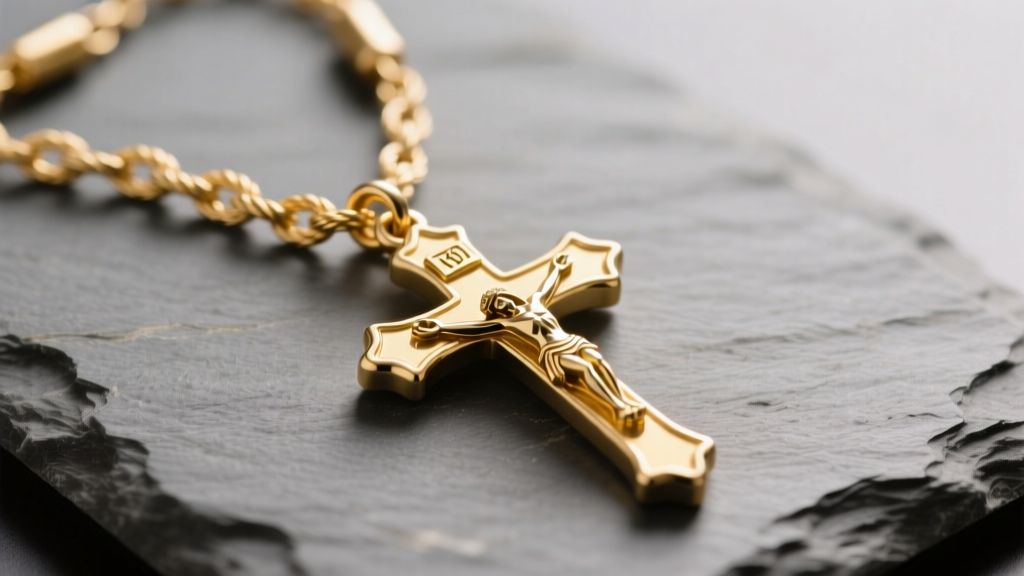
When investing in religious jewelry, a 14kt rosary necklace stands out as one of the most meaningful and enduring purchases you can make. Unlike fashion jewelry that tarnishes and fades, a solid 14-karat gold rosary is designed to be a lifelong companion and a multi-generational heirloom. However, with gold prices reaching historic highs in 2026, navigating the market requires a sharp eye for value, material integrity, and craftsmanship. Whether you are buying a first communion gift, a wedding day accessory, or a personal devotional tool, understanding the financial and structural metrics of a 14kt rosary necklace is essential to ensure you are paying a fair price for genuine quality.
The True Cost of a 14kt Rosary Necklace in 2026
To accurately assess the budget required for a solid gold rosary, you must first understand how these pieces are priced. Unlike diamond jewelry, which is heavily influenced by the 4Cs (cut, color, clarity, carat), gold jewelry pricing is intrinsically tied to the daily spot price of gold, the weight of the piece, and the craftsmanship premium. According to the World Gold Council, gold markets have seen sustained volatility and upward momentum over the last few years, pushing the baseline cost of raw materials higher than ever before.
A standard adult-sized solid 14kt rosary necklace typically weighs between 10 grams (for a delicate, minimalist design) and 25 grams (for a heavy-duty, traditional rope chain design). Because 14kt gold is an alloy consisting of 58.3% pure gold and 41.7% strengthening metals like copper, silver, or zinc, its intrinsic "melt value" is calculated by multiplying the total gram weight by the current spot price of pure gold, then multiplying that result by 0.583. For example, if pure gold is trading at $75 per gram, the raw gold value of a 15-gram rosary is approximately $655. However, retail prices will range from $1,300 to over $3,000. This markup covers the labor-intensive process of chain weaving, casting the crucifix and center piece, and the retail overhead.
Material Breakdown: Solid 14kt vs. Plated Alternatives
When shopping on a budget, you will inevitably encounter rosaries labeled as "gold" that are significantly cheaper than solid 14kt options. It is vital to understand the structural differences between these materials to evaluate their long-term value. A rosary is a tactile item; the constant friction of beads and chains sliding through fingers accelerates wear and tear, making material choice a matter of durability, not just aesthetics.
| Material Type | Gold Content | Expected Lifespan | 2026 Avg. Price Range (15g) | Maintenance Level |
|---|---|---|---|---|
| Solid 14kt Gold | 58.3% Pure Gold | Lifetime / Heirloom | $1,400 - $3,200 | Low (Occasional polish) |
| 14kt Gold Filled | 5% - 10% Gold Layer | 10 - 30 Years | $150 - $350 | Medium (Avoid chemicals) |
| Gold Vermeil | Thick Plate over Silver | 2 - 5 Years | $120 - $250 | High (Re-plating needed) |
| Gold Plated (Brass) | Microscopic Gold Layer | 6 Months - 2 Years | $30 - $80 | Very High (Tarnishes fast) |
For a piece meant to be prayed with daily, solid 14kt gold is the only material that guarantees the chain will not snap from base-metal degradation or cause skin discoloration. The Gemological Institute of America (GIA) notes that 14kt gold offers the optimal balance between the rich color of pure gold and the tensile strength required for fine chain links.
Chain Styles, Gauges, and Durability Metrics
The value of a 14kt rosary necklace is heavily dictated by its chain style and gauge (thickness). A beautifully cast crucifix is useless if the chain holding it is too fragile to withstand daily use. When assessing a rosary, you must look at two distinct chain sections: the main loop (which goes over the head) and the decade drops (the smaller chains holding the beads).
Optimal Gauge Sizes
- Main Chain: Should be between 1.5mm and 2.5mm. Anything under 1.2mm is highly susceptible to kinking and snapping if caught on clothing.
- Decade Drops: Typically range from 0.8mm to 1.2mm. Because these are shorter and experience less lateral tension, thinner gauges are acceptable and keep the overall weight (and cost) manageable.
Chain Link Profiles
- Cable Chain: The traditional choice. Consists of uniform oval links. It is highly durable, easy to repair, and resists tangling. Look for soldered cable chains, where every single link is welded shut.
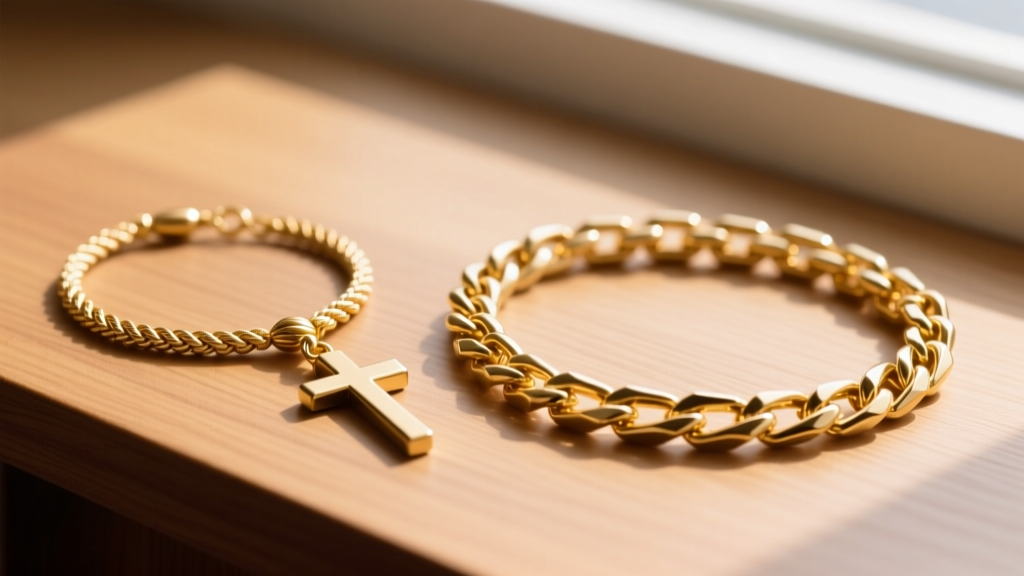
- Rope Chain: Features twisted links that mimic a woven rope. It offers brilliant light reflection and hides minor scratches well. However, if a rope chain breaks, it is notoriously difficult for jewelers to repair seamlessly.
- Box Chain: Made of square, interlocking links. While modern and sleek, thin box chains (under 1.5mm) are prone to irreversible kinking if bent at a sharp angle.
Calculating Melt Value vs. Retail Premium
Smart jewelry buyers use the "Craftsmanship Multiplier" to determine if a 14kt rosary necklace is fairly priced. To do this, calculate the melt value (Weight in grams × Spot Gold Price per gram × 0.583) and compare it to the retail tag.
The Craftsmanship Multiplier Rule: A mass-produced, machine-stamped rosary imported in bulk should retail at roughly 2.0x to 2.5x its melt value. A hand-assembled, artisan-crafted rosary with custom-cast center pieces, hand-soldered jump rings, and premium gemstone beads will justifiably command a 3.5x to 5.0x multiplier due to the intensive labor and design exclusivity.
If you find a 20-gram solid 14kt rosary selling for 1.2x its melt value, be highly suspicious. It is likely hollow, machine-made with unsoldered links, or the gold purity is misrepresented. Conversely, paying a 6x multiplier for a standard cable chain rosary with a generic crucifix indicates you are overpaying for brand markup rather than intrinsic value.
Red Flags and FTC Stamping Standards
When evaluating the budget and value of a 14kt rosary, knowing how to spot misrepresentation is your best defense. The Federal Trade Commission (FTC) strictly regulates how precious metals are marked and advertised in the United States. Here are the critical red flags to watch for:
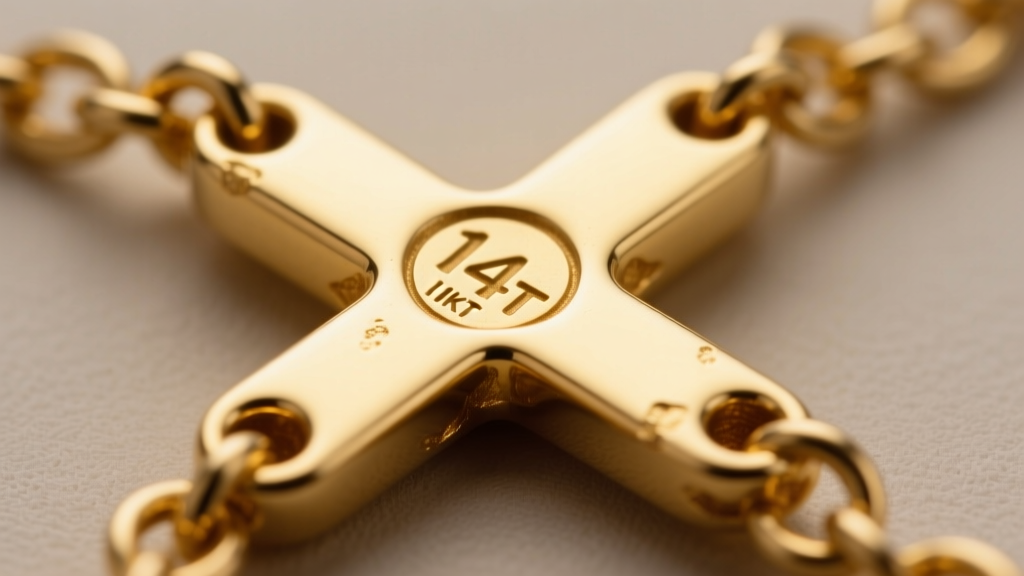
- Missing Trademarks: By law, if a piece is stamped with a quality mark like "14k" or "14kt", it must also bear a registered manufacturer's trademark or hallmark. A stamp without a maker's mark is a primary indicator of unverified, imported jewelry that may not meet true 14kt standards.
- Deceptive Abbreviations: Beware of stamps that say "14K HGE" (Heavy Gold Electroplate) or "14K GP" (Gold Plated). These are not solid gold, regardless of how prominently the "14K" is displayed.
- Unsoldered Jump Rings: Examine the connection points where the chain meets the crucifix and the center medal. If the jump rings are simply bent closed with pliers rather than soldered with a torch, the rosary will inevitably pull apart during prayer. Soldering is a hallmark of quality craftsmanship and justifies a higher price point.
- Hollow Links: Some manufacturers use hollow gold tubing to create thick-looking chains that weigh very little. While this lowers the upfront cost, hollow links crush easily and are virtually impossible to repair.
Final Verdict: Is the Premium Justified?
Investing in a 14kt rosary necklace in 2026 is a significant financial commitment, but one that holds immense intrinsic and sentimental value. While gold-filled or vermeil alternatives offer a budget-friendly entry point for occasional use, they simply cannot withstand the tactile friction of daily devotion. By understanding the mathematics of melt value, demanding proper FTC-compliant hallmarks, and prioritizing soldered links in the 1.5mm to 2.0mm gauge range, you can confidently purchase a solid gold rosary that will serve as a spiritual anchor and a pristine family heirloom for generations to come.


