How an 18in Necklace on a Woman Elevates 2026 Style
Discover how an 18in necklace on a woman perfectly balances modern layering and classic necklines. Explore 2026 trends, materials, and styling frameworks.

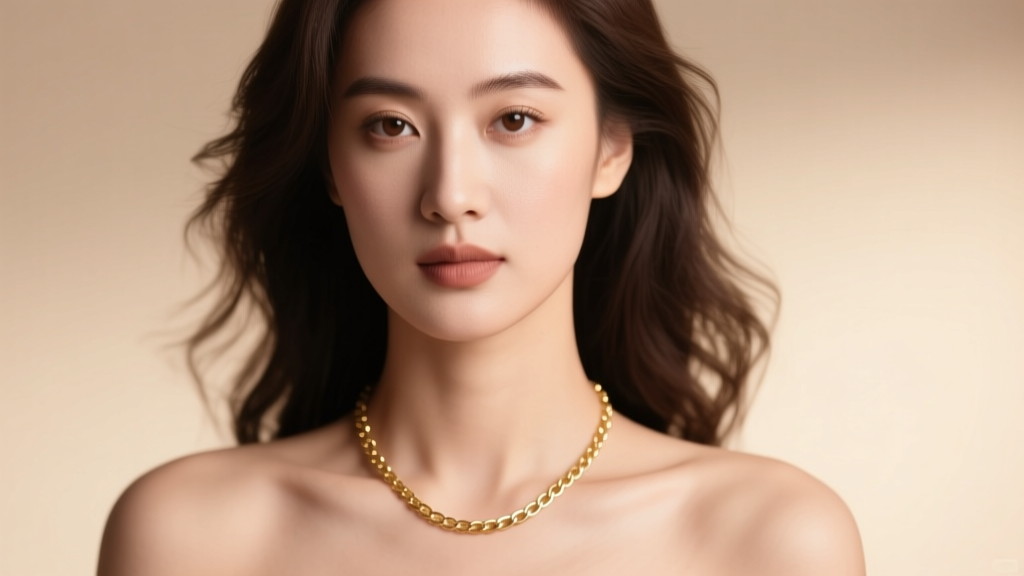
In the ever-evolving landscape of jewelry design, certain standards remain immutable. As we navigate the style landscape of 2026, the 18-inch necklace continues to serve as the foundational anchor for both minimalist and maximalist aesthetics. Often referred to as the 'princess' length, this specific measurement offers a universal flattering drop that bridges the gap between a restrictive choker and a plunging matinee. For stylists and collectors alike, understanding the precise mechanics, material grades, and layering physics of the 18-inch chain is essential for curating a modern, resilient jewelry wardrobe.
The Anatomy of the 18-Inch Princess Length
To understand why this length dominates, we must look at human proportions. The average female neck circumference ranges between 13 and 14 inches. An 18-inch chain, therefore, drops approximately 2 to 2.5 inches below the base of the throat, resting precisely on or just below the clavicle. This placement is highly strategic: it draws the eye horizontally across the collarbones, creating a framing effect for the face without competing with the jawline.
From a structural perspective, the 18-inch length is the ultimate load-bearing tier in a layered stack. When selecting a chain for this length, wire gauge is critical. For everyday wear, a cable or curb chain measuring between 1.2mm and 1.5mm in width provides the optimal balance of tensile strength and visual delicacy. Chains thinner than 1.0mm are prone to micro-kinking and will snap under the dynamic tension of daily movement, while those exceeding 2.0mm begin to read as heavy, standalone statement pieces rather than versatile layering anchors.
2026 Trend Analysis: Material Grades and Textures
The 2026 jewelry market has seen a definitive pivot away from ultra-high-polish, uniform yellow gold toward mixed-metal fluidity and textured finishes. The modern 18-inch necklace is defined by its material integrity and surface treatment.
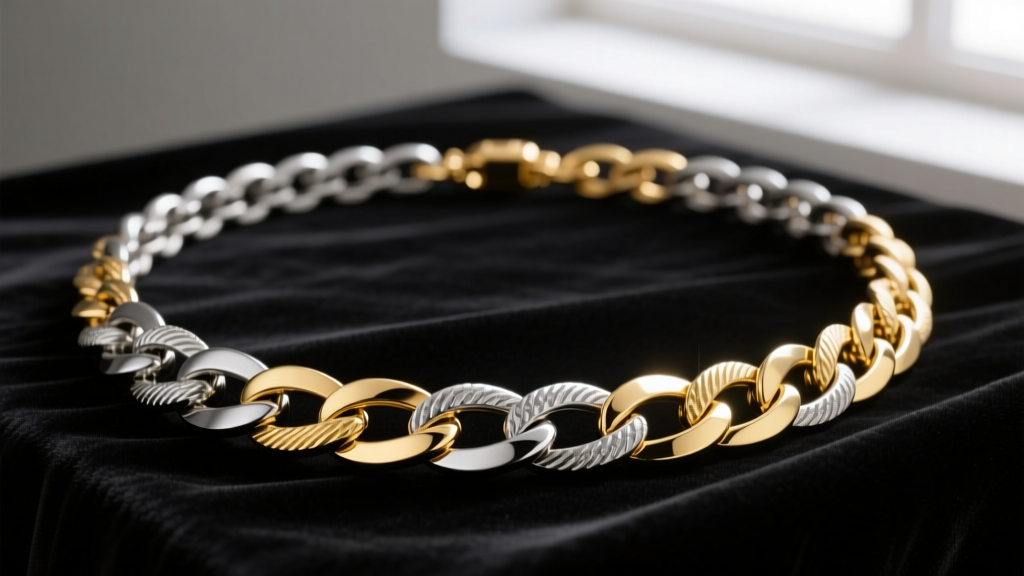
The Shift Toward PVD and High-Micron Vermeil
Consumers and designers are increasingly demanding longevity from their demi-fine pieces. Standard gold plating (typically 0.5 microns thick) is being entirely phased out by reputable houses. In 2026, the baseline for quality gold vermeil is 2.5 microns of 14k or 18k gold over a sterling silver core. According to the Federal Trade Commission (FTC) Jewelry Guides, the absolute minimum for vermeil is 2.0 microns, but premium manufacturers are pushing to 2.5 or 3.0 microns to prevent the copper and zinc alloys in the sterling core from oxidizing and bleeding through the porous gold layer.
Simultaneously, Physical Vapor Deposition (PVD) coating on 316L stainless steel has captured the market for everyday, water-resistant chains. PVD creates a molecular bond with the steel, resulting in a gold-toned 18-inch chain that is entirely impervious to sweat, chlorine, and UV degradation. The trend in 2026 pairs these hyper-durable PVD chains with brushed or sandblasted finishes, moving away from mirror polishes to mimic the organic, matte textures found in raw, unrefined metals.
Neckline Pairing Matrix: Where the 18-Inch Anchor Shines
The versatility of the 18-inch length is best understood through its interaction with garment architecture. Below is a structural matrix detailing how this specific drop interacts with primary neckline silhouettes.
| Neckline Silhouette | Visual Interaction | Recommended Chain Style (18in) | Pendant Strategy |
|---|---|---|---|
| Crew Neck | Sits just below the fabric collar, creating a sharp, framed boundary. | 1.5mm Curb or Figaro chain for geometric contrast. | Avoid long drops; opt for a flush bezel-set gemstone. |
| V-Neck | Mirrors and extends the garment's plunging geometric lines. | Delicate 1.2mm Cable chain to maintain negative space. | Use a directional or pear-shaped pendant to follow the V axis. |
| Scoop Neck | Fills the wide, curved negative space perfectly without crowding. | Textured Rope or Paperclip chain to add visual weight. | Layer with a 16-inch choker; use a wide, horizontal bar pendant. |
| Boatneck (Bateau) | Provides a necessary vertical break to the severe horizontal line. | Heavier 2.0mm Box chain to stand out against the wide collar. | Utilize a lariat style or a heavy, oversized singular focal point. |
Layering Frameworks: Building Around the 18-Inch Standard
In 2026, layering is no longer about haphazardly piling chains; it is an exercise in spatial geometry and weight distribution. The 18-inch necklace acts as the median anchor in the standard three-tier cascade. According to editorial guidelines from Vogue, successful layering requires strict adherence to spacing rules to prevent the dreaded 'chain bird's nest' effect.
The 16-18-20 Cascade Rule and Weight Distribution
To prevent tangling, there must be a minimum two-inch differential between layered chains. The 16-inch choker sits high on the suprasternal notch, the 18-inch chain rests on the clavicle, and the 20-inch matinee drops onto the upper sternum. When chains are spaced less than 1.5 inches apart, the friction of daily movement forces the links to interlock and knot.
Weight distribution is equally critical. If you are adding a pendant to your 18-inch anchor piece, the pendant's mass must not exceed the tensile threshold of the chain's wire gauge. For example, a standard 1.2mm cable chain can safely support a pendant weighing up to 8 grams. Heavier pendants (12-15 grams) will cause the individual links to stretch and oval out over time, leading to structural failure. Furthermore, ensure the pendant's bail has an inner diameter at least 0.5mm wider than the chain's thickness to allow the chain to glide smoothly without catching on the solder points.

Hardware and Clasp Failure Modes to Avoid
The most vulnerable point of any 18-inch necklace is its hardware. Analyzing failure modes at the repair bench reveals that clasp selection and jump ring integrity dictate the lifespan of the piece.
- Spring Ring Clasps: These are the most common point of failure. The internal coil spring is prone to metal fatigue, causing the tiny lever to stick or fail to retract entirely. They are also difficult to operate with one hand, leading to users pulling the chain taut and stressing the links.
- Stamped vs. Cast Lobster Clasps: Always opt for cast lobster clasps. Stamped clasps are formed from folded sheet metal and can easily crush or deform if snagged on heavy knitwear. Cast clasps, machined from solid wax molds, offer superior structural rigidity.
- Open vs. Soldered Jump Rings: The jump ring connecting the clasp to the chain must be soldered shut. An open jump ring (one with a visible slit) will pull apart under a tensile load as low as 15 grams. If the chain snags, the open ring will distort into a 'C' shape, dropping the necklace instantly.
For those seeking advanced security, the 2026 market has seen a rise in magnetic neodymium clasps with integrated safety latches, which offer high tensile strength while remaining accessible for users with limited dexterity.
Final Verdict on the 18-Inch Standard
As jewelry trends cycle through phases of extreme maximalism and stark minimalism, the 18-inch necklace remains the unshakeable baseline of a functional collection. By prioritizing high-micron vermeil or PVD-coated metals, respecting the physics of layering gaps, and demanding soldered hardware, collectors can ensure their pieces survive the rigors of daily wear. Whether anchoring a complex three-tier stack or standing alone against a crisp crew neck, the 18-inch princess length is an enduring masterclass in proportional design.
For further reading on metal durability and alloy compositions, the Gemological Institute of America (GIA) provides extensive research on how varying karat weights and base metals interact with environmental stressors over time, ensuring your investments remain pristine for decades.


