1928 Gold Necklace Guide: Vintage Brand vs. Antique
Discover the truth behind a 1928 gold necklace. Learn how to tell the difference between the vintage-inspired brand and authentic Art Deco antiques.

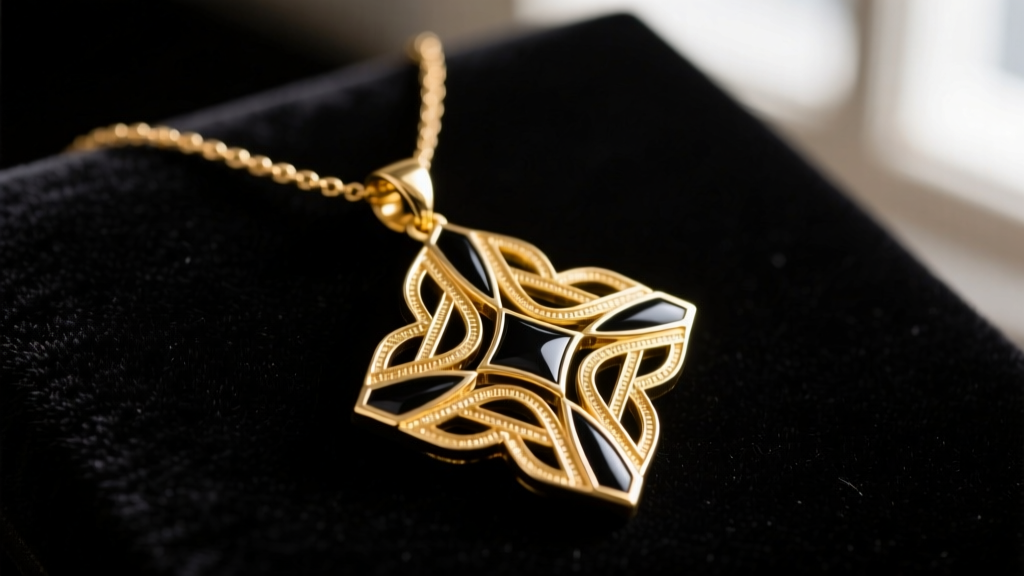
When beginners begin searching for vintage jewelry, few terms cause as much confusion as the '1928 gold necklace.' Are you looking at a genuine antique from the roaring twenties, or a modern piece from a popular costume jewelry brand? This is the ultimate beginner-friendly explainer to help you navigate the market, understand metallurgy, and make an informed purchase without overpaying in today's vintage landscape.
The Great Confusion: Brand vs. Time Period
The core of the confusion lies in a naming coincidence that has tripped up countless novice collectors. On one hand, you have the Art Deco era, which reached its absolute zenith in design, architecture, and jewelry around the year 1928. On the other hand, you have the '1928 Jewelry' brand, a massive contemporary manufacturer of vintage-inspired costume jewelry.
If you are shopping on eBay, Etsy, or local estate sales, sellers often use the phrase '1928 gold necklace' as a catch-all keyword. This means you could be looking at a $40 brass-alloy fashion piece or a $12,000 solid gold historical artifact. Understanding the difference is critical for your wallet and your collection's integrity.
Understanding the 1928 Jewelry Brand
Founded in 1968 by Mel Bernie, the 1928 Jewelry Company chose its name as an homage to the year 1928, which the founder read was the pinnacle of luxury and the Art Deco movement. However, it is vital to understand that this brand does not manufacture solid gold jewelry.
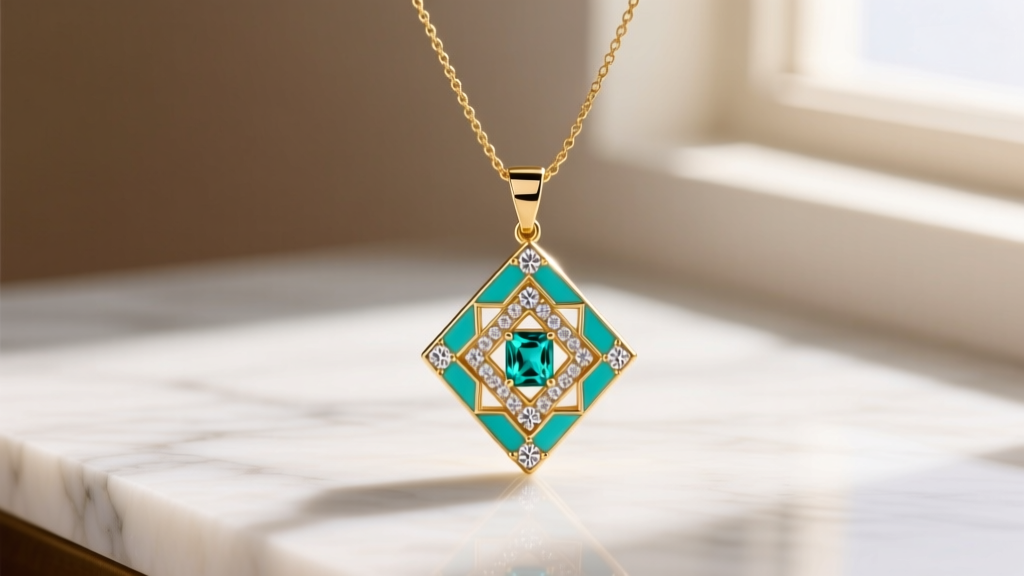
Instead, a modern 1928 brand gold necklace is crafted from base metals—typically pewter, brass, or white metal alloys—and then finished with gold-tone electroplating. The brand is famous for its intricate enamel work, use of cubic zirconia, and theatrical, vintage-revival designs.
Material Grades and Pricing
Because these are fashion pieces, the gold finish is measured in microns of plating rather than karat purity. You will not find 14k or 18k stamps on these items. The pricing is highly accessible, generally ranging from $25 to $85. They are excellent for theatrical costumes, daily fashion layering, and budget-friendly gifts, but they hold no intrinsic melt value and will eventually show wear on the high-friction points.
Authentic 1928 Art Deco Gold Necklaces
If you are seeking a genuine antique from the year 1928, you are stepping into the heart of the Art Deco period. Authentic pieces from this era are highly coveted by serious collectors and museums alike.
Design Motifs and Metallurgy
A true antique 1928 gold necklace will be crafted in solid 14k or 18k gold, or occasionally platinum. The designs are characterized by strict geometric symmetry, bold color blocking, and intricate filigree work. According to the Gemological Institute of America (GIA), Art Deco jewelry frequently features calibré-cut stones, old European cut diamonds, and contrasting materials like black onyx, jade, and coral.
The metallurgy of the 1920s meant that gold alloys were often mixed with copper and silver to create the distinct, slightly rosier hue of antique 14k yellow gold compared to modern alloys. Pricing for authentic pieces is steep, reflecting both the raw material value and the historical provenance. Expect to pay anywhere from $1,500 for a simple gold chain to over $15,000 for a diamond and onyx pendant necklace with documented provenance. Expert vintage dealers like Lang Antiques often emphasize that authentic Art Deco pieces will show specific hand-fabrication marks, such as slight asymmetries in the milgrain detailing, which machine-made modern replicas lack.
Side-by-Side Comparison: What Are You Actually Buying?
To help you quickly categorize a listing, refer to this decision framework:
| Feature | 1928 Jewelry Brand (Modern) | Authentic 1928 Antique (Art Deco) |
|---|---|---|
| Material | Gold-tone plated base metal (pewter/brass) | Solid 14k/18k Gold or Platinum |
| Stones | Cubic Zirconia, glass, synthetic enamel | Old European Cut Diamonds, Onyx, Jade |
| Hallmarks | Oval tag stamped '1928' | '14K', '18K', '585', '750', or Maker's Mark |
| Price Range | $25 - $85 | $1,500 - $15,000+ |
| Value Type | Aesthetic / Fashion | Intrinsic / Historical / Collector |
A Beginner’s Authentication Checklist
When evaluating a purported 1928 gold necklace in person, rely on these actionable testing methods rather than the seller's description.
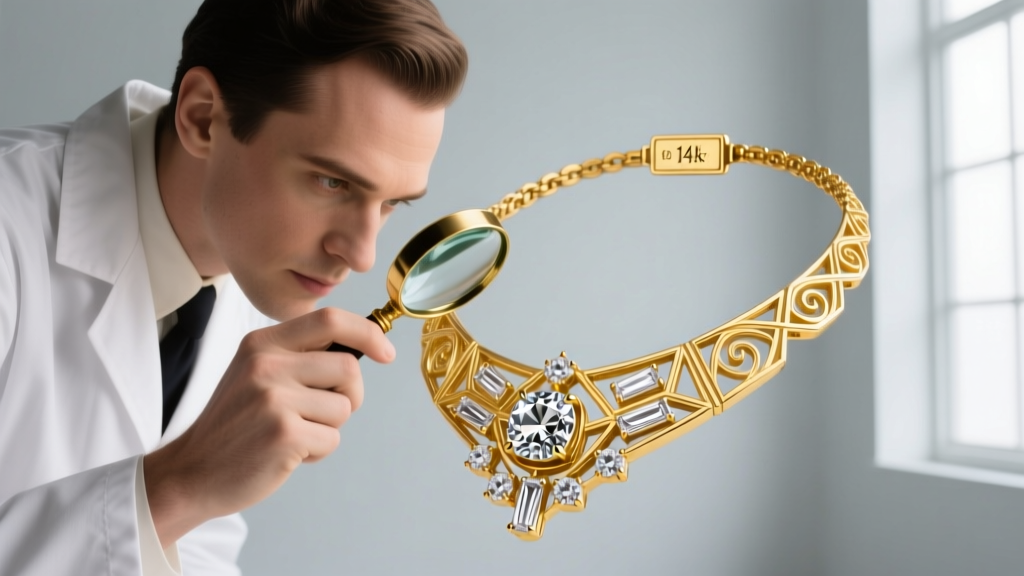
1. Inspect the Clasp and Tags
The modern 1928 Jewelry brand almost always includes a small, oval metal tag near the clasp stamped with the numbers '1928'. Conversely, an authentic 1920s antique will feature a hallmark indicating metal purity, such as '14K' or '585', often stamped directly onto the jump ring or the clasp tongue. Note that antique clasps (like the C-clasp or early spring ring) will look different from modern lobster claws.
2. The Magnet and Weight Test
Solid gold and platinum are non-magnetic. While the steel spring inside an antique clasp might pull slightly on a strong neodymium magnet, the chain and pendant should not. Furthermore, base metals used in modern costume jewelry (like pewter or brass) have a different density and thermal conductivity than solid gold. Gold feels heavier and warms to the skin much faster than brass.
3. Loupe the Milgrain and Prongs
Use a 10x jeweler's loupe to examine the edges of the metalwork. Authentic 1920s Art Deco pieces feature hand-applied milgrain (tiny bead-like borders). Under magnification, hand-applied milgrain will show slight variations and organic imperfections. Modern brand replicas are cast from molds, resulting in milgrain that looks perfectly uniform, soft, or 'melted'.
Care and Maintenance for Both Types
Whether you own a $40 fashion piece or a $4,000 antique, proper care is non-negotiable.
For the modern gold-tone brand necklaces, avoid all chemical exposure. Perfumes, lotions, and even natural skin oils can break down the thin electroplated layer, causing the underlying brass or pewter to oxidize and turn your skin green. Wipe them with a dry, soft microfiber cloth after wear and store them in anti-tarnish ziplock bags.
For authentic solid gold antiques, you have more freedom. You can clean them using a few drops of mild dish soap in lukewarm water and a soft-bristled baby toothbrush. However, if your antique necklace features porous stones like coral, opal, or jade, never submerge it in water. For high-value Art Deco pieces, an annual check-up with a certified gemologist is recommended to ensure the antique prongs and silk cord threads remain structurally sound. You can find more historical context on vintage jewelry preservation via the official 1928 brand archives and antique preservation societies.
By understanding the stark divide between a modern homage and a historical artifact, you can confidently navigate the secondary market. The next time you encounter a 1928 gold necklace, you will know exactly what questions to ask, what hallmarks to seek, and what price is truly fair.


