The 2026 Gift Guide: Sourcing a Genuine 1950 Pearl Necklace
Discover how to source, authenticate, and gift a genuine 1950 pearl necklace in 2026. Expert tips on nacre, clasps, and occasion matching.

The Post-War Pearl Renaissance
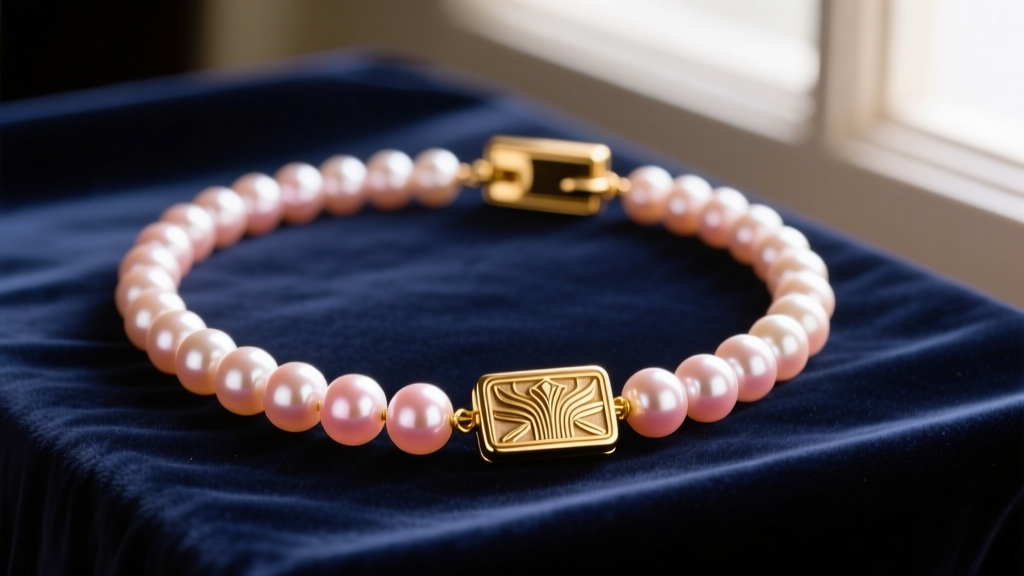
Gifting a vintage piece of jewelry is an exercise in storytelling, and few eras offer a narrative as compelling as the mid-century. When you set out to find a genuine 1950 pearl necklace, you are not merely buying an accessory; you are acquiring an artifact of the post-WWII economic boom. During the 1950s, Japanese Akoya pearl cultivation reached new heights of refinement, making these luminous strands the ultimate symbol of mid-century femininity and elegance. Today, in 2026, as sustainable and vintage jewelry continues to dominate the luxury market, a 1950s pearl strand remains an unparalleled gift for milestone occasions.
However, the vintage market is saturated with mislabeled pieces, modern replicas, and damaged strands. To gift a true 1950s piece, one must understand the gemological and mechanical hallmarks of the era. This guide provides the exact frameworks needed to authenticate, value, and match a mid-century pearl necklace to the perfect recipient.
Authentication: Decoding Mid-Century Mechanics
Identifying a true 1950s pearl necklace requires looking past the pearls themselves and examining the structural engineering of the strand. According to the Lang Antiques University, mid-century jewelry is defined by specific manufacturing techniques that were largely abandoned in later decades due to mass-production costs.
The Clasp and Safety Catch
The clasp is the most reliable fingerprint of a vintage strand. In the 1950s, two primary clasp styles dominated the market:
- The Trombone Clasp: A push-tube mechanism that relies on friction and a tiny internal spring catch. While common in early 20th-century European pieces, it persisted into the 1950s for lighter, unbranded strands.
- The Ornate Box Clasp with Figure-Eight Safety: High-quality 1950s Akoya strands almost exclusively feature a stamped 14k gold or sterling silver box clasp. Crucially, look for the figure-eight safety wire—a secondary hinged wire that snaps over a small peg on the opposite side of the clasp to prevent loss if the primary box mechanism fails.
Nacre Thickness and the 'Orient'
Modern Akoya pearls are often cultivated for only 6 to 8 months, resulting in thin nacre over a large mother-of-pearl bead. In contrast, 1950s Japanese Akoya pearls were typically left in the water for 1.5 to 2.5 years. This extended cultivation period created a thicker, more durable nacre layer with a deep, mirror-like luster known as the 'orient.' When inspecting a potential gift, roll the pearls gently under a light source; a genuine 1950s strand will display a sharp, almost metallic reflection with subtle rosé or silver overtones, rather than the flat, chalky appearance of thin-nacre modern pearls. For a deeper understanding of nacre quality, refer to the grading standards outlined by the Gemological Institute of America (GIA).
French Wire and Silk Knotting
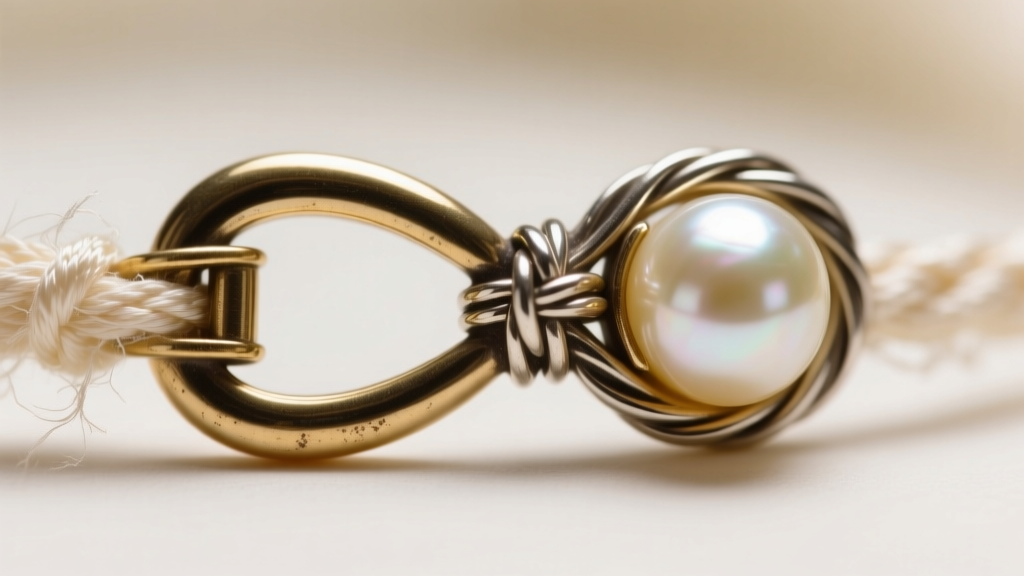
Examine the drill holes near the clasp. A genuine mid-century strand will feature French wire (also known as gimp)—a tiny, hollow coil of silver or gold wire threaded over the silk where it meets the metal clasp. This prevents the metal from sawing through the silk thread over time. Furthermore, authentic 1950s strands are individually hand-knotted between every single pearl to prevent catastrophic loss if the strand breaks.
Occasion Matching: Who Should Receive a 1950s Strand?
A vintage pearl necklace is a highly specific gift. Its aesthetic leans toward classic, refined, and sophisticated. Here is how to match the necklace length and style to the recipient's milestone and wardrobe.
The 30th Wedding Anniversary
Pearl is the traditional gemstone for the 30th anniversary. Gifting a newly purchased modern strand can feel transactional, but presenting a 1950 pearl necklace carries the weight of history, mirroring the endurance of a three-decade marriage. Opt for a 16-inch Princess length in 6.0mm to 6.5mm Akoya pearls, which rests perfectly on the collarbone and complements both casual cashmere and formal evening wear.
Milestone Career Achievements and Graduations
For a woman stepping into executive leadership or completing a doctorate, a vintage pearl strand serves as a powerful sartorial anchor. The 14 to 15-inch Choker length was immensely popular in the 1950s and sits snugly against the base of the neck. It pairs flawlessly with V-neck blouses and tailored blazers, offering a commanding yet elegant presence in boardroom settings.
The Bridal 'Something Old'
Brides embracing a vintage, Old Hollywood, or mid-century modern wedding aesthetic will cherish a 1950s Matinee length (20 to 24 inches). These longer strands can be double-wrapped for a layered, textured look that elevates a simple silk crepe or satin wedding gown.

2026 Market Pricing and Value Tiers
The value of a 1950 pearl necklace is dictated by provenance, pearl diameter, and clasp material. Below is a realistic pricing matrix for the 2026 vintage market.
| Category | Pearl Type & Size | Clasp Material | 2026 Est. Price Range | Key Identifiers |
|---|---|---|---|---|
| Entry-Level Vintage | Freshwater / Early Cultured (4-5mm) | Sterling Silver or Rolled Gold | $150 - $350 | Minor blemishes, barrel clasps, requires restringing. |
| Mid-Tier Akoya | Japanese Akoya (5.5-6.5mm) | 14k Gold Box Clasp | $400 - $950 | High luster, hand-knotted, figure-eight safety catch. |
| Premium / Signed | Top-Grade Akoya (7mm+) | 18k Gold, Diamond Accents | $1,200 - $3,500+ | Signed (e.g., Mikimoto M-logo), exceptional orient, pristine nacre. |
Appraiser's Note: Do not overpay for 'vintage-style' modern strands. Many contemporary manufacturers use tea-staining and artificial oxidization on clasps to fake a 1950s patina. Always verify the wear patterns on the clasp mechanism and the drill holes for genuine age indicators.
The Gifting Imperative: Professional Restoration
If you purchase an authentic 1950 pearl necklace for a gift, do not hand it to the recipient in its original 70-year-old thread. Silk is an organic protein that degrades, stretches, and rots over time due to exposure to humidity, perfumes, and skin oils. Wearing a vintage strand on its original silk is a severe failure risk.
Before wrapping the gift, take the necklace to a certified bench jeweler for a professional restring. Ensure they use 100% silk thread (Size E or F for 6mm pearls) and incorporate French wire at the ends. Expect to pay between $3.00 and $6.00 per inch in 2026. Presenting the piece with a note stating, "This strand is from 1955, and I had it professionally restored this week so it will last you another 70 years," transforms a simple gift into a masterclass in thoughtful curation.
Final Thoughts on Mid-Century Elegance
Sourcing a 1950 pearl necklace requires a discerning eye and a willingness to look past the surface. By focusing on the mechanical integrity of the clasp, the cultivation depth of the nacre, and the necessity of modern restoration, you ensure your gift is both historically significant and structurally sound. In an era of fast fashion and fleeting trends, presenting a meticulously authenticated piece of mid-century history is the ultimate expression of enduring affection.


