2 Gram Gold Necklace: Material & Durability Guide
Discover the metallurgy, karat hardness, and chain styles that make a 2 gram gold necklace durable. Expert guide to lightweight gold jewelry.

The Reality of 2-Gram Gold: Weight vs. Wearability
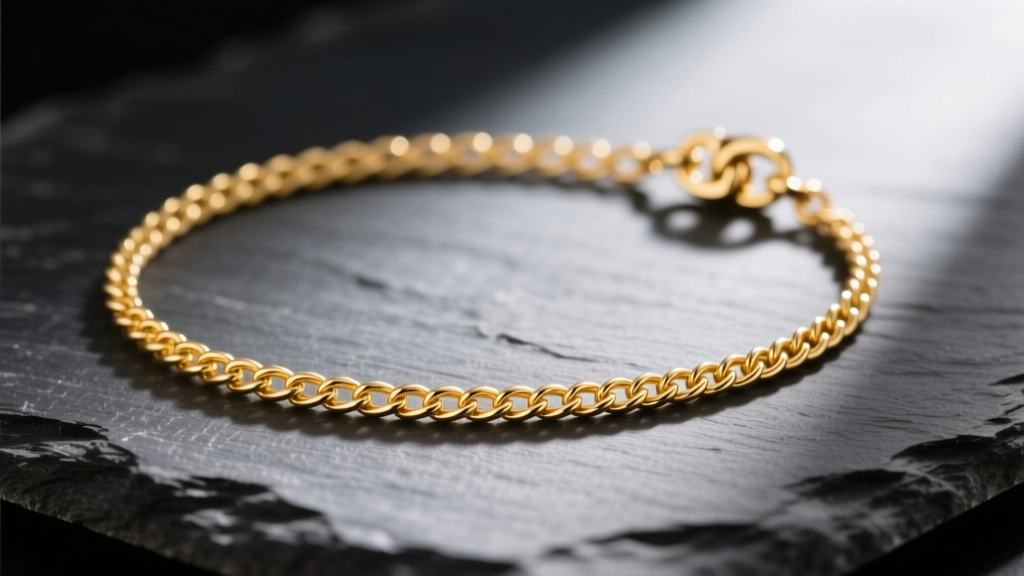
In the jewelry industry, a 2 gram gold necklace falls squarely into the 'ultra-lightweight' category. To put this into perspective, a standard US dime weighs 2.26 grams. When you are working with this little mass, the structural integrity of the piece is no longer just about the gold itself; it is an engineering challenge involving alloy composition, link geometry, and tensile strength. While heavier chains (10g+) can rely on sheer mass to resist snapping, a 2g chain must rely on optimal metallurgy and smart design to survive daily wear.
As of 2026, with gold prices remaining at historic highs, lightweight chains have surged in popularity. However, many buyers are caught off guard by how delicate a 2-gram piece feels. Understanding the material properties of lightweight gold is essential before making an investment, as the margin for error in manufacturing and daily wear is incredibly slim.
Karat Breakdown: How Alloy Ratios Affect a 2g Chain
Pure gold is notoriously soft. The Gemological Institute of America (GIA) notes that 24-karat gold has a Vickers Hardness (HV) of roughly 25, making it entirely unsuitable for lightweight chains. To create a durable 2 gram gold necklace, jewelers must alloy the gold with metals like copper, silver, and zinc. Here is how different karats perform at the 2-gram threshold.
10K and 14K Gold: The Structural Sweet Spot
For ultra-lightweight chains, 14K gold (58.5% pure gold) is the undisputed king. The 41.5% alloy mixture—typically copper and silver—raises the Vickers Hardness to approximately 120-140 HV. This provides enough rigidity to prevent the tiny links from stretching out of shape when subjected to minor snags. 10K gold (41.7% pure gold) is even harder (around 150 HV), but its pale color and lower intrinsic value make it less desirable for fine jewelry buyers.
18K Gold: Rich Color but Higher Risk
18K gold (75% pure gold) offers a deeply saturated, rich yellow hue, but its Vickers Hardness drops to roughly 90-110 HV. At 2 grams, an 18K chain is highly susceptible to 'link elongation.' If caught on a sweater, the softer links will stretch into ovals rather than snapping, permanently weakening the chain's structural matrix.
24K Gold: Why It Fails at 2 Grams
A 2 gram 24K gold necklace is essentially a liability. Without alloying metals to provide a crystalline lattice structure that resists deformation, a 24K chain of this weight will warp under its own tension if pulled even slightly. It is strictly recommended for occasional, careful wear, never for daily use.
Chain Styles That Survive the 2-Gram Threshold
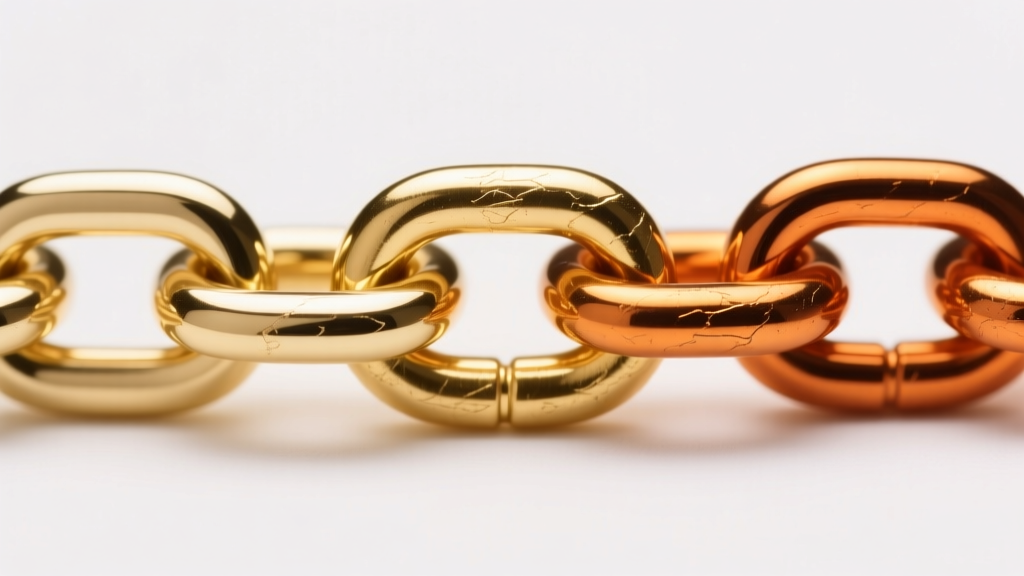
Not all chain weaves are created equal. When distributing a mere 2 grams of metal across a 16-inch or 18-inch length, the geometry of the links dictates the chain's survival. According to manufacturing standards highlighted by the World Gold Council, the weave pattern directly impacts tensile strength.
| Chain Style | Link Geometry | Durability at 2g | Best Use Case |
|---|---|---|---|
| Wheat (Spiga) | Interlocking figure-8 ovals | Excellent | Everyday wear, small pendants |
| Cable | Simple uniform oval links | Good | Layering, minimalist styling |
| Box | Square, hollow links | Fair | Lightweight pendant display |
| Rope | Twisted, multi-directional | Poor | Avoid at 2g (prone to micro-snags) |
The Wheat (Spiga) chain is the superior choice for a 2 gram gold necklace. Its interlocking figure-8 links distribute lateral tension across multiple contact points, preventing a single snag from pulling the entire chain apart. Conversely, a 2-gram Rope chain requires microscopic links that act like tiny hooks, easily catching on hair or fabric and tearing the chain.
Common Failure Points in Lightweight Necklaces
When a 2g chain breaks, it rarely snaps in the middle of the weave. The failure almost always occurs at the findings. Understanding these failure modes is critical for evaluating quality.
- The Clasp-to-Chain Ratio: A standard 5mm spring ring or small lobster clasp weighs between 0.2g and 0.4g. If you buy a '2 gram necklace,' the chain itself might only weigh 1.6 grams, making it even more fragile than you anticipate.
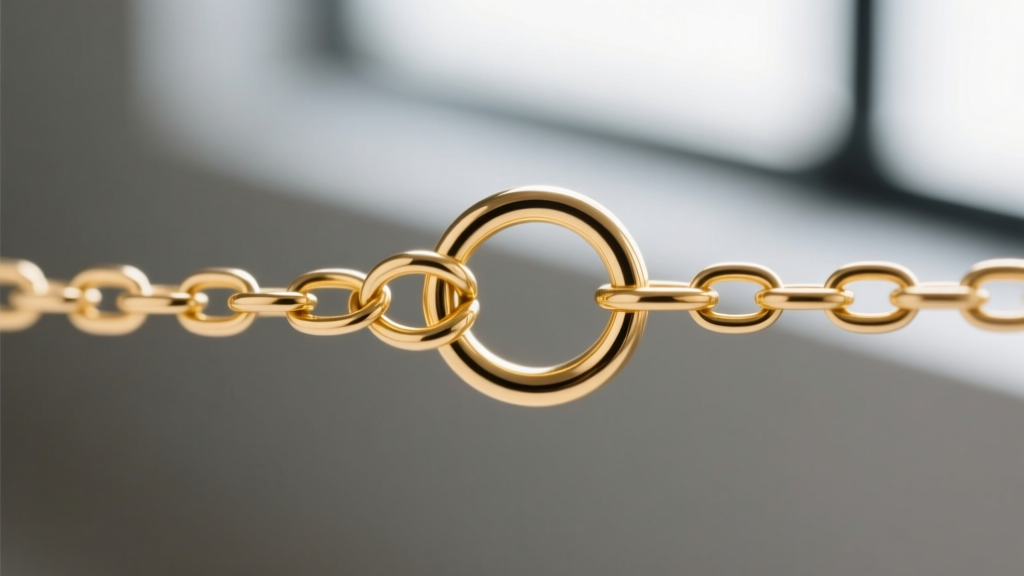
- Jump Ring Welds: The jump ring connecting the clasp to the chain is the primary stress point. In high-quality 2g chains, this jump ring should be laser-welded or soldered shut. If it is merely pressed closed, it will inevitably pull apart.
- Hollow vs. Solid Links: Some manufacturers use hollow tubular links (like in lightweight rope chains) to create volume without weight. At 2 grams, hollow links will crush and kink irreparably if bent. Always opt for solid, albeit tiny, links.
2 Gram Solid Gold vs. Heavy Gold Vermeil: A Property Comparison
Consumers often debate whether to buy a delicate 2 gram solid 14K gold chain or a thicker, heavier sterling silver chain plated in gold (vermeil). Here is a direct material comparison to help you decide.
A 2g solid 14K gold chain offers infinite longevity. It will never tarnish, can be polished indefinitely, and holds intrinsic melt value. However, its ultra-thin profile (often under 1mm in width) means it must be removed before sleeping or exercising to prevent tensile failure.
A 15g Sterling Silver Vermeil chain (plated with 2.5 microns of 14K gold) offers a much more substantial, luxurious feel on the neck and vastly superior tensile strength due to the thick silver core. The downside? The gold plating will eventually wear off at the friction points (like the clasp and back of the neck) within 1 to 3 years, requiring professional re-plating. If you prioritize physical durability and a bold look over lifelong material purity, heavy vermeil is the pragmatic choice.
Care and Maintenance for Ultra-Lightweight Gold
Owning a 2 gram gold necklace requires a shift in how you interact with your jewelry. Because the cross-sectional area of the wire is so small, the yield strength is easily exceeded by everyday hazards.
Never sleep in a 2g chain. The friction against cotton sheets and the tossing motion can create enough torque to stretch 14K links or snap 18K links entirely. When removing the necklace, always unfasten the clasp rather than pulling it over your head; the static friction of hair and skin can exert 3 to 5 pounds of force, which is well beyond the breaking point of a 1mm cable chain. Store it flat or hanging individually to prevent the tiny links from intertwining with other jewelry, which can cause micro-abrasions over time.
Final Verdict: Who Should Buy a 2g Gold Chain?
A 2 gram gold necklace is a masterclass in minimalist jewelry engineering. It is perfect for buyers seeking a barely-there, 'second skin' aesthetic, or those looking for a delicate base layer for complex pendant layering. For the best balance of color, durability, and value, insist on a solid 14K gold wheat or cable chain with laser-welded jump rings. While it requires mindful wear, the elegance of an ultra-lightweight solid gold chain remains unmatched in the modern jewelry landscape.


