Necklace Light Trends 2026: Illuminated & Glow Pendants Guide
Explore the 2026 necklace light trend. Compare micro-LED, fiber optic, and photoluminescent pendants with expert specs, styling tips, and buying advice.

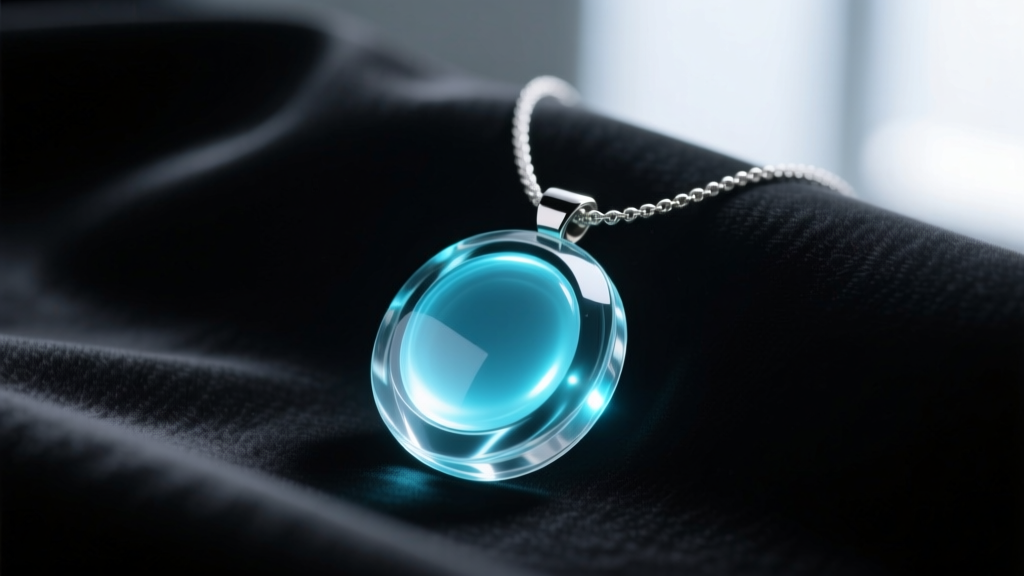
The concept of a necklace light has undergone a radical transformation. Once relegated to cheap plastic rave gear and novelty party favors, illuminated jewelry has evolved into a cornerstone of 2026 avant-garde and tech-wear fashion. Driven by advancements in micro-electronics, flexible photonics, and advanced phosphor chemistry, today's glowing pendants are sophisticated, durable, and highly sought after in high-fashion and streetwear circles alike. As Vogue recently noted in their wearable tech roundups, the integration of light into fine and fashion jewelry is no longer a gimmick—it is a defining aesthetic of the mid-2020s.
The Evolution of the Necklace Light: From Novelty to Haute Couture
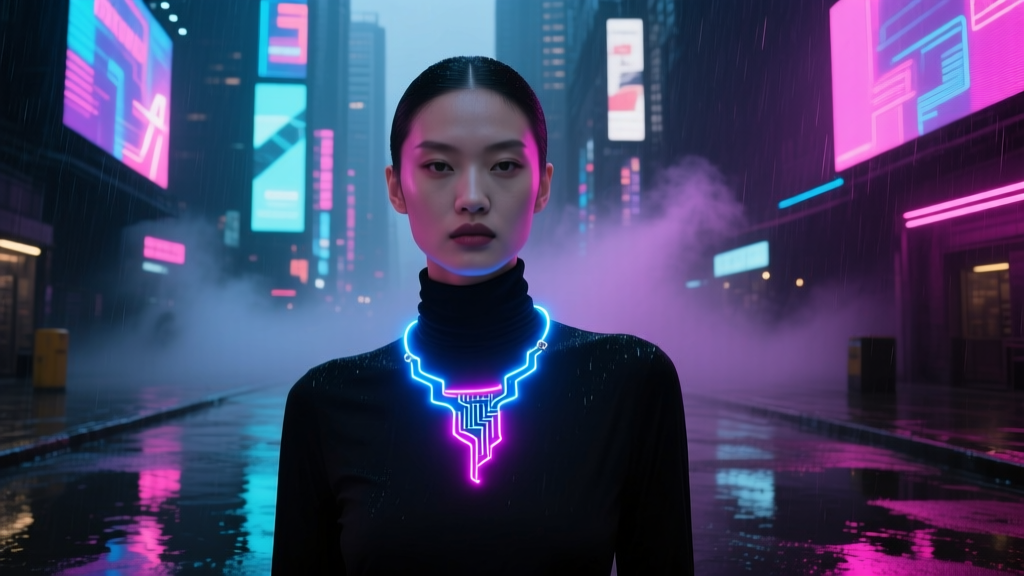
In 2026, the necklace light bridges the gap between cyberpunk aesthetics and minimalist elegance. Designers are no longer hiding the technology; they are celebrating it. Exposed micro-soldering, fiber-optic weaves, and bioluminescent-inspired resins are taking center stage. The modern consumer demands a piece that functions as both a striking daytime sculptural pendant and a dynamic, illuminated statement piece at night. This dual-purpose requirement has forced jewelers to collaborate with electrical engineers, resulting in a new category of 'smart-adjacent' analog jewelry that requires zero Bluetooth pairing or app management to look spectacular.
The Physics of Glow: Photoluminescent vs. Active Illumination
When shopping for a glow-in-the-dark or illuminated pendant, understanding the underlying technology is critical for managing expectations regarding brightness, longevity, and care. There are two primary categories of necklace light technology dominating the 2026 market: passive photoluminescence and active electronic illumination.
Strontium Aluminate vs. Legacy Zinc Sulfide
If you are purchasing a passive glow pendant, the material grade is everything. Legacy glow-in-the-dark jewelry utilized Zinc Sulfide (ZnS), which faded within 30 minutes. The 2026 standard is Strontium Aluminate (SrAl2O4), doped with europium and dysprosium. According to research indexed by Nature Materials Science, this specific phosphor matrix absorbs UV and ambient light, emitting a glow that is up to 10 times brighter and lasts up to 12 hours longer than ZnS. When suspended in a high-clarity, non-yellowing UV-stable epoxy resin, a Strontium Aluminate necklace light provides a reliable, battery-free ethereal glow perfect for subtle evening wear.
Active Tech: Micro-LED, Fiber Optic, and EL Wire
For those requiring active, continuous illumination, the market relies on three distinct technologies. Below is a technical comparison to help you choose the right active necklace light for your specific aesthetic and durability needs.
| Technology | Brightness & Visual Effect | Power Source & Battery Life | Durability & IP Rating | Best Aesthetic |
|---|---|---|---|---|
| Micro-LED (SMD 0402) | Piercing, focused points of light. High lumen output. | Rechargeable Li-Po (4-8 hours) | IP68 (Fully submersible if sealed) | Cyberpunk, High-Tech Minimalist |
| Side-Glow Fiber Optic | Soft, continuous neon-like line. Light travels along the thread. | CR1220 Coin Cell (12-20 hours) | IP67 (Splash resistant) | Ethereal, Fairycore, Rave |
| Electroluminescent (EL) Wire | Diffuse, uniform 360-degree glow. Lower peak brightness. | AAA Battery Pack or USB-C (6-10 hours) | IP54 (Dust & light splash) | Retro-Futurism, Streetwear |
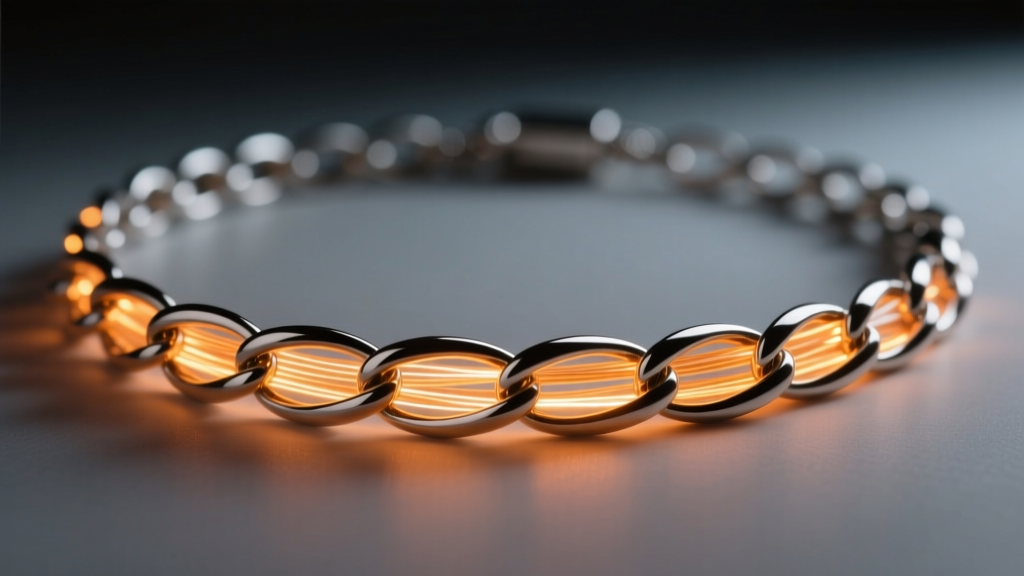
Hardware Specs and Material Grades You Must Verify
A necklace light is only as good as its hardware. The integration of electronics introduces new failure points that traditional jewelry does not possess. When evaluating a high-end illuminated pendant, scrutinize the following specifications:
- Chain Gauge and Tensile Strength: Active LED pendants house batteries and micro-controllers, often weighing between 12g and 25g. A standard 0.8mm gold-filled chain will snap or stretch under this weight and the dynamic movement of daily wear. Insist on a 1.5mm to 2.0mm 316L Surgical Steel or Grade 5 Titanium (Ti-6Al-4V) cable or curb chain. These materials offer the necessary tensile strength and are hypoallergenic.
- Charging Mechanisms: Avoid pendants with exposed micro-USB or USB-C ports, as the open cavities trap skin oils, perfume, and moisture, leading to rapid corrosion. The 2026 gold standard is magnetic pogo-pin charging. These flush, gold-plated contact points sit seamlessly against the resin or metal casing, maintaining the pendant's IP68 waterproof rating.
- Resin Encapsulation: For micro-LED pendants, the circuitry should be vacuum-sealed in a Shore D 80 hardness polyurethane resin. This specific hardness prevents micro-fractures that could let moisture reach the SMD soldering pads while remaining shatter-resistant if dropped on tile or concrete.
Styling an Illuminated Pendant for 2026 Aesthetics
Styling a necklace light requires balancing the luminescence with the surrounding garments and secondary jewelry. As highlighted by tech-fashion commentators at Wired, the most successful wearable tech seamlessly blends into the user's personal style rather than overpowering it.
The Minimalist Tech Approach
For a sleek, everyday look, pair a single, micro-LED diamond-cut pendant on a 20-inch matte black oxidized silver chain. The dark chain disappears against dark clothing (like a charcoal turtleneck or black silk blouse), allowing the single point of cyan or warm white light to float on the chest. Keep secondary jewelry minimal—perhaps small, unlit titanium stud earrings to echo the metallic hardware of the pendant.
Layering with Photoluminescence
Layering a passive Strontium Aluminate necklace light with traditional gemstones creates a stunning day-to-night transition. During the day, the resin pendant looks like a modern, milky-quartz geometric stone. Layer it at 16 inches with a 18-inch delicate raw emerald or green tourmaline pendant. As the ambient light drops in the evening, the resin pendant absorbs the UV from blacklights or ambient city neon, glowing a vibrant aquamarine that complements the natural green inclusions of the layered gemstones.
Price Tiers: What Should You Expect to Pay?
The market for illuminated necklaces is stratified by the quality of the electronics and the craftsmanship of the casing.
- Entry-Level ($25 - $60): Typically features EL wire or basic fiber optics powered by replaceable coin cells. Casings are often injection-molded ABS plastic. Great for festivals, but lacks the durability for daily wear.
- Mid-Tier Artisan ($80 - $180): The sweet spot for 2026. Features hand-cast UV-stable resins, high-grade Strontium Aluminate powders, or IP67 sealed micro-LEDs with magnetic charging. Chains are usually 316L steel.
- Haute Tech / Luxury ($250 - $600+): Integrates precious metals (14k or 18k gold bezels), lab-grown diamond diffusers over the micro-LEDs, and aerospace-grade titanium housings. These are produced in limited runs by specialized wearable-tech jewelers.
Care, Maintenance, and Troubleshooting
Treating a necklace light like a traditional piece of fine jewelry will destroy it. The presence of micro-soldering, lithium batteries, and optical resins dictates a completely different care regimen.
The Ultrasonic Cleaner Warning
Never place an active LED or fiber-optic necklace light in an ultrasonic jewelry cleaner. The high-frequency acoustic cavitation will shatter the optical resin, detach the microscopic solder joints on the SMD LEDs, and degrade the waterproof seals.
Proper Cleaning Protocol
To clean the resin or glass diffuser of your pendant, use a lint-free microfiber cloth lightly dampened with 99% isopropyl alcohol. This will remove sebum, cosmetic foundations, and perfume residue without clouding the optical clarity of the resin. For the metal chain, you can use traditional silver or steel polishing cloths, but ensure the chain is completely detached from the electronic pendant before applying any polishing compounds.
Troubleshooting Dimming or Flickering
If your active necklace light begins to flicker, the issue is almost always related to the magnetic pogo-pin contacts or the coin-cell seating. Skin oils create an invisible dielectric barrier on the charging pins. Wipe the gold contacts on both the pendant and the charging cable with an alcohol swab. If the piece uses a CR1220 battery and the light dims after only two hours, the battery was likely inserted upside down or the tension spring inside the battery housing has lost its tension, requiring a gentle pry with a non-metallic plastic spudger to restore the electrical connection.


