How to Choose and Style a Black Diamonds Necklace
Learn how to evaluate, authenticate, and style a black diamonds necklace. Our step-by-step guide covers carbonado grades, settings, and neckline pairing.

The Rise of the Black Diamonds Necklace
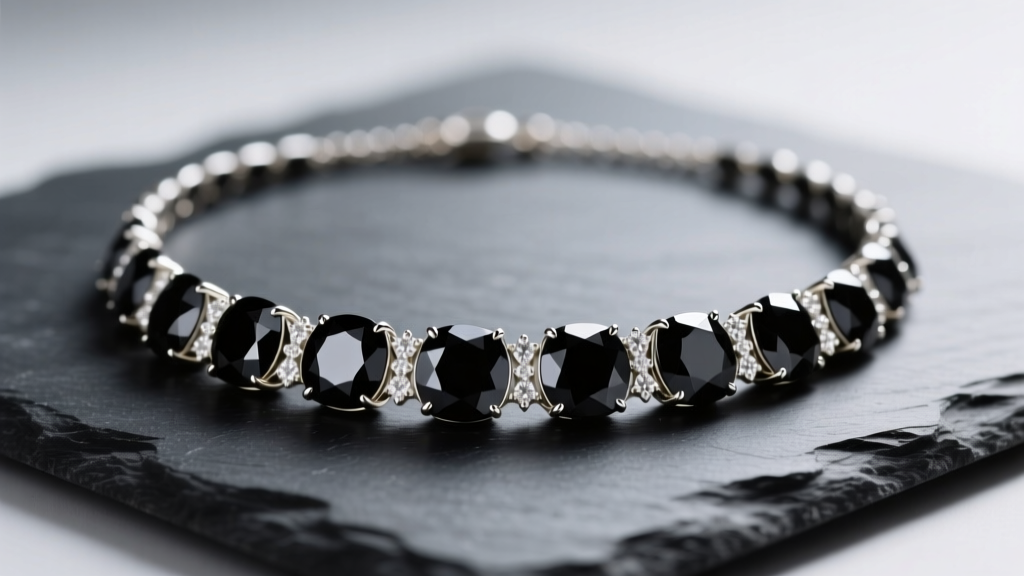
Black diamonds have evolved from niche alternatives to mainstream luxury staples. Unlike traditional white diamonds that rely on brilliance and fire, a black diamonds necklace commands attention through its striking opacity, deep hues, and bold contrast. Whether you are investing in a rare natural carbonado or a beautifully treated statement piece, understanding the nuances of these dark gems is critical. In this step-by-step guide, we will walk you through the exact process of evaluating, selecting, and styling a black diamond necklace to ensure your purchase is both structurally sound and aesthetically flawless.
Step 1: Evaluate the Stone (Natural Carbonado vs. Treated)
The first step in buying a black diamonds necklace is identifying the origin of the stone. According to the Gemological Institute of America (GIA), the market is divided into two distinct categories: natural carbonado and treated black diamonds.
Natural Carbonado
Natural black diamonds, known scientifically as carbonado, are polycrystalline. This means they are composed of millions of tiny diamond crystals fused together. They are entirely opaque, heavily included, and found almost exclusively in Brazil and the Central African Republic. Because of their porous nature and unique formation, natural carbonado diamonds are incredibly rare and typically command prices ranging from $1,500 to over $3,000 per carat.
Treated Black Diamonds
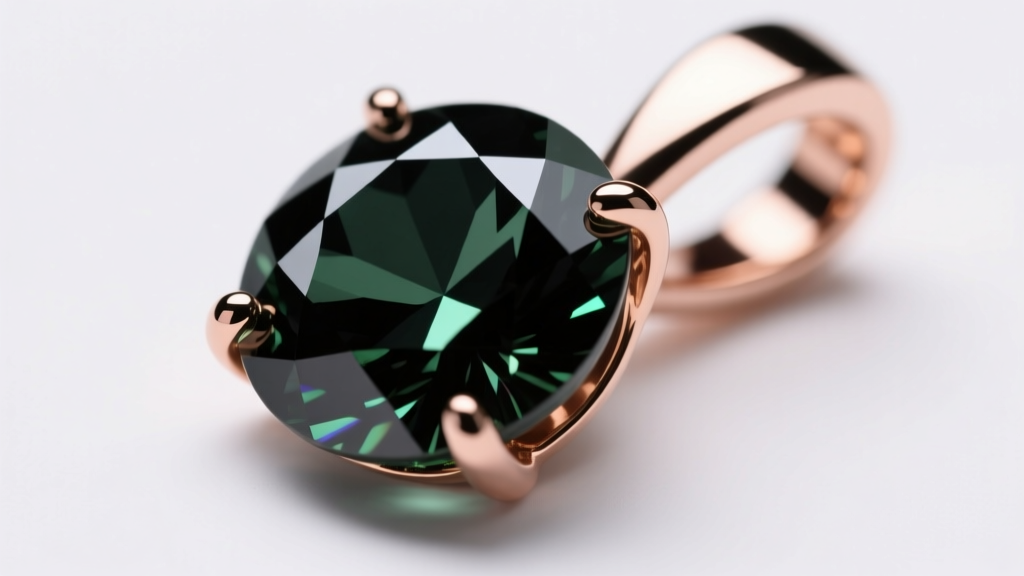
The vast majority of commercial black diamond jewelry features treated stones. These begin as low-clarity, heavily included white or grey diamonds that are subjected to neutron irradiation or extreme heat treatment. This process darkens the inclusions so profoundly that the stone appears jet black, though under intense fiber-optic lighting, you may detect deep greenish-blue undertones. Treated black diamonds are highly affordable, generally pricing between $100 and $300 per carat.
Step 2: Select the Right Metal and Setting
Because black diamonds do not reflect light internally, the metal setting must do the heavy lifting for visual contrast and structural integrity. Carbonado's polycrystalline structure makes it tough but prone to surface pitting, while treated single-crystal diamonds retain distinct cleavage planes, making them vulnerable to splitting if struck.
Prong vs. Bezel Settings
For everyday wear, a bezel setting is highly recommended. A full or half-bezel wraps the metal securely around the diamond's girdle, protecting the edges from chipping. Prong settings offer a more traditional look and allow the stone to sit higher, but they leave the girdle exposed to impacts. If you choose prongs, ensure they are V-prongs at any pointed corners (like on a princess or pear cut) to distribute pressure evenly.
Metal Pairing Matrix
| Metal Type | Aesthetic Effect | Best Use Case | Relative Cost |
|---|---|---|---|
| 18K White Gold | High contrast, icy and modern | Formal events, geometric pendants | High |
| 14K Rose Gold | Warm, romantic, vintage feel | Everyday wear, floral or halo designs | Medium |
| Platinum | Ultimate durability, sleek | Heirloom pieces, heavy bezel settings | Highest |
| Sterling Silver | Subtle, budget-friendly | Fashion jewelry, casual layering | Low |
Step 3: Choose the Chain and Clasp Hardware
A black diamonds necklace is only as strong as its weakest link. Black diamond pendants, especially those over 2 carats or set in solid platinum, carry significant weight. Selecting the correct chain gauge and clasp type is a non-negotiable step in the buying process.
- Chain Style: Opt for a box chain or wheat chain. Box chains feature interlocking square links that resist kinking and can support heavy pendants without stretching. Wheat chains offer a braided, semi-rigid structure that is incredibly durable.
- Chain Gauge: For pendants under 1 carat, a 1.2mm to 1.5mm chain is sufficient. For heavier stones (2+ carats), upgrade to a 2.0mm to 3.0mm gauge to prevent metal fatigue and snapping.
- Clasp Type: Avoid spring ring clasps for anything heavier than a delicate choker. Always choose a lobster clasp for its secure, spring-loaded locking mechanism. For high-end pieces, a double-locking fold-over clasp provides maximum security.
Step 4: Styling and Neckline Pairing Techniques
As we navigate the jewelry trends of 2026, the maximalist layering trend has evolved into 'structured stacking'—pairing pieces with deliberate variations in length, texture, and weight. A black diamonds necklace is an anchor piece that requires strategic styling.
Matching Necklines to Lengths
The visual weight of a black diamond demands the right canvas. Here is a framework for pairing your necklace with common necklines:
- Deep V-Neck: Pair with an 18-inch to 20-inch princess or matinee length pendant. The black diamond should rest exactly one inch above the apex of the V-neck to elongate the torso.
- Crew Neck / Turtleneck: Opt for a bold, multi-stone black diamond collar or a 16-inch choker. The high contrast against dark winter fabrics like charcoal wool or black cashmere creates a striking, editorial look.
- Off-the-Shoulder / Scoop: Utilize a layered approach. Combine a 14-inch delicate black diamond tennis necklace with an 18-inch black diamond solitaire pendant to fill the exposed décolletage without overwhelming it.

The Art of Mixed-Metal Layering
Do not feel confined to a single metal color. Mixing a black diamond white gold pendant with a yellow gold paperclip chain creates a dynamic, contemporary aesthetic. The dark opacity of the black diamond acts as a neutral bridge, allowing disparate metal tones to coexist harmoniously.
Step 5: Maintenance and Care Routine
While diamonds rank a 10 on the Mohs hardness scale, hardness refers to scratch resistance, not toughness. Black diamonds, particularly treated ones with heavy internal inclusions, can be brittle. The Jewelers of America advises extreme caution when cleaning heavily included stones.
What to Avoid
Never place a treated black diamonds necklace in an ultrasonic cleaner. The high-frequency vibrations can cause existing internal tension fractures to expand, potentially shattering the stone. Similarly, avoid steam cleaners, as the sudden temperature shifts can induce thermal shock.
The Safe Cleaning Method
- Mix a few drops of mild, ammonia-free dish soap into a bowl of lukewarm water.
- Submerge the necklace for 10 to 15 minutes to loosen oils and cosmetics.
- Gently agitate the chain and use a soft-bristled baby toothbrush to clean the back of the setting (the pavilion), where grime accumulates and dulls the metal's reflectivity.
- Rinse thoroughly under lukewarm running water, ensuring the drain is securely plugged.
- Pat dry with a lint-free microfiber cloth. Do not air dry, as water spots will linger on the metal.
Final Thoughts on Your Investment
Choosing a black diamonds necklace is an exercise in balancing bold aesthetics with structural pragmatism. By understanding the critical differences between natural carbonado and treated diamonds, prioritizing protective bezel settings, and adhering to strict chain-gauge requirements, you ensure your piece remains secure and stunning. Whether worn as a solitary statement piece over a silk blouse or layered into a structured stack for an evening out, a well-chosen black diamond necklace offers a timeless, rebellious elegance that transcends fleeting trends.


