The 20 lb Necklace: Engineering Heavyweight Chain Jewelry
Discover the metallurgy, clasp mechanics, and spinal ergonomics required to design and safely wear a literal 20 lb necklace statement piece.

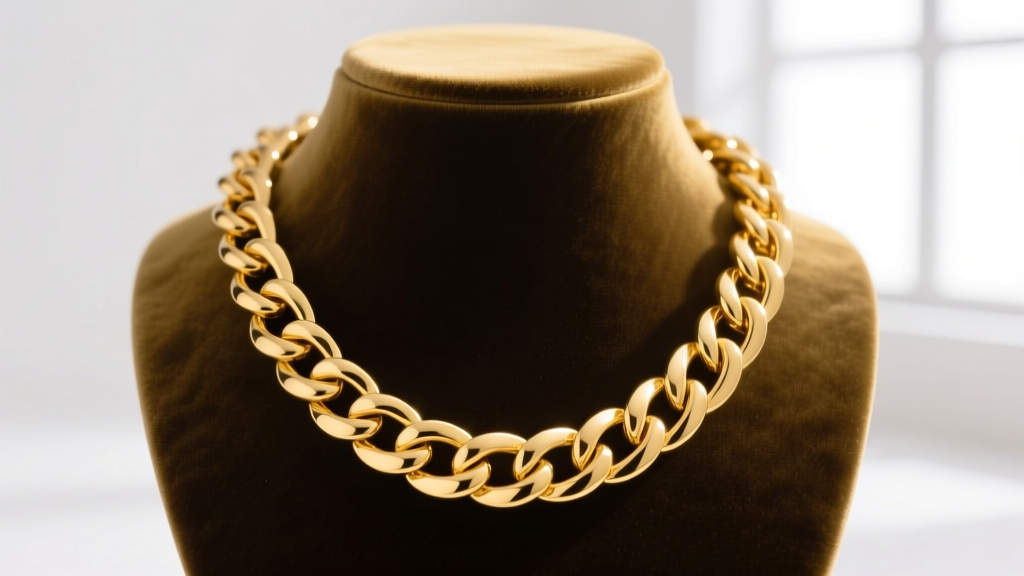
When the term 20 lb necklace is mentioned in the jewelry sector, it triggers two entirely different technical conversations. In the realms of high-end hip-hop jewelry, avant-garde runway fashion, and historical reproduction, a literal 20-pound (9.07 kg) chain necklace is a masterclass in structural engineering and metallurgy. Conversely, in the lapidary and beading world, "20 lb" refers to the tensile test strength of the wire used to string heavy gemstone pendants. As of 2026, mastering both interpretations is essential for any serious jewelry designer, bench jeweler, or collector dealing with extreme weight and tension.
This expert deep dive explores the physics, material science, and biomechanics required to safely construct, wear, and maintain ultra-heavyweight necklaces, alongside the technical specifications of 20 lb test stringing materials.
The Literal 20 lb Necklace: Metallurgical Realities
Creating a chain that physically weighs 20 pounds requires a profound understanding of metal density and volume. According to GIA's research on jewelry metal alloys, the choice of karat and alloying metals drastically alters the final dimensions of the piece.
Let us look at the math for a solid 14k yellow gold chain. 14k gold has an approximate density of 13.5 g/cm³. A 20 lb chain equals 9,071 grams. Dividing the mass by the density yields a total metal volume of roughly 671 cubic centimeters. To put this in perspective, that is equivalent to the volume of a solid block of metal measuring nearly 3.5 inches on all sides, drawn out into dozens of interlocking links.
Hollow vs. Solid vs. Tungsten Carbide
- Solid Gold: The traditional standard for heavyweight chains (like the iconic 20 lb Cuban links worn by rap artists). It requires massive capital investment and poses severe structural challenges regarding link deformation.
- Hollow Electroformed Gold: Can achieve the visual volume of a 20 lb chain while weighing only 2 lbs. However, it is entirely unsuitable for actual 20 lb weight-bearing due to its fragile, thin-walled structure.
- Tungsten Carbide: With a density of roughly 15.6 g/cm³ (denser than 14k gold), tungsten is increasingly used in 2026 for avant-garde heavyweight pieces. It offers extreme scratch resistance but is brittle and can shatter under blunt impact.
Biomechanics and Weight Distribution
Wearing 20 pounds of metal around the cervical spine is not merely a fashion statement; it is a biomechanical load. The human neck is not evolved to support 9 kg of concentrated downward and outward force. If a chain is too narrow, the pressure (Force ÷ Area) will cut into the trapezius muscles and restrict blood flow to the carotid arteries.

To mitigate this, structural jewelers enforce a minimum width rule for ultra-heavy chains. A 20 lb necklace must have a minimum width of 25mm to 35mm (such as a wide Franco or double Cuban link) to disperse the weight across the posterior neck and shoulders. Furthermore, the chain's interior profile must be domed or flat-polished to prevent the edges from acting as a tourniquet against the collarbone.
Clasp Engineering: Surviving Dynamic Shear Forces
The most catastrophic failure point on any heavyweight chain is the clasp. A standard lobster clasp, rated for perhaps 15 lbs of static pull, will instantly snap under the dynamic load of a 20 lb chain. When a wearer walks, nods, or turns quickly, the kinetic energy creates a dynamic force multiplier. A 20 lb static weight can easily generate 50 to 80 lbs of shear force on the clasp mechanism during a sudden stop.
According to the engineering specifications found in Rio Grande's heavy-duty findings catalog, bench jewelers must utilize specialized locking mechanisms for extreme weights.
| Clasp Type | Static Tensile Limit | Dynamic Shear Limit | Suitability for 20 lb Chains |
|---|---|---|---|
| Standard Lobster | 15 lbs | 5 lbs | Catastrophic Failure Risk |
| Screw-Lock Barrel | 60 lbs | 25 lbs | Inadequate for Dynamic Movement |
| Push-Pull Box w/ Safeties | 120 lbs | 50 lbs | Marginal (Requires Dual Safeties) |
| Internal Shear Pin Interlock | 300+ lbs | 120+ lbs | Industry Standard for 20 lb+ Chains |
The Shear Pin Interlock System
For a true 20 lb necklace, the industry standard in 2026 is the internal shear pin interlock. This clasp features a male tongue that slides into a female box, secured by a transverse titanium or hardened steel pin that passes completely through both housing and tongue. Even if the primary locking spring fails, the shear pin bears the entire dynamic load, transferring the tensile stress directly into the bulk metal of the clasp housing rather than relying on a tiny spring mechanism.
The Stringing Interpretation: 20 lb Test Beading Wire
Shift the context from chain links to gemstone stringing, and "20 lb" takes on a completely different technical meaning. In lapidary arts, a 20 lb test necklace refers to the use of 20-pound tensile strength beading wire to suspend massive, heavy gemstone pendants or large bead strands.
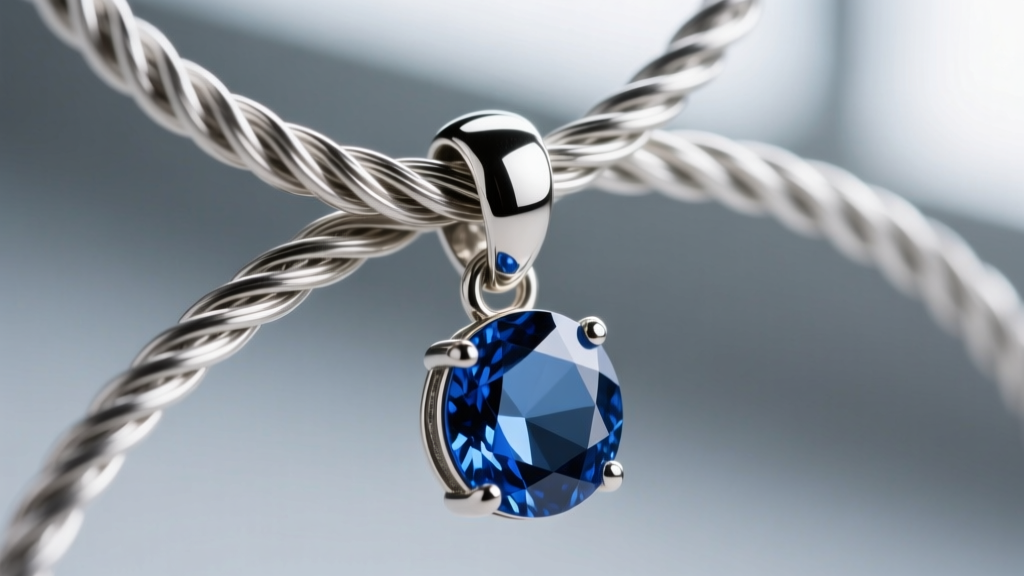
As detailed in the Soft Flex Company's beading wire guide, 20 lb test wire typically features a diameter of 0.024 inches (0.61 mm) and is constructed from 49 individual micro-strands of stainless steel, coated in a flexible nylon sheath.
When to Use 20 lb Test Wire
- Heavy Briolettes: Suspending 100+ carat sapphire or quartz briolettes that exert immense localized pressure on the bail.
- Multi-Strand Clasps: Creating heavy, multi-strand pearl or turquoise necklaces where the cumulative weight approaches 1-2 lbs, requiring high-tensile wire to prevent stretching over time.
- Abrasive Gemstones: Materials like faceted garnet or rough diamond beads have sharp internal drill holes that can fray weaker wires. The 49-strand steel core of a 20 lb test wire resists sawing and fraying.
When terminating 20 lb test wire, standard crimp beads are insufficient. Designers must use heavy-duty sterling silver or 14k gold crimp tubes (usually 2x3mm) and secure them with a specialized crimping plier that folds the metal into a secure, rounded bead, preventing the wire from slipping under the pendant's gravitational pull.
Maintenance, Structural Fatigue, and Laser Welding
A literal 20 lb gold chain is subject to severe structural fatigue. The constant friction of heavy links rubbing against one another wears down the interior of the link joints. Over a decade of wear, the links will thin out at the friction points, leading to catastrophic snapping.
Traditional torch soldering is virtually useless for repairing a 20 lb chain. The thermal mass of the thick gold links acts as a massive heat sink, requiring so much torch heat to reach the solder's flow point that the surrounding links will melt or warp. Instead, modern bench jewelers rely on laser welding. A laser welder delivers a highly focused, microscopic pulse of heat, fusing a new piece of gold wire into the worn link in milliseconds without transferring heat to the rest of the 20 lb chain. This preserves the structural integrity and precise tolerances of the interlocking links.
Final Verdict: Respecting the Weight
Whether you are engineering a literal 20 lb solid gold Cuban chain for a high-profile client, or stringing a massive 200-carat gemstone pendant on 20 lb test stainless steel wire, the underlying principle remains the same: gravity is unforgiving. Success in heavyweight jewelry design requires abandoning standard jewelry practices in favor of industrial-level structural engineering, precise weight distribution, and uncompromising material science.


