How to Keep Necklaces From Tangling: Chain Types & Storage
Learn how to keep necklaces from tangling with our expert guide. Discover the best chain styles, clasps, and storage solutions for a knot-free collection.

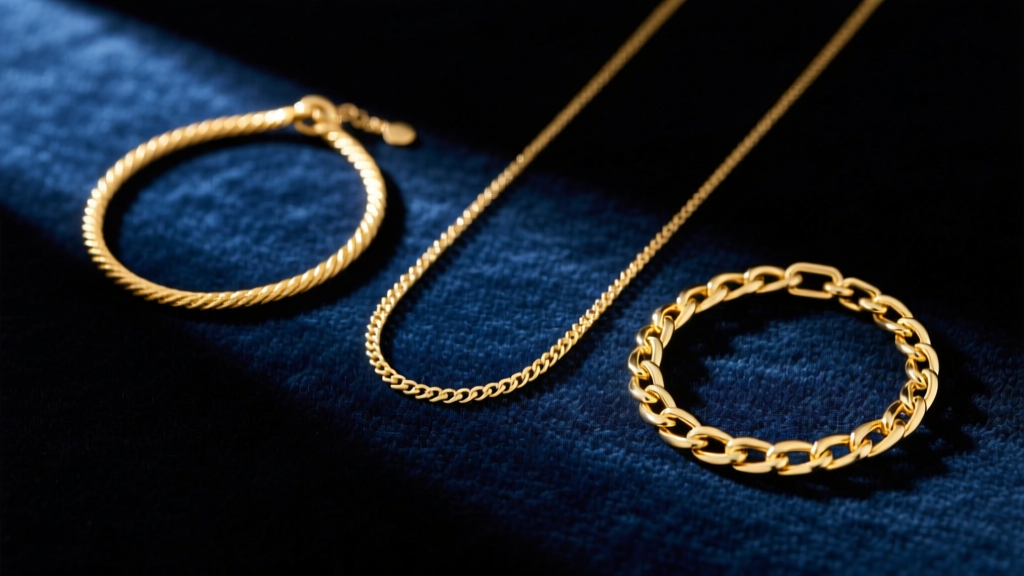
The Physics of the Knot: Why Chains Tangle
Every jewelry collector has experienced the frustration of pulling a delicate chain from a jewelry box, only to find it bound in a seemingly impossible micro-knot. To understand how to keep necklaces from tangling, we first have to look at the physics of spontaneous knotting. According to polymer physics and knot theory, any flexible string subjected to random agitation in a confined space will inevitably form knots. In jewelry, this is exacerbated by link geometry, metal friction, and weight distribution.
Chains with uniform, smooth links—like standard cable or box chains—have a high degree of rotational freedom. This means each link can easily pivot 360 degrees, allowing the chain to fold back onto itself and slip through adjacent links. Furthermore, the electrostatic charge and natural skin oils left on the metal increase the coefficient of friction, causing links to "grab" one another rather than sliding apart. By manipulating chain geometry, hardware weight, and storage environments, you can effectively neutralize the conditions that cause tangling.
Chain Styles Ranked by Tangle Resistance
Not all chains are created equal when it comes to knot resistance. The structural design of the links dictates how easily the chain can fold into a knot. Below is a breakdown of common chain styles and their inherent tangle risks, based on GIA's Care and Cleaning guidelines regarding metal durability and link structures.
| Chain Style | Link Geometry | Tangle Risk | Best Use Case |
|---|---|---|---|
| Box Chain | Square, uniform, smooth | High | Lightweight pendants |
| Cable Chain | Oval, uniform, smooth | High | Everyday layering |
| Figaro Chain | Alternating long/short links | Medium-Low | Standalone statement wear |
| Rope Chain | Twisted, textured, interlocking | Low | Heavy pendants, solo wear |
| Wheat Chain | Braided, directional, semi-rigid | Very Low | High-value heavy pendants |
Expert Insight: If you prefer the look of a cable chain but hate the tangles, upgrade the gauge. A 0.8mm cable chain is highly susceptible to micro-knots because the links are large enough relative to the wire thickness to fold back on themselves. Upgrading to a 1.5mm or 2.0mm cable chain drastically reduces the pivot angle of each link, making spontaneous knotting physically difficult.
Hardware Hacks: Clasps and Counterweights
The clasp is often the culprit in chain tangling. A standard spring ring or lobster clasp acts as a rigid, asymmetrical node. When a necklace is tossed into a drawer, the heavy clasp swings around, wrapping the flexible chain around itself.
The Counterweight Principle
To prevent the clasp from migrating to the front of your neck or tangling in storage, jewelers use a counterweight. Many high-end brands solder a small metal "drop" or tag directly next to the clasp. This added weight anchors the clasp at the nape of the neck during wear and keeps the chain laid flat in storage. If your necklace lacks a counterweight, you can purchase a tiny silicone clasp stopper or a decorative metal bead to thread onto the chain right next to the clasp, achieving the same stabilizing effect.
Professional & DIY Storage Solutions
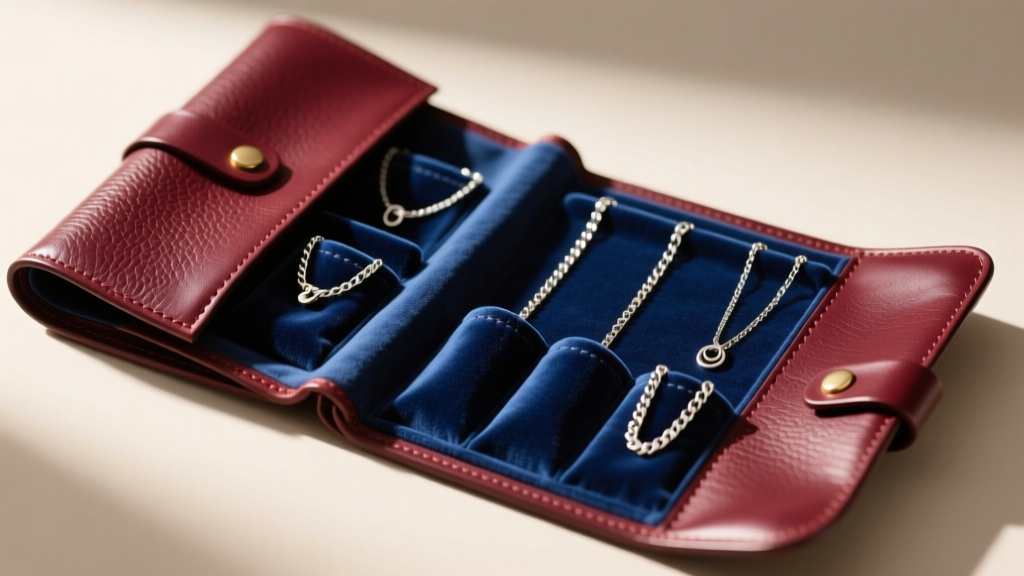
Proper storage is the most critical factor in learning how to keep necklaces from tangling long-term. According to Jewelers of America, environmental control and physical separation are paramount for jewelry preservation.
The Ziplock Anchor Trick
Individual polyethylene (PE) ziplock bags are excellent for storage, but they must be used correctly. Never use PVC plastics, as they off-gas chemicals that accelerate silver sulfide tarnishing. When placing a necklace in a 2-mil PE bag, drape the chain inside but leave the clasp hanging outside the bag before zipping it shut. The bulk of the clasp will prevent the seal from closing fully, but it acts as an anchor. Because the clasp cannot fit through the ziplock track, the chain is physically barred from bunching up and knotting inside the bag. Press out all excess air before sealing to minimize internal movement.
The Straw Method for Travel
When packing for travel, jewelry rolls can sometimes allow chains to slip out of their velvet pockets. The "Straw Method" is a beloved stylist hack. Thread the delicate end of your chain through a standard drinking straw (paper or reusable silicone works best). Once the chain has passed through, clasp it. The rigid straw forces the chain to remain in a straight line, making it physically impossible for the links to fold and knot during transit.
Step-by-Step Detangling Without Breaking Links
Even with the best prevention methods, accidents happen. When faced with a severe knot, the worst thing you can do is use your fingers. The natural oils on your skin increase friction, and the pressure from your fingertips pushes the links deeper into the knot, potentially warping the metal or snapping a soldered joint. Instead, follow these professional detangling protocols endorsed by Tiffany & Co. care protocols for fine metals.
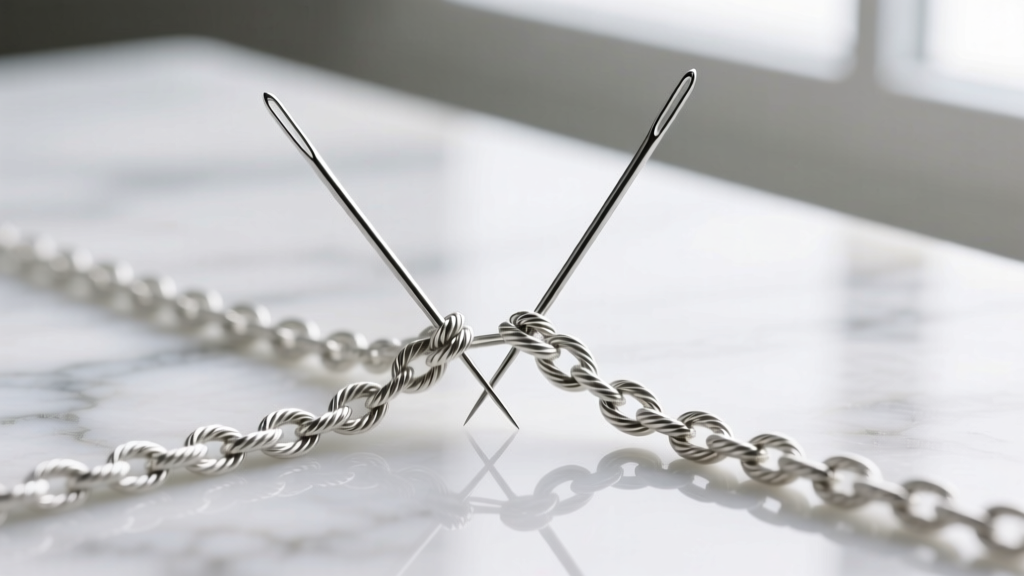
- Prepare the Surface: Lay the knotted necklace flat on a hard, smooth surface like a glass or marble countertop. Avoid fabric or carpet, as the fibers will catch on the links and obscure your view.
- Apply a Dry Lubricant: Dust the knot lightly with cosmetic talc, baby powder, or cornstarch. The powder acts as a dry lubricant, drastically reducing the friction between the metal links. (Avoid liquid oils, which can degrade certain porous gemstones like pearls or opals).
- Use Precision Tools: Take two fine-tipped sewing needles or beading awls. Insert the tips into the center of the knot.
- Wiggle, Don't Pull: Gently wiggle the needles back and forth to create microscopic gaps between the links. Slowly work the knot outward from the center. Never pull the ends of the chain, as this will only tighten the core of the knot.
- Clean the Chain: Once detangled, wash the chain in a mild solution of warm water and a few drops of dish soap to remove the talc, then pat dry with a microfiber cloth.
Master Jeweler's Tip: If you are dealing with a heavily tangled 14k or 18k gold chain, remember that higher karat gold is softer and more malleable. Apply even less pressure with your needles to avoid permanently stretching the links. If the knot is tighter than a pinhead, take it to a professional bench jeweler who can use a microscope and specialized micro-tweezers to resolve it in minutes.


