24k Gold Cross Necklace Guide: Purity, Durability & Style
Discover the truth about buying a 24k gold cross necklace. Learn about purity, durability, pricing, and how to choose the right chain for pure gold.
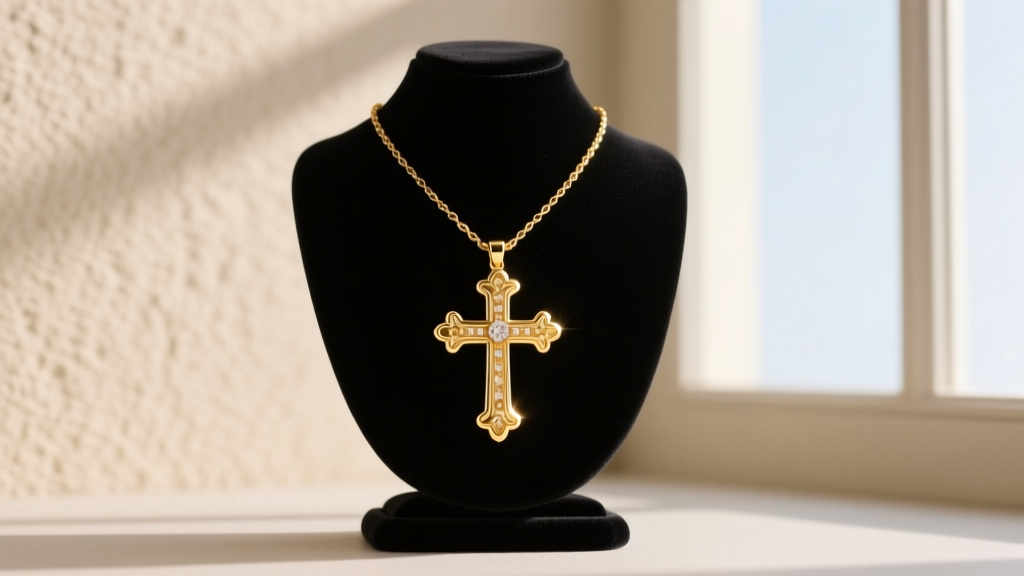

When shopping for meaningful, enduring jewelry, a 24k gold cross necklace often tops the wish list for its unmatched spiritual significance and brilliant, sunburst-yellow hue. However, the world of pure gold is fraught with misconceptions. Many beginners assume that 'higher karat' automatically translates to 'better everyday jewelry.' In reality, 24k gold presents unique metallurgical challenges that require specific care, chain pairings, and realistic expectations.
This beginner-friendly explainer cuts through the marketing fluff. We will break down the exact science of pure gold, compare solid versus plated options, and provide a concrete framework for buying a cross pendant that will actually survive daily wear.
The Metallurgical Reality of 24k Gold
To understand how a 24k gold cross necklace will behave, you must first understand its atomic structure. 24k gold is 99.9% pure gold. Unlike 14k (58.3% gold) or 18k (75% gold) alloys, it contains virtually no strengthening metals like copper, zinc, or silver.
Hardness and Vulnerability
According to the Gemological Institute of America (GIA), pure gold is exceptionally malleable. On the Mohs scale of mineral hardness, 24k gold sits at a mere 2.5—roughly the same hardness as a human fingernail. In industrial terms, its Vickers hardness (HV) is around 25, compared to 130 HV for standard 14k gold.
- The Bend Factor: A solid 24k cross with thin, elongated arms will easily bend if caught on clothing or subjected to pressure.
- Scratch Susceptibility: Pure gold will accumulate a 'patina' of micro-scratches very quickly. While some collectors love this antique look, beginners expecting a mirror finish will be disappointed.
- Bail Friction: The bail (the loop connecting the pendant to the chain) is the highest-friction point. A solid 24k bail will eventually wear through from the constant rubbing of a metal chain.
Solid 24k vs. 24k Plated: Decoding the Market
Because solid 24k gold is so soft and expensive, the market is flooded with alternatives. Understanding the terminology regulated by the Federal Trade Commission (FTC) Jewelry Guides is critical to avoiding overpriced imitations.

24k Gold Vermeil (Pronounced Ver-May)
Vermeil is a premium plating technique. By FTC standards, the base must be sterling silver (92.5% silver), and the gold plating must be at least 10k purity and a minimum of 2.5 microns thick. A 24k gold vermeil cross necklace offers the exact visual warmth of pure gold but relies on the structural rigidity of sterling silver. It is an excellent choice for intricate, detailed cross designs that would warp in solid 24k.
24k Gold-Filled
Gold-filled jewelry features a much thicker layer of gold mechanically bonded to a brass core. The gold layer must constitute at least 5% of the total weight of the item. A 24k gold-filled cross is highly durable, will not flake easily, and can last decades with proper care, making it a superior budget alternative to vermeil.
Solid 24k Gold
This is the real deal: pure gold all the way through. It will never tarnish, cause allergic reactions, or fade. However, it must be cast or stamped with significant thickness (usually 2mm to 4mm for the cross arms) to prevent bending.
Selecting the Right Chain for a Pure Gold Pendant
Gold is incredibly dense (19.32 g/cm³). A solid 24k gold cross pendant will be surprisingly heavy. Pairing it with the wrong chain is the most common beginner mistake, resulting in snapped links and lost pendants.
Gauge and Tensile Strength
Never hang a heavy solid 24k pendant on a thin 20-gauge or 22-gauge chain. The sheer weight of the pure gold will stretch the links and cause the clasp to fail. You need a chain between 12-gauge (2.0mm) and 14-gauge (1.6mm).
Best Chain Styles for Heavy Crosses
| Chain Style | Durability | Best For |
|---|---|---|
| Wheat Chain | Excellent | Heavy solid 24k crosses; woven links distribute weight evenly and resist kinking. |
| Rope Chain | Very Good | Medium to heavy pendants; the twisted design hides scratches well and offers high tensile strength. |
| Cuban Link | Excellent | Streetwear aesthetics; flat, interlocking links are incredibly difficult to snap. |
| Box Chain | Poor | Avoid for heavy pure gold; the square links are prone to kinking and snapping under dense weight. |
Pro Tip: Do not use a 24k gold chain to hold a 24k gold pendant. The friction of pure gold rubbing against pure gold will rapidly degrade the bail and the chain links. Instead, use a high-quality 14k or 18k gold chain, which provides the necessary alloy strength to support the pendant safely.
2026 Pricing Breakdown: What Should You Actually Pay?
Pricing for a 24k gold cross necklace varies wildly based on construction. Pure gold is priced based on the daily spot market plus a manufacturing premium. Below is a realistic pricing framework for a standard 1-inch (25mm) cross pendant.
- Solid 24k (5 to 8 grams): $450 – $750. (Highly dependent on daily spot gold prices and artisan premiums).
- 24k Gold Vermeil (Sterling Silver Base): $85 – $160. (Paying for the silver weight and the electroplating process).
- 24k Gold-Filled (Brass Base): $45 – $90. (The most cost-effective option for daily wear).
- 24k Gold Plated (Flash Plated): $15 – $30. (Avoid these; the microscopic gold layer will rub off within weeks).
Care, Maintenance, and Preventing Deformation
Because pure gold is so soft, your maintenance routine must focus on preventing physical deformation rather than just chemical cleaning. Pure gold is virtually immune to tarnish and will not react with chlorine or sulfur the way silver or lower-karat alloys do.

Safe Cleaning Protocols
Never use ultrasonic jewelry cleaners on a solid 24k cross. The high-frequency vibrations can actually cause micro-warping in thin areas of pure gold. Instead, use a few drops of mild dish soap in warm water. Soak the necklace for 10 minutes, gently agitate it with your fingers, rinse with distilled water, and pat dry with a lint-free microfiber cloth.
Storage and Wear Rules
- The 'Last On, First Off' Rule: Put your necklace on after applying perfumes, lotions, and hairsprays. While the gold won't tarnish, the bail and chain can accumulate sticky residue that attracts abrasive dust.
- Sleeping: Never sleep in a solid 24k gold cross. The pressure of your body weight against the mattress is the number one cause of bent cross arms and snapped bails.
- Storage: Store the necklace flat in a soft velvet pouch. Do not toss it into a jewelry box where heavier steel or platinum pieces can scratch or dent the soft pure gold.
Final Verdict: Is a 24k Gold Cross Right for You?
A 24k gold cross necklace is a magnificent, heirloom-quality piece that carries deep cultural and personal significance. Its rich, unmistakable yellow glow is something lower-karat alloys simply cannot replicate. However, it is not a 'buy it and forget it' accessory.
If you want an intricate, lightweight cross for daily, active wear, opt for a 24k gold vermeil or gold-filled piece over a sturdy sterling silver or brass core. If you are seeking a true investment piece and appreciate the soft, organic patina that pure gold develops over time, a solid, thick-cast 24k cross paired with a heavy 14k rope chain is an unparalleled choice. By understanding the metallurgy and respecting the softness of pure gold, your cross necklace will remain a beautiful staple for generations.