How to Select a Necklace for Wedding Gown Necklines (2026)
Discover how to choose the perfect necklace for wedding gown necklines. Expert tips on metals, lengths, and clasp security for your 2026 bridal look.

Selecting the ideal necklace for wedding gown pairings requires a meticulous balance of proportions, metallurgy, and structural security. While many bridal guides focus solely on aesthetic matching, a true 2026 bridal jewelry strategy must account for the physical demands of a 12-hour wedding day. From the degradation of rhodium plating under studio lighting to the catastrophic failure of inadequate clasps during the reception, the details matter. This comprehensive buying guide breaks down the exact specifications, material grades, and neckline architectures you need to consider before making your final selection.
The Architecture of Bridal Necklines
The neckline of your gown dictates not just the length of the chain, but the optical weight of the pendant or gemstone arrangement. According to The Knot, the most common bridal mistake is allowing the jewelry to compete with intricate bodice beading rather than complementing it.
Sweetheart and Strapless Silhouettes
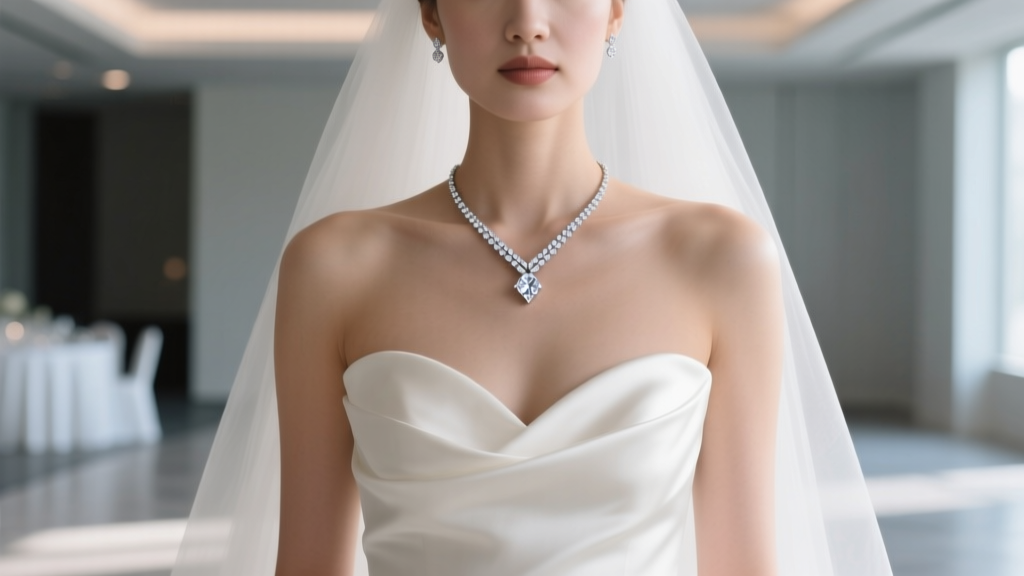
A sweetheart neckline creates a natural horizontal frame across the collarbone, leaving the décolletage entirely exposed. The optimal necklace length here is the Princess length (17 to 19 inches), which allows a central pendant to rest precisely in the negative space above the bodice's dip. Avoid wide, multi-strand collar necklaces, as they will visually chop the neck and clash with the curved seam of the gown. Instead, opt for a single solitaire pendant on a 1.5mm to 2.0mm box chain. The box chain's flat, geometric links reflect light beautifully against bare skin without tangling in delicate tulle or lace overlays.
Plunging V-Neck and Deep Scoop
For deep V-necks, you must follow the geometry of the fabric. A Y-necklace or a lariat style with a 2-inch to 3-inch drop elongates the torso and mirrors the gown's plunging angle. If you prefer a traditional chain, a Matinee length (20 to 24 inches) is required. Ensure the pendant features a V-shaped bail (the loop connecting the stone to the chain) to maintain visual continuity. Heavy mikado or structured crepe fabrics demand a pendant with substantial carat weight or a cluster setting (minimum 2.5 total carats) so the jewelry does not look diminutive against the bold fabric.
Halter and High Illusion Necklines
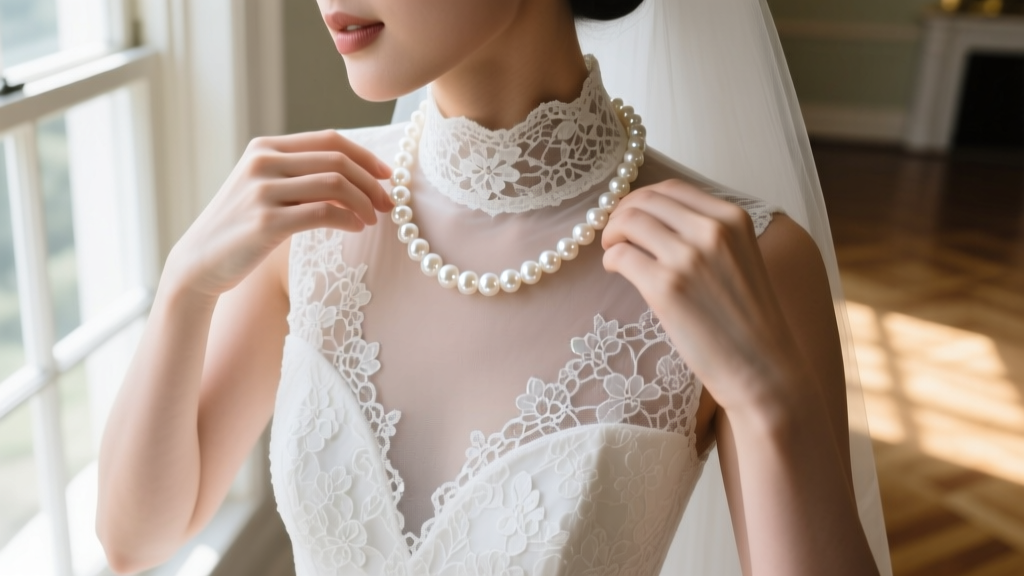
Halter gowns and high-neck illusion lace bodices leave zero negative space for a traditional pendant. Wearing a necklace here creates visual clutter and risks snagging delicate illusion tulle. The expert workaround is to abandon the pendant entirely and opt for a 14-inch to 15-inch articulated diamond tennis choker. An articulated setting features individual hinged links that lay perfectly flush against the clavicle, providing intense brilliance without the swinging pendulum effect that could catch on high-neck lace appliqués.
Metallurgy and Gemstone Durability for All-Day Wear
A wedding day involves temperature fluctuations, emotional tears, and physical exertion. The metals and gemstones you choose must withstand these elements. According to the Gemological Institute of America (GIA), organic gems require vastly different care than crystalline stones.
| Metal / Material | Purity Grade | Durability & Maintenance Notes | Best For |
|---|---|---|---|
| Platinum | 950 (95% Pure) | Hypoallergenic, naturally white, heavy. Develops a patina over time but loses no metal when scratched. | Heavy diamond pendants, heirloom pieces, sensitive skin. |
| White Gold | 18k (75% Pure) | Alloyed with palladium or nickel. Requires rhodium plating. Sweat and friction can wear plating down in hours. | Intricate, lightweight filigree pendants. |
| Rose Gold | 14k (58.5% Pure) | Alloyed with copper. Extremely durable, does not require plating. Warm tone contrasts beautifully with ivory gowns. | Boho, vintage, or outdoor garden weddings. |
| Akoya Pearls | N/A (Organic) | Mohs hardness 2.5-4.5. Highly porous. Degrades rapidly when exposed to acidic sweat, perfume, or hairspray. | Classic ballgowns (Must be put on AFTER all cosmetics). |
Expert Warning on Pearls: Never allow a hairstylist to spray setting spray or dry shampoo while you are wearing a pearl necklace. The aerosolized alcohol and polymers will permanently etch the pearl's nacre, dulling its luster. Always follow the 'last on, first off' rule.
Precision Lengths and Chain Gauges
The thickness of your chain (gauge) must be mathematically proportionate to the weight of your pendant. A common failure point in bridal jewelry is pairing a heavy, multi-carat diamond drop with a fragile 0.8mm thread chain.
- Under 2 Grams (Delicate Solitaires): A 0.9mm to 1.2mm cable chain is sufficient. It offers a 'barely there' aesthetic that keeps the focus entirely on the gemstone.
- 2 to 5 Grams (Cluster Pendants & Halos): Upgrade to a 1.5mm to 2.0mm box or wheat chain. Wheat chains, with their braided, interlocking links, offer superior tensile strength and resist kinking when the bride moves her head frequently.
- Over 5 Grams (Statement Pieces & Tennis Necklaces): Require a minimum 2.5mm gauge with reinforced soldered links. Tennis necklaces should feature flexible, articulated joints to prevent the chain from snapping under the torque of a sudden head turn.
Clasp Mechanics: Preventing Catastrophic Failures
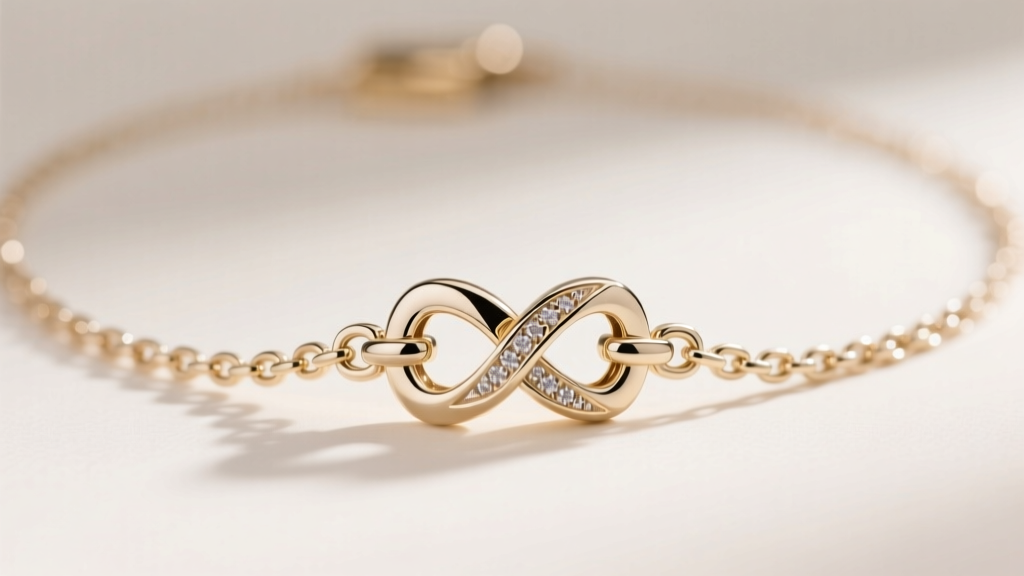
The clasp is the single most critical structural component of your necklace. Standard spring ring clasps (the small circular clasps with a tiny pull-back lever) are notoriously unreliable for bridal wear. The internal spring mechanism is prone to clogging from hairspray and makeup, and the lever can easily catch on lace, pulling the clasp open without the wearer noticing.
For any pendant over 1.5 grams, insist on a lobster clasp. Lobster clasps feature a solid, spring-loaded lever that locks securely into the jump ring. For high-value tennis necklaces or heavy statement pieces, the only acceptable hardware is a hidden box clasp with a figure-eight safety catch. The box clasp provides a seamless, invisible closure, while the figure-eight wire acts as a secondary physical barrier; even if the primary box latch fails, the tension wire will hold the necklace securely around your neck while you notice the issue. As highlighted by Brides Magazine, checking your clasp security is just as vital as checking your gown's bustle.
The Final Fitting Checklist
Before finalizing your purchase and heading to the altar, run through this expert checklist to ensure your necklace for wedding gown pairing is flawless:
- The Mirror Distance Test: View the necklace from 10 feet away in a full-length mirror. If the pendant disappears against the intricate beading of your bodice, you need a larger stone or a simpler gown.
- The Friction Check: Wear the necklace with your gown during the final alteration fitting. Move your arms, sit down, and mimic dancing to ensure the chain does not catch on any sequins, beads, or lace edges.
- The Metal Match: Ensure the undertone of your metal matches your engagement ring and wedding band. Mixing platinum (cool, grayish-white) with 14k rose gold (warm, pinkish) on the same focal plane can look disjointed in high-definition photography.
- The Skin Sensitivity Test: Wear the piece for a full 8 hours at home a week before the wedding to ensure no allergic reactions to nickel alloys or soldering fluxes occur.
By prioritizing structural integrity, precise proportions, and material science over fleeting trends, you will secure a bridal necklace that not only looks breathtaking in your 2026 wedding portraits but remains a durable, wearable heirloom for decades to come.


