24k Gold Necklace Womens Value Guide: 2026 Investment Tips
Assess the true value of a 24k gold necklace womens wear. We break down 2026 spot prices, durability limits, and pure gold investment realities.

The Purity Paradox: Understanding 99.9% Gold
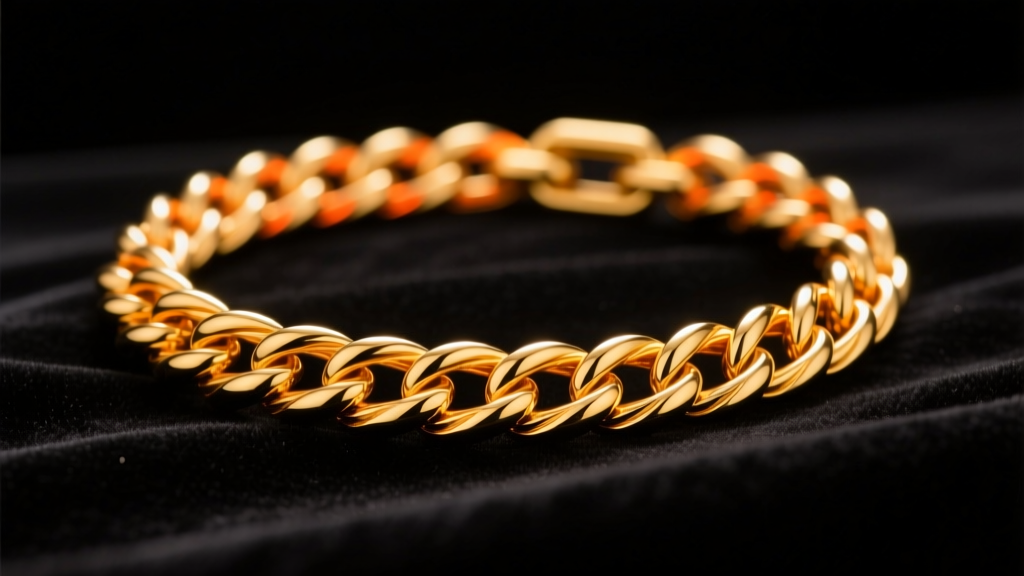
Finding a high-quality 24k gold necklace womens collectors and investors trust requires a deep understanding of precious metal markets and material science. Pure gold, stamped as 999 or 24k, consists of 99.9% gold with virtually no alloyed metals. This absolute purity gives the metal its legendary, deep orange-yellow luster and ensures it will never tarnish, oxidize, or cause allergic reactions. However, this chemical purity comes with a severe physical trade-off.
On the Vickers hardness scale, 24k gold measures a mere 25 to 30 HV. By comparison, 18k gold (75% pure) sits around 125 HV, and 14k gold (58.3% pure) reaches up to 160 HV. This means a pure gold chain is exceptionally soft. It can be scratched by a copper coin, bent with moderate finger pressure, and stretched under the weight of a heavy pendant. According to the Gemological Institute of America (GIA), pure gold's malleability makes it ideal for casting and intricate cultural designs, but highly problematic for delicate, everyday structural chains.
2026 Market Pricing: Spot Value vs. Retail Premiums
When evaluating the budget and value of pure gold jewelry in 2026, buyers must separate the intrinsic melt value from the retail 'making charge' (premium). Unlike 14k or 18k jewelry, where the markup for design and brand prestige often exceeds the gold value, a 24k gold necklace is priced much closer to the commodities market.
To calculate the baseline value, you must track the daily spot price. Data from the Kitco commodities exchange shows gold maintaining historically high per-ounce valuations throughout 2026. To find the gram price, divide the troy ounce spot price by 31.103. Below is a value assessment table based on an estimated 2026 spot price of $75.00 per gram.
| Chain Weight (Grams) | Intrinsic Spot Value | Avg. Retail Premium (8-15%) | Estimated Retail Price | Best Use Case |
|---|---|---|---|---|
| 5g - 10g | $375 - $750 | $60 - $112 | $435 - $862 | Lightweight cultural pendants, short chokers |
| 15g - 25g | $1,125 - $1,875 | $112 - $281 | $1,237 - $2,156 | Standard Thai Baht chains, medium collars |
| 30g - 50g | $2,250 - $3,750 | $180 - $375 | $2,430 - $4,125 | Heavy woven chains, investment-grade torcs |
| 100g+ | $7,500+ | $500+ | $8,000+ | High-net-worth wearable bullion, temple jewelry |
As highlighted by the World Gold Council, jewelry demand in Asian and Middle Eastern markets heavily influences 24k premiums. In regions like Dubai or Chennai, making charges on 24k chains can be as low as 5% to 8%. In Western markets, where 24k is treated as a niche luxury or art piece, premiums can artificially inflate to 20% or more. Always demand a gram-weight receipt and calculate the premium yourself before purchasing.
Structural Integrity: Which Chain Styles Survive?
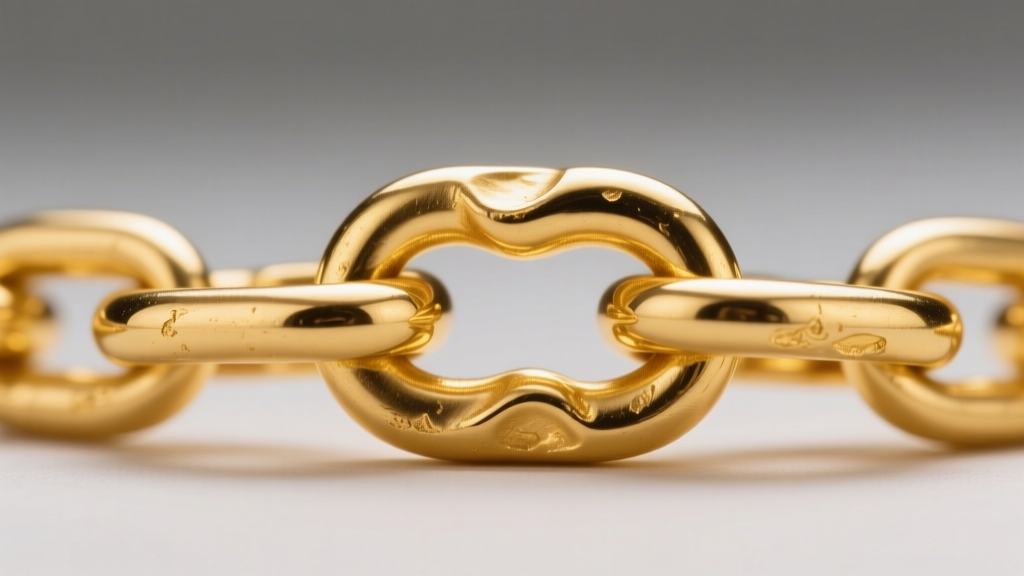
Because 24k gold lacks the structural memory of alloyed metals, it is highly susceptible to 'creep'—the slow, permanent deformation of metal under constant stress. A chain that experiences daily pulling, snagging, or torque will permanently stretch and eventually snap. Therefore, the architecture of the chain is just as important as the material.
Styles to Avoid in 24k Gold
- Box Chains: The sharp 90-degree folds in the links act as stress concentrators. In pure gold, these folds will quickly warp, causing the chain to kink and break.
- Snake Chains: The tightly interlocked, smooth tubes have zero flexibility. If bent, a 24k snake chain will permanently dent and cannot be repaired without melting.
- Thin Cable Chains (Under 2mm): The thin wire will stretch into ovals under the weight of even a lightweight 2-gram pendant.
Styles Engineered for Pure Gold
- Thai Baht Chains: Featuring thick, interlocking, rounded links, these chains distribute weight evenly and resist kinking. They are the global standard for 24k wearable bullion.
- Chinese Woven / Basket Chains: The dense, braided wire structure provides immense tensile strength, compensating for the softness of the metal.
- Solid Torcs and Bangles: Rigid neck rings that rely on thickness rather than link mechanics, making them highly durable for daily wear.
Pro-Tip on Clasps: A standard 24k lobster clasp will bend open within weeks of daily wear. High-quality 24k chains utilize a hidden, spring-loaded stainless steel mechanism encased in a 24k gold sleeve, or a thick, friction-fit toggle clasp to ensure the chain stays secure without compromising the pure gold aesthetic.
Investment Value vs. Wearability: The Alternatives
Is a pure gold necklace a sound financial investment? The answer depends on your liquidity needs. Pure gold jewelry is highly liquid; pawn shops and gold dealers worldwide will buy it back based on its exact melt weight. However, you will lose the retail premium (the 8-15% making charge) upon resale. If your primary goal is purely financial investment, purchasing 24k gold coins or minted bars is vastly superior, as their premiums are lower and their resale spreads are tighter.
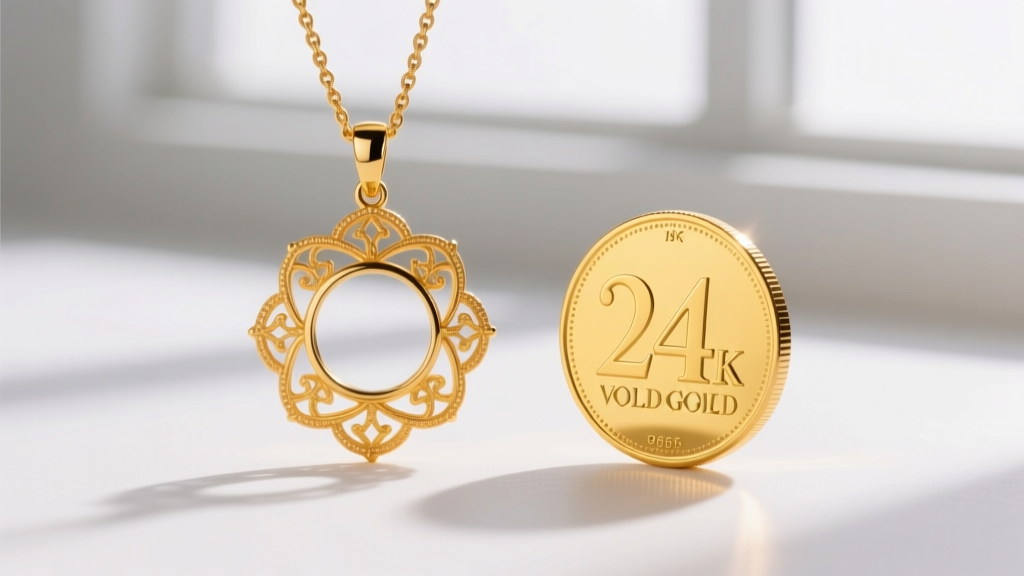
If your goal is a daily-wear necklace that retains a rich yellow color but offers practical durability, consider these alternatives:
The 22k Compromise (91.6% Pure)
Alloying just 8.4% of the metal with copper and silver drastically increases the Vickers hardness to roughly 70-90 HV. 22k gold retains the deep, warm yellow hue of pure gold but is robust enough to support intricate pendants and standard chain links. It remains the standard for high-end traditional jewelry in India and the Middle East.
The 18k Standard (75% Pure)
For necklaces that feature diamond or gemstone settings, 24k and 22k are entirely unsuitable; the prongs will bend and drop the stones. 18k gold offers the perfect intersection of luxury, rich color, and structural integrity, making it the undisputed king of Western fine jewelry.
Final Verdict: The 2026 Buying Checklist
Purchasing pure gold jewelry is a commitment to both cultural heritage and material reality. Before finalizing your acquisition, run through this essential checklist:
- Verify the Hallmark: Look for the '999' or '24k' stamp, ideally accompanied by a recognized refiner's mark or national assay office stamp.
- Calculate the Premium: Check the daily spot price per gram and ensure the retailer's making charge does not exceed 15% unless the piece features exceptional, museum-grade artisan craftsmanship.
- Assess the Clasp: Ensure the clasp contains a hidden steel spring mechanism or is a heavy-duty toggle. Never trust a pure gold spring ring.
- Consider the Weight: For a durable, everyday chain, do not purchase anything under 15 grams. Thinner chains will stretch and fail.
- Plan for Storage: Because 24k scratches easily, store the necklace in a dedicated, soft velvet-lined box away from harder metals like platinum, steel, or 14k gold.
Ultimately, a pure gold necklace is less of a traditional accessory and more of a wearable asset. By respecting the physical limitations of the metal and understanding the mathematics of the commodities market, you can secure a piece that holds both profound aesthetic beauty and enduring intrinsic value.


