Is a 925 JWBR Necklace Worth Buying? Value & Appraisal Guide
Discover the true market value of a 925 JWBR necklace. Learn how to appraise sterling silver hallmarks, calculate melt value, and spot vintage premiums.

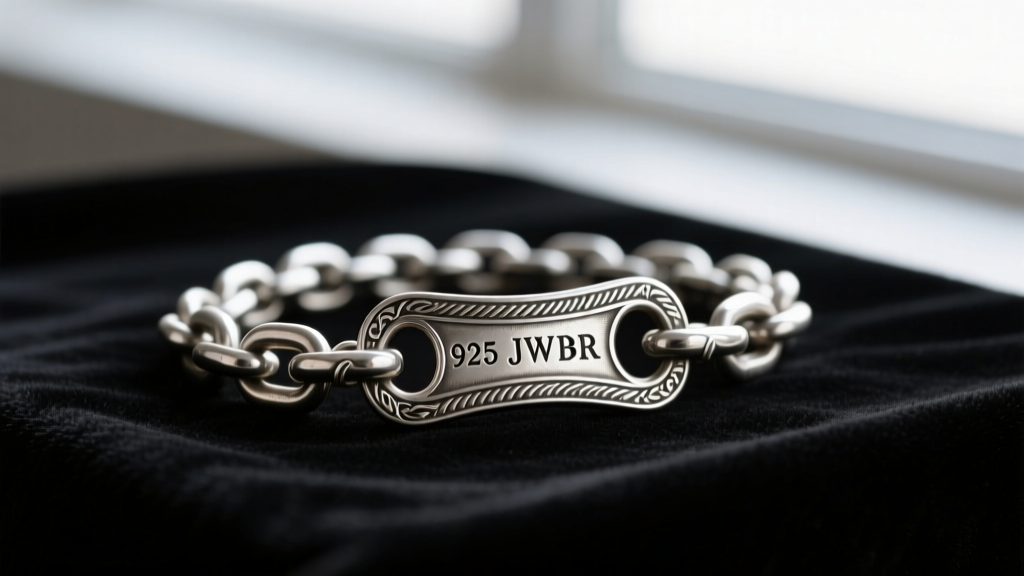
Decoding the "925 JWBR" Hallmark: What Does It Actually Mean?
When browsing estate sales, antique shops, or online auctions, you may stumble across a piece stamped with specific hallmarks that leave you wondering about its true worth. The 925 JWBR necklace is one such item that frequently appears in vintage jewelry lots, thrift store displays, and inherited collections. But what does this specific combination of numbers and letters actually mean? More importantly, how do you separate a genuine sterling silver bargain from an overpriced piece of costume jewelry?
The "925" stamp is the universal standard for sterling silver, indicating that the alloy consists of 92.5% pure silver and 7.5% secondary metals (usually copper for durability). The "JWBR" inscription is a maker's mark, also known as a sponsor's mark. According to the Lang Antiques Antique Jewelry University, maker's marks are crucial for tracing the origin of a piece. While "JWBR" is not associated with a single, globally famous luxury house like Tiffany & Co., it is a recognized stamp often linked to mid-century commercial silversmiths, imported Italian chain manufacturers, or specific regional jewelers who produced high-quality, accessible silver goods.
Understanding this distinction is the first step in your budget and value assessment. You are not paying for a massive brand-name premium; you are evaluating the intrinsic metal value, the quality of the craftsmanship, and the vintage appeal of the piece.
The Melt Value vs. Craftsmanship Premium
To accurately assess the budget viability of a 925 JWBR necklace, you must understand the difference between its "melt value" (the raw silver content) and its "craftsmanship premium" (the value added by the chain weave, clasp mechanics, and vintage desirability). As of early 2026, silver spot prices remain highly volatile but generally hover in the $30 to $35 per troy ounce range. You can track real-time fluctuations via Kitco's Silver Spot Price dashboard.
To calculate the base melt value of your necklace, use this formula:
(Weight in Grams × 0.925 × Current Spot Price per Gram)
Below is a quick-reference table to help you estimate the baseline scrap value of common necklace weights based on a hypothetical $32/oz spot price (approximately $1.03 per gram of pure silver):
| Necklace Style | Average Weight (Grams) | Pure Silver Content (g) | Estimated Melt Value (USD) |
|---|---|---|---|
| Delicate Cable Chain (16") | 5g - 8g | 4.6g - 7.4g | $4.75 - $7.60 |
| Standard Figaro Chain (18") | 15g - 25g | 13.8g - 23.1g | $14.20 - $23.80 |
| Heavy Rope Chain (20") | 40g - 60g | 37.0g - 55.5g | $38.10 - $57.15 |
| Chunky Curb Link (22") | 75g - 100g+ | 69.3g - 92.5g | $71.30 - $95.20+ |
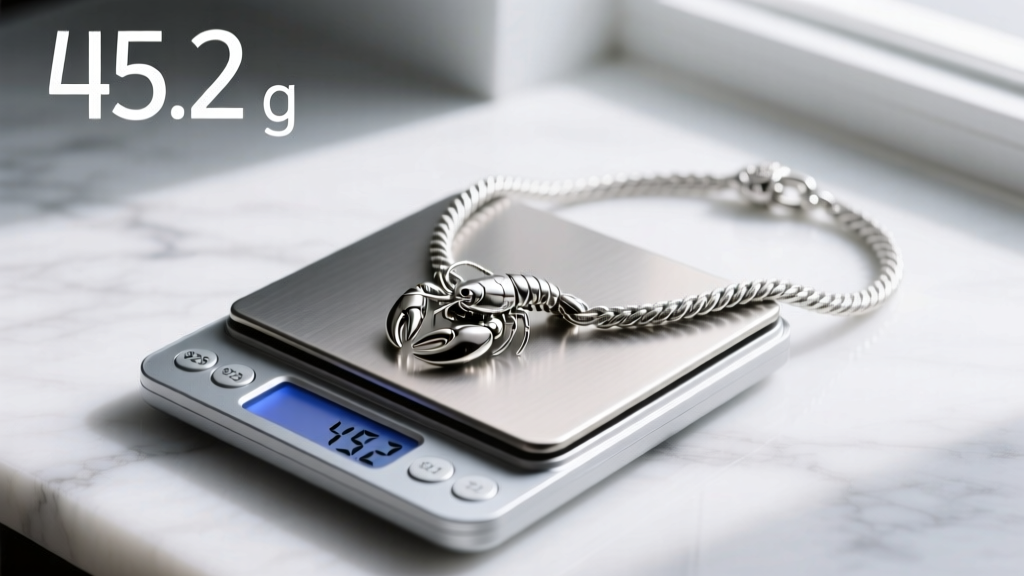
If a seller is asking $150 for a standard 20-gram Figaro 925 JWBR necklace, they are charging a massive 600% markup over the melt value. However, if the chain features a complex, hand-assembled weave like a Byzantine or a tightly woven Wheat pattern, a craftsmanship premium of 2x to 4x the melt value is entirely justified in the retail market.
Step-by-Step Appraisal Framework for Estate Necklaces
Before handing over any cash, put the necklace through this rigorous three-step appraisal framework to verify its authenticity and condition.
Step 1: The Neodymium Magnet Test
Sterling silver is paramagnetic, meaning it exhibits no noticeable attraction to a magnet. Take a strong neodymium rare-earth magnet and hold it near the chain and the clasp. If the chain jumps to the magnet, it is likely silver-plated steel or a base metal alloy. Note: The internal spring mechanism inside a lobster clasp or spring-ring clasp is made of steel and will be magnetic. Focus your magnet test strictly on the chain links and the pendant body.
Step 2: The Acid Assay Test
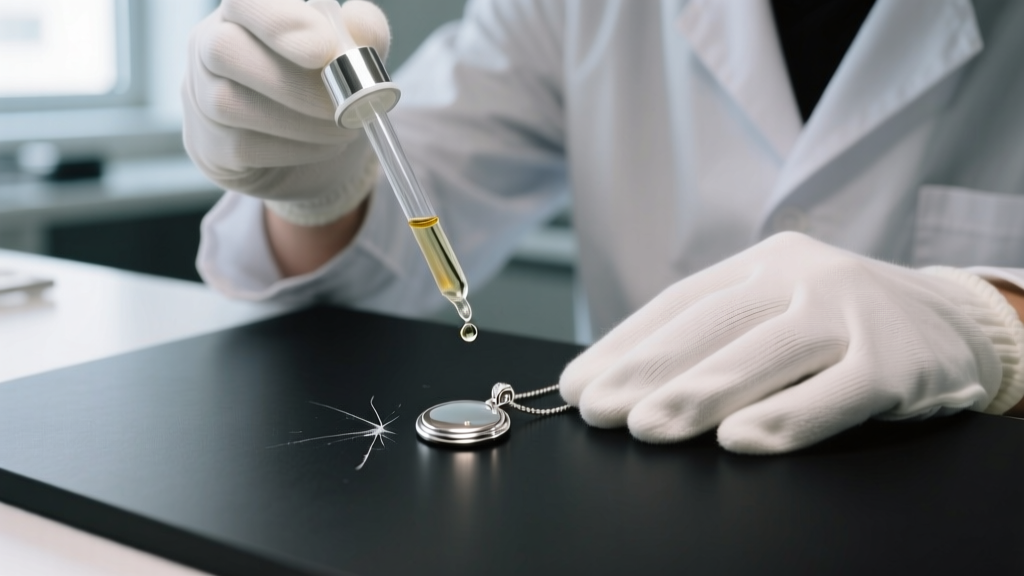
For absolute certainty, jewelers use Schwerter's solution or a diluted nitric acid test. By making a microscopic scratch on an inconspicuous link and applying a drop of acid, you can read the reaction. According to the Gemological Institute of America (GIA), genuine 925 sterling silver will turn a dark, blood-red or chocolate brown. If the acid turns bright green, you are looking at a base metal like brass or copper that has been heavily silver-plated and fraudulently stamped.
Step 3: Evaluating the Clasp and Solder Joints
Inspect the solder joints where the clasp meets the chain. High-quality vintage JWBR pieces will feature clean, flush solder rings with no excess globbing. Furthermore, check the tension of the clasp. A worn-out spring ring that fails to snap shut securely detracts roughly $15 to $25 from the retail value, as the buyer will need to pay a jeweler to replace it.
The Threat of Counterfeit Stamps
In the budget jewelry market, counterfeit hallmarks are a persistent issue. Mass-produced base-metal chains from overseas are frequently stamped with "925" and random letter combinations to mimic vintage maker's marks. To spot a fake 925 JWBR necklace, look for the "bleed." Examine the high-friction areas of the necklace, such as the links nearest to the clasp. If you see a yellowish or reddish hue bleeding through the silver coating, the piece is electroplated brass or copper. True sterling silver will tarnish to a dark grey or black, but it will never reveal a different colored metal underneath.
Common Pricing Tiers for 925 JWBR Silver Necklaces
When negotiating a purchase or setting a selling price, categorize the necklace into one of these three market tiers:
- Tier 1: Scrap / Melt Value ($15 - $60) - The chain is broken, severely kinked, or heavily tarnished beyond easy cleaning. Buyers in this tier are purchasing strictly for the raw silver content.
- Tier 2: Wearable Estate ($60 - $180) - The necklace is intact, features a sturdy clasp, and boasts a desirable weave (e.g., Rope, Box, or Figaro). This is the sweet spot for budget-conscious buyers looking for everyday sterling silver without retail mall markups.
- Tier 3: Vintage / Collectible ($200 - $400+) - The piece features an exceptionally rare weave, includes semi-precious gemstone inlays, or the "JWBR" mark can be definitively traced to a highly sought-after mid-century artisan collective. These pieces sell on specialized auction platforms rather than local pawn shops.
Where to Buy and Sell for Maximum Return
If you are buying, your best budget opportunities lie in estate liquidations, local pawn shops (where staff may not research the specific weave premium), and thrift stores. Avoid buying from Instagram or TikTok ads, where dropshippers frequently sell silver-plated chains with fake 925 stamps at inflated prices.
If you are selling, never take a wearable 925 JWBR necklace to a scrap buyer or a "cash for gold" kiosk. They will only pay you 60% to 75% of the melt value, entirely ignoring the craftsmanship. Instead, clean the piece gently with a specialized silver polishing cloth, take high-resolution macro photos of the hallmark and the clasp, and list it on platforms like eBay or Etsy. Search for "sold listings" of similar chain weaves and weights to price your item competitively within the Tier 2 wearable estate range.
Final Verdict: Is It Worth the Investment?
A genuine 925 JWBR necklace is an excellent budget-friendly acquisition, provided you are paying a fair price relative to its weight and weave complexity. By mastering the magnet test, understanding current silver spot prices, and recognizing the difference between machine-made and hand-finished links, you can confidently navigate the secondary jewelry market. You aren't just buying a necklace; you are acquiring a tangible, wearable asset with intrinsic value that will outlast fleeting fashion trends.


