Chew Necklaces in 2026: The Adult Sensory Jewelry Trend
Discover how chew necklaces are evolving in 2026. Explore adult sensory jewelry trends, safe silicone grades, and styling tips for oral seekers.


For years, oral sensory tools were strictly confined to the realms of pediatric therapy and clinical settings. However, the fashion and wellness landscapes have undergone a massive paradigm shift. In 2026, chew necklaces have transcended their utilitarian roots to become a cornerstone of neuro-inclusive fashion. Often referred to as 'chewelry,' these pieces are now designed for adults navigating ADHD, autism spectrum disorder (ASD), anxiety, or simply those who require oral proprioceptive input to maintain focus in high-stress environments.
The modern adult chew necklace no longer looks like a brightly colored teething toy. Today's market demands 'stealth sensory' jewelry—pieces that provide vital tactile feedback while mimicking the aesthetics of high-end minimalist pendants, carved stones, and matte ceramics. This comprehensive guide breaks down the material science, safety standards, and styling techniques defining the adult chew necklace trend this year.
The Evolution of Chew Necklaces: From Clinical to Couture
The stigma surrounding sensory aids has rapidly dissolved, driven by a broader cultural embrace of neurodiversity and mental health awareness. According to the American Occupational Therapy Association, oral motor input can significantly help regulate the nervous system, reducing anxiety and improving concentration. As the adult neurodivergent community has gained purchasing power, jewelry designers have responded by merging clinical efficacy with contemporary style.
In 2026, the leading chewelry brands are collaborating with industrial designers to create pendants that feature architectural lines, muted earth tones, and sophisticated textures. The goal is dual-purpose functionality: a piece that commands respect in a corporate boardroom while secretly serving as a discreet grounding tool during an overwhelming meeting.
Material Science: What Makes a Safe and Stylish Chew Pendant?
Not all silicone is created equal. When a piece of jewelry is meant to be subjected to the human bite force—which can exceed 150 PSI in the molars—the material integrity is a matter of health and safety.
Platinum-Cured vs. Peroxide-Cured Silicone
Premium chew necklaces exclusively use 100% platinum-cured, food-grade silicone. Unlike peroxide-cured silicone, which can emit a vinegar-like odor and leave toxic chemical byproducts, platinum-cured silicone is biocompatible, odorless, and completely free of BPA, BPS, PVC, phthalates, and latex. It meets the stringent requirements for food-contact substances outlined by the FDA.
Understanding the Shore A Hardness Scale
The most critical metric for choosing a chew necklace is the Shore A Hardness Scale, which measures the firmness of the silicone. Selecting the wrong durometer can lead to rapid destruction of the pendant or inadequate sensory feedback.
- Soft (30A - 40A): Similar to a gummy bear. Ideal for light, passive chewers who prefer to mouth or suck on the pendant rather than bite down aggressively.
- Medium (50A - 60A): Similar to a pencil eraser. The most versatile option, offering a satisfying resistance for moderate, everyday chewers.
- Firm (70A+): Similar to a rubber tire tread. Essential for aggressive chewers who easily destroy softer toys. Often textured with deep grooves to provide maximum jaw feedback.
The Anatomy of a Safe Breakaway Clasp
A major red flag in cheap, mass-market chewelry is the use of standard lobster clasps. Adult chew necklaces must feature a certified breakaway safety clasp. Because chewelry can easily become snagged on furniture or grabbed in a moment of distress, the clasp must automatically pop open when subjected to 5 to 15 pounds of tensile force. This prevents severe strangulation hazards. High-end brands utilize 316L surgical stainless steel or reinforced acetal polymer for these breakaway mechanisms, ensuring they do not degrade when exposed to saliva.
2026 Trend Forecast: Aesthetics Meeting Oral Sensory Needs
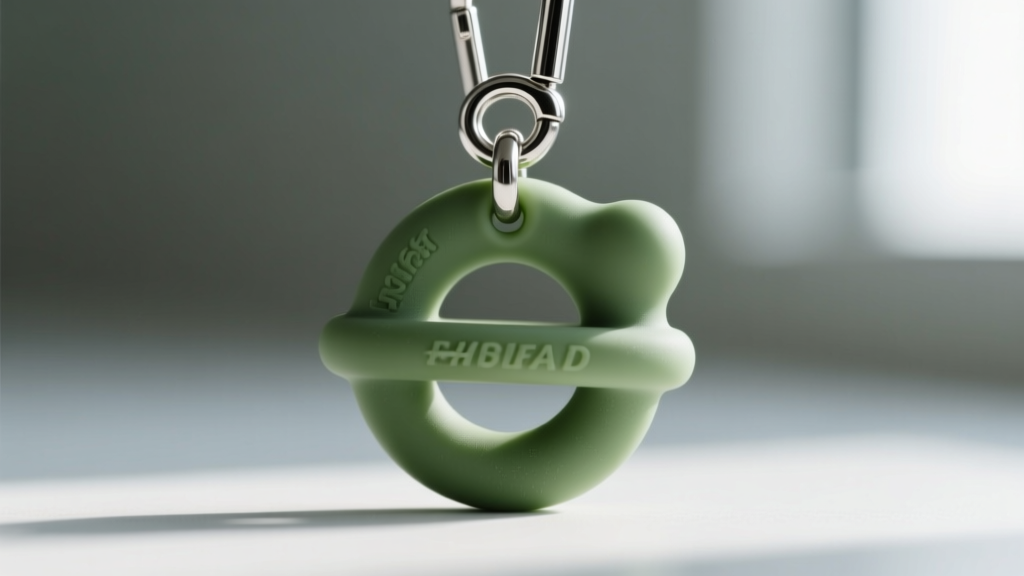
This year's trend reports highlight a departure from primary colors and cartoonish shapes. The 'stealth sensory' movement favors pendants that emulate natural materials. Matte-finished silicone is being molded to mimic the look of unpolished slate, terracotta, and pumice. Furthermore, geometric shapes—such as hexagons, asymmetrical teardrops, and twisted torcs—are dominating the market, offering varied surface areas and ridges that stimulate the palate and gums differently than smooth, round beads.
Comparing Silicone Firmness and Aesthetic Styles
| Shore A Grade | Chewer Profile | 2026 Popular Shapes | Best Texture for Feedback |
|---|---|---|---|
| 30A - 40A (Soft) | Light / Passive | Smooth Pebbles, Teardrops | Polished, gentle curves |
| 50A - 60A (Medium) | Moderate / Daily | Hexagons, Twisted Torcs | Matte finish, shallow ridges |
| 70A+ (Firm) | Aggressive / Heavy | Thick Cylinders, Knots | Deep grooves, faux-stone pitting |
How to Style Sensory Jewelry for the Workplace
Integrating a chew necklace into a professional wardrobe requires strategic layering and proportion management. Because chew pendants are inherently thicker and more voluminous than standard jewelry, they serve best as statement pieces.
Pairing with Necklines
- Crew Necks & Turtlenecks: Opt for a shorter, 24-inch cord that allows a medium-sized geometric pendant to rest just above the collarbone. This prevents the silicone from dragging against the fabric and creating friction.
- V-Necks & Scoop Necks: A longer, 30-inch cord with a heavier, elongated teardrop pendant complements the vertical line of the neckline, drawing the eye downward and mimicking a traditional lariat or Y-necklace.
The Art of Layering
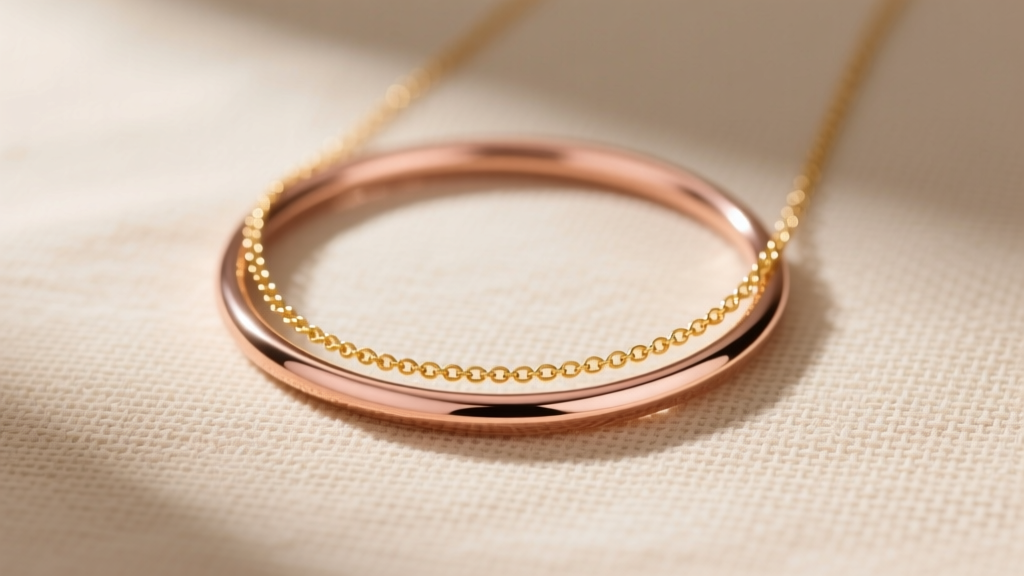
To disguise the utilitarian nature of the silicone, layer your chew necklace with delicate metallic chains. A 50A matte charcoal silicone pendant looks incredibly chic when layered with a 20-inch 14k gold-filled cable chain and a small metallic signet ring. The contrast between the soft, light-absorbing silicone and the reflective metal elevates the entire look, making it indistinguishable from avant-garde designer jewelry.
Safety Standards and Red Flags to Avoid
As the demand for adult sensory jewelry has skyrocketed, so has the influx of unregulated knockoffs on major e-commerce platforms. When shopping for chew necklaces, vigilance is paramount. The Consumer Product Safety Commission (CPSC) maintains strict guidelines regarding heavy metals and phthalates in items that are mouthed, standards that responsible adult chewelry brands voluntarily adhere to.
Red Flags to Watch For:
- Vinegar Odor: Indicates cheap peroxide-cured silicone or degrading plasticizers.
- Standard Lobster Clasps: A severe strangulation risk; always demand a breakaway mechanism.
- Glued Components: Hardware should be mechanically molded into the silicone or securely knotted. Toxic cyanoacrylate glues should never be used near the mouth.
- Unbranded Cords: The neck cord should be made of high-tensile nylon or Kevlar wrapped in soft, washable cotton, capable of withstanding repetitive pulling without fraying.
Final Thoughts on the Chewelry Movement
The maturation of the chew necklace market in 2026 represents a triumph of inclusive design. By respecting the biological needs of oral sensory seekers while honoring their desire for sophisticated, adult-appropriate aesthetics, the jewelry industry is proving that accessibility and high fashion are not mutually exclusive. Whether you are seeking a 70A firm pendant to survive a high-stakes negotiation or a soft 30A teardrop for quiet evening decompression, today's chew necklaces offer a safe, stylish, and scientifically sound solution for self-regulation.


