The Complete AE Necklace Buying Guide: What to Look For
Discover what to look for when buying an AE necklace. Learn about base metals, plating thickness, chain hardware, and how to make fashion jewelry last.

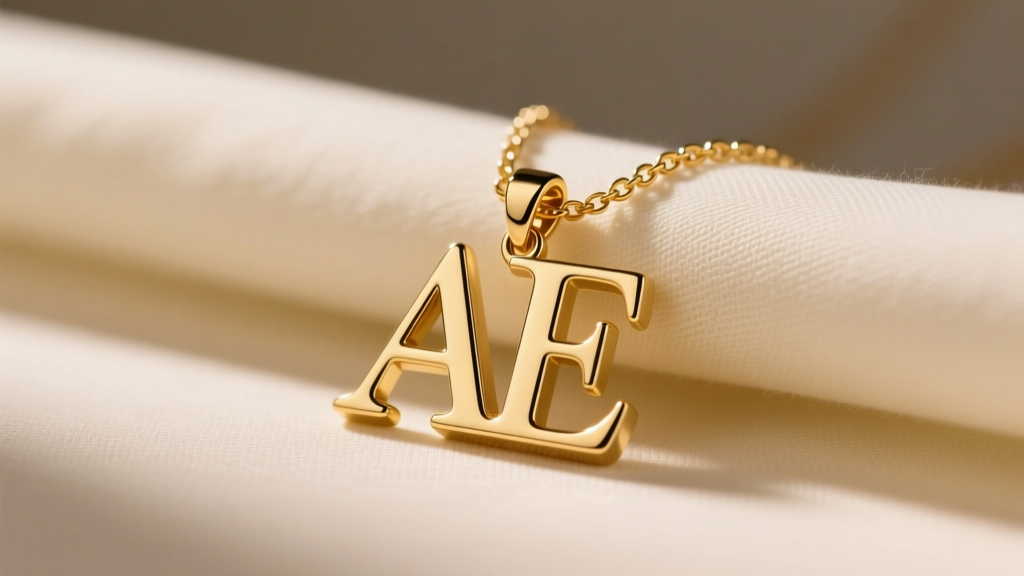
When shoppers search for an AE necklace, they are typically hunting for American Eagle's highly popular fashion jewelry lines. Known for their trendy initial pendants, zodiac motifs, and accessible layering sets, AE necklaces are a staple in modern accessory wardrobes. However, because these pieces fall into the fashion jewelry category rather than fine jewelry, understanding their metallurgy and construction is critical for making a smart purchase. As of 2026, manufacturing standards for fashion jewelry have evolved, but buyers still need to know how to evaluate base metals, plating longevity, and hardware durability to ensure their investment doesn't tarnish after a single season.
The Reality of AE Necklace Base Metals
The foundation of any AE necklace dictates its weight, durability, and potential to cause skin irritation. American Eagle primarily utilizes two base metals for their pendant and chain collections: brass and Zamak.
Brass vs. Zamak Alloys
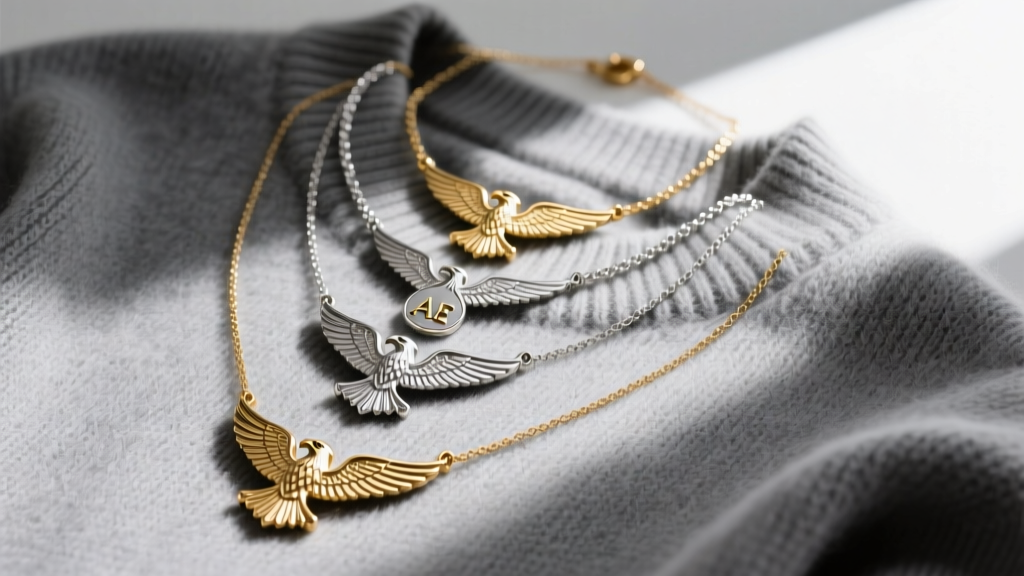
Brass (an alloy of copper and zinc) is the industry standard for fashion jewelry chains. It offers excellent tensile strength, meaning a delicate 1mm brass cable chain can withstand daily pulling without snapping. Pendants, however, are often cast from Zamak, a zinc-based alloy containing aluminum, magnesium, and copper. Zamak is favored for intricate designs—like the detailed AE eagle motifs or textured zodiac discs—because it flows beautifully into complex molds and has a satisfying, heavy weight that mimics solid silver or gold. The drawback? Zamak is inherently brittle. If dropped on a hard surface, a thick Zamak pendant can chip or fracture, whereas brass would merely dent.
Plating Technology: Flash vs. PVD
The most common point of failure in fashion jewelry is the plating. When evaluating an AE necklace, you must understand what is coating the base metal. According to the FTC Jewelry Guides, terms like 'gold-toned' or 'silver-toned' indicate a surface finish rather than solid precious metal content.
- Flash Plating (Electroplating): Traditional gold or silver flash plating deposits a microscopic layer of precious metal (usually between 0.1 and 0.5 microns). While it provides a brilliant initial shine, flash plating wears through quickly with friction and exposure to skin acidity, often revealing the brass underneath within 3 to 6 months of daily wear.
- PVD (Physical Vapor Deposition): In recent years, higher-tier fashion lines have adopted PVD coating, often using Titanium Nitride (TiN) to create a gold effect. PVD bonds at a molecular level in a vacuum chamber. A PVD-coated AE necklace is highly resistant to tarnish, sweat, and UV degradation, lasting up to 10 times longer than traditional electroplating.
Evaluating Chain Hardware and Clasps
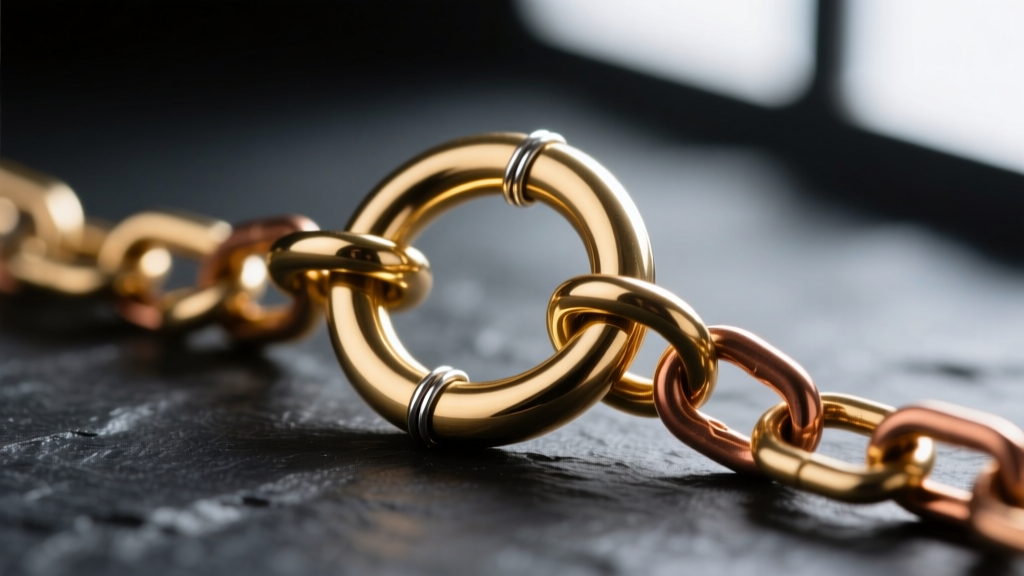
A necklace is only as strong as its weakest link, which is almost always the hardware. When inspecting an AE necklace in-store or upon delivery, pay close attention to the clasp and the jump rings.
Spring Ring vs. Lobster Claw
Most delicate AE chains (14-inch chokers and 16-inch collarbone chains) utilize spring ring clasps. While lightweight and unobtrusive, the internal steel spring can degrade over time, causing the clasp to stick open. For heavier pendants, look for a lobster claw clasp, which features a more robust internal mechanism and a wider surface area for secure closure.
The Jump Ring Vulnerability
The jump ring is the tiny circular loop that connects the clasp to the chain. In mass-produced fashion jewelry, these are often 'unsoldered' (meaning there is a tiny slit where the wire ends meet). If you pull the chain, an unsoldered jump ring will easily warp open, losing your clasp or pendant. Always check if the jump rings on an AE necklace are soldered (fused shut with a laser or torch). If they are unsoldered, a quick trip to a local jeweler to have them soldered shut for $10 will double the lifespan of the necklace.
AE Necklace Component Breakdown & Durability
| Component | Typical AE Material | Common Failure Mode | Pro-Tip for Longevity |
|---|---|---|---|
| Chain Links | Brass (Copper/Zinc) | Stretching and snapping at the clasp | Store flat; never yank to untangle |
| Pendant Body | Zamak (Zinc Alloy) | Chipping if dropped on tile/hardwood | Put jewelry on over soft surfaces |
| Gold Finish | Electroplated Brass | Tarnishing and rubbing off at the bail | Apply Renaissance Wax to high-friction zones |
| Clasp Mechanism | Brass with Steel Spring | Spring corrosion from sweat/humidity | Wipe clasp dry after every wear |
Sizing, Bails, and Layering Mechanics
American Eagle typically categorizes their necklaces into three standard lengths: 14-inch (choker), 16-inch (collarbone/princess), and 18-inch (matinee). When buying an AE necklace for layering, the critical metric to check is the bail—the loop at the top of the pendant that slides onto the chain.
Standard AE initial pendants feature fixed bails measuring roughly 3mm to 4mm in inner diameter. This means they are designed specifically for fine cable or rope chains. If you attempt to thread an AE pendant onto a thicker 3mm Cuban link or paperclip chain, the bail will not pass through the links. If you want to mix your AE pendants with heavier third-party chains, you will need to purchase a convertible bail or have a jeweler carefully saw open the fixed bail and solder a larger jump ring in its place.
For optimal layering without tangling, maintain a strict 2-inch variance between necklaces (e.g., layer a 14-inch choker with a 16-inch pendant and an 18-inch chain). According to the Gemological Institute of America (GIA), metal-on-metal friction from tangled chains accelerates the wear of surface platings, making proper length spacing a functional necessity, not just a stylistic choice.
Maintenance: Extending the Life of Fashion Jewelry
Because AE necklaces rely on surface plating over reactive base metals, moisture and acidity are your primary enemies. The internet is full of 'hacks' like painting the back of pendants with clear nail polish to prevent green skin. This is a flawed approach; nail polish yellows, chips, and can chemically react with certain brass alloys, causing irreversible pitting.
Instead, use a micro-crystalline wax (such as Renaissance Wax). Applying a microscopically thin layer of this museum-grade wax to the back of your AE pendant and the interior of the chain creates a breathable, invisible barrier against skin acids and humidity. Reapply the wax every 4 to 6 weeks. Furthermore, always adhere to the 'last on, first off' rule: your AE necklace should be the last thing you put on after applying perfumes, lotions, and hairsprays, and the first thing you take off before showering or sleeping.
Final Verdict: Is an AE Necklace Worth It?
An AE necklace is an excellent purchase for trend-driven styling, gifting, and accessible everyday wear, provided you go in with the right expectations. You are paying for design, brand aesthetics, and immediate visual impact rather than intrinsic metal value. By closely inspecting the clasp hardware, understanding the limitations of Zamak and flash plating, and employing proper wax-sealing maintenance, you can easily extend the lifespan of your American Eagle jewelry from a single season to several years of reliable wear.


