June Birthstone Necklace Gift Guide: Pearl, Alexandrite & Moonstone
Discover the perfect June birthstone necklace for any occasion. Compare pearl, alexandrite, and moonstone pendants with expert grading and styling tips.

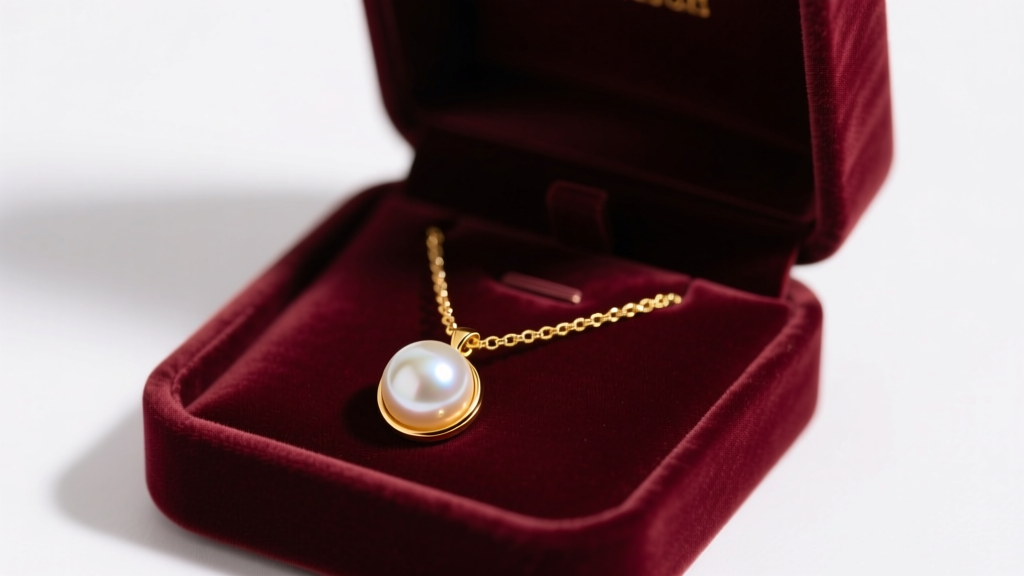
The June Birthstone Trinity: Decoding Pearl, Alexandrite, and Moonstone
Selecting a June birthstone necklace requires navigating a uniquely complex gemological landscape. Unlike months anchored by a single flagship gem, June offers a diverse triad: Pearl, Alexandrite, and Moonstone. Each stone demands a radically different approach to setting, chain pairing, and daily maintenance. As we move through 2026, the market has seen a surge in demand for personalized, occasion-specific birthstone jewelry. This guide provides a technical and stylistic breakdown to help you match the right stone, setting, and chain to the right recipient.
Pearl: The Classic Milestone Marker
Pearls are organic gems formed by mollusks, prized for their soft, mirror-like luster. When shopping for a pearl pendant, the primary decision is between Akoya and Freshwater varieties. Akoya pearls, primarily cultivated in Japan, offer superior luster due to their highly crystalline nacre structure. However, they are more delicate. Freshwater pearls are more abundant, highly durable, and available in varied pastel hues, though they typically exhibit a softer, more satiny luster. According to the Gemological Institute of America (GIA), nacre thickness is the single most critical factor in a pearl's longevity; always seek Akoya pearls with a minimum nacre thickness of 0.4mm to prevent premature peeling.
Alexandrite: The High-Impact Statement Piece
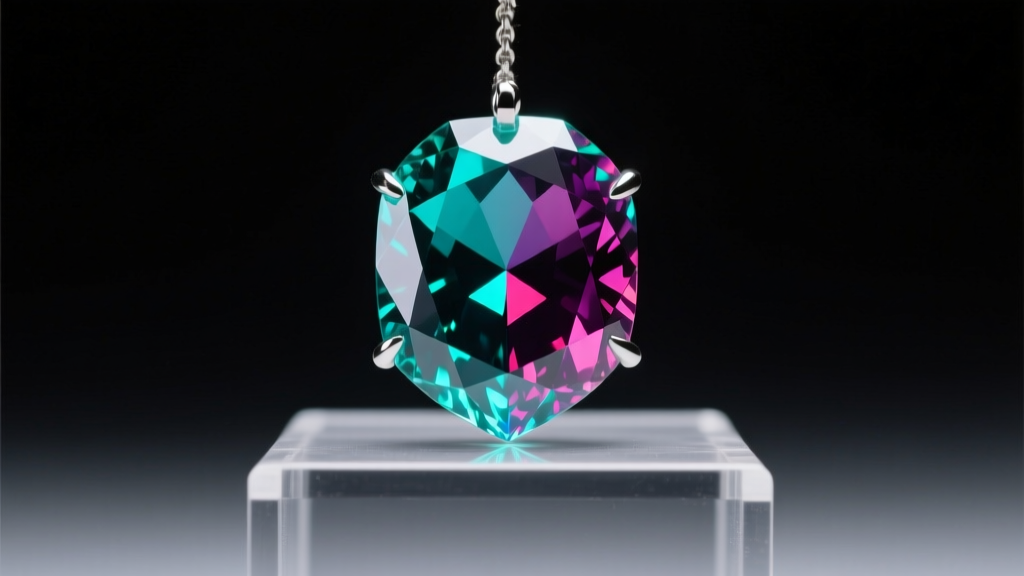
Alexandrite is a rare variety of chrysoberyl famous for its dramatic pleochroism—appearing bluish-green in daylight and purplish-red under incandescent light. With a Mohs hardness of 8.5, it is exceptionally durable for daily wear. Because natural alexandrite is extraordinarily rare and commands prices exceeding $15,000 per carat, the 2026 market is dominated by lab-created alternatives. Lab-grown alexandrite (created via the Czochralski process) offers identical chemical and optical properties at a fraction of the cost, typically ranging from $300 to $800 for a well-cut 1-carat pendant.
Moonstone: The Ethereal Boho-Chic Choice
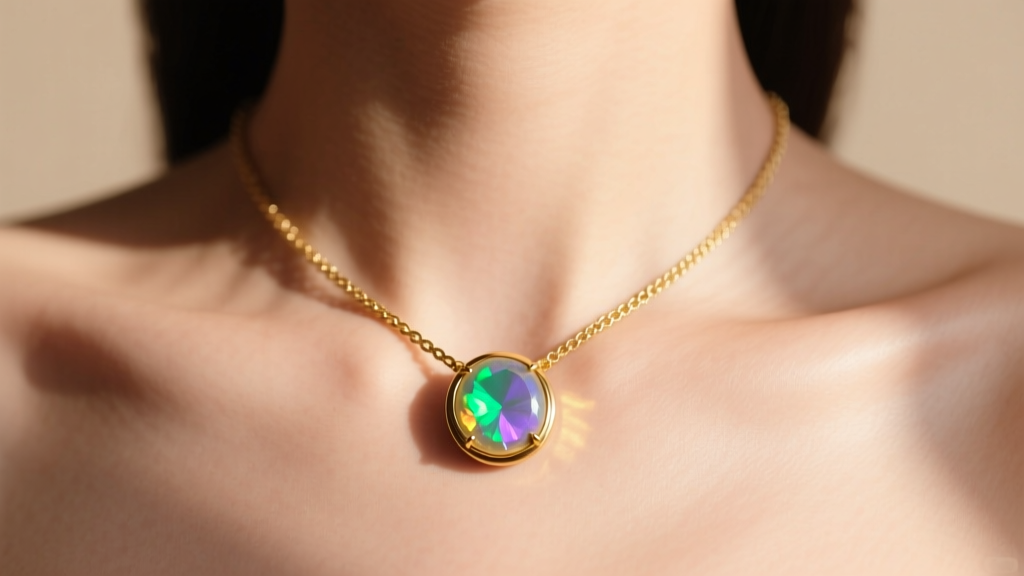
Moonstone is a feldspar mineral celebrated for adularescence—the billowy, floating light phenomenon that glides across the stone's surface. While 'rainbow moonstone' (technically a variety of labradorite) is popular and affordable, true blue-sheen moonstone is the most prized. The critical vulnerability of moonstone is its Mohs hardness of 6 to 6.5 and its perfect cleavage planes, making it highly susceptible to chipping if struck against hard surfaces. The GIA Moonstone Profile strongly advises against prong settings for active wearers, recommending full bezel settings to protect the stone's delicate edges.
Occasion Matching Matrix: Which Stone for Which Event?
Matching the gemstone to the specific milestone ensures the gift resonates on a personal level while suiting the recipient's lifestyle. Use this matrix to guide your selection:
| Occasion | Recommended Stone | Ideal Setting Style | Estimated Budget Range |
|---|---|---|---|
| Sweet 16 / Quinceañera | Freshwater Pearl | Simple Cup Bail | $150 - $300 |
| College Graduation | Lab Alexandrite | Prong or Halo | $400 - $800 |
| 3rd Wedding Anniversary | True Blue Moonstone | Full Bezel | $250 - $600 |
| 30th Pearl Anniversary | Akoya / South Sea Pearl | Diamond Accent Bail | $800 - $3,500+ |
| Corporate Milestone | White Freshwater Pearl | Minimalist Bar Bail | $200 - $450 |
Technical Buying Guide: Avoiding Common Pitfalls
The difference between a stunning heirloom and a disappointing purchase lies in the technical specifications. Here is how to evaluate quality and avoid common failure modes.
Nacre Thickness and Luster Grading (Pearls)
Never purchase a pearl pendant without verifying the luster grade. In the standardized grading system, 'AAA' represents the highest tier, characterized by sharp, distinct reflections on the pearl's surface. A common failure mode in low-cost pearls is 'chalkiness,' which indicates thin nacre or poor crystallization. Additionally, inspect the drill hole (if visible near the bail). Jagged edges around the drill hole indicate sloppy manufacturing and can lead to nacre flaking over time.
Color-Change Percentages (Alexandrite)
When evaluating an alexandrite pendant, the 'color change percentage' is the primary driver of value. A high-quality stone should exhibit an 80% to 100% color shift across the entire face of the gem. A common pitfall is purchasing a stone with a 'muddy' or partial shift, where only the edges change color while the center remains a dull brownish-green. Always request a video of the stone under both daylight-equivalent (5500K) and incandescent (2700K) lighting before purchasing. For deeper insights, consult the GIA Alexandrite Guide to understand how cut proportions affect light return and color perception.
Adularescence and Setting Protection (Moonstone)
The value of a moonstone lies in the strength and centering of its adularescence. The sheen should be visible from a wide range of viewing angles, not just straight on. Because moonstones are typically cut en cabochon (with a high dome), prong settings leave the steep sides of the dome exposed to impacts. A low-profile bezel setting not only secures the stone but also creates a modern, streamlined silhouette that prevents the high dome from snagging on knitwear.
Chain Selection and Length Pairings
The chain is not merely a delivery mechanism for the pendant; it dictates the necklace's overall drape, durability, and aesthetic weight. Pairing the wrong chain with a delicate June birthstone can result in breakage or visual imbalance.
- For Pearls (Delicate & Classic): Opt for a 0.9mm to 1.2mm cable or box chain in 14k or 18k gold. These chains offer a refined, understated look that doesn't compete with the pearl's luster. An 18-inch 'princess' length is the universal standard, resting perfectly on the collarbone.
- For Alexandrite (Heavy & Luxurious): A 1-carat alexandrite pendant requires a sturdier chain to prevent flipping. A 1.5mm to 2.0mm wheat or rope chain provides the necessary tensile strength and visual weight. A 16-inch 'choker' length works beautifully for high-neckline evening wear.
- For Moonstone (Ethereal & Textured): A 1.2mm to 1.5mm Figaro or satellite chain complements the bohemian, organic vibe of a moonstone. A 20-inch 'matinee' length allows the stone to rest on the upper chest, catching the light dynamically as the wearer moves.
Pro-Tip on Clasps: Avoid spring-ring clasps for any pendant over 3 grams. Spring rings have a high mechanical failure rate due to their tiny internal springs. Always upgrade to a lobster clasp or a secure box clasp with a safety figure-eight catch.
Care Protocols to Prevent Premature Degradation
Each June birthstone has specific chemical and physical vulnerabilities. Implementing the correct care protocol is essential for preserving the necklace's condition over decades.
Pearls: Pearls are highly porous and sensitive to acids. The most common failure mode is nacre degradation caused by prolonged exposure to perfume, hairspray, and perspiration. Always enforce the 'last on, first off' rule: the pearl necklace should be the final item put on when dressing and the first removed upon returning home. Wipe the pearl gently with a damp microfiber cloth after each wear to remove skin oils.
Alexandrite: While highly durable, lab and natural alexandrite can accumulate grease and lotion on the pavilion (underside) of the stone, which severely dampens its color-change effect. Clean the pendant monthly using warm water, a drop of mild dish soap, and a soft baby toothbrush to gently scrub the underside of the setting.
Moonstone: Never place a moonstone necklace in an ultrasonic or steam cleaner. The high-frequency vibrations will exploit the stone's internal cleavage planes, causing it to shatter or develop internal fractures. Stick to gentle, manual cleaning with a soft, lint-free cloth.
Expert Stylist Note: "When gifting a June birthstone necklace, always include a specialized care card. Recipients often assume all gemstones can be cleaned the same way. Explicitly warning them against ultrasonic cleaners for moonstones and chemical exposure for pearls will save the piece from irreversible damage and position you as a highly thoughtful, knowledgeable giver."


