Is an Amber Necklace for Babies Worth It? 2026 Value Guide
Assessing the true value of an amber necklace for babies in 2026. We analyze Baltic amber pricing, fake testing, and critical safety warnings.

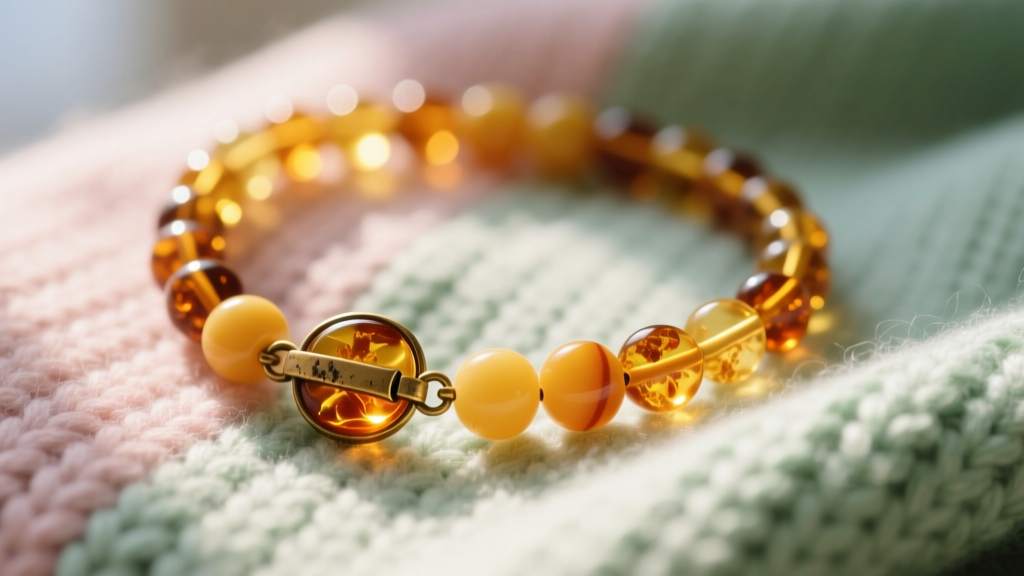
The True Cost: Market Value vs. Safety Realities
In 2026, the market for an amber necklace for babies remains surprisingly robust, driven by generational traditions and aggressive social media marketing. However, when conducting a strict budget and value assessment, modern parents and gift-givers must weigh the financial cost against severe safety warnings and dubious scientific claims. Before spending $20 to $100 on baby jewelry, it is crucial to understand what you are actually buying, both in terms of material authenticity and physiological value.
From a purely financial perspective, the baby jewelry market is heavily saturated with counterfeit resins. Unscrupulous vendors frequently sell dyed copal or outright plastic beads at the premium prices of genuine Baltic amber. Furthermore, the purported 'value' of these necklaces—teething pain relief via transdermal succinic acid absorption—has been widely debunked by gemologists and pediatricians alike. Therefore, assessing the value of baby amber requires looking past the marketing and examining the raw materials, the craftsmanship, and the undeniable safety risks.
Expert Warning: The U.S. Food and Drug Administration (FDA) and the American Academy of Pediatrics strongly advise against the use of any teething jewelry, citing severe risks of strangulation and choking. The true 'cost' of these items can be far higher than their retail price.
Price Breakdown: Genuine Baltic Amber vs. Imitations
If you are purchasing an amber necklace for a baby as a keepsake, for a cultural tradition, or for older children where choking hazards are mitigated, ensuring you are paying a fair market price is essential. Genuine Baltic amber (Succinite) is a fossilized tree resin that is 30 to 50 million years old. Imitations are either young resins (Copal) or synthetic polymers.
| Material Type | Average Retail Price (USD) | Age of Resin | Saltwater Test Result | Market Value Assessment |
|---|---|---|---|---|
| Genuine Baltic Amber | $25 - $65 | 30-50 Million Years | Floats | Fair value if properly knotted with safety clasp. |
| Columbian Copal | $8 - $15 | 100 - 10,000 Years | Floats (often) | Poor value; frequently sold as fake 'Baltic' amber. |
| Dyed Plastic / Glass | $5 - $20 | Synthetic | Sinks | Zero value; hazardous counterfeit. |
| Pressed Amber (Ambroid) | $15 - $30 | Amber dust + resin | Floats | Low value; lacks structural integrity of whole beads. |
When shopping, be highly suspicious of 'premium' baby amber necklaces priced over $80. The raw material cost for the 15-30 grams of amber used in an infant necklace is minimal. High markups are almost entirely based on boutique branding and decorative packaging, offering no additional material value.
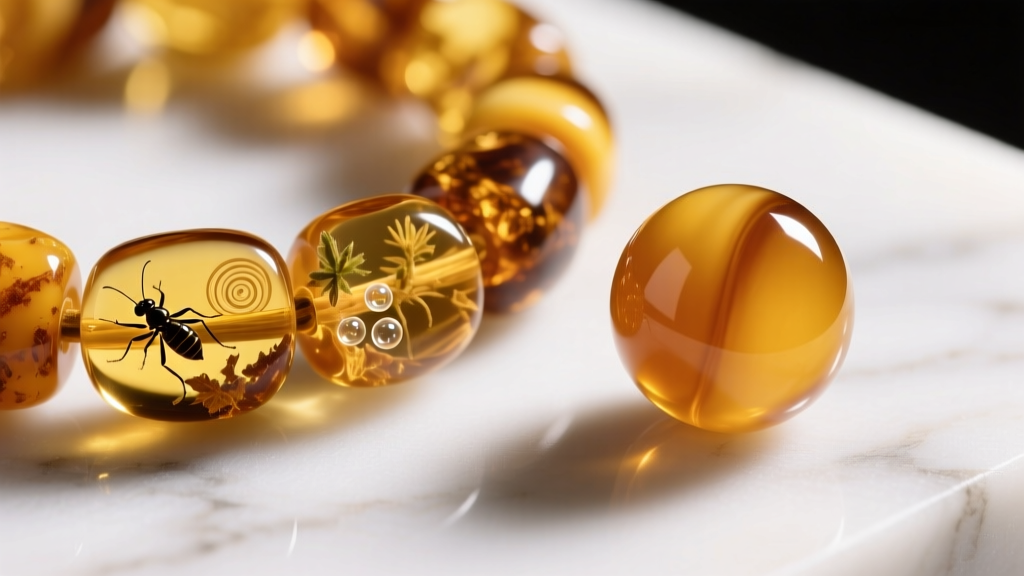
The Science of Succinic Acid: Does the Investment Pay Off?
The primary selling point used to justify the budget for baby amber necklaces is the presence of succinic acid, a compound found in high concentrations in Baltic amber. Vendors claim that when the amber is warmed by the baby's skin, it releases trace amounts of succinic acid, which is then absorbed transdermally to act as a natural analgesic and anti-inflammatory agent.
The Gemological and Medical Consensus
According to the Gemological Institute of America (GIA), while Baltic amber does contain succinic acid, the compound does not leach out of the fossilized resin at human body temperatures (98.6°F / 37°C). Succinic acid requires temperatures exceeding 200°C to begin breaking down and releasing from the amber matrix. Consequently, the 'medicinal' value proposition of an amber necklace for babies is scientifically invalid. You are paying for a decorative bead, not a medical device.
How to Authenticate Baltic Amber at Home
If you have already purchased a necklace or are evaluating a hand-me-down, you must verify its authenticity to ensure you haven't overpaid for plastic. Use this three-step testing framework to assess the material value:
- The Saturated Saltwater Test: Dissolve 3 tablespoons of salt into 1 cup of warm water. Genuine Baltic amber and copal will float, while glass and most plastics will sink to the bottom. This is the safest test for strung jewelry.
- The UV Fluorescence Test: Shine a standard UV blacklight on the beads in a dark room. Genuine Baltic amber will fluoresce a pale, milky blue or green. Copal will show a weaker, chalky white glow, and plastic will not fluoresce at all.
- The Acetone Rub Test (For loose beads only): Apply a drop of nail polish remover (acetone) to an inconspicuous area. Copal and plastic will become tacky and sticky within seconds. True fossilized amber is completely impervious to acetone and will remain hard.
Anatomy of a High-Value (and Safer) Amber Piece
If you are buying amber for an older child, or strictly for supervised photographic props, the construction quality dictates both the financial value and the safety profile. A high-value amber necklace must feature specific structural elements:
- Individual Knotting: There must be a tight, hand-tied knot between every single bead. If the string snaps, this prevents the beads from scattering and becoming a massive choking hazard.
- Safety Breakaway Clasps: High-quality pieces use plastic 'pop-open' barrel clasps designed to snap apart under 5-7 pounds of pressure, mitigating strangulation risks. Note that screw-clasps, while preventing the necklace from opening easily, pose a higher strangulation risk if caught on furniture.
- Bead Sizing: Beads should be small enough to be comfortable but must fail the 'choke tube test' (meaning they are large enough not to fit entirely into a standard infant choke-test cylinder, usually requiring beads larger than 1.25 inches in diameter, which is rare for baby necklaces).
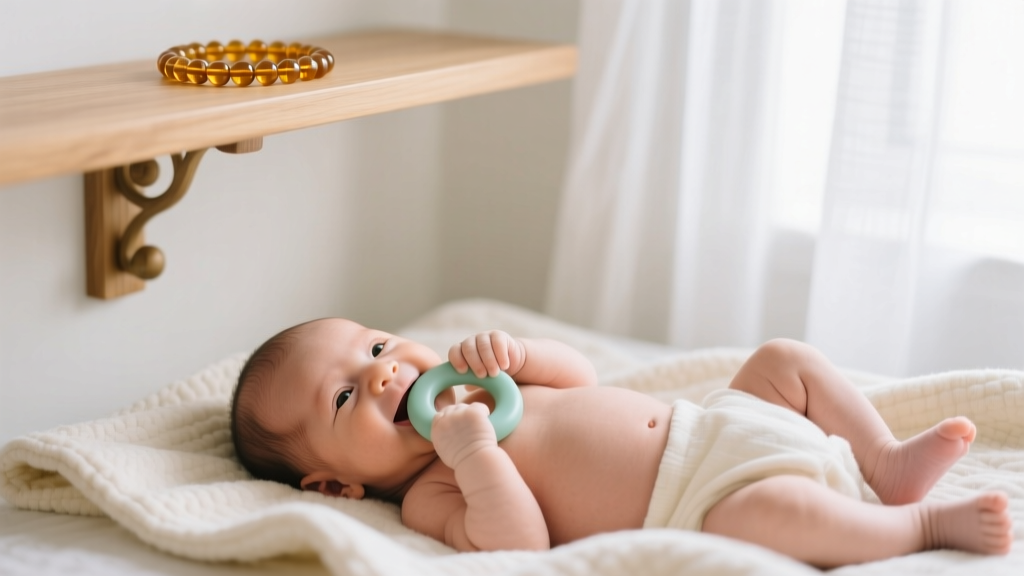
Safer, Higher-Value Alternatives for Teething Budgets
When allocating a $30-$50 budget for baby comfort, redirecting funds away from amber necklaces yields a significantly higher return on investment in terms of utility and safety. Consider these alternatives:
- Food-Grade Silicone Teethers ($15 - $25): These offer genuine tactile relief for sore gums, can be sterilized in boiling water, and are made from non-toxic, BPA-free materials that pose zero chemical risks.
- Natural Rubber Soothers ($20 - $30): Products made from 100% natural Hevea tree rubber provide excellent sensory feedback and are completely biodegradable.
- Amber Anklets (With Extreme Caution): Some parents opt for amber anklets to keep the beads away from the baby's mouth. However, pediatricians warn that anklets can still restrict circulation or catch on crib slats. If used, they must only be worn during direct, active supervision and never during sleep.
Final Verdict: Budgeting for Baby Jewelry
From a strict budget and value assessment perspective, purchasing an amber necklace for babies is a poor allocation of funds. The scientific claims used to justify the premium pricing are unfounded, the market is flooded with overpriced copal and plastic fakes, and the safety liabilities heavily outweigh any aesthetic or traditional benefits. If you wish to honor cultural traditions involving amber, the most valuable approach is to purchase a genuine, authenticated Baltic amber piece and keep it safely stored in a memory box until the child is old enough to wear it without the risk of strangulation or choking. For immediate teething relief, invest your budget in FDA-cleared, solid silicone alternatives that offer real, measurable utility.


