The American Showcase Necklace Trend: 2026 Artisan Styles
Discover the 2026 American showcase necklace trend. Explore bold artisan metals, Southwestern turquoise, and mixed-media statement pendants.

The Evolution of the American Showcase Necklace
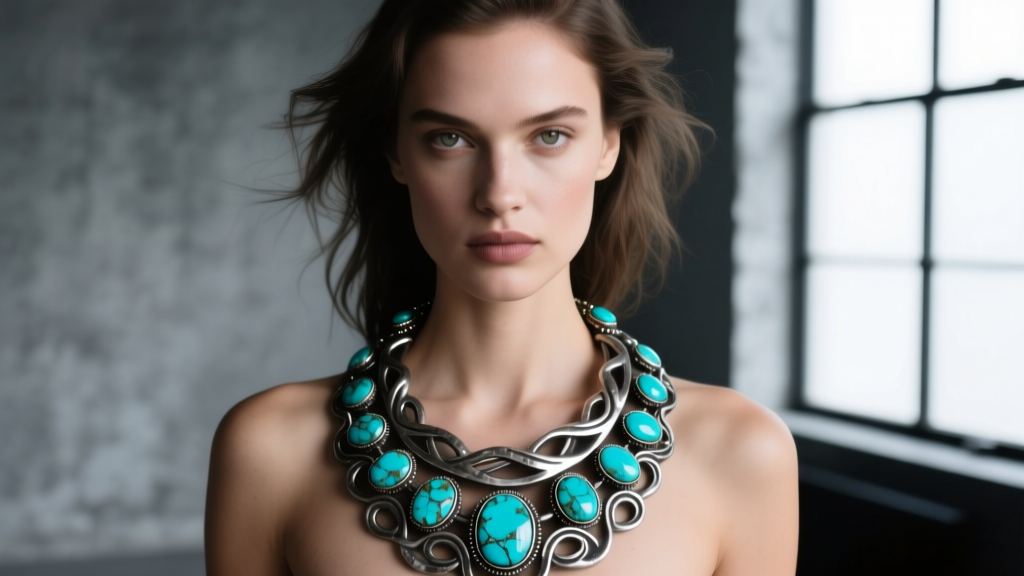
The term 'American showcase necklace' has historically referred to the bold, gravity-defying statement pieces debuted at major US jewelry trade shows and Santa Fe artisan markets. However, as we move through 2026, this category has evolved from traditional Southwestern motifs into a sophisticated, avant-garde movement. Today's American showcase necklace blends indigenous silversmithing heritage with contemporary architectural design, resulting in wearable art that dominates both high-fashion editorials and modern capsule wardrobes.
Unlike delicate, mass-produced layering chains, the showcase piece is designed to be the focal point of an ensemble. It demands attention through scale, material contrast, and undeniable craftsmanship. According to JCK Online's recent trade analyses, consumer appetite has shifted heavily toward these substantial, investment-grade artisan pieces as buyers seek out jewelry with a tangible narrative and verifiable origin.
Key Materials Defining the 2026 Artisan Movement
The foundation of any authentic American showcase necklace lies in its metallurgical and gemological integrity. The 2026 trend cycle moves away from high-polish, rhodium-plated finishes, favoring raw, textured, and oxidized surfaces that highlight the maker's hand.
Sterling Silver Bezels and High-Domed Cabochons
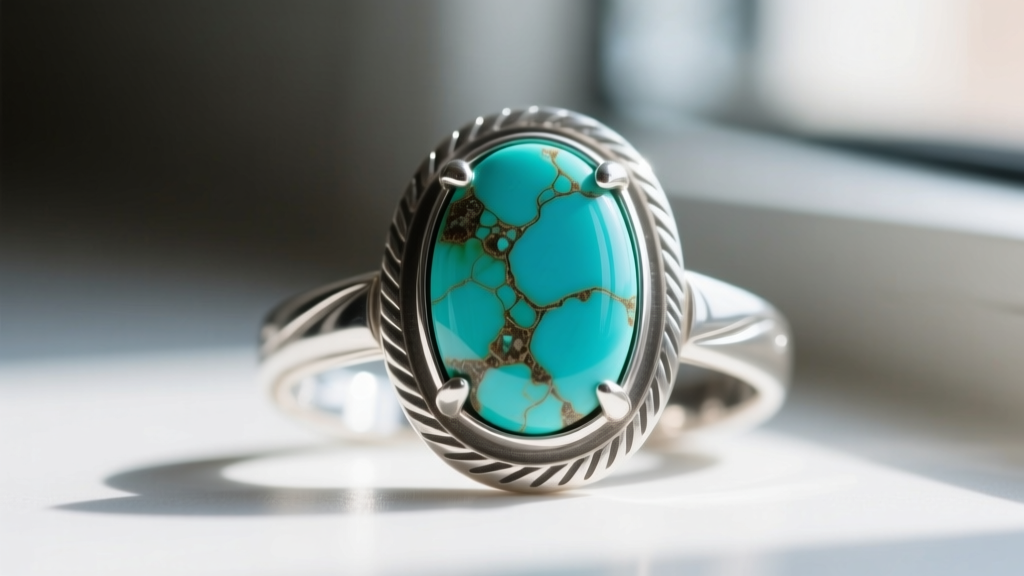
Master silversmiths are currently favoring 14-gauge (1.6mm) and 12-gauge (2.0mm) dead-soft sterling silver wire for heavy bezel settings. This specific gauge provides the structural integrity required to secure large, 40mm+ cabochons without warping. The wire is pushed over the stone using a bezel roller and then work-hardened via burnishing, creating a seamless, prong-free seal that protects the gemstone's edges.
When it comes to stones, untreated turquoise remains the undisputed king of the showcase pendant. While the Gemological Institute of America (GIA) notes that stabilization is common in the broader market, top-tier 2026 showcase pieces increasingly feature natural, un-stabilized Kingman or Sleeping Beauty turquoise. Artisans are embracing the structural fragility of natural stone in exchange for the deep, unaltered color and prominent matrix webbing that synthetic resins tend to muddy.
Recycled Brass, Copper, and Mixed-Metal Patinas
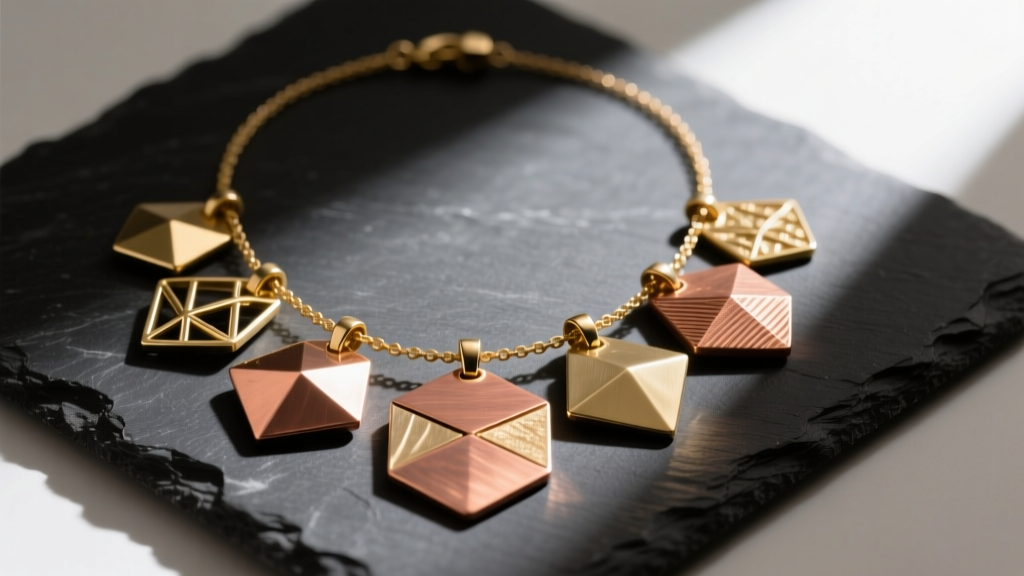
Sustainability is no longer a buzzword; it is a baseline requirement for American artisan jewelers. The modern showcase necklace frequently incorporates recycled brass and copper alloys, utilizing a technique called 'reticulation' to create volcanic, crater-like textures on the metal's surface. To achieve the signature moody aesthetic of 2026, these mixed metals are treated with liver of sulfur (potassium sulfide). This chemical oxidation process turns the recesses of the metal pitch-black while the high points are hand-polished to a warm, satin glow, creating a striking three-dimensional contrast.
Silhouette & Scale: Sizing the Statement Piece
Choosing the right American showcase necklace requires an understanding of scale, drop length, and chain gauge. A piece that is too heavy for its chain will snap; a piece that is too short will choke the neckline. Below is a structural guide for pairing silhouettes with their ideal specifications.
| Silhouette Type | Chain Gauge & Material | Pendant Drop Length | Ideal Neckline Pairing | Average Artisan Price |
|---|---|---|---|---|
| Architectural Collar | 10-gauge solid silver wire | 14 to 16 inches (Choker) | Off-shoulder, Boatneck | $850 - $2,200 |
| Squash Blossom Revival | 4mm oxidized rolo chain | 20 to 24 inches | Deep V-Neck, Open Collar | $1,200 - $3,500+ |
| Geometric Slab Pendant | 2mm leather cord / silver clasp | 28 to 32 inches (Opera) | Turtleneck, Maxi Dress | $450 - $900 |
| Multi-Stone Y-Drop | 6mm handmade figure-8 chain | 22 inches + 4 inch drop | Scoop Neck, Button-down | $700 - $1,500 |
Notice the correlation between chain gauge and pendant weight. A heavy, multi-stone squash blossom requires a minimum 4mm rolo chain with soldered links to prevent the chain from stretching or breaking under the dynamic load of daily wear.
Styling the American Showcase Piece for Modern Wardrobes
The misconception that bold, artisan jewelry only belongs at a music festival or a Southwestern resort is entirely outdated. In 2026, the American showcase necklace is styled through juxtaposition, contrasting heavy, organic metals with sharp, tailored, or minimalist clothing.
- The Tailored Contrast: Pair a heavy, oxidized silver and turquoise collar with a crisp, oversized white poplin button-down shirt. Leave the top three buttons undone to allow the metal to rest directly against the collarbone, framing the face without competing with patterns.
- The Monochromatic Anchor: Wear a 28-inch geometric brass slab pendant over a head-to-toe black or charcoal knit ensemble. The dark, matte fabric absorbs light, allowing the hand-polished high points of the oxidized metal to act as the sole source of visual intrigue.
- The Rule of Isolation: When wearing a true showcase piece, remove all other necklaces. Layering a 14-gauge artisan pendant with delicate 20-gauge gold chains creates visual clutter and risks the heavier piece tangling and snapping the finer chains. Let the showcase piece breathe.
'The power of an American showcase necklace lies in its isolation. It is not an accessory to be layered; it is an anchor that dictates the gravity of the entire outfit.' — Contemporary Metalsmithing Journal, 2025
Investment Value and Authenticity Markers
Because the American showcase style commands premium pricing, the market has seen an influx of mass-produced, cast-lookalike imports. Distinguishing a true artisan piece from a factory casting requires a trained eye and an understanding of fabrication markers.
First, examine the bezel walls. Hand-fabricated bezels will show microscopic file marks on the inside edge where the artisan sanded the silver before pushing it over the stone. Cast bezels are often perfectly smooth or exhibit a slightly 'orange peel' texture from the molding process. Second, check the solder seams. A handmade chain or complex pendant will have tiny, slightly visible silver solder joints where links or components were fused together with a torch. Cast pieces are often printed or molded as a single, seamless unit, lacking the structural strength of forged and soldered metal.
Finally, verify the hallmark. According to the American Gem Society (AGS), authentic artisan pieces should bear both a material stamp (such as .925 or Sterling) and the maker's unique registered hallmark. Hand-stamped hallmarks are struck with a steel punch and hammer, resulting in a deep, slightly imperfect impression that displaces the surrounding metal. Laser-engraved or shallow cast marks are immediate indicators of mass production.
Investing in a genuine American showcase necklace in 2026 is not merely a fashion choice; it is an acquisition of wearable heritage. By prioritizing heavy-gauge metals, natural untreated gemstones, and verifiable artisan fabrication, collectors secure pieces that will physically and aesthetically outlast the fleeting trends of fast fashion.


