Mother Daughter Daughter Necklace Troubleshooting & Care Guide
Learn how to fix tangles, broken clasps, and tarnish on your mother daughter daughter necklace with our expert metallurgical troubleshooting guide.

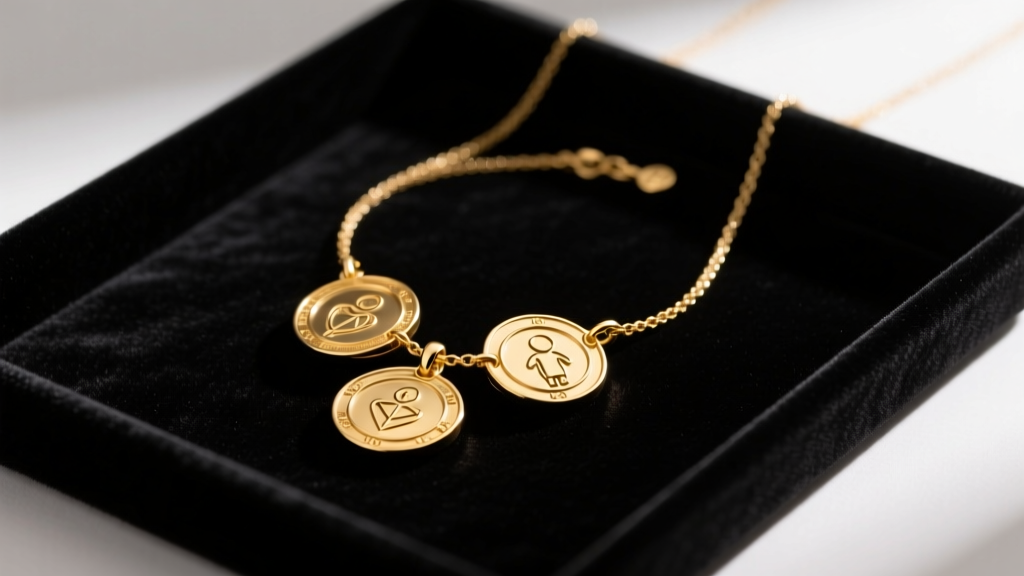
A mother daughter daughter necklace is more than just an accessory; it is a deeply sentimental trio piece representing the unbreakable bond between a mother and her two daughters. Whether designed as three interlocking rings on a single chain, a trio of puzzle pieces, or a layered set of three individual necklaces, these pieces carry immense emotional weight. However, from a metallurgical and engineering standpoint, trio necklaces present unique structural challenges. The combined weight of three pendants, the friction of multi-strand layering, and the varying skin chemistries of three different wearers often lead to premature wear, severe tangling, and clasp failure.
In this comprehensive troubleshooting guide, we will dissect the most common mechanical and chemical failures associated with a mother daughter daughter necklace and provide actionable, expert-level solutions to ensure your family heirloom survives for generations.
The Unique Engineering Flaws of Trio Necklaces
Most standard jewelry chains are engineered to support a single pendant weighing between 2 to 5 grams. A typical mother daughter daughter necklace, however, features three distinct charms. If each pendant weighs 4 grams, the total suspended weight reaches 12 grams. This 140% increase in load drastically alters the tensile stress placed on the chain links and the clasp mechanism.
Chain Weave Vulnerabilities
Not all chain weaves can handle the dynamic load of a trio pendant setup. Here is how common weaves perform under the stress of a 12-gram trio load:
- Box Chains: Highly susceptible to stretching and snapping. The squared links rely on small, localized solder points that easily fail under the swinging momentum of three heavy charms.
- Cable Chains: Offer moderate durability, but the thin wire (often 0.8mm to 1.0mm) can warp into oval shapes, weakening the structural integrity over time.
- Rolo Chains: The superior choice for trio necklaces. The uniform, interlocking round links distribute weight evenly and resist stretching, provided the wire gauge is at least 1.2mm.
Expert Fix: If your current chain is stretching, upgrade to a solid 1.2mm or 1.5mm rolo or wheat chain. According to the Gemological Institute of America (GIA), wheat chains (also known as spiga chains) offer exceptional tensile strength due to their woven, multi-directional link structure, making them ideal for heavy multi-charm configurations.
Solving the Multi-Strand Tangle Nightmare
Many families opt for a layered mother daughter daughter necklace set, where the mother wears a 20-inch chain, and the daughters wear 16-inch and 18-inch chains. When stored together or worn simultaneously, the friction between the chains causes severe micro-tangling, which can permanently kink delicate links.
The Baby Oil and Needle Technique
When your layered trio set inevitably knots together, do not pull. Tension tightens the links and causes micro-fractures in the metal. Instead, lay the tangled mass on a flat, non-porous surface. Apply two drops of mineral oil or baby oil directly to the knot to eliminate metal-on-metal friction. Using two fine-tipped sewing needles (or specialized jewelry untangling tools), gently work the center link outward. The oil reduces the coefficient of friction, allowing the links to slide apart without stressing the solder joints.
Preventative Storage Solutions
To prevent tangling before it starts, never store a layered set in a single compartment. Use a jewelry roll with individual snap-loop closures, or thread each chain through a dedicated silicone jewelry straw. Alternatively, invest in a multi-strand necklace clasp separator, which physically locks the chains apart at the nape of the neck, eliminating the friction that causes daily tangling.
Clasp and Jump Ring Failure: A Metallurgical Breakdown
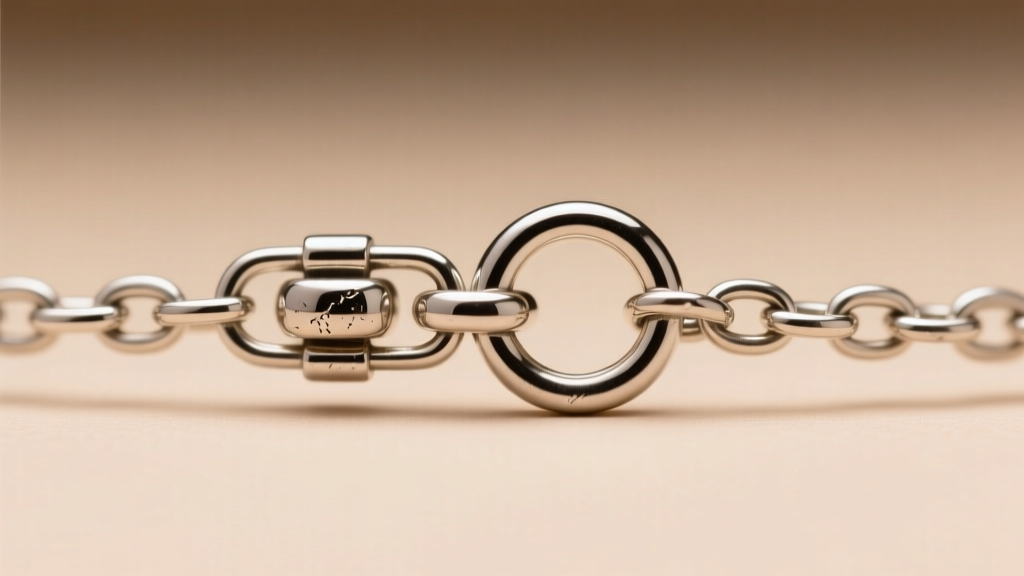
The most frequent point of catastrophic failure on a mother daughter daughter necklace is the jump ring—the tiny circular wire that connects the pendant to the chain. Standard open jump rings are simply cut circles of wire. Under the swinging weight of three pendants, these rings slowly twist open, leading to lost charms.
Upgrading Your Hardware
To secure a heavy trio pendant, you must replace standard open jump rings with soldered jump rings or split rings (which function like miniature keychains). Furthermore, pay attention to the wire gauge. Many mass-produced necklaces use 22-gauge (0.64mm) jump rings. For a three-pendant setup, you need a minimum of 18-gauge (1.02mm) wire to resist deformation.
Similarly, the clasp must be upgraded. Spring-ring clasps are entirely inadequate for trio necklaces; their internal springs easily snap under loads exceeding 8 grams. Replace the spring ring with a 14mm solid-cast lobster clasp. Cast clasps lack the fragile internal spring mechanism of hollow alternatives and rely on a heavy-duty tension lever that can easily support up to 25 grams of suspended weight.
Galvanic Corrosion in Mixed-Metal Trio Sets
A common trend in 2026 is the mixed-metal mother daughter daughter necklace, where the mother wears 14k yellow gold, and the daughters wear sterling silver or rose gold vermeil. While visually striking, storing these different alloys in direct contact can trigger galvanic corrosion.
When two dissimilar metals touch in the presence of an electrolyte (such as ambient humidity or residual skin oils), a micro-galvanic cell is formed. The less noble metal (usually the copper alloy in sterling silver) acts as an anode and rapidly oxidizes, resulting in severe, localized black tarnish that is difficult to polish away.
Preventing Mixed-Metal Tarnish
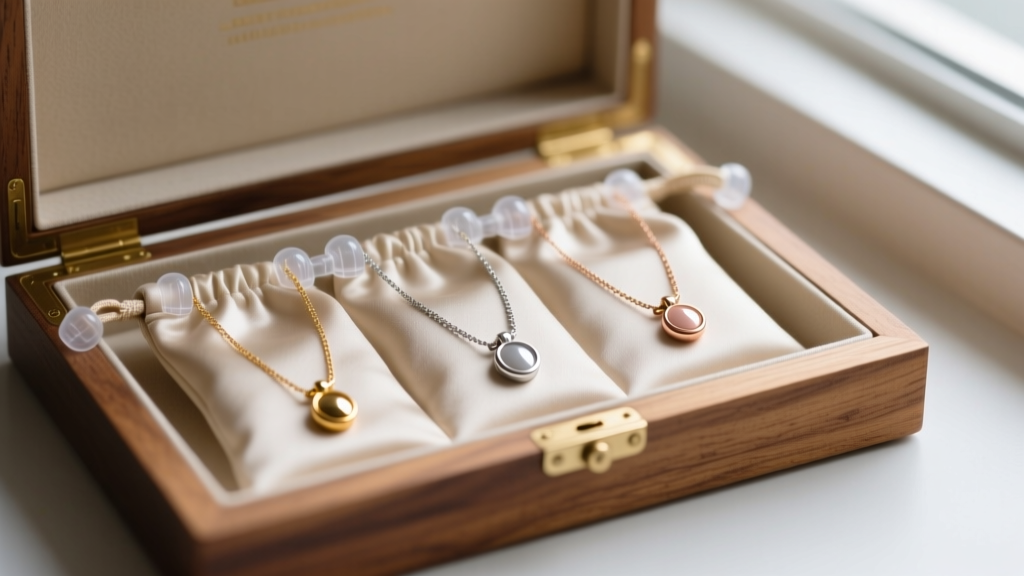
To protect your mixed-metal trio set, never store the pieces draped over one another. The Jewelers of America recommends storing mixed metals in individual anti-tarnish ziplock bags infused with activated carbon. If you must store them in a single jewelry box, place a piece of anti-tarnish treated flannel cloth between each necklace to act as a physical and chemical barrier against moisture transfer.
Sizing and Adjustability for Growing Daughters
A frequent logistical problem with a mother daughter daughter necklace gifted to young daughters is the rapid change in neck circumference as they grow. A 14-inch chain that fits a 7-year-old will choke a 12-year-old.
Expert Fix: Avoid buying fixed-length chains for younger daughters. Instead, look for necklaces featuring a 2-inch extender chain at the clasp. For a more seamless look, custom jewelers can replace the standard clasp with a sliding macrame silicone-bead adjuster. This allows the necklace to be worn anywhere from 14 to 22 inches, accommodating growth spurts and allowing the necklace to transition from a choker to a standard pendant length without requiring expensive chain replacements.
Quick Reference Troubleshooting Matrix
Use the table below to quickly diagnose and resolve the most common issues plaguing your family's trio necklace.
| Issue | Root Cause | Expert Solution | Estimated Repair Cost |
|---|---|---|---|
| Pendants constantly flipping upside down | Center of gravity is off; chain is too thick for the pendant bail. | Use a 'V-bail' or have a jeweler solder a weighted counterbalance to the back of the charm. | $25 - $45 |
| Chain links stretching into ovals | Chain wire gauge is too thin (<1.0mm) for the 12g+ trio load. | Replace with a 1.5mm solid rolo or wheat chain. | $40 - $85 |
| Severe black tarnish on silver pieces | Galvanic corrosion from touching gold pieces in humid storage. | Polish with a specialized silver dip; store separately in carbon-lined bags. | $15 (DIY) |
| Lobster clasp lever feels loose/sticky | Sebum and lotion buildup inside the clasp tension spring. | Soak clasp in warm water with a drop of Dawn dish soap; gently brush with a soft toothbrush. | Free |
| Jump rings pulling open | Standard cut rings cannot withstand the dynamic swing of 3 charms. | Replace with 18-gauge split rings or laser-soldered closed rings. | $20 - $30 |
Final Thoughts on Trio Necklace Maintenance
A mother daughter daughter necklace is a beautiful investment in family connection, but it requires a higher standard of mechanical care than a standard single-pendant piece. By understanding the tensile limits of your chain weave, upgrading to heavy-duty split rings and cast clasps, and practicing strict separation during storage, you can ensure that this sentimental trio piece remains intact, untangled, and brilliant for decades to come. Treat the hardware with the same respect as the sentiment it represents, and your family heirloom will easily survive the test of time.


