How to Style an Amethyst and Peridot Necklace for Beginners
Learn how to choose, style, and care for an amethyst and peridot necklace. Discover metal pairings, color theory, and gemstone durability tips.

The Magic of Purple and Green: Color Theory Basics
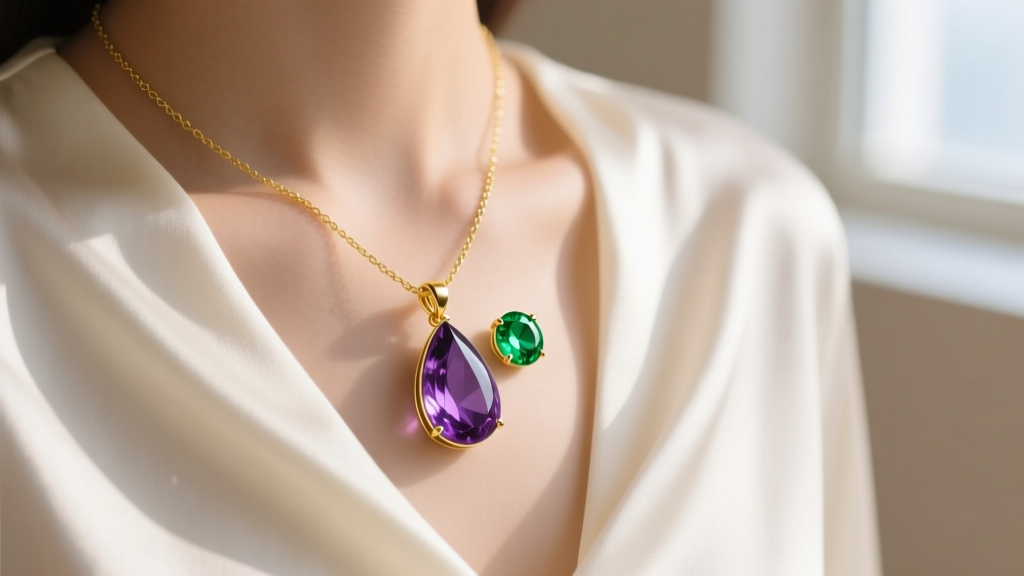
If you are stepping into the world of multi-gemstone jewelry, an amethyst and peridot necklace is one of the most visually striking choices you can make. From a color theory perspective, purple and green sit directly opposite each other on the traditional color wheel. This makes them complementary colors, meaning they naturally amplify each other's vibrancy when placed side-by-side. The deep, velvety violet of a high-grade amethyst provides a rich backdrop that allows the bright, olive-green flashes of a peridot to truly pop.
Beyond aesthetics, this pairing holds deep sentimental value. Amethyst is the official birthstone for February, while peridot represents August. Combining them into a single pendant or layered chain necklace is a popular choice for mothers, couples, or best friends looking to celebrate their connected birth months. However, styling and caring for two distinct gemstones requires a foundational understanding of their unique gemological properties.
Choosing the Right Metal for Your Amethyst and Peridot Necklace
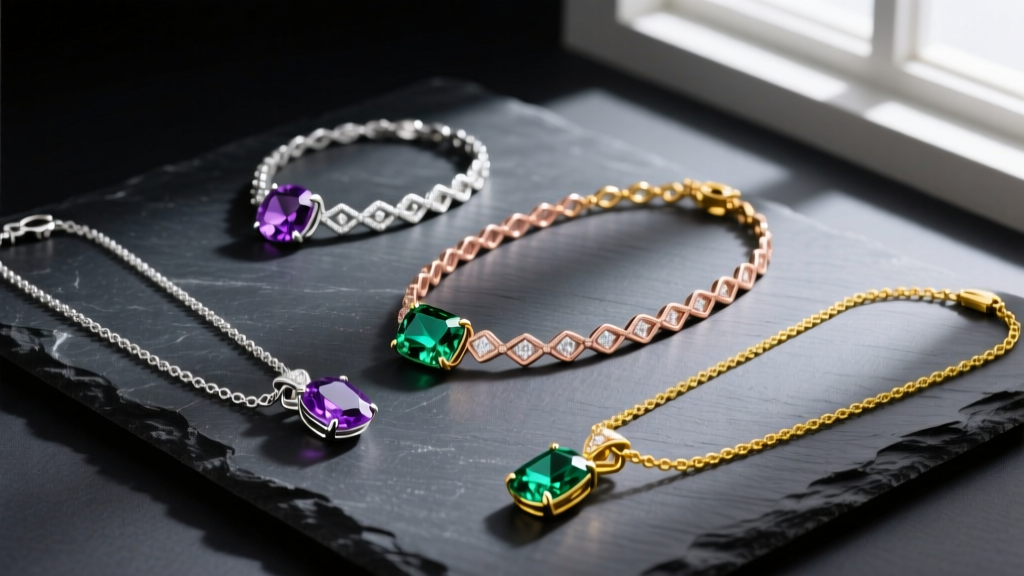
The metal you choose will dramatically shift the overall mood of your necklace. Because you are working with two highly saturated colors, the metal acts as a visual bridge. Here is a breakdown of how different precious metals interact with this specific gemstone duo.
| Metal Type | Visual Effect | Best For | Average Price Range |
|---|---|---|---|
| 14k Yellow Gold | Enhances the warmth of the peridot and gives the amethyst a vintage, regal appearance. | Vintage aesthetics, warm skin tones, everyday wear. | $400 - $850 |
| 14k White Gold | Provides a crisp, modern contrast that makes the purple hues look cooler and more icy. | Modern minimalism, cool skin tones, professional settings. | $450 - $900 |
| 14k Rose Gold | Blends softly with the purple amethyst, creating a romantic, monochromatic warmth. | Romantic gifts, bohemian styles, casual layering. | $425 - $875 |
| 925 Sterling Silver | Offers a bright, neutral canvas that lets both gemstones speak for themselves without color interference. | Budget-conscious buyers, casual daytime wear, younger demographics. | $80 - $250 |
Pro Tip on Chain Gauges: If your pendant features substantial stones (over 4 carats combined), avoid delicate 0.8mm chains. Opt for a 1.2mm to 1.5mm cable or box chain to ensure the metal can support the weight of the stones without warping or snapping over time.
Gemstone Durability: What Beginners Must Know
One of the most common mistakes beginners make is treating all gemstones as if they have the same durability as diamonds. When wearing an amethyst and peridot necklace, you must understand the Mohs Scale of Hardness and the specific chemical vulnerabilities of each stone.
Amethyst: The Durable Quartz
Amethyst is a variety of quartz, scoring a solid 7 on the Mohs scale. This makes it highly suitable for daily wear in a necklace pendant, as it is generally resistant to accidental scratches from common dust (which contains quartz particles). However, prolonged exposure to direct, harsh sunlight can cause the purple color to fade over time. When storing your necklace, always keep it in a dark jewelry box or pouch.
Peridot: The Sensitive Olivine
Peridot is a gem-quality variety of olivine, scoring between 6.5 and 7 on the Mohs scale. While it is reasonably hard, peridot has a distinct vulnerability: it is highly sensitive to rapid temperature changes and acidic environments. According to the Gemological Institute of America (GIA), peridot can be easily etched by prolonged exposure to perspiration, cosmetics, and harsh household chemicals. Always put your necklace on after applying perfumes, lotions, and hairsprays.
Styling Your Necklace for Different Necklines
The length of your amethyst and peridot necklace should be dictated by the neckline of your outfit. Here is a practical framework for matching chain lengths to common garment cuts:
- The V-Neck (18-Inch Princess Length): An 18-inch chain allows the pendant to rest perfectly in the negative space of a V-neck blouse or dress, drawing the eye downward and elongating the neck.
- The Crew Neck (20 to 24-Inch Matinee Length): Crew necklines sit high on the collarbone. A longer matinee-length necklace will rest below the fabric line, preventing the jewelry from looking tangled or crowded against the seam.
- The Scoop Neck (16-Inch Collar Length): Scoop necks expose a wide area of the chest. A shorter 16-inch collar or choker-style necklace keeps the gemstones high on the collarbone, framing the face beautifully without getting lost in the exposed skin.
- The Button-Down Shirt (Layering): Leave the top two buttons undone and layer a 16-inch sterling silver amethyst choker with a 20-inch 14k gold peridot pendant. The mixed-metal, mixed-length approach is a major trend in contemporary styling.
Natural vs. Lab-Created: What Are You Buying?
When shopping for an amethyst and peridot necklace, you will encounter both natural and lab-created options. High-quality natural amethyst (often sourced from Brazil or Uruguay) is relatively abundant, keeping prices accessible. However, vivid, eye-clean natural peridot (particularly from Myanmar or the San Carlos Apache Reservation in Arizona) is much rarer and commands a premium.
Lab-created amethyst is chemically and optically identical to earth-mined quartz and is an excellent, ethical choice for budget-friendly jewelry. Conversely, lab-created peridot is exceptionally rare in the commercial jewelry market due to the high cost of synthesizing olivine. Therefore, if your necklace features peridot, it is almost certainly earth-mined. Always ask the jeweler for a breakdown of the origin of both stones before purchasing.
Caring for Your Dual-Gemstone Jewelry
Because amethyst and peridot have different chemical sensitivities, you must adopt a cleaning routine that caters to the more delicate stone—in this case, the peridot. The GIA's amethyst care guidelines suggest that while warm soapy water is always safe, ultrasonic cleaners are generally safe for amethyst but strictly prohibited for peridot.
Expert Warning: Never place a peridot necklace in an ultrasonic cleaner. The high-frequency vibrations and liquid cavitation can cause internal fractures in the olivine crystal structure, leading to catastrophic stone breakage.
The Safe Cleaning Method
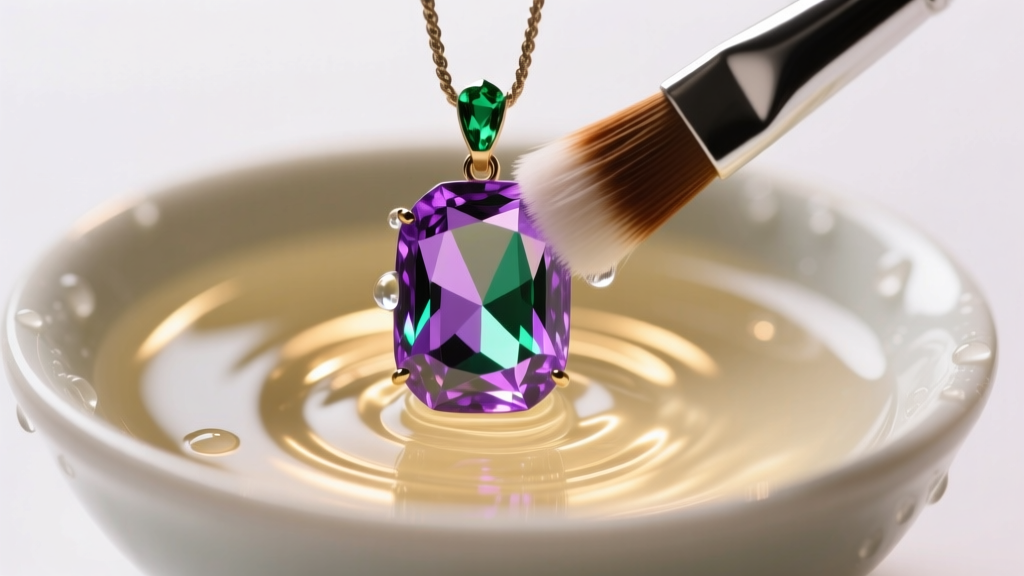
- Prepare the Solution: Mix a few drops of mild, phosphate-free dish soap into a bowl of lukewarm (never hot) water.
- Soak Briefly: Submerge the necklace for no more than 3 to 5 minutes to loosen oils and skin cells.
- Brush Gently: Use an extra-soft baby toothbrush or a dedicated jewelry brush to lightly sweep behind the gemstone settings where grime accumulates.
- Rinse and Dry: Rinse under a gentle stream of lukewarm water, ensuring the drain is plugged. Pat dry with a lint-free microfiber cloth. Do not air dry, as water spots can dull the polish of the metal.
By understanding the complementary color dynamics, respecting the Mohs scale limitations, and pairing your amethyst and peridot necklace with the correct metal and neckline, you can confidently wear this stunning dual-gemstone combination for decades to come.


