The 2026 Skills Necklace Gift Guide for Graduates
Discover the perfect skills necklace for 2026 graduates. Our expert gift guide covers materials, chain gauges, and occasion matching for career milestones.

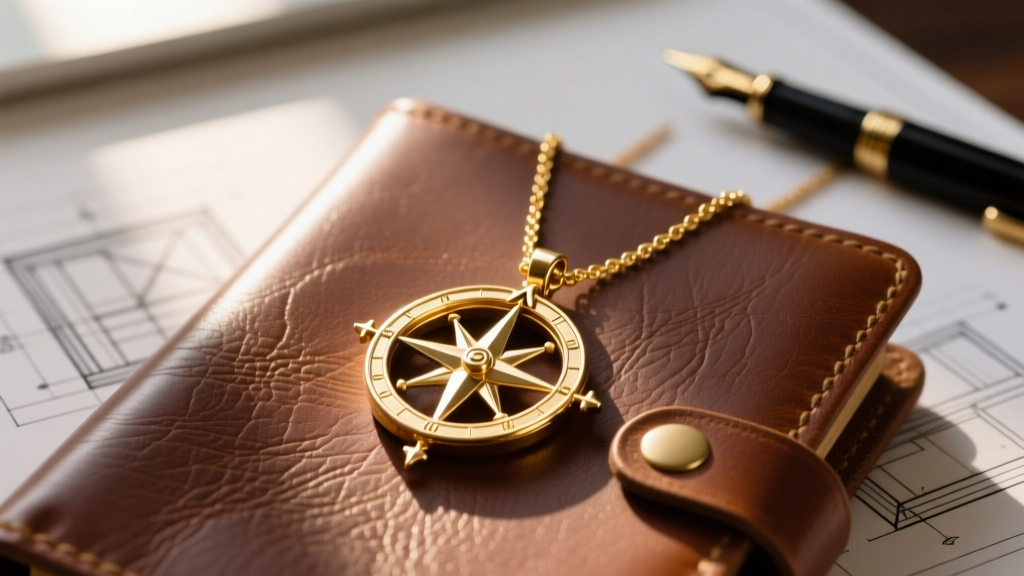
The landscape of milestone gifting has shifted dramatically in 2026. Gone are the days when a generic initial pendant or a simple birthstone ring sufficed for major life achievements. Today, the skills necklace has emerged as the ultimate symbol of personal and professional mastery. Whether celebrating a nursing graduation, the completion of a demanding culinary apprenticeship, or a career pivot into software engineering, a skills necklace translates hard-earned expertise into a wearable, daily reminder of perseverance. This comprehensive guide will walk you through the metallurgy, sizing, and occasion-matching required to select the perfect skills necklace for the graduate or professional in your life.
Defining the Skills Necklace Trend
What separates a skills necklace from standard occupational jewelry? Traditional medical alert tags or corporate lapel pins are purely functional or strictly formal. A skills necklace bridges the gap between fine jewelry and personal narrative. These pieces feature micro-sculpted pendants—ranging from 12mm to 22mm—that represent specific tools, symbols, or abstract concepts tied to a mastered craft.
- The Coder: Sterling silver or 14k gold angle brackets
< >or a microchip silhouette. - The Culinary Artist: A minimalist whisk, chef’s knife, or sprig of rosemary.
- The Tradesperson: Calipers, a plumb bob, or a framing square.
- The Healthcare Worker: A modern, geometric caduceus or a stylized stethoscope.
Material Science: Matching Metal to the Work Environment
The most critical mistake gifters make is ignoring the wearer's daily environment. A delicate 18k gold chain will not survive the rigorous sanitization protocols of a hospital, just as a porous turquoise pendant will degrade in a busy kitchen. According to the Gemological Institute of America (GIA), understanding alloy hardness and corrosion resistance is paramount for daily-wear jewelry.
| Environment | Recommended Metal | Chain Style | Why It Works |
|---|---|---|---|
| Healthcare / First Response | 316L Surgical Steel or Titanium | 1.5mm Box Chain | Withstands harsh chemical sanitizers; hypoallergenic. |
| Culinary / Hands-on Trades | 14k Solid Gold or Platinum | 1.2mm Rope Chain | Resists tarnishing from acidic foods; high tensile strength. |
| Corporate / Tech | 18k Gold or Sterling Silver | 1.0mm Cable Chain | Elegant drape; safe from heavy physical abrasion. |
Deep Dive: 316L vs. 304 Steel
For medical professionals, insist on 316L stainless steel. The addition of molybdenum in 316L provides superior resistance to chlorides and industrial solvents compared to standard 304 steel. Furthermore, the Mayo Clinic notes that nickel allergies are a leading cause of contact dermatitis; high-quality 316L binds nickel tightly, making it safe for sensitive skin during long, grueling shifts.
Chain Mechanics, Gauges, and Bail Proportions
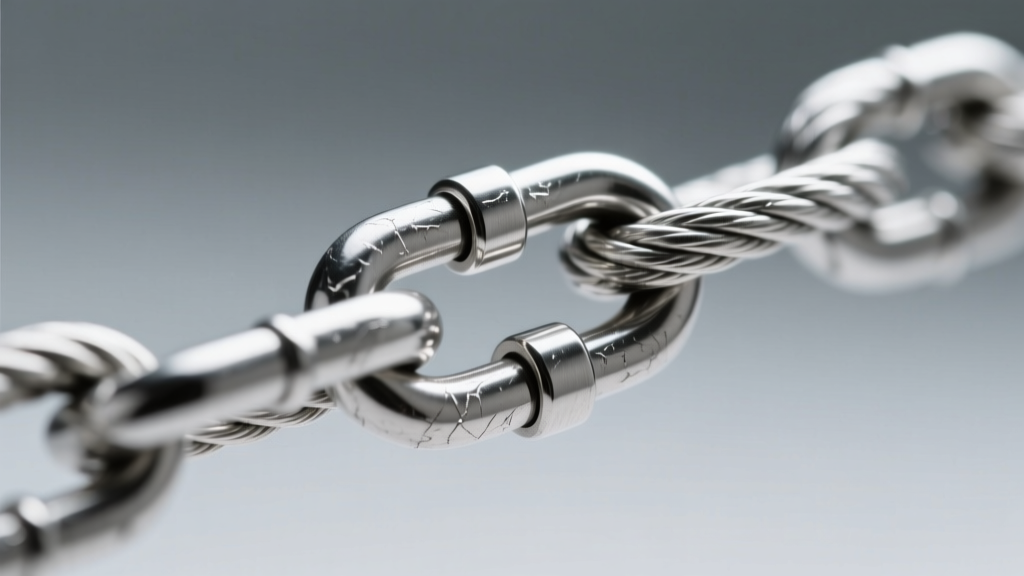
The pendant is only half the equation. The chain gauge must perfectly balance the visual weight of the skills pendant while providing structural integrity.
- Gauge Sizing: For pendants weighing under 5 grams (typical for 15mm skill symbols), a 1.0mm to 1.2mm chain is ideal. Anything thicker will visually overpower the delicate craftsmanship of the pendant. For heavier, solid 14k gold trade tools (8-12 grams), step up to a 1.5mm or 2.0mm box or wheat chain to prevent link distortion.
- Bail Mechanics: The bail (the loop connecting pendant to chain) is a primary failure point. Avoid glued bails. Look for soldered loop bails or hidden bails (where the chain threads directly through the pendant) for a seamless, modern look that reduces friction wear.
Occasion Matching: When to Gift a Skills Necklace
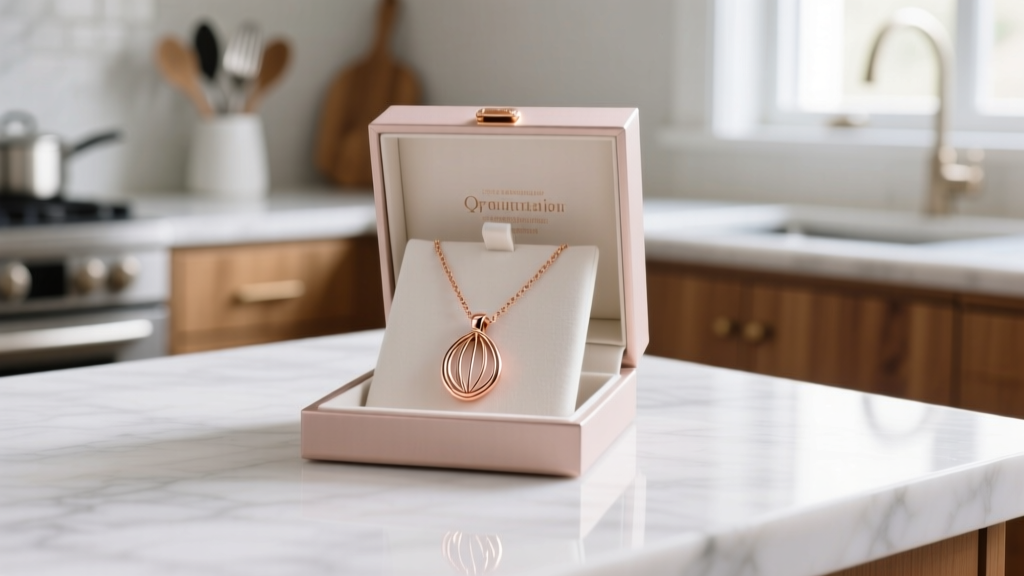
Timing and presentation elevate the gifting experience. Here is a framework for matching the skills necklace to the specific milestone.
The Graduation (Nursing, Engineering, Culinary)
Opt for a 16-inch to 18-inch chain length so the pendant rests prominently above the neckline during graduation photos and early career networking events. An 18-inch cable chain in 14k gold is the most versatile choice for new graduates entering corporate or clinical environments.
The Master Certification (Trades, Sommelier, Master Electrician)
These milestones often occur later in life and signify deep expertise. Choose premium metals like 18k gold or platinum, and consider adding a discreet laser engraving of the certification date on the back of the pendant. A 20-inch matinee length allows the pendant to be worn comfortably over heavier work shirts or uniforms.
The Hobbyist Milestone (Woodworking, Pottery, Coding Bootcamp)
Sterling silver with oxidized detailing highlights the intricate textures of hobbyist tools, offering an artisanal, rugged aesthetic that celebrates the messy, rewarding learning process.
Customization: The Limits of Micro-Engraving
When personalizing a skills necklace, gifting experts often recommend laser engraving. However, because skill pendants are inherently small (usually 15mm to 20mm in diameter), you must respect the limits of micro-engraving.
Expert Rule of Thumb: Never exceed 10 characters on the back of a 15mm pendant. Use a clean, sans-serif font like Helvetica or Arial at a minimum 4-point size equivalent. Serif fonts will blur and become illegible when scaled down to fit a miniature caliper or whisk pendant.
Expert Troubleshooting: Preventing Wear and Tear
Even the finest skills necklace requires proper maintenance, especially when worn in active environments.
- Enamel Chipping: Many skill pendants use black or white enamel to highlight micro-details (like the markings on a tiny ruler or the keys on a microchip). To prevent chipping, avoid ultrasonic cleaners. Instead, use a soft-bristled baby toothbrush with mild dish soap and warm water.
- Clasp Fatigue: Standard lobster clasps can suffer from spring fatigue if the wearer frequently removes the necklace while wearing gloves or tight uniforms. Upgrade the chain with a high-tension spring ring or a secure magnetic neodymium clasp for effortless, safe removal.
- Scratch Mitigation: High-polish finishes on gold will show micro-scratches from daily desk work or tool handling. Request a brushed or matte finish from your jeweler to give the skills necklace a lived-in, industrial patina that hides wear beautifully.
Final Thoughts on Gifting Mastery
A skills necklace is more than an accessory; it is a tangible validation of late nights, rigorous exams, and the pursuit of excellence. By carefully matching the metallurgy to the wearer's environment, selecting the appropriate chain gauge, and respecting the physical limitations of micro-jewelry, you can provide a 2026 graduation gift that will be cherished and worn with pride for decades to come.


