Lana Del Rey Coke Spoon Necklace: A Technical Deep Dive
Explore the technical details of the Lana Del Rey coke spoon necklace, from sterling silver gauges and chain pairings to vintage sourcing tips.

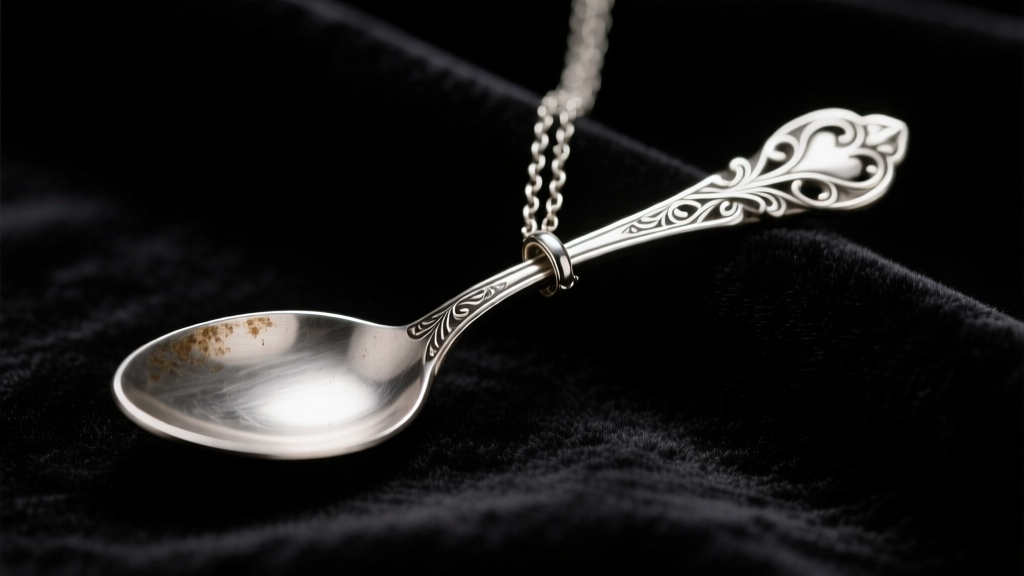
Since the early 2010s, the Lana Del Rey coke spoon necklace has transcended mere pop-culture fandom to become a staple of alternative, indie-glam, and dark-romantic jewelry aesthetics. While the internet colloquially refers to it as a "coke spoon" due to the tragic-heroine, noir-glam persona Del Rey cultivates, the reality of the jewelry piece is deeply rooted in antique silverware and Victorian micro-utensils. For jewelry historians and bench jewelers, this trend presents a fascinating case study in how vintage silhouettes are adapted for modern layering.
In 2026, the demand for these micro-spoon pendants remains incredibly high, driving both vintage scavengers and custom casting houses to perfect the exact dimensions, metallurgy, and chain pairings required to achieve the authentic look. This expert deep dive bypasses the aesthetic fluff to examine the precise technical specifications, material grades, and sourcing methodologies behind the iconic spoon necklace.
The Origins: Demitasse vs. The "Coke Spoon" Myth
To understand the anatomy of this pendant, we must first correct the prevailing misnomer. The pendants worn by Del Rey and her stylists are rarely, if ever, actual illicit drug paraphernalia. Historically, they are Victorian demitasse spoons, sugar spoons, or occasionally absinthe spoons that have been detached from their original stems or cast as miniature replicas.
Demitasse spoons were originally designed in the 19th century to stir sugar into small, concentrated cups of espresso or Turkish coffee. Their bowls are distinctly narrower and deeper than a standard teaspoon, and their handles often feature intricate repoussé work, guilloché enamel, or twist-carved stems. When adapted into jewelry, these micro-utensils typically measure between 25mm and 40mm in total length—a fraction of their original 100mm+ tabletop counterparts. The dark cultural association is purely a modern stylistic overlay on a piece of antique silverware history.
Technical Specifications: Sizing the Perfect Pendant
Whether you are sourcing an authentic antique fragment or commissioning a custom lost-wax cast, the proportions of the spoon dictate whether it reads as a delicate piece of jewelry or a clumsy novelty item. Bench jewelers adhere to strict tolerances to maintain the elegant, fragile silhouette associated with the Lana Del Rey aesthetic.
| Specification | Ideal Measurement | Jeweler's Tolerance |
|---|---|---|
| Total Pendant Length | 28mm - 35mm | ± 1.5mm |
| Bowl Width | 8mm - 11mm | ± 0.5mm |
| Bowl Depth | 3mm - 4.5mm | ± 0.5mm |
| Handle Gauge (Thickness) | 1.5mm - 2.2mm | ± 0.2mm |
| Bail Inner Diameter | 2.5mm - 3.0mm | ± 0.1mm |
The bail inner diameter is particularly critical. Because these pendants are so lightweight (often weighing less than 2.5 grams), a bail that is too large will cause the spoon to flip upside down constantly, while a bail that is too small will restrict the chain's movement and cause premature wear on the jump ring.
Metallurgy & Material Grades: What to Look For
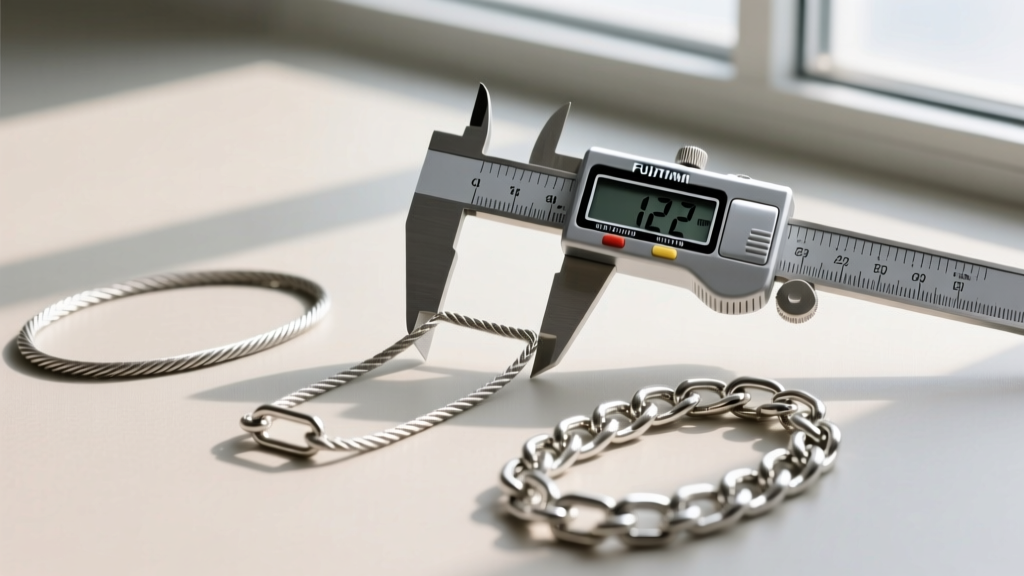
The material composition of a spoon necklace dictates its longevity, tarnish rate, and skin safety. While fast-fashion retailers flood the market with zinc-alloy castings plated in microscopic layers of silver, serious collectors and custom jewelers rely on specific silver alloys.
Sterling Silver (925) vs. Argentium (960)
Traditional 925 Sterling Silver consists of 92.5% pure silver and 7.5% copper. According to the Silver Institute, the copper addition provides the necessary tensile strength for jewelry, but it is also the primary culprit behind tarnishing. When copper reacts with atmospheric sulfur and moisture, it forms silver sulfide (Ag2S), the black patina that rapidly accumulates in the crevices of a spoon's bowl and handle engravings.
For modern replicas cast in 2026, many high-end bench jewelers have pivoted to Argentium 960 Silver. Argentium replaces a portion of the copper alloy with germanium. This germanium addition creates a transparent, self-healing oxide layer on the surface of the metal that drastically slows down tarnishing. For a micro-pendant like a spoon, where polishing the deep interior of the bowl is notoriously difficult, Argentium is the superior metallurgical choice.
The Dangers of Brass and Nickel Plating
Avoid pendants stamped with "Tibetan Silver" or unmarked white metals. These are typically brass or nickel alloys. Nickel is a potent contact allergen, and when worn against the sternum where sweat accumulates, the plating will inevitably wear through, causing severe contact dermatitis and leaving a green or black stain on the skin.
Chain Pairing: Cable, Rope, and Box Chains
The chain you pair with a micro-spoon pendant can either elevate the piece or completely ruin its vintage aesthetic. The GIA Gem Encyclopedia notes that the visual weight of the chain must harmonize with the pendant's bail and overall mass. For the Lana Del Rey spoon necklace, the chain must be delicate, fluid, and historically evocative.
- Standard Cable Chain (1.0mm - 1.2mm): The most historically accurate choice. A fine, round-link cable chain mimics the delicate pocket-watch chains of the Victorian era. It drapes softly and allows the spoon to lay flat against the collarbone.
- Rope Chain (1.5mm): Offers a slightly more textured, vintage look. The twisted links catch the light beautifully, but anything thicker than 1.5mm will visually overpower a 30mm spoon pendant.
- Box Chain (1.0mm): Provides a sleek, modern contrast to the antique spoon. Box chains are highly resistant to kinking, making them a practical choice for daily wear, though they lack the historical romance of a cable chain.
Clasp Mechanics: Never use a standard spring-ring clasp for this setup. Spring rings are prone to internal spring failure and are difficult to operate with one hand. Instead, opt for a 10mm or 12mm teardrop lobster clasp. The teardrop shape provides a larger surface area for the jump ring to articulate, reducing metal-on-metal friction and preventing the clasp from catching on delicate knitwear.
Sourcing in 2026: Vintage vs. Custom Cast
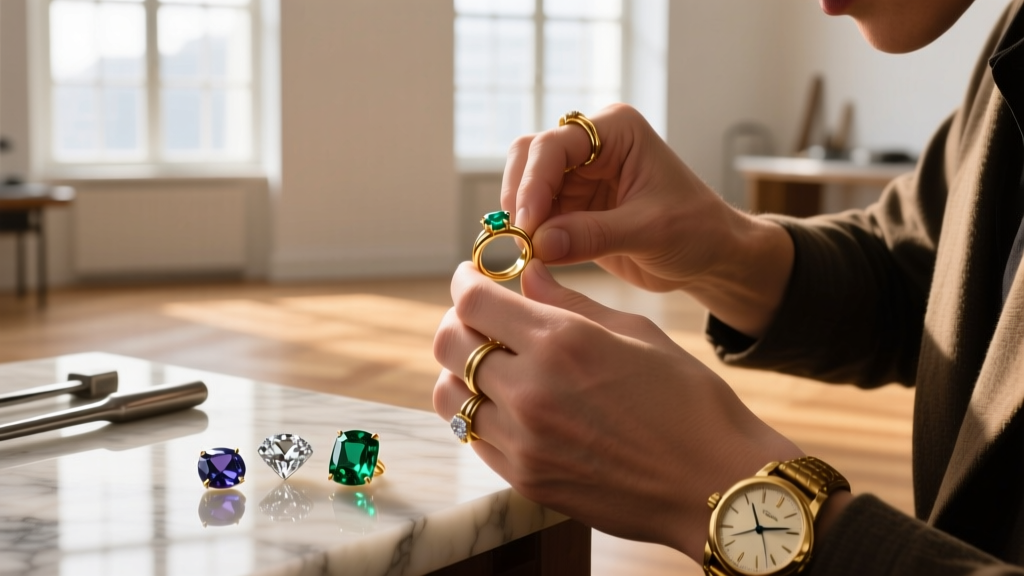
Acquiring the perfect spoon necklace requires navigating two distinct markets: antique salvage and modern custom casting.
Vintage Sourcing: True antique demitasse spoons can be sourced from estate sales, antique silver dealers, and specialized online marketplaces. When buying vintage, look for hallmarks such as the lion passant (indicating British sterling) or the Minerva head (French sterling). The challenge with vintage sourcing is the conversion process. A bench jeweler must carefully saw off the upper stem, file the edge flush, and solder a custom sterling silver bail. This requires precise heat control; excessive heat from the soldering torch can melt the thin walls of the spoon's bowl or destroy delicate enamel work on the handle.
Lost-Wax Casting: For those who want the aesthetic without sacrificing an antique, custom jewelers use the cire perdue (lost-wax) casting method. A master model is carved from jeweler's wax or 3D printed in castable resin at the exact 30mm scale. A rubber mold is created, and wax injections are cast into a plaster investment flask. The flask is burned out in a kiln, and molten Argentium or Sterling silver is vacuum-cast into the cavity. This method allows for the integration of a seamless, solid bail directly into the handle design, eliminating the weak point of a soldered jump ring.
Maintenance: Preventing Tarnish on Micro-Silver
Because of the spoon's concave bowl and intricate handle engravings, mechanical polishing with a jeweler's cloth is largely ineffective at reaching the recessed areas. To maintain the bright, reflective luster of a 925 sterling silver spoon pendant:
- Chemical Dips (Use with Caution): Silver dip solutions (thiourea-based) will instantly remove tarnish from the deepest crevices. However, they strip the natural patina and can leave a dull, matte finish if not rinsed thoroughly in distilled water and immediately dried.
- Ultrasonic Cleaners: If your spoon pendant features no gemstones, enamel, or oxidized blackening, a 3-minute cycle in an ultrasonic cleaner with a mild ammonia-free jewelry solution will dislodge skin oils and cosmetic buildup from the bowl.
- Anti-Tarnish Storage: When not being worn, store the necklace in a sealed polyethylene bag with a 3M anti-tarnish strip. The strip absorbs atmospheric sulfur, effectively halting the oxidation process before it begins.
Ultimately, the enduring appeal of the Lana Del Rey spoon necklace lies in its juxtaposition: it takes a mundane, domestic object and elevates it into a talisman of dark romance. By understanding the precise metallurgy, dimensional tolerances, and chain mechanics involved, you can source or commission a piece that is not only aesthetically perfect but structurally built to last for decades.


