Angelina Jolie Blood Necklace: Value & Budget Guide
Discover the true value of the Angelina Jolie blood necklace trend. We assess reliquary vials and ruby pendants to help you buy smart in 2026.

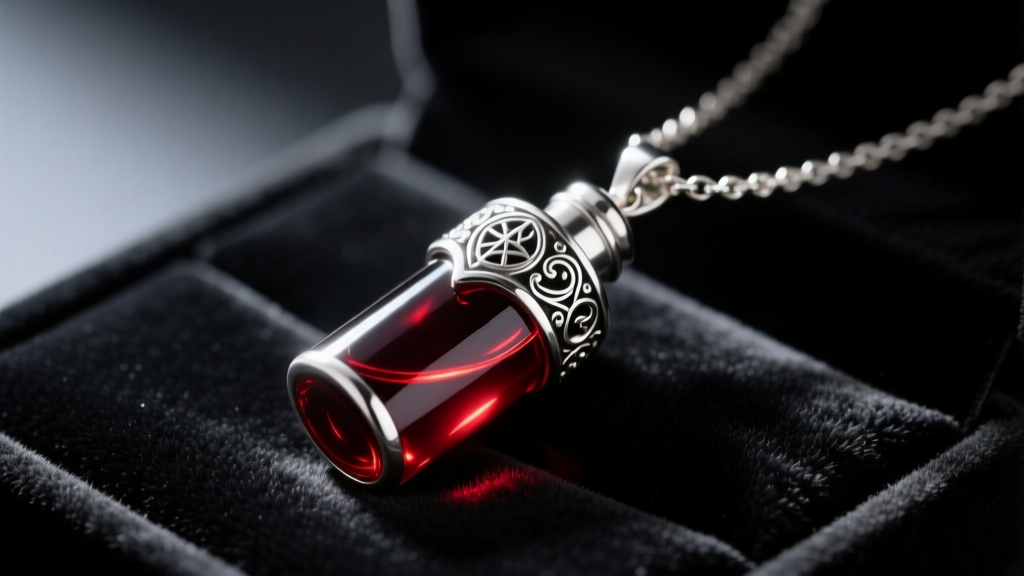
When jewelry historians and pop-culture enthusiasts discuss the most iconic, boundary-pushing accessories of the early 2000s, the angelina jolie blood necklace inevitably tops the list. Originally a custom vial pendant containing a drop of blood, gifted to her by then-husband Billy Bob Thornton, the piece transcended mere celebrity gossip to birth a lasting jewelry micro-trend: the reliquary vial necklace. Concurrently, her later red-carpet appearances promoting the film 'Blood Diamond' cemented the 'pigeon blood' ruby as the ultimate symbol of edgy, high-stakes luxury.
Fast forward to 2026, and the demand for gothic-romantic, edgy statement necklaces remains remarkably high. However, navigating the market for vial pendants and deep-red ruby alternatives requires a sharp eye for metallurgical quality, gemological treatments, and structural integrity. In this comprehensive budget and value assessment, we break down exactly what you should pay for these iconic styles, separating cheap costume replicas from heirloom-quality investments.
The Reliquary Vial: Material and Hardware Assessment
The modern interpretation of the angelina jolie blood necklace relies on the reliquary pendant—a hollow vessel designed to hold meaningful liquids, ashes, or colored resins. Assessing the value of these pieces requires looking past the novelty and examining the raw materials.
Glass vs. Quartz vs. Borosilicate
Cheap novelty vials are typically made from standard soda-lime glass, which is highly prone to micro-fractures and shattering upon impact. Mid-tier budget pieces often use lead crystal, offering high brilliance but significant weight and fragility. For true value in 2026, you should seek out borosilicate glass or cut quartz crystal. Borosilicate is thermal-shock resistant and incredibly durable, while quartz offers a heavier, premium hand-feel with natural refractive properties. A high-quality quartz vial pendant should cost between $80 and $150 before precious metal settings.
The Liquid vs. Resin Debate
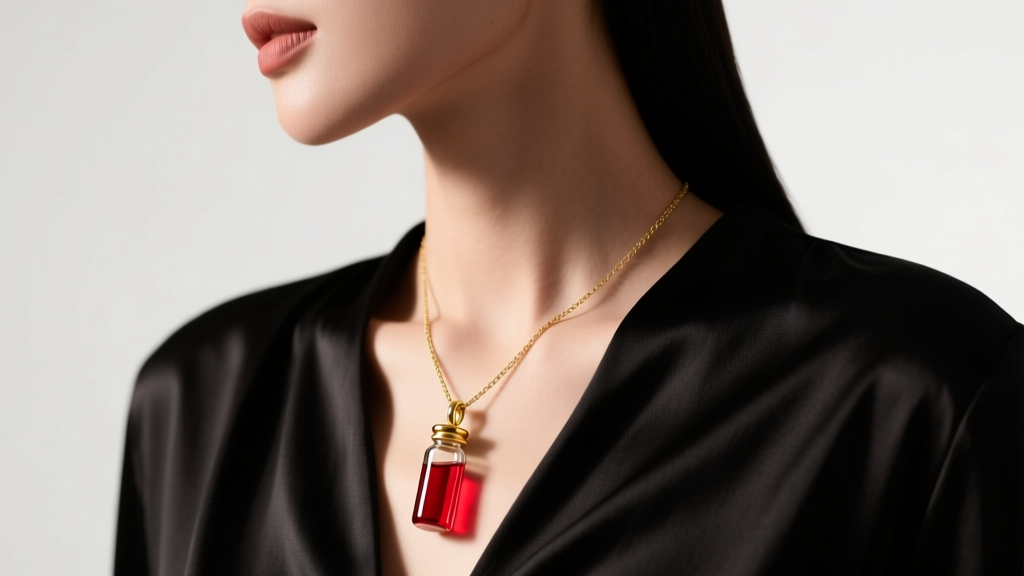
While the original pop-culture piece contained actual blood, modern jewelers strongly advise against sealing organic liquids in wearable vials. Over time, organic matter degrades, turns brown, and can compromise the seal. The 2026 standard for high-end 'blood' vials is UV-stable crimson epoxy resin or suspended iron-oxide pigments in mineral oil. When assessing value, ensure the piece features a threaded, screw-top bail with a silicone O-ring gasket, rather than a simple cork or friction stopper, which will inevitably fail and leak against the skin.
Chain Gauges and Structural Integrity
A common failure point in vial necklaces is the chain. A glass or quartz vial filled with resin or liquid can easily weigh between 15 and 30 grams. Delicate 1.0mm cable chains will snap under this dynamic load. For proper value and security, insist on a 2.0mm to 3.0mm curb, figaro, or box chain secured with a lobster clasp or a heavy-duty toggle. If a retailer is selling a heavy vial pendant on a 1.2mm spring-ring chain, the structural value is fundamentally compromised.
Budget vs. Luxury: Pricing Breakdown by Material
Whether you are looking for a subtle daily-wear piece or a high-end luxury statement, understanding the pricing matrix is crucial to avoid overpaying for base metals disguised as premium goods.
| Material Grade | Average Price Range (2026) | Durability & Tarnish | Value Verdict |
|---|---|---|---|
| 316L Surgical Steel | $35 - $75 | Highly durable, zero tarnish | Best budget option for daily wear |
| 925 Sterling Silver | $90 - $250 | Moderate, requires polishing | Good mid-tier, watch for thin plating |
| 14k Solid Gold (Yellow/White) | $450 - $1,200 | Excellent, heirloom quality | Best long-term investment & skin safety |
| Platinum 950 | $1,500 - $3,500+ | Superior, hypoallergenic | Luxury tier, heavy weight complements vials |
The 'Blood Diamond' Ruby Alternative
The second interpretation of the angelina jolie blood necklace stems from her iconic red-carpet appearances featuring deep red rubies, echoing the themes of the 2006 film 'Blood Diamond'. Today, the 'pigeon blood' ruby—characterized by a vivid, saturated red with a slight purple fluorescence—remains one of the most expensive gemstones on earth.
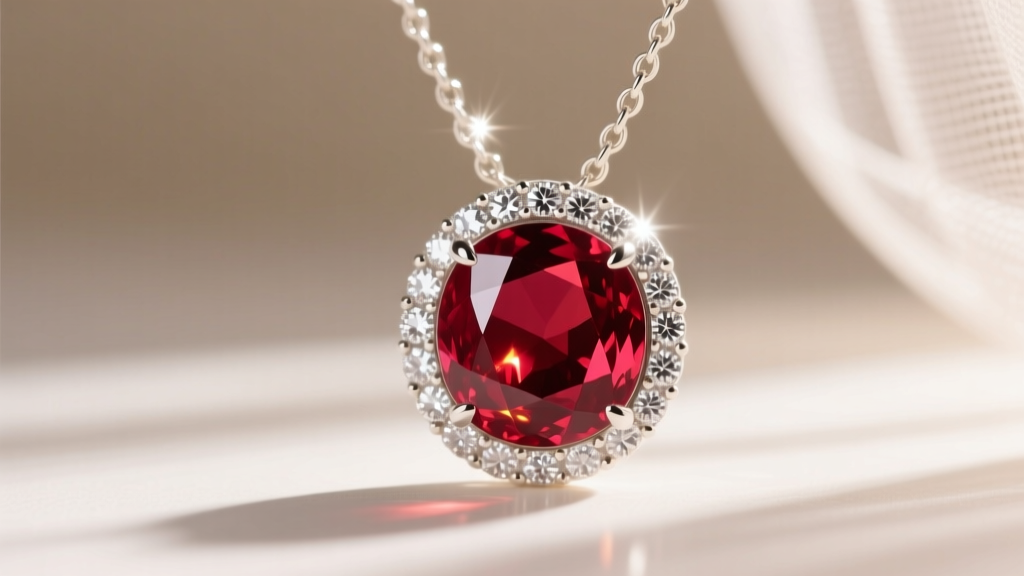
According to the Gemological Institute of America (GIA), natural, unheated pigeon blood rubies from Myanmar can command upwards of $100,000 per carat. For buyers seeking this dramatic, blood-red aesthetic on a realistic budget, the 2026 market offers two highly valuable alternatives:
- Lab-Created Corundum: Grown via the Verneuil or flux methods, these possess the exact same chemical composition (Al2O3) as natural rubies. A high-quality 2-carat lab-grown pigeon blood ruby pendant in 14k gold typically retails between $600 and $1,200, offering flawless clarity and perfect color saturation without the ethical or financial baggage of mined stones.
- Heat-Treated Natural Rubies: As noted by industry analysts at JCK Online, over 95% of natural rubies on the market are heat-treated to improve color and clarity. A 1.5-carat heated natural ruby with good transparency offers excellent value in the $2,000 to $4,500 range, provided it comes with a reputable gemological certificate verifying no lead-glass fracture filling.
2026 Buyer's Checklist for Edgy Statement Pendants
Before purchasing a vial or ruby pendant meant to capture this legendary aesthetic, run it through this strict value-assessment checklist:
- Verify the Bail Construction: Ensure the bail (the loop connecting the pendant to the chain) is soldered, not merely glued or bent shut. Heavy pendants will pull apart weak solder joints over time.
- Check the Gasket (For Vials): If buying a reliquary vial, unscrew the top. There must be a visible rubber or silicone O-ring. Without it, the piece is purely decorative and will leak.
- Demand a Gemological Report (For Rubies): Never buy a 'pigeon blood' ruby over $1,000 without a report from GIA, AGL, or Gubelin detailing the origin and exact treatment matrix.
- Assess the Clasp: Spring-ring clasps are a red flag for heavy pendants. Insist on a lobster claw or a secure locking toggle clasp rated for the specific gram weight of the necklace.
Final Verdict: Is the Aesthetic Worth the Investment?
The legacy of the angelina jolie blood necklace proves that jewelry is most valuable when it tells a visceral, unapologetic story. If you are drawn to the reliquary vial trend, a $150 borosilicate and sterling silver piece with a resin seal offers the best intersection of durability, safety, and gothic-romantic style. If you prefer the high-jewelry ruby route, pivoting to lab-grown pigeon blood corundum allows you to achieve the exact same breathtaking, blood-red optical performance for a fraction of the cost, freeing up your budget to invest in a heavier, more secure 14k gold chain. In 2026, true value lies in structural integrity and optical brilliance, allowing you to wear your edge with absolute confidence.


