2026 Gift Guide: Choosing the Perfect Animal Skull Necklace
Discover the 2026 gift guide for animal skull necklaces. Learn how to match materials, ethically sourced bone, and chain styles for alternative occasions.

Why the Animal Skull Necklace is the Ultimate Alternative Gift
In 2026, the memento mori aesthetic and dark academia trends have firmly cemented the animal skull necklace as a highly sought-after piece of statement jewelry. Far from being a mere shock-value accessory, a well-crafted skull pendant serves as a profound symbol of mortality, reverence for nature, and the cyclical beauty of life. For the discerning gift-giver, navigating the market requires an understanding of metallurgy, ethical sourcing, and structural integrity. This comprehensive guide will help you select the perfect piece, ensuring your gift is both visually striking and built to last a lifetime.
Decoding the Recipient: Matching the Skull to the Personality
An animal skull necklace is deeply personal. The species and material you choose should reflect the wearer's lifestyle, profession, and aesthetic preferences. Here is a framework for matching the pendant to the recipient:
1. The Wildlife Biologist or Entomologist
For the scientist or naturalist, authenticity is paramount. They will appreciate ethically sourced, real bone or antler carvings. A meticulously cleaned and sealed deer skull or a small avian skull (like a crow or owl) speaks to their reverence for the natural world. Avoid mass-produced metal replicas for this demographic; they value the organic imperfections of real bone.
2. The Dark Academia Scholar
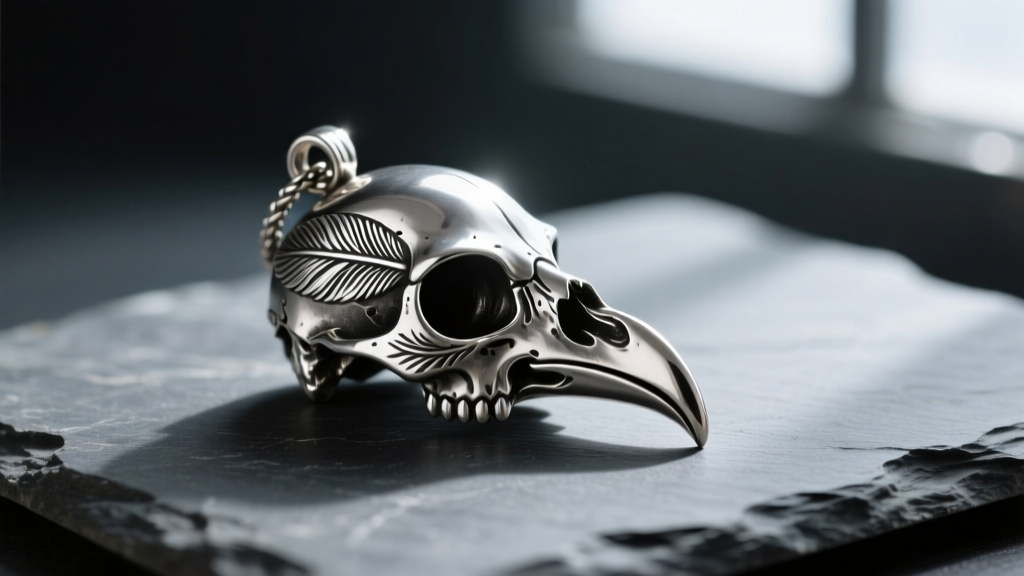
Think tweed jackets, old libraries, and a fascination with Victorian history. For this recipient, an oxidized 925 sterling silver raven or owl skull is ideal. The intentional blackening of the silver highlights the intricate sutures and hollow eye sockets, giving the piece an antique, excavated appearance that perfectly complements vintage menswear and womenswear.
3. The Heavy Metal or Gothic Enthusiast
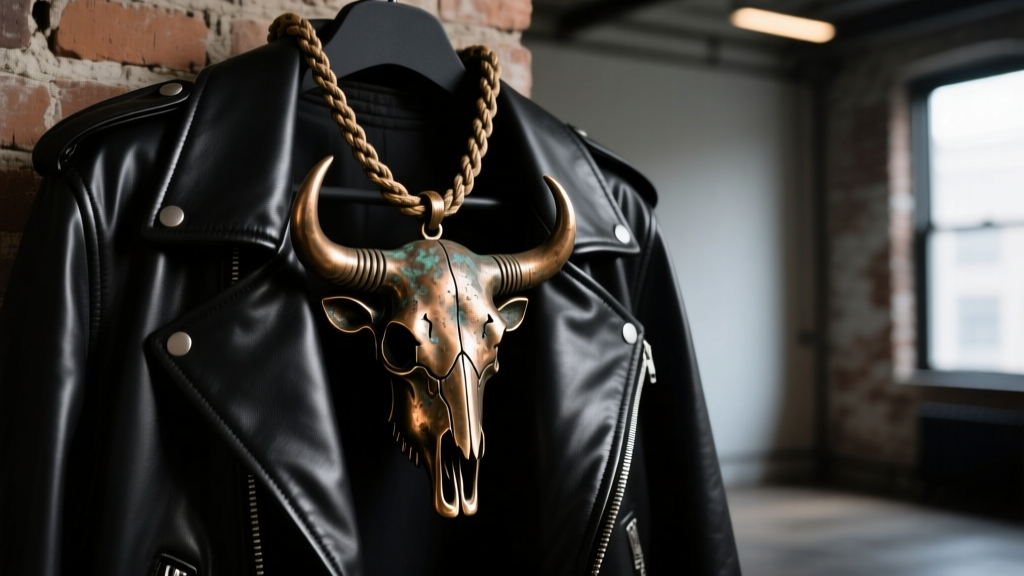
For those who lean into heavier, more aggressive aesthetics, scale and weight matter. A solid cast bronze bull or ram skull pendant offers substantial heft. Bronze develops a unique, dark patina over time, reacting to the wearer's skin chemistry and environment, making the piece uniquely theirs.
Material Matters: Ethical Bone vs. Lost-Wax Cast Metals
Understanding the manufacturing process and material properties is critical for evaluating quality and price. Most high-end metal skull pendants are created using lost-wax casting, a method where a wax model is encased in plaster, melted away, and replaced with molten metal. This allows for astonishing microscopic detail, capturing every pore and fracture of the original skull.
| Material | Weight (Avg) | Patina & Aging | Price Range | Best For |
|---|---|---|---|---|
| 925 Sterling Silver | 15g - 35g | Tarnishes, requires specific polishing | $80 - $250 | Everyday wear, subtle gothic |
| Cast Bronze | 30g - 60g | Develops rich, dark verdigris | $60 - $180 | Heavy statement pieces |
| Ethical Bone | 10g - 25g | Yellows slightly, porous texture | $40 - $120 | Naturalists, biologists |
| Pewter | 20g - 45g | Dulls over time, soft metal | $30 - $90 | Budget-friendly gifts |
Sourcing Real Bone: The CITES Factor
If you are gifting a genuine bone or ivory-adjacent skull necklace, you must be acutely aware of international wildlife trade laws. The Convention on International Trade in Endangered Species (CITES) strictly prohibits the commercial trade of endangered species. Never purchase real skulls from exotic or protected animals. Instead, seek out artisans who use naturally deceased domestic cattle, legally foraged deer antlers, or ethically sourced bird skulls from local aviaries. Reputable sellers will provide a certificate of origin or a statement of CITES compliance upon request.
Chain Pairings and Bail Sizing for Heavy Pendants
A common failure point in skull necklaces is the chain snapping under the pendant's weight. A 45-gram bronze wolf skull exerts significant tensile stress on the necklace. A standard 1.5mm cable chain will inevitably stretch, kink, or break.
- For Pendants under 20g: A 2.0mm box chain or a delicate 1.8mm rope chain is sufficient.
- For Pendants 20g - 40g: Opt for a 2.5mm to 3.0mm wheat chain. The interlocking links distribute weight evenly and resist kinking.
- For Pendants over 40g: A heavy 3.5mm to 4.0mm rope chain or a thick Cuban link chain is mandatory.
The Bail Check: The bail (the loop connecting the skull to the chain) must have an inner diameter large enough to accommodate the chain. If you buy a 3.0mm rope chain, the bail's inner diameter must be at least 5.0mm to allow the chain to drape naturally without pinching the metal links.
Occasion Matching: When to Gift Memento Mori Jewelry
While an animal skull necklace might not be the traditional choice for a conventional bridal shower, it is the ultimate gift for specific, meaningful milestones:
"Jewelry that confronts mortality doesn't just accessorize; it anchors the wearer to the present moment. It is a gift of perspective."
Alternative Anniversaries
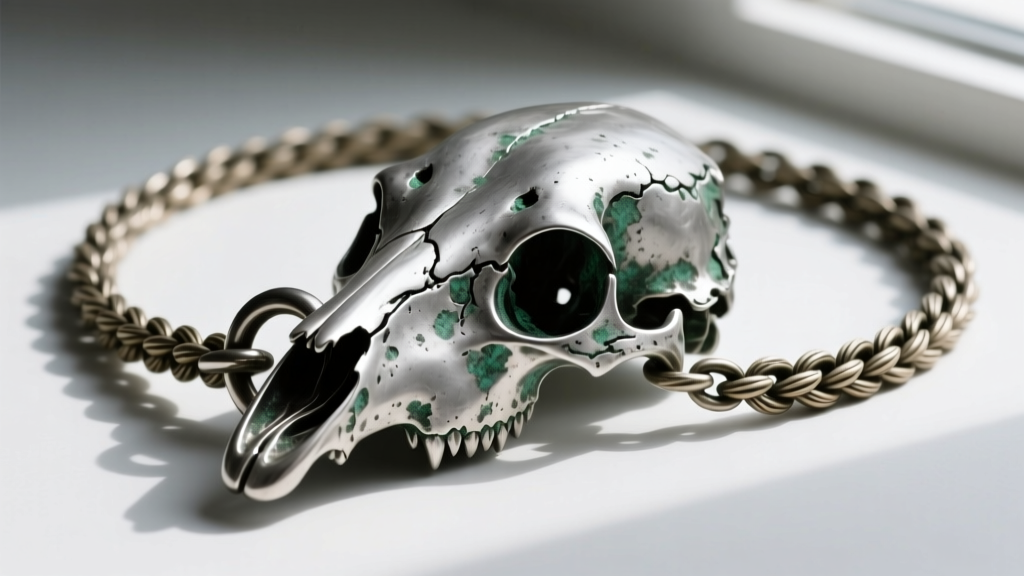
The traditional 7th-anniversary gift is copper or bronze. A hand-cast bronze fox skull necklace perfectly honors this milestone while subverting the cliché of standard jewelry. For the 32nd anniversary (silver), an oxidized sterling silver piece is deeply appropriate.
Academic Graduations
Gifting a subtle, ethically sourced bone pendant to a graduate in zoology, veterinary science, or anthropology acknowledges the rigorous, often gritty reality of their fieldwork and studies. It is a nod to the raw materials of their future profession.
Day of the Dead (Día de los Muertos)
While sugar skulls are the norm, a permanent, wearable silver animal skull serves as a beautiful, year-round tribute to departed pets or animal familiars, aligning with the holiday's themes of remembrance and the spiritual bond between humans and animals.
Care and Maintenance for Porous and Oxidized Materials
To ensure your gift survives the decades, include a care guide tailored to the material:
Caring for Ethical Bone
Real bone is highly porous and will absorb oils, lotions, and sweat, which can lead to foul odors or structural degradation over time. Never submerge bone in water. Clean it gently with a dry microfiber cloth. Once a year, apply a single drop of food-grade mineral oil to a cloth and rub it into the bone to prevent micro-fractures and keep it from drying out and cracking.
Maintaining Oxidized Silver
Oxidation is the intentional application of liver of sulfur to create black contrast in the recesses of the skull. If the recipient uses liquid silver dips or ultrasonic cleaners, this black patina will be stripped away, leaving the skull looking flat and overly bright. Advise them to use a dry silver polishing cloth only on the raised, high-friction areas (like the cranium and snout), leaving the dark oxidation intact in the eye sockets and teeth. For verification of silver purity, always look for the 925 hallmark, a standard rigorously enforced by institutions like the London Assay Office.
Final Thoughts on Gifting the Macabre
An animal skull necklace is more than an accessory; it is a talisman. By paying close attention to the recipient's personal aesthetic, verifying the ethical sourcing of organic materials, and pairing heavy pendants with structurally sound chains, you elevate the gift from a simple trinket to a profound, wearable artifact. In 2026, the most memorable gifts are those that tell a story—and few stories are as compelling as the beautiful, enduring architecture of nature.


