The Beginner’s Guide to the Animated Necklace: Kinetic & Illusion
Discover how the animated necklace uses kinetic mechanics and optical illusions to create movement. A beginner's guide to styles, care, and styling.

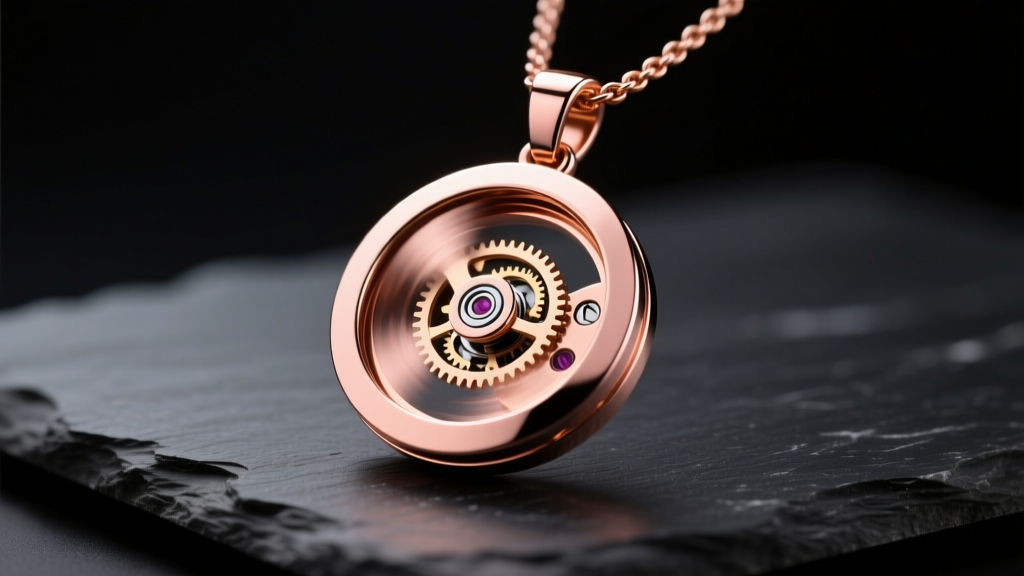
What Exactly is an Animated Necklace?
When you hear the term 'animated necklace,' you might picture digital screens or cartoon motifs. However, in the realm of fine and contemporary jewelry, an animated necklace refers to pieces that incorporate actual physical movement or dynamic optical illusions. As micro-machining technology advances in 2026, jewelers are blending horology (watchmaking) with fine jewelry to create kinetic pendants that spin, bloom, and shift, as well as illusion settings that make gemstones appear to float and vibrate against the skin.
For beginners, diving into the world of kinetic and illusion jewelry can feel overwhelming. How do the moving parts survive daily wear? What materials prevent friction and tarnish? This guide breaks down the mechanics, materials, and styling frameworks you need to know before investing in your first animated necklace.
The Mechanics of Kinetic Jewelry
Kinetic pendants rely on micro-engineering to allow parts of the necklace to move independently of the chain. The most common styles include spinner rings adapted into pendants, astrolabe-inspired celestial cages, and mechanical 'blooming' lotus flowers. The secret to a high-quality animated necklace lies in its joint architecture.
Ball Bearings vs. Friction Hinges
Entry-level kinetic jewelry often uses simple friction hinges—essentially a metal pin resting inside a metal tube. While cheap to produce, these degrade quickly, leading to a stiff, squeaky spin. Premium animated necklaces utilize micro-ball bearings. According to manufacturing insights reported by JCK Online, the integration of horological bearing systems into jewelry has drastically increased the lifespan of kinetic pendants, allowing them to spin freely for years without seizing.
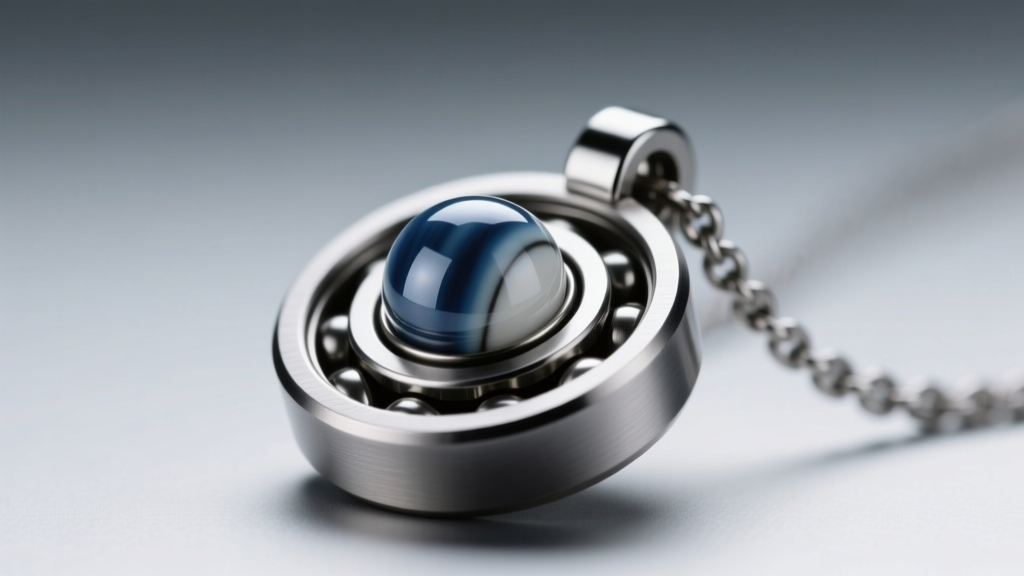
Ceramic vs. Steel Micro-Bearings
If you are evaluating a kinetic pendant, check the bearing material. 440C stainless steel bearings are common and durable, but they require periodic lubrication. Silicon Nitride (Si3N4) ceramic bearings, on the other hand, are self-lubricating, corrosion-proof, and significantly lighter, allowing for a longer, smoother spin with minimal maintenance.
Optical Illusions: The 'Floating' Effect
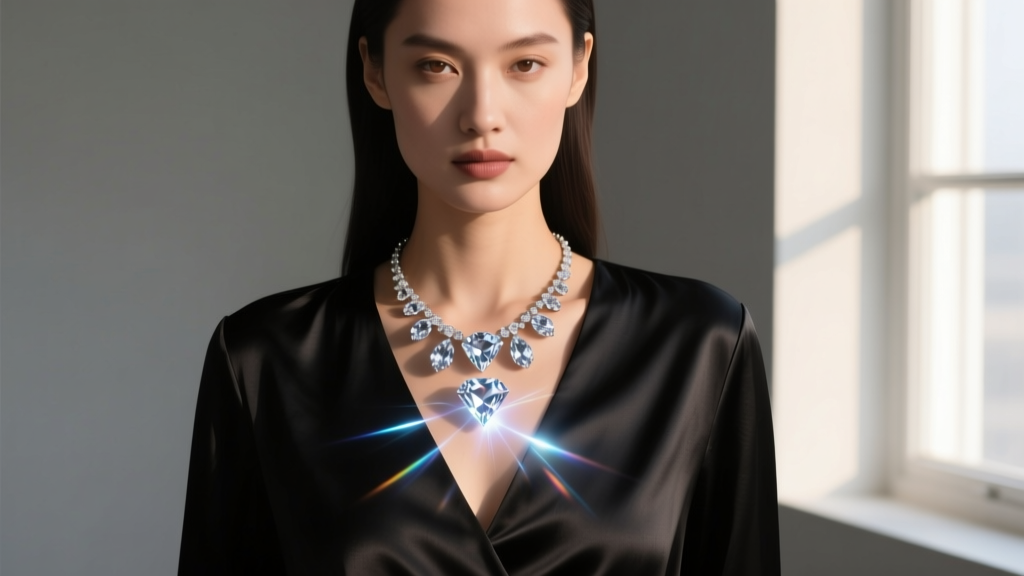
Not all animated necklaces rely on moving parts. Some create the illusion of animation through light and tension. The 'floating diamond' necklace is a prime example. By using an invisible, high-tensile monofilament wire or a precision tension setting, the gemstone appears to hover and dance on the collarbone, catching the light with every micro-movement the wearer makes.
The Gemological Institute of America (GIA) notes that tension settings can exert up to 1,000 pounds of pressure per square inch on a diamond's girdle to hold it in place. This requires exceptional stone clarity and precise laser-cut grooves. When done correctly, the visual effect is a gemstone that seems to vibrate and animate as it catches ambient light.
Material Durability and Wear Framework
Moving parts generate friction, and friction generates wear. Choosing the right metal grade is non-negotiable for kinetic jewelry. Soft metals like pure 24k gold or sterling silver will quickly warp or gall (cold-weld together) at the friction points. Here is a decision framework for selecting your animated necklace material:
| Material Grade | Friction Resistance | Best Application | Estimated Price Range |
|---|---|---|---|
| 316L Surgical Steel | High | Spinner pendants, heavy kinetic cages | $45 - $150 |
| Grade 23 Titanium (Ti-6Al-4V) | Very High | Lightweight illusion settings, hypoallergenic joints | $120 - $300 |
| 14k/18k Gold with PVD Coating | Moderate | Luxury decorative spinners (PVD protects the wear points) | $400 - $1,200+ |
| Brass / Base Alloys | Low | Avoid for moving parts (prone to galling and verdigris) | Under $30 |
Note: PVD (Physical Vapor Deposition) coating is often applied to the interior tracks of gold kinetic pendants to provide a hard, friction-resistant surface that prevents the soft gold from wearing away.
Styling Your Animated Necklace for Different Necklines
Because animated necklaces draw the eye through movement, they act as natural focal points. Styling them requires balancing their visual weight with your neckline.
- The V-Neck / Plunge: Pair a long (20-24 inch) kinetic astrolabe pendant with a deep V-neck. The converging lines of the shirt draw the eye directly to the spinning mechanical cage.
- The Crew Neck / Turtleneck: Opt for a shorter (16-18 inch) floating illusion necklace. The solid fabric backdrop provides high contrast, making the hovering gemstone pop and emphasizing its 'animated' light play.
- The Boat Neck / Off-Shoulder: A wide, horizontal neckline pairs beautifully with a layered kinetic choker. The horizontal movement of a spinner tube complements the wide collarbone exposure.
Maintenance: Real-World Troubleshooting
The most common failure mode for a kinetic animated necklace is the seizure of the spinning mechanism due to trapped skin oils, lotions, or dust. Here is how to maintain your piece like a professional:
Expert Warning: Never put a kinetic necklace in an ultrasonic cleaner. The high-frequency vibrations can force microscopic debris deeper into the ball bearings and strip away essential factory lubricants.
The Compressed Air & Synthetic Oil Method
If your spinner pendant becomes stiff, do not force it. First, use a can of compressed electronics duster to blow out the micro-joints. Hold the nozzle at a 45-degree angle to avoid freezing the bearing with liquid propellant. If the spin remains gritty, apply a microscopic drop of synthetic watch oil (such as Moebius 9010) to the bearing seam using a fine needle. Avoid standard WD-40, which attracts dust and will eventually turn into a sticky sludge inside the jewelry housing.
Final Thoughts on the Animated Trend
The animated necklace bridges the gap between static adornment and interactive art. Whether you prefer the tactile satisfaction of a ceramic-bearing spinner pendant or the mesmerizing visual trickery of a tension-set floating diamond, understanding the mechanics and materials ensures your piece remains dynamic for a lifetime. By prioritizing surgical-grade metals, proper micro-bearing architecture, and mindful maintenance, your kinetic jewelry will continue to move beautifully for years to come.


