The 2026 Guide to Buying an Authentic Antique Pearl Necklace
Discover how to authenticate, value, and buy an antique pearl necklace in 2026. Expert tips on nacre, clasps, knotting, and era-specific hallmarks.

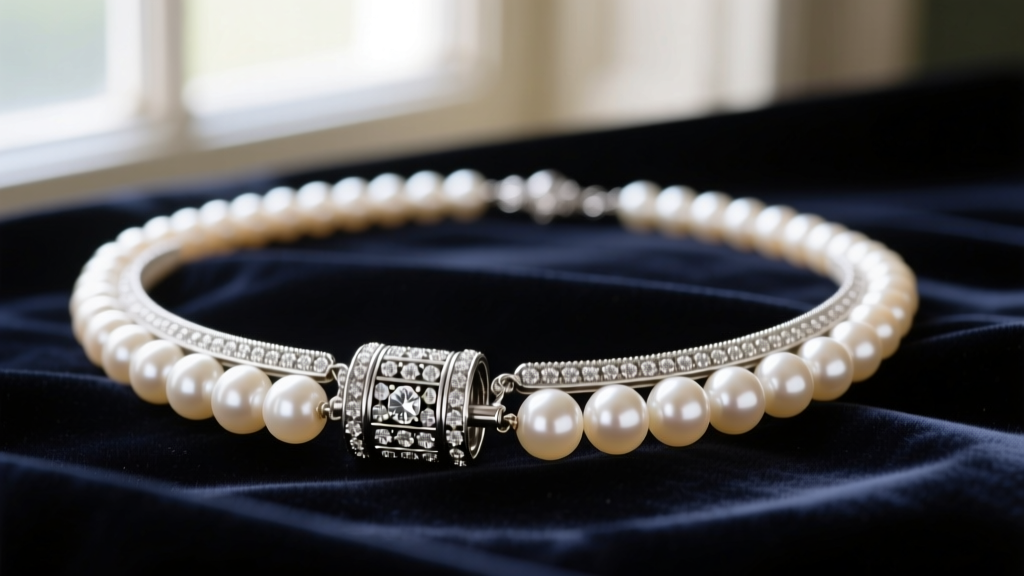
The Enduring Allure of Heirloom Pearls
When collectors search for a pearl necklace antique dealers often present a dizzying array of options, ranging from fragile Victorian seed pearl collars to glamorous Art Deco opera-length strands. In 2026, the market for heirloom jewelry has seen a massive resurgence, driven by a desire for sustainable, one-of-a-kind luxury that mass-produced modern jewelry simply cannot replicate. However, buying century-old organic gemstones requires a rigorous understanding of gemology, historical manufacturing techniques, and material degradation. Unlike diamonds or sapphires, pearls are organic structures composed of calcium carbonate and conchiolin, making them highly susceptible to environmental damage over time. This comprehensive buying guide will equip you with the expert knowledge needed to authenticate, evaluate, and preserve antique pearl jewelry.
Decoding the Eras: Georgian to Art Deco
Georgian & Victorian (1714–1901)
True Georgian pearl necklaces are exceedingly rare and highly fragile. During this era, natural saltwater pearls were harvested by free-divers in the Persian Gulf and the Gulf of Mannar. Because large, perfectly round pearls were virtually unattainable, jewelers relied heavily on 'seed pearls' (under 3mm) woven onto intricate horsehair or silk frameworks, often backed by foil to enhance their luster. Moving into the Victorian era, pearl necklaces took on symbolic meanings. Mourning jewelry frequently incorporated dark blister pearls or seed pearls paired with jet and vulcanite. A genuine Victorian piece will almost always lack a modern metal clasp, often relying on push-pull mechanisms or simple ribbon ties, as the barrel clasp had not yet been perfected.
Edwardian & Art Deco (1901–1935)
The Edwardian era introduced the 'collier de chien' (dog collar), a multi-strand choker featuring natural saltwater pearls interspersed with platinum and diamond spacers. The advent of the oxyacetylene torch allowed jewelers to work with platinum, resulting in incredibly fine, durable millegrain settings. By the 1920s, the Art Deco movement embraced long, swinging opera-length pearl necklaces that complemented the dropped waists of flapper dresses. This era also marks the most critical turning point in pearl history: the commercial introduction of cultured pearls, which fundamentally disrupted the natural pearl market.
Natural vs. Early Cultured: The Nacre Debate
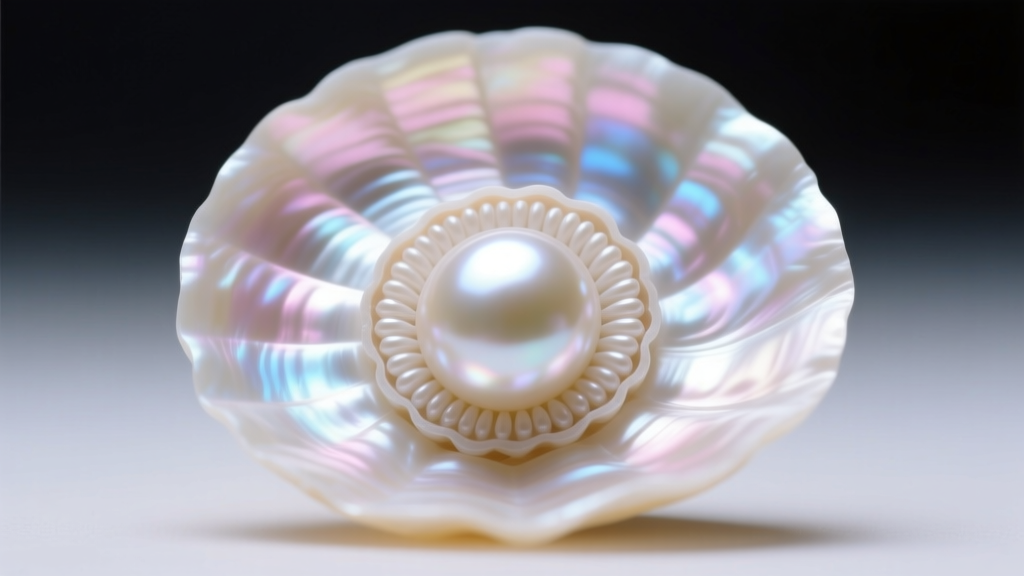
The most crucial authentication step when buying an antique pearl necklace is determining whether the pearls are natural or early cultured. In 1916, Kokichi Mikimoto patented his technique for producing spherical cultured pearls by inserting a mother-of-pearl bead nucleus into an Akoya oyster. By the mid-1920s, these cultured pearls flooded the market, causing the value of natural pearls to plummet. According to the Gemological Institute of America (GIA), visual inspection alone is insufficient to differentiate high-quality early cultured pearls from natural ones, as early 20th-century cultured pearls were left in the water for years, developing thick nacre layers (1.0mm to 2.0mm) compared to the paper-thin nacre (0.2mm) seen in modern mass-produced pearls.
'X-radiography is the only definitive method for separating natural saltwater pearls from early bead-nucleated cultured pearls. Natural pearls will show concentric rings of nacre all the way to a tiny, sometimes hollow, center, while cultured pearls will reveal a dense, round shell bead core surrounded by a halo of nacre.' — GIA Pearl Identification Guidelines.
If a seller claims a 1920s pearl necklace features 'natural' pearls, demand a recent X-radiography report from a recognized gemological laboratory. Without it, you must assume the pearls are early cultured and price your offer accordingly.
Authentication Checklist: Clasps, Silk, and French Wire
Beyond the pearls themselves, the hardware and stringing materials provide vital clues regarding a necklace's age, authenticity, and structural integrity. Lang Antique's Jewelry University emphasizes that examining the clasp and stringing method is just as important as examining the gems.
- French Wire (Gimp): Authentic antique pearl necklaces will feature 'French wire'—a tiny, coiled spring of gold or silver placed over the silk thread right where it loops through the metal clasp. This prevents the metal from cutting the silk over decades of wear. If a purported Edwardian necklace lacks French wire or uses modern plastic tubing, it has been restrung improperly or is a reproduction.
- Silk Knotting: High-quality antique strands are individually knotted between every pearl. Over time, silk stretches and rots. Gently pull the strand; if you see significant gaps between the knots and the pearls, the necklace requires immediate professional restringing. Factor the cost of museum-quality silk restringing ($150–$300) into your purchasing budget.
- Clasp Hallmarks: Edwardian clasps are typically platinum or platinum-topped gold, often featuring a small safety chain or ring. Art Deco pieces frequently utilize 14k or 18k white gold push-in box clasps with geometric diamond accents. Look for stamped hallmarks inside the clasp mechanism, though be aware that European marks differ from American standards.
Era-Specific Clasp & Pricing Matrix
| Era | Typical Pearl Type | Clasp Style & Metal | 2026 Estimated Market Value |
|---|---|---|---|
| Victorian (1837–1901) | Seed Pearl / Blister | Push-pull / Ribbon Tie | $400 – $2,500 |
| Edwardian (1901–1915) | Natural Saltwater | Platinum Barrel w/ Safety | $8,000 – $45,000+ |
| Art Deco (1920–1935) | Early Cultured Akoya | 14k/18k White Gold Box | $1,500 – $6,000 |
| Retro (1935–1950) | Cultured / Faux | Yellow Gold Fishhook | $300 – $1,200 |
2026 Market Valuations: What You Should Pay
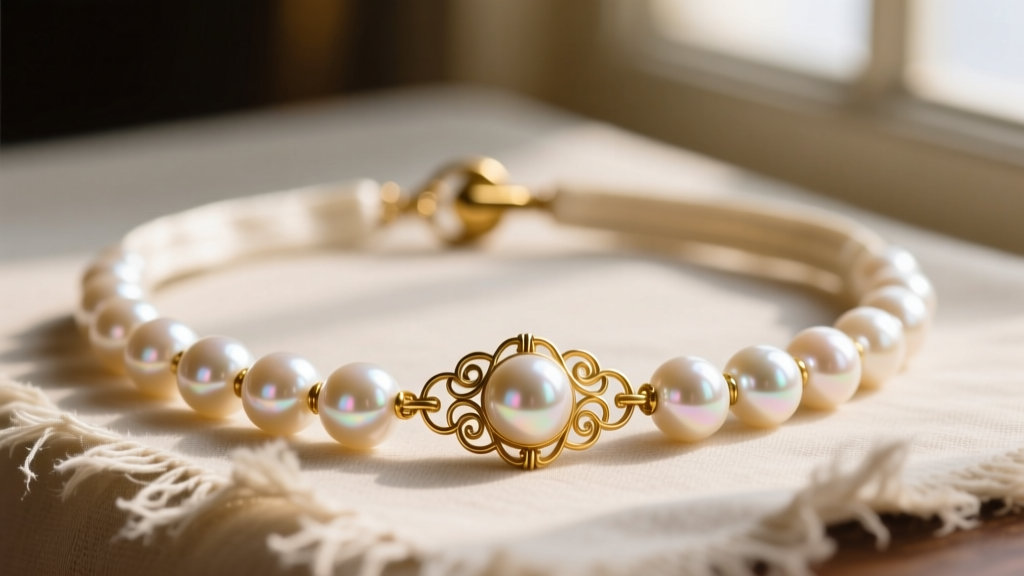
The valuation of antique pearl jewelry in 2026 is heavily bifurcated. On one end, verified natural saltwater pearl necklaces from the Georgian and Edwardian eras are treated as museum-grade investments. According to auction data from Sotheby's Fine Jewelry Department, a matched strand of natural Basra pearls with an original platinum and diamond clasp can easily command between $20,000 and $150,000, depending on provenance and luster.
On the other end, Art Deco and Retro era necklaces featuring early cultured pearls remain highly accessible, typically ranging from $1,500 to $6,000. These pieces are valued more for their historical design, the quality of the diamond-set clasps, and the thick, lustrous nacre of the early 20th-century Akoya pearls. When negotiating a purchase, always deduct the cost of necessary restoration. A broken barrel clasp or severely frayed silk thread can cost upwards of $400 to repair by a specialist who sources period-accurate findings.
Preservation: Caring for Century-Old Nacre
Owning an antique pearl necklace is an exercise in active preservation. Pearls rank a mere 2.5 to 3.0 on the Mohs hardness scale, making them incredibly soft. Furthermore, the conchiolin (the organic 'glue' that holds the calcium carbonate crystals together) dries out and cracks over time. Never store an antique pearl necklace in a plastic bag or a safety deposit box without a slightly damp cloth nearby; the lack of ambient humidity will cause the pearls to craze and peel.
Never use ultrasonic cleaners, steamers, or commercial jewelry dips on heirloom pearls. The chemicals will instantly strip the nacre and dissolve the antique silk thread. After wearing, gently wipe the pearls with a soft, lint-free cloth slightly dampened with distilled water to remove acidic body oils and perspiration. Finally, if you wear the necklace regularly, have it inspected and restrung by a master pearl knotter every three to five years using authentic silk thread and traditional French wire to ensure the next century of its survival.


