Ariel Shell Necklace: Material Science, Sourcing & Care Guide
Explore the material science, ethical sourcing, and precise care protocols for an ariel shell necklace. Expert technical insights for collectors.

The Mineralogy of Ariel Shells: Beyond the Iridescence
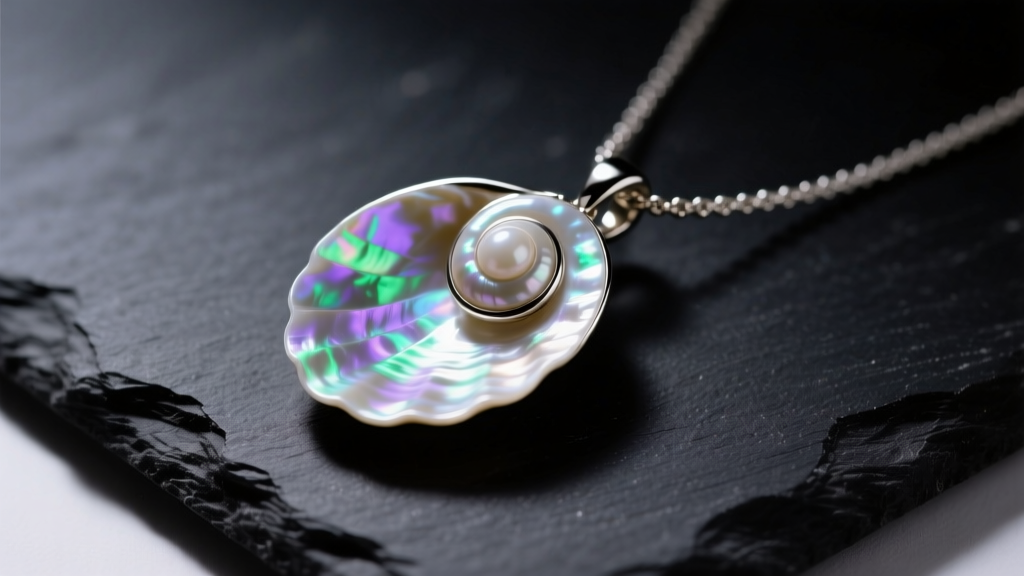
In the contemporary jewelry market of 2026, the ariel shell necklace has transcended its 'mermaidcore' aesthetic origins to become a subject of serious gemological interest. When jewelers and collectors refer to an 'ariel shell,' they are typically describing the iridescent, fan-shaped valves of the Pectinidae family (scallops), or meticulously carved mother-of-pearl designed to mimic this iconic morphology. To properly care for and evaluate these pieces, one must first understand their complex biomineralization.
Unlike homogenous mined gemstones, an ariel shell is a biogenic composite material. It consists of approximately 95% calcium carbonate (CaCO3) and 5% conchiolin, an organic protein matrix that acts as the biological 'glue' holding the mineral structures together. The calcium carbonate in the inner, iridescent layer of the shell crystallizes as aragonite, forming microscopic platelets that are roughly 0.5 micrometers thick. The spectacular play-of-color, or pearlescence, is not caused by chemical pigments, but by structural coloration: the interference and diffraction of light as it passes through these stacked aragonite layers.
The Vulnerability of the Conchiolin Matrix
While the aragonite platelets provide the shell with its compressive strength, the conchiolin protein matrix is the necklace's primary point of vulnerability. Conchiolin is highly susceptible to desiccation (drying out) and chemical degradation. When an ariel shell necklace is exposed to prolonged low-humidity environments or harsh solvents, the conchiolin degrades, leading to micro-fissures, delamination of the nacre, and a permanent loss of iridescence. According to research published by the Getty Conservation Institute, organic-inorganic composites like nacreous shells require strict environmental controls to prevent the protein matrix from becoming brittle over time.
Sourcing, Grading, and Ethical Considerations
As the demand for organic jewelry has surged, so too has the scrutiny regarding marine harvesting practices. Historically, wild dredging for scallop shells resulted in significant benthic habitat destruction. Today, the most ethically sound ariel shell necklaces are sourced as byproducts of the sustainable aquaculture industry, specifically from farms cultivating scallops for the food trade.
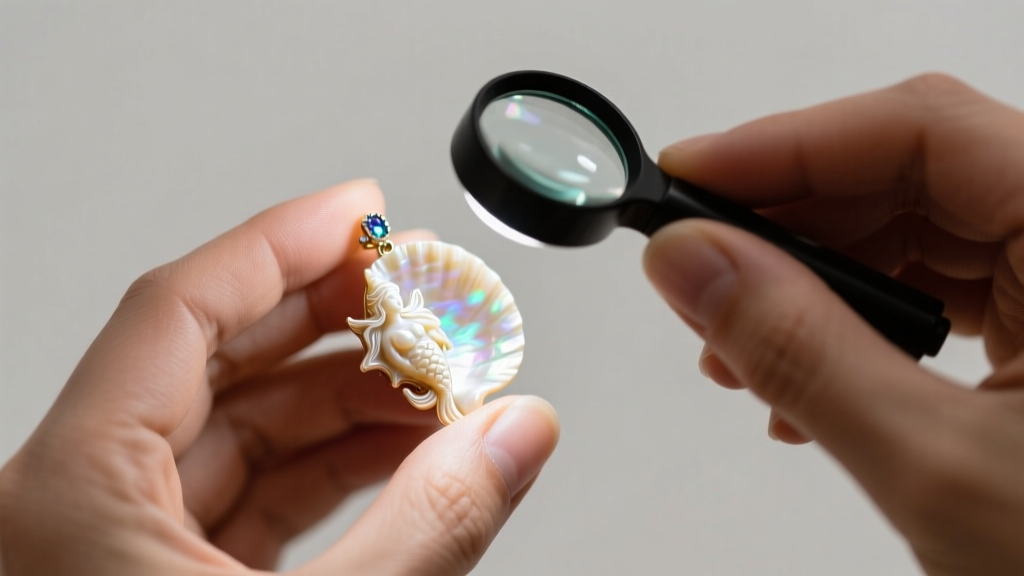
When evaluating the grade of an ariel shell pendant, gemologists look at three primary metrics:
- Nacre Thickness and Uniformity: High-grade shells exhibit a deep, unbroken nacreous layer without visible chalky spots (which indicate exposed prismatic calcite).
- Surface Topography: While natural growth rings are expected, severe pitting or 'worm holes' caused by marine borers (like Polydora worms) significantly reduce the structural integrity and value of the piece.
- Luster Quality: The sharpest, most mirror-like reflections indicate tightly packed, well-ordered aragonite platelets.
Collectors should also be aware of international trade regulations. While most common scallop species are not restricted, certain rare or regionally depleted marine bivalves fall under the CITES marine species guidelines. Always request a certificate of origin or a CITES compliance document when purchasing antique or vintage ariel shell necklaces sourced from protected marine sanctuaries.
Hardware & Chain Compatibility: Avoiding Galvanic Corrosion
A frequently overlooked aspect of designing and wearing an ariel shell necklace is the interaction between the organic pendant and the metal chain. Shells are inherently porous on a microscopic level. When worn against the skin, the shell can absorb sweat, oils, and metal oxides. If paired with the wrong base metals, a chemical reaction known as galvanic corrosion can occur, permanently staining the porous calcium carbonate structure with dark, irreversible blemishes.
Below is a technical compatibility chart for pairing chains with organic shell pendants:
| Chain Material | Corrosion Risk | Staining Potential | Expert Recommendation |
|---|---|---|---|
| 14k / 18k Solid Gold | Extremely Low | None | Ideal. Chemically inert; will not react with shell porosity or skin acids. |
| Sterling Silver (925) | Moderate | Low (Blackening) | Good. Silver sulfide tarnish can transfer to the shell if not cleaned regularly. |
| Gold Vermeil | Low | None (until worn) | Excellent, provided the gold layer is at least 2.5 microns thick to prevent base metal exposure. |
| Brass / Copper | High | Severe (Green/Blue) | Avoid. Copper oxides (verdigris) will permanently stain the aragonite matrix. |
| Surgical Steel | Low | Low (Gray) | Fair. Safe for short-term wear, but nickel alloys may cause skin reactions that alter local pH. |
For heirloom-quality ariel shell necklaces, the Gemological Institute of America (GIA) consistently recommends pairing organic gems with high-purity precious metals to eliminate the risk of metallic salt migration into the gem's porous structure.
Advanced Conservation and Cleaning Protocols
The most common cause of catastrophic damage to an ariel shell necklace is improper cleaning. Because calcium carbonate is highly reactive to acids, even mildly acidic commercial jewelry cleaners will etch the surface of the shell, dissolving the aragonite and leaving a dull, chalky finish. The chemical reaction is straightforward: CaCO3 + 2H+ → Ca2+ + H2O + CO2. Human sweat, which typically has a pH ranging from 4.5 to 7.0, can slowly etch the shell over years of continuous wear without intermittent wiping.
Never subject organic calcium carbonate structures to ultrasonic cavitation. The high-frequency acoustic bubbles will violently implode against the shell's surface, shattering the delicate aragonite platelets and causing immediate, irreversible delamination.
The Correct Cleaning Methodology
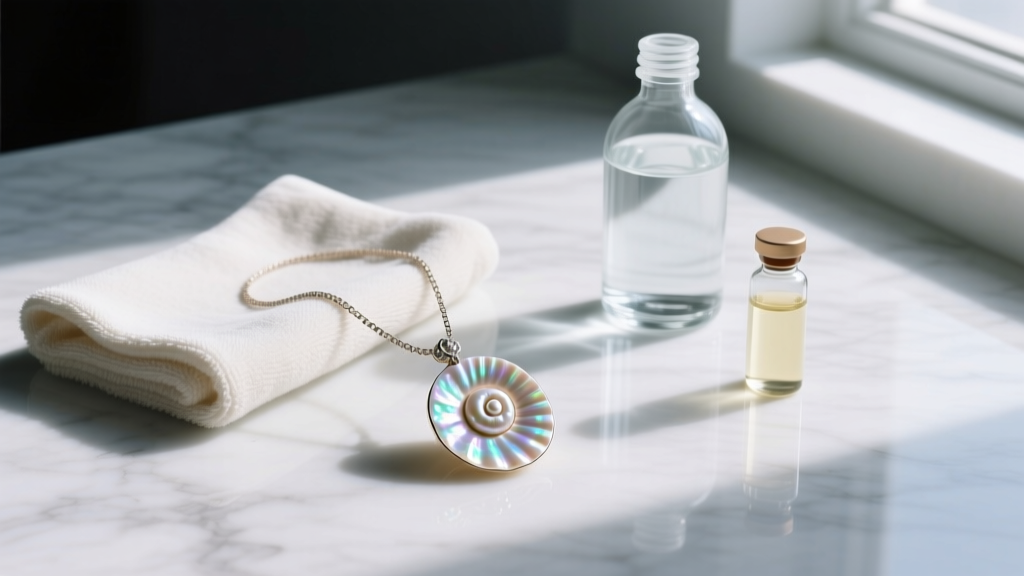
To safely clean an ariel shell necklace, follow this precise protocol:
- Dry Removal: Use a clean, untreated makeup brush or a soft camel-hair brush to gently dislodge dust and particulate matter. Avoid rubbing, as environmental dust often contains quartz (Mohs 7), which will easily scratch the shell (Mohs 2.5 - 3.5).
- Wet Cleaning (Only if necessary): Dampen a lint-free microfiber cloth with distilled water (tap water contains chlorine and trace minerals that can leave deposits). If the shell has accumulated skin oils, use a drop of pH-neutral, fragrance-free castile soap.
- Drying: Pat the shell dry immediately with a separate soft cloth. Never allow water to pool in the bail or the natural ridges of the shell, as prolonged moisture exposure can cause the conchiolin to swell and crack upon drying.
Long-Term Archival Storage Parameters
How you store your ariel shell necklace when it is not being worn is just as critical as how you clean it. Organic gems require a stable microclimate. The ideal storage environment maintains a relative humidity (RH) between 45% and 55%. If the RH drops below 30%, the conchiolin matrix will dehydrate, leading to severe checking (surface cracking). Conversely, an RH above 65% encourages the growth of mold spores, which can feed on the organic proteins and leave permanent black spotting.
Furthermore, avoid storing your necklace in polyvinyl chloride (PVC) plastic bags or boxes. PVC off-gasses hydrogen chloride and plasticizers over time, creating a highly acidic microenvironment that will aggressively etch the calcium carbonate. Instead, store the necklace in an unbleached, acid-free cotton muslin pouch or a lined wooden jewelry box, kept away from direct UV light, which can bleach the natural pigments and degrade the protein structure. By respecting the material science of the ariel shell, collectors can ensure these iridescent marvels survive for generations.


