Dodgy Necklace OSRS: Real-World Replica Buying Guide
Discover how to buy or commission a premium dodgy necklace OSRS replica. Learn about metal grades, chain gauges, and oxidized finishes for cosplay.

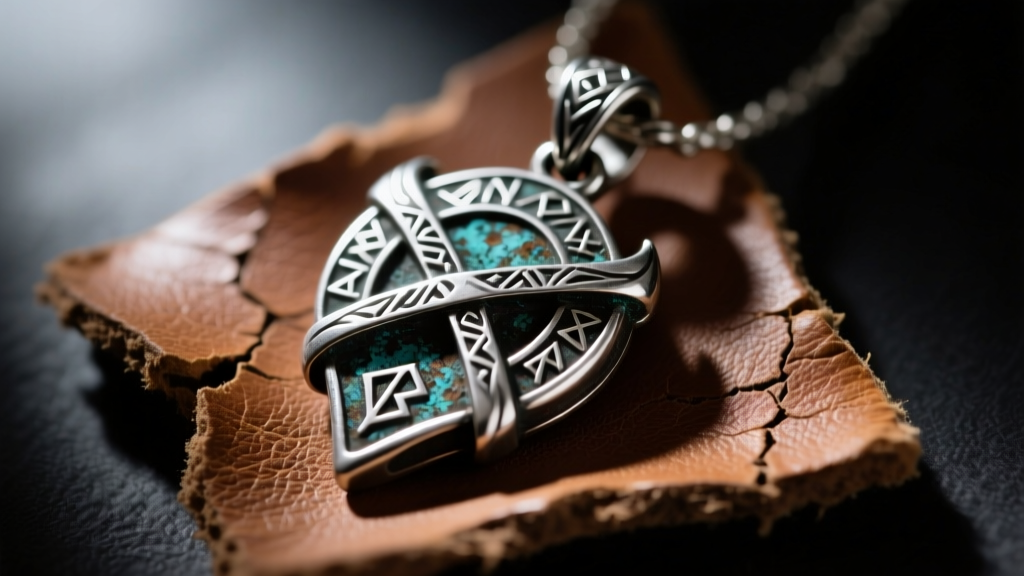
The Quest for the Perfect Dodgy Necklace OSRS Replica
For dedicated gamers, LARPers, and cosplayers, bridging the gap between the digital world of Gielinor and reality requires a keen eye for metallurgy and craftsmanship. The dodgy necklace osrs is legendary among players for its unique thieving mechanic: preventing the wearer from being stunned when failing a pickpocket attempt in Ardougne or Varrock. But when you step away from the screen and search for a real-world replica, you quickly realize that the mass-produced market is flooded with cheap, poorly made trinkets. Ironically, these commercial replicas are far too "dodgy" for any serious collector or daily wearer.
As we navigate the custom jewelry landscape in 2026, the demand for high-fidelity gaming memorabilia has pushed artisan jewelers to adopt advanced casting and chemical oxidation techniques. A true replica shouldn't just look like the in-game sprite; it should feel like an artifact that has survived a run-in with a city guard. This comprehensive buying guide will teach you exactly what to look for when purchasing or commissioning a premium, real-world dodgy necklace, ensuring your gaming jewelry holds up to the highest standards of real-world metallurgy, durability, and aesthetic authenticity.
Material Grades: Brass vs. Bronze vs. Oxidized Silver
The foundation of any historical or fantasy pendant is the base metal. Cheap replicas often use Zamak (a zinc alloy) or plated base metals that will chip, turn your skin green, and degrade within months. When commissioning a high-end thiever's amulet, you need solid, castable metals that accept a dark patina to highlight the intricate, rough-hewn details of the design.
| Material | Alloy Composition | Patina Potential | Durability & Skin Safety | 2026 Price Range |
|---|---|---|---|---|
| Zinc Alloy (Zamak) | Zinc/Aluminum/Copper | Poor (painted faux-patina chips) | Low (prone to snapping, nickel allergies) | $15 - $30 |
| Jeweler's Brass | CuZn30 (70% Copper, 30% Zinc) | Moderate (oxidizes to dark brown) | Medium (can cause green skin discoloration) | $45 - $75 |
| Silicon Bronze | CuSi3 (Copper with Silicon) | Excellent (deep, rich antiqued browns) | High (hypoallergenic, very hard-wearing) | $80 - $130 |
| 925 Sterling Silver | 92.5% Silver, 7.5% Copper | Superior (reacts perfectly to Liver of Sulfur) | Superior (hypoallergenic, premium heirloom) | $150 - $280 |
For the ultimate replica, 925 Sterling Silver is the undisputed champion. According to The Silver Institute, the copper content in sterling silver makes it highly reactive to chemical oxidizers, allowing jewelers to achieve the deep, grimy blacks required for a "worn" fantasy look without compromising the structural integrity of the piece. If you are on a budget, Silicon Bronze is your next best option, offering excellent weight and a beautiful natural tarnish over time.
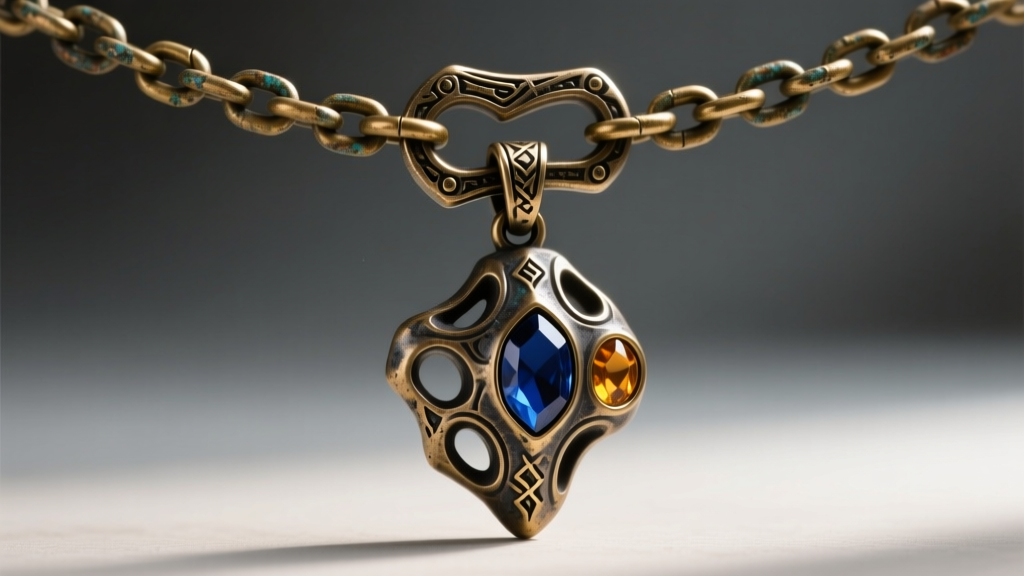
Chain Selection: Matching the Gielinor Aesthetic
A heavy, detailed pendant will look entirely out of place suspended from a flimsy, modern 1mm snake chain. The dodgy necklace aesthetic demands a chain that looks utilitarian, slightly rugged, and historically grounded. You must pay close attention to link style, gauge thickness, and tensile strength.
The Rolo Chain Advantage
For fantasy and medieval-inspired jewelry, the Rolo chain (also known as a belcher chain) is the industry standard. Rolo chains feature symmetrical, round or oval links that are interlocked without soldering. For a pendant of this nature, look for a Rolo chain with a wire gauge between 2.4mm and 3.2mm. This thickness provides enough visual weight to balance the pendant while remaining comfortable for all-day wear. Avoid Figaro or curb chains, as their flattened, patterned links lean too heavily into modern hip-hop or contemporary fashion aesthetics, breaking the fantasy immersion.
Clasp Mechanics and Soldering
Never accept a cheap spring-ring clasp on a heavy gaming replica. Spring rings are prone to internal spring failure and are difficult to operate with one hand. Instead, insist on a heavy-duty lobster clasp or a custom-forged S-hook clasp. Furthermore, ensure the end links of the chain are fully soldered closed. An unsoldered end link will eventually pull apart under the pendulum-like weight of a solid metal amulet, resulting in the loss of your prized replica.
Casting Methods: Why Your Replica Might Look "Dodgy"
The manufacturing method dictates the level of surface detail, undercut depth, and overall authenticity of the pendant. Mass-market gaming merch is typically produced using spin-casting or die-striking, which results in flat, lifeless pendants with visible seam lines.
- Die-Struck / Spin Cast (Avoid): These methods use rubber molds and centrifugal force to inject low-melt pot metals. They cannot capture deep undercuts (like the recessed skull or gem settings typical of thieving amulets) and often require heavy filing that ruins the edges.
- Lost-Wax Casting (The Gold Standard): As detailed by jewelry supply authorities like Rio Grande, lost-wax casting involves 3D printing or hand-carving a master model in castable wax, encasing it in investment plaster, burning out the wax in a kiln at 1350°F, and injecting molten metal into the void. This captures microscopic textures, tool marks, and deep reliefs, giving the pendant an authentic, hand-forged appearance.
The Patina Process: Achieving the Worn Thiever Look
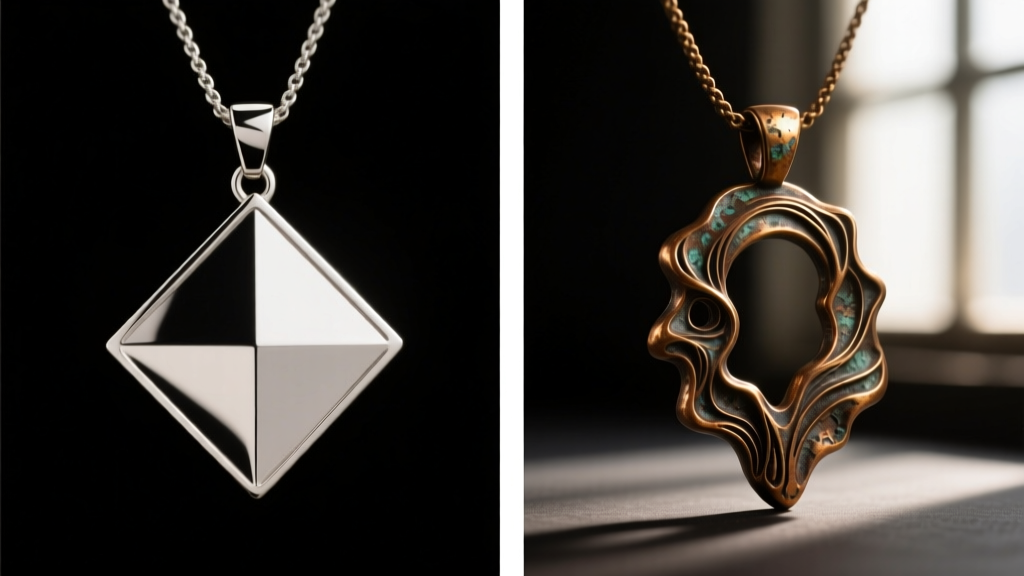
A shiny, highly polished silver pendant looks like it belongs in a royal court, not in the pockets of a master thief. The "dodgy" aesthetic relies heavily on oxidation and selective polishing. When commissioning an artisan, ask about their patina process. The industry standard for blackening sterling silver and bronze is Liver of Sulfur (potassium sulfide).
The jeweler will dilute the Liver of Sulfur in warm water and submerge the pendant, turning the entire piece pitch black. Once dry, they will use fine-grit abrasive pads or a polishing wheel to selectively remove the black oxidation from the high points and edges of the design, leaving the deep recesses, engravings, and textures completely black. This technique, known as "antiquing," artificially ages the metal by decades, simulating the grime and wear of a seasoned adventurer. Ensure the jeweler seals the piece with a micro-crystalline wax or a specialized jewelry lacquer to prevent the oxidation from rubbing off onto your clothing.
Sizing, Bails, and Proportions
Proportions can make or break a replica. A pendant that is too small will go unnoticed; one that is too large will look like a costume prop rather than a functional piece of jewelry.
The 30mm Rule: For standard fantasy amulets meant to rest on the sternum, the ideal pendant diameter or drop length is between 25mm and 32mm. This provides excellent visibility without overwhelming the wearer's neckline or clanking loudly against armor or clothing.
Equally important is the bail (the loop that connects the pendant to the chain). Because you should be using a robust 3.0mm Rolo chain, the bail must have an internal diameter of at least 4.5mm to 5.0mm. A hidden bail or a soldered jump-ring that is too small will cause the chain to bind, preventing the pendant from laying flat against the chest and causing premature wear on the chain links.
Final Verdict: Investing in Your Thieving Gear
When searching for the perfect dodgy necklace osrs replica, treat the purchase as an investment in artisan metallurgy rather than a simple merchandise buy. By demanding 925 sterling silver or silicon bronze, insisting on lost-wax casting, and requesting a professional Liver of Sulfur antiqued finish, you will secure a piece of gaming history that is built to last a lifetime. Whether you are wearing it to a convention, incorporating it into a subtle everyday geek-chic wardrobe, or simply keeping it in your collection, a properly crafted thiever's amulet is a testament to the enduring legacy of the game and the skill of modern jewelers.


