The Ultimate Digital Watch Necklace Tech Guide 2026
Explore the technical anatomy of the modern digital watch necklace. Expert insights on case materials, battery life, and chain engineering for 2026.

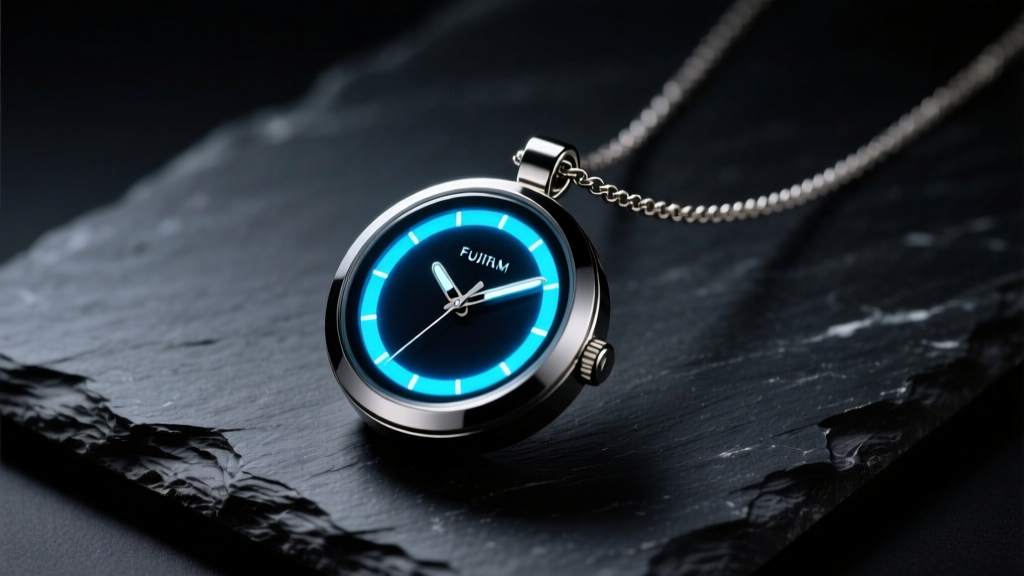
The Evolution of the Digital Watch Necklace
The convergence of Y2K nostalgia and modern wearable technology has propelled the digital watch necklace from a niche novelty to a sophisticated horological accessory. In 2026, these pieces are no longer just retro gadgets; they are precision-engineered hybrids that demand a rigorous understanding of both jewelry fabrication and micro-electronics. Whether you are evaluating a vintage Casio pendant module, a modern NFC-enabled smart token, or a cyberpunk-inspired OLED timepiece, understanding the technical specifications is critical for longevity and daily wearability. This guide deconstructs the engineering, material science, and structural requirements of the modern digital watch necklace.
Anatomy of a Tech-Pendant: Beyond the Display
When evaluating a digital watch necklace, the uninitiated often focus solely on the display type (LCD vs. OLED) or the aesthetic bezel. However, the true determinant of quality lies in the structural integration of the module into the jewelry casing. The most critical component is the bail—the loop that connects the pendant to the chain. In mass-produced fashion jewelry, bails are often simple bent wires glued or lightly soldered to the case back. Given that a fully assembled digital module can weigh between 25 and 60 grams, a glued bail will inevitably fail under the dynamic stress of walking and movement.
Expert-grade digital watch pendants utilize a laser-welded or cast-integrated bail directly into the 316L stainless steel or titanium case back. Furthermore, the tactile dome switches used to operate the digital module must be sealed with polyurethane membranes to prevent dust ingress, which is a primary cause of button failure in vintage digital modules. The printed circuit board (PCB) should be conformal-coated to protect the micro-solder joints from the ambient humidity trapped against the wearer's skin.
Material Science: Case Alloys and Crystal Hardness
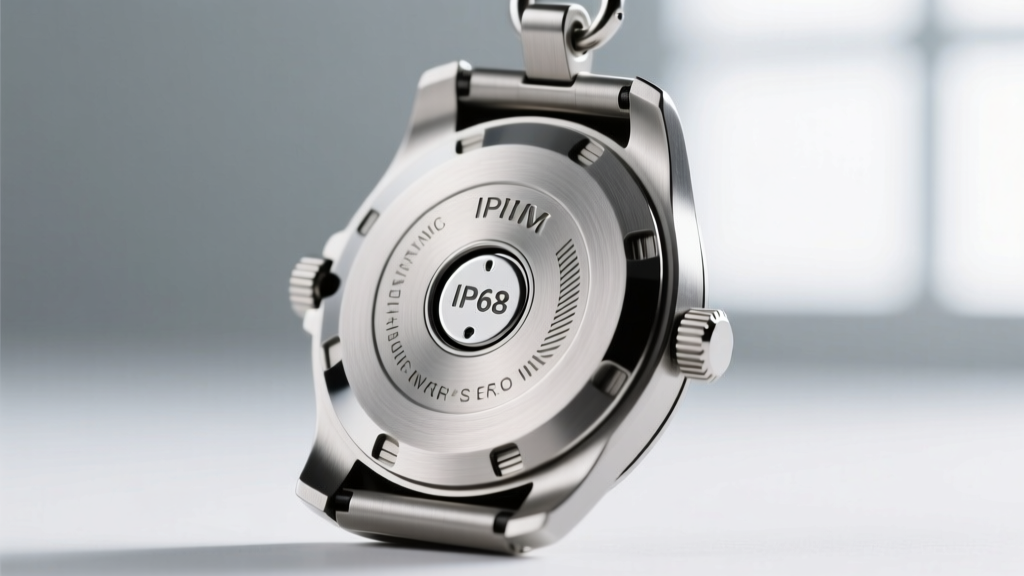
The casing of a digital watch necklace must balance weight, hypoallergenic properties, and scratch resistance. The industry standard for premium tech-pendants is 316L surgical-grade stainless steel, prized for its low carbon content and resistance to chloride corrosion from human sweat. For high-end, lightweight alternatives, Grade 5 Titanium (Ti-6Al-4V) is increasingly popular in 2026. It offers 40% less weight than steel, drastically reducing neck fatigue, while providing superior tensile strength.
Crystal Durability and the Mohs Scale
The transparent cover protecting the digital display is a major vulnerability. Acrylic crystals (Mohs hardness of 3) are virtually guaranteed to scratch when worn as a necklace, as the pendant frequently swings and impacts tables, doorframes, and zippers. Mineral glass (Mohs 6) offers moderate protection but is prone to shattering upon sharp impacts. The only acceptable standard for a premium digital watch necklace is synthetic sapphire crystal. According to the Gemological Institute of America (GIA), sapphire ranks at a 9 on the Mohs scale, making it virtually impervious to everyday scratches. High-end 2026 models often apply an anti-reflective (AR) coating to the underside of the sapphire to eliminate glare and improve the legibility of the digital readout in direct sunlight.
Power Architecture: Battery Types and Lifespans
Unlike mechanical jewelry, a digital watch necklace requires a reliable power source. The choice of battery dictates the pendant's thickness, weight, and maintenance cycle. While older models relied on standard alkaline button cells, modern modules utilize lithium coin cells or micro lithium-polymer (Li-Po) batteries. Understanding the power architecture is essential for buyers who want to avoid frequent, cumbersome battery replacements.
| Battery Type | Voltage | Capacity (mAh) | Est. Lifespan | Module Compatibility |
|---|---|---|---|---|
| CR2016 | 3.0V | 90 mAh | 1-2 Years | Ultra-thin vintage LCD pendants |
| CR2032 | 3.0V | 220 mAh | 3-5 Years | Standard digital time/date modules |
| Micro Li-Po | 3.7V | 150-300 mAh | 5-7 Days (Rechargeable) | OLED displays, NFC, Smart pendants |
As noted by the engineers at Battery University, lithium coin cells provide a highly stable voltage discharge curve, which is critical for the accuracy of quartz oscillators in digital timekeeping. However, if you are purchasing a smart-pendant with an OLED screen or NFC capabilities, you will be dealing with a rechargeable Li-Po cell. These require integrated step-down regulators and USB-C or magnetic pogo-pin charging ports, which introduce additional points of potential water ingress.
Chain Engineering: Supporting the Weight of Tech
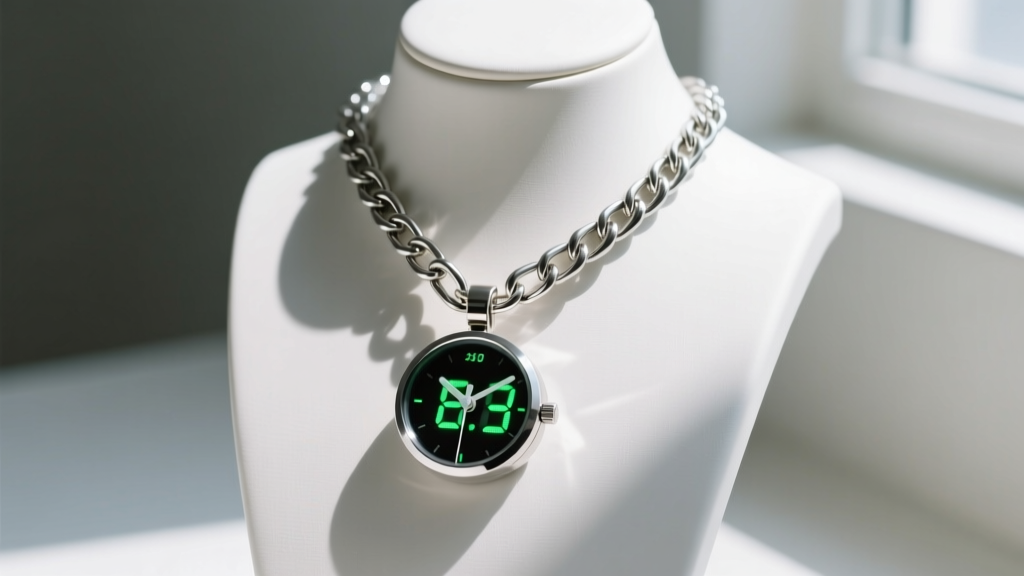
A digital watch pendant is significantly heavier than a standard gemstone or stamped metal charm. Pairing a 45-gram tech module with a delicate 1mm cable chain is a recipe for disaster. The tensile strength of the chain and the security of the clasp are paramount.
Optimal Chain Profiles for Heavy Pendants
- Wheat (Spiga) Chains: Composed of interlocking oval links woven in the same direction, wheat chains offer exceptional tensile strength and a fluid, rope-like drape that prevents kinking under the weight of a heavy digital module.
- Box Chains: Featuring square links connected to form a smooth, geometric tube, box chains are highly resistant to snapping. A 2.5mm to 3.5mm box chain in solid 316L steel can comfortably support up to 150 grams of pendant weight.
- Titanium Tensor Chains: An emerging trend in 2026 tech-wear, these chains use interlocking geometric plates that distribute weight evenly across the collarbone, preventing the "necklace dig" associated with heavy digital pendants.
Furthermore, the clasp must be a spring-loaded lobster clasp with a welded jump ring. Avoid spring-ring clasps entirely, as their thin wire construction and weak internal springs will easily deform and open under the pendulum motion of a heavy digital watch necklace.
Water Resistance and Daily Wear Protocols
Marketing terms like "water-resistant" are notoriously misleading in the jewelry industry. A digital watch necklace is subjected to sweat, rain, and accidental splashes. To ensure the survival of the internal PCB, the pendant must adhere to recognized horological standards.
According to Hodinkee's horological guides, a rating of 3 ATM (30 meters) only protects against minor splashes. For a necklace that rests against the skin and is exposed to daily environmental hazards, a minimum rating of 5 ATM (50 meters) or an IP68 ingress protection rating is required to guarantee the integrity of the silicone O-ring gaskets.
It is crucial to remember that temperature fluctuations—such as stepping from a cold, air-conditioned office into humid outdoor heat—can cause the metal case to expand and contract at a different rate than the acrylic or sapphire crystal. This thermal shock can temporarily compromise the gasket seal. Therefore, even with an IP68-rated digital watch necklace, it is highly recommended to remove the piece before showering or swimming to prevent catastrophic moisture ingress and battery corrosion.
Maintenance, Calibration, and Longevity
To maintain the functionality and aesthetic of your digital watch necklace, a proactive maintenance schedule is required. Every 24 to 36 months, the pendant should be opened by a professional to replace the battery and, crucially, the silicone O-ring gaskets. Silicone degrades over time, losing its elasticity and becoming brittle, which completely voids any water resistance. If your pendant features an LCD screen, be mindful of prolonged exposure to direct, intense UV light (such as leaving it on a car dashboard), which can cause the liquid crystals to "black out" or degrade permanently. By treating your digital watch necklace not just as jewelry, but as a precision micro-electronic device, you ensure it remains a functional and striking centerpiece of your wardrobe for years to come.


