Clavicle Necklace Value Guide 2026: Budget vs Luxury
Discover how to evaluate a clavicle necklace in 2026. Compare material grades, chain gauges, and pricing to find true value for your budget.

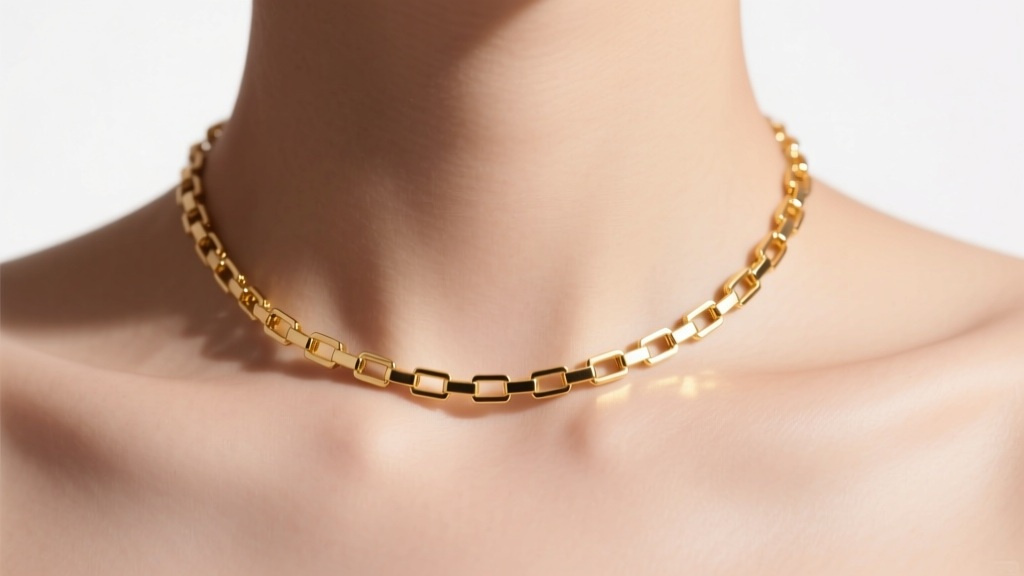
The Anatomy of a Clavicle Necklace: Why Length Dictates Value
The clavicle necklace, typically measuring between 14 and 16 inches, is designed to rest precisely on the collarbone. This specific placement makes it the most versatile anchor piece in any jewelry wardrobe, ideal for both standalone wear and as the foundational layer in a stacked necklace arrangement. However, because it sits in a high-friction zone—constantly interacting with clothing collars, skin, and environmental elements—evaluating its value requires looking far beyond the initial price tag. In 2026, the market is saturated with visually identical chains ranging from $30 to $3,000. Understanding the structural and material nuances of the clavicle length is the only way to separate genuine investments from overpriced costume jewelry.
When assessing value, the first metric to consider is the chain's structural integrity at this specific length. A 15-inch chain experiences unique tension points, particularly at the nape of the neck and the center of the collarbone. Budget manufacturers often cut costs by reducing the wire gauge, resulting in chains that snap under minimal pressure. A true value assessment must weigh the cost per gram, the metallurgical composition, and the hardware quality against the expected lifespan of daily wear.
Material Breakdown: Where Your Money Actually Goes
The most common point of confusion for buyers is the distinction between gold vermeil, gold-filled, and solid gold. The Federal Trade Commission (FTC) strictly regulates these terms, yet marketing language often blurs the lines. To accurately assess a clavicle necklace's budget-to-value ratio, you must understand the exact micron thickness and core metal composition.
Solid Gold vs. Vermeil vs. Gold-Filled
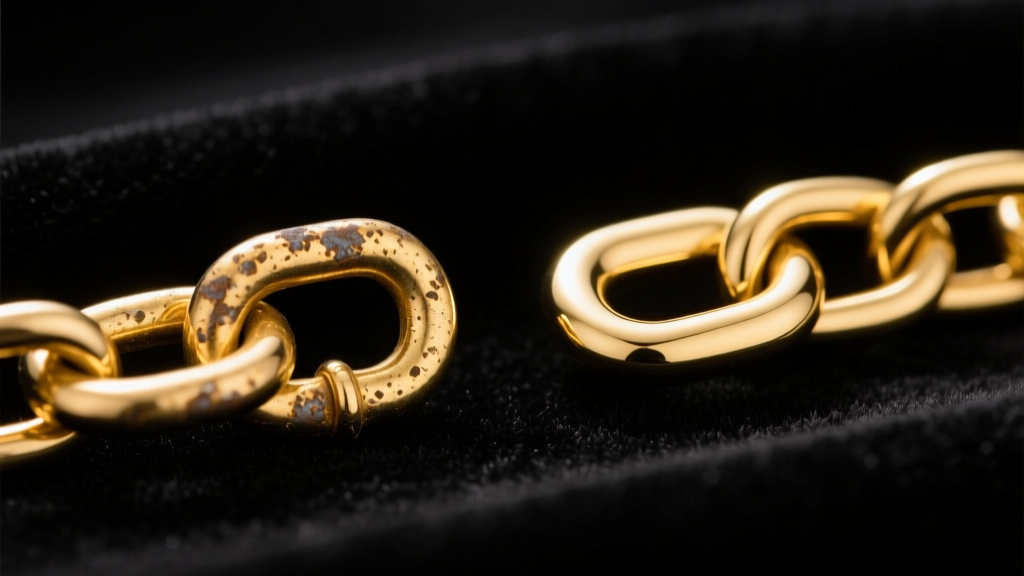
Gold Vermeil consists of a sterling silver (925) base coated with a minimum of 2.5 microns of gold (usually 14k or 18k). While the silver core provides hypoallergenic benefits, the thin gold layer will inevitably wear away at the collarbone due to friction. Expect a lifespan of 1 to 3 years with daily wear before the silver core is exposed, leading to tarnishing.
Gold-Filled jewelry is created by mechanically bonding a much thicker layer of gold to a brass or copper core. By law, the gold must constitute at least 5% (or 1/20th) of the total weight of the item. This makes gold-filled clavicle chains significantly more durable than vermeil, often lasting 5 to 10 years without peeling, making them the undisputed champions of mid-tier budget value.
Solid Gold (14k or 18k) is a lifetime investment. For a clavicle chain, 14k gold is often the superior choice over 18k. The higher copper and zinc alloy content in 14k gold provides greater tensile strength, which is critical for the thinner gauges used in delicate collarbone chains.
| Material Type | Core Metal | Gold Layer | Avg Price (15-inch) | Expected Lifespan | Value Verdict |
|---|---|---|---|---|---|
| Gold Plated | Brass/Copper | < 0.5 microns | $25 - $50 | 3 - 6 months | Poor (Disposable) |
| Gold Vermeil | Sterling Silver | 2.5+ microns | $60 - $150 | 1 - 3 years | Fair (Trend-driven) |
| Gold-Filled | Brass/Jeweler's Metal | 5% by weight | $80 - $200 | 5 - 10+ years | Excellent (Best Budget) |
| Solid 14k Gold | Gold Alloy (58.5%) | Solid throughout | $250 - $600 | Lifetime | Superior (Investment) |
Chain Gauges and Clasp Mechanics: The Hidden Cost Cutters
A frequent failure mode in budget clavicle necklaces is not the chain itself, but the hardware and gauge thickness. The Gemological Institute of America (GIA) notes that the durability of gold jewelry is heavily dependent on its alloy composition and physical dimensions. For a 15-inch clavicle chain, the gauge (thickness of the wire) dictates its survival.
The Gauge Sweet Spot
Many ultra-budget brands sell 0.6mm or 0.8mm cable chains to save on gold weight. While delicate and visually appealing, a 0.8mm solid 14k chain can snap under as little as 3 to 4 pounds of tension—easily achieved if the chain catches on a sweater collar. For daily wear, 1.0mm to 1.2mm is the optimal gauge. It provides the necessary tensile strength to withstand daily friction while maintaining the elegant, lightweight profile desired at the collarbone.
Clasp Engineering
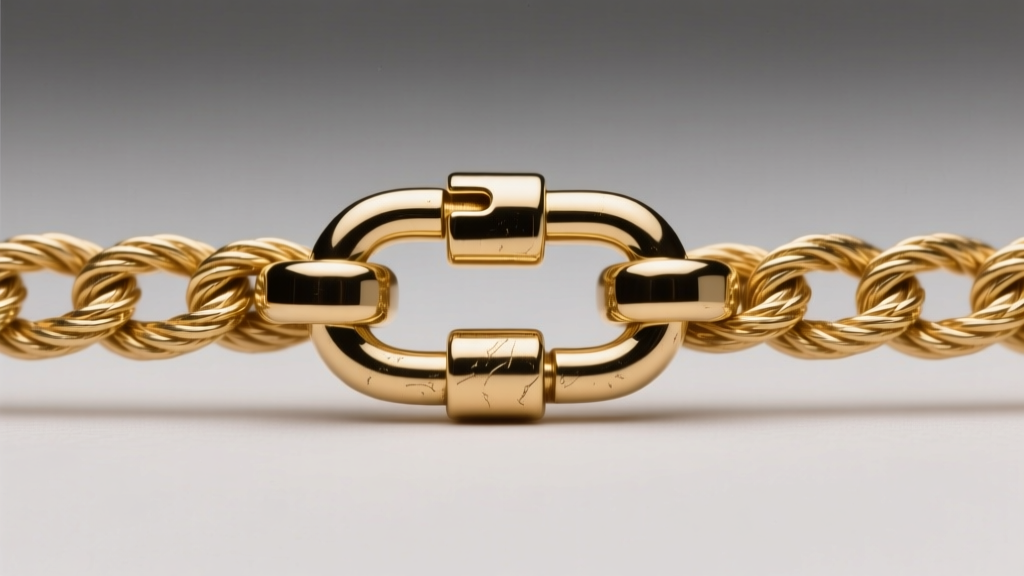
The clasp is the weakest link in any necklace. Budget manufacturers frequently use spring-ring clasps to cut costs. Spring rings rely on a tiny internal steel spring that degrades quickly when exposed to sweat, perfume, and the physical tension of the clavicle zone. When evaluating value, always look for a solid lobster clasp or a bolt ring. A secure lobster clasp on a 1.0mm gold-filled chain is a hallmark of a brand that prioritizes longevity over razor-thin profit margins.
2026 Market Pricing: What You Should Actually Pay
To accurately assess if a solid gold clavicle necklace is fairly priced, you can use a basic melt-value calculation combined with standard retail markup. A standard 15-inch, 1.2mm solid 14k gold box chain weighs approximately 2.8 to 3.2 grams. With the 2026 baseline gold scrap prices, the raw material cost for this chain is roughly $160 to $190. Factoring in manufacturing, soldering, and a standard retail markup (typically 2x to 3x for direct-to-consumer brands), a fair market price for this exact chain is between $350 and $550.
- The Danger Zone (Under $200 for 'Solid Gold'): If a brand claims a 15-inch 14k gold chain is $150, it is either hollowed out (electroformed), significantly under-karat, or the gauge is dangerously thin (under 0.7mm). Hollow chains dent easily and are impossible to repair.
- The Sweet Spot ($300 - $550): This is where reputable direct-to-consumer jewelers operate. You are paying for solid 14k gold, a durable 1.0mm+ gauge, and secure lobster hardware.
- The Luxury Markup ($800+): At this tier, you are paying for brand heritage, proprietary chain weaves, or designer prestige. The intrinsic metal value remains the same, but the craftsmanship and design exclusivity justify the premium for collectors.
Value in fine jewelry is not just about the lowest price; it is about the cost per wear. A $400 solid 14k clavicle chain worn daily for ten years costs you $0.10 a day. A $60 vermeil chain that tarnishes in six months costs you $0.33 a day and leaves you with unwearable scrap.
The Friction Factor: Durability at the Collarbone
The clavicle area is uniquely hostile to jewelry. Unlike a 24-inch opera chain that hangs freely, a 15-inch clavicle necklace is in constant contact with the skin, hair products, and clothing necklines. This environment accelerates chemical reactions and physical abrasion.
If you frequently wear button-down shirts, turtlenecks, or high-collared blouses, the friction will aggressively wear down gold plating and vermeil. Furthermore, the clavicle zone is where perfume and body lotions are most commonly applied. The alcohol and oils in these cosmetics break down the microscopic bonds in gold-filled and plated layers. If your lifestyle involves heavy product use or high-friction clothing, bypassing vermeil and investing directly in solid 14k gold or high-grade platinum is the only way to ensure the necklace survives the environment.
Final Verdict: Maximizing Your Investment
When shopping for a clavicle necklace, the highest value is found in the intersection of material permanence and structural soundness. For strict budgets under $150, 14k gold-filled chains in a 1.0mm box or rope weave offer unparalleled longevity, completely outperforming gold vermeil in the high-friction collarbone zone. For those with a budget exceeding $300, demand solid 14k gold, verify the weight (aiming for at least 2.5 grams), and ensure the piece is finished with a robust lobster clasp. By focusing on gauge thickness, precise metallurgical standards, and cost-per-wear mathematics, you can confidently navigate the 2026 jewelry market and secure a clavicle necklace that offers genuine, enduring value.


