Mustard Seed Necklace Care: Cleaning & Maintenance Guide
Learn how to properly clean, maintain, and store your mustard seed necklace. Expert tips for glass vials, resin settings, and delicate chains.

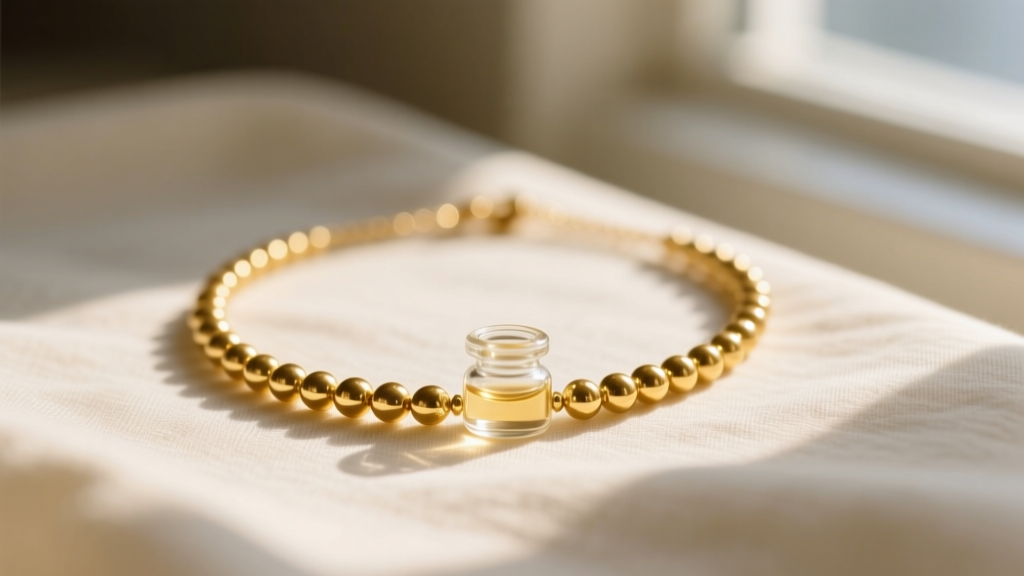
A mustard seed necklace is far more than a simple fashion accessory; it is a profound symbol of faith, resilience, and potential, often referencing the biblical verse Matthew 17:20. However, the physical construction of these meaningful pendants makes them uniquely vulnerable to environmental damage. Whether your seed is encased in a fragile glass micro-vial, suspended in clear UV resin, or tucked inside a tiny metal locket, improper care can lead to clouded encasements, degraded organic material, or broken chains.
In this comprehensive guide, we break down the exact protocols for cleaning, maintaining, and preserving your mustard seed necklace to ensure it remains a pristine heirloom for decades.
The Anatomy and Vulnerabilities of a Mustard Seed Pendant
Before applying any cleaning agents, it is critical to understand the three distinct components of your necklace and their specific failure modes:
- The Organic Seed: Mustard seeds are hygroscopic, meaning they absorb moisture from the air. If moisture breaches the encasement, the seed can swell, crack, or develop mold, turning from a vibrant brown to a dull, rotting black.
- The Encasement (Glass vs. Resin): Glass vials are typically sealed with a tiny cork or rubber stopper and adhesive. They are scratch-resistant but highly susceptible to shattering from impact or thermal shock. Resin encasements (often epoxy or polyurethane) are shatterproof but prone to micro-scratches and UV-induced yellowing over time.
- The Metal Hardware: Most settings utilize sterling silver, gold vermeil, or brass. The delicate jump rings connecting the vial to the chain are common failure points if subjected to tension.
Step-by-Step Cleaning Protocols by Material
The Gemological Institute of America (GIA) emphasizes that jewelry cleaning must always be tailored to the specific materials involved. A one-size-fits-all approach will ruin a mustard seed pendant.
Cleaning Glass Vial Encasements
Glass is non-porous and can handle mild surfactants, but the adhesive holding the cork stopper is often water-soluble. Never submerge a glass vial necklace in water.
- Dampen a cotton swab with distilled water and a microscopic drop of mild, phosphate-free dish soap.
- Gently roll the swab over the exterior glass to lift skin oils and cosmetics.
- Immediately dry the glass with a lint-free microfiber cloth to prevent water spots.
- Crucial Step: Keep all moisture away from the cork/metal cap junction to prevent the adhesive from dissolving.
Cleaning Resin Encasements
Resin is softer than glass (ranking around 2-3 on the Mohs hardness scale) and will cloud if treated with harsh chemicals or abrasive cloths.
- Use only a dry, ultra-soft jeweler's polishing cloth to buff away fingerprints.
- If sticky residue is present, use a slightly damp cloth with plain water. Avoid alcohol, hand sanitizer, or ammonia, as these will cause the resin to craze (develop microscopic surface cracks) and turn permanently cloudy.
Polishing the Metal Settings
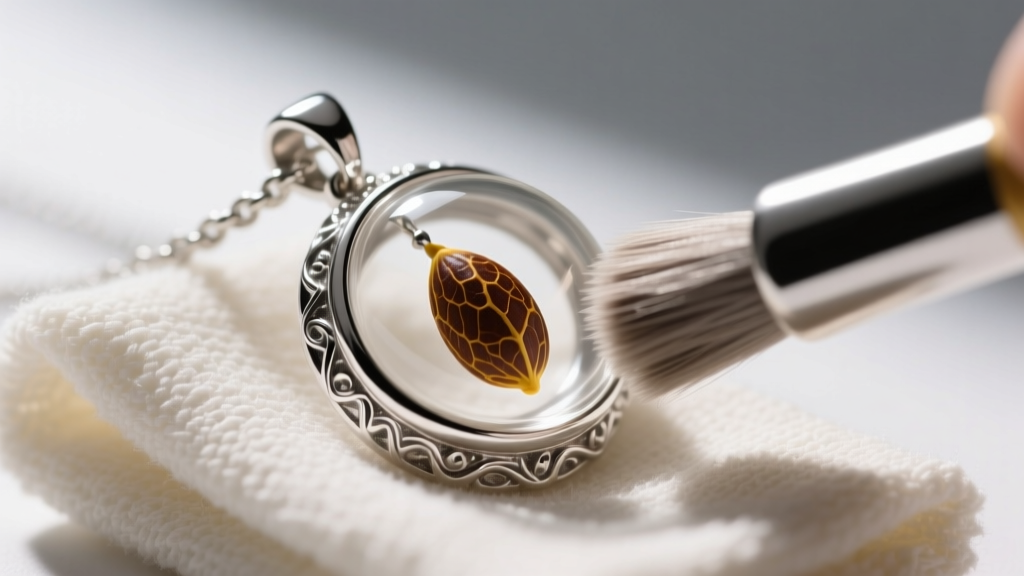
For sterling silver or gold vermeil caps and bails, use a treated silver polishing cloth. According to Jewelers Mutual, chemical dips and ultrasonic cleaners should be strictly avoided for multi-material jewelry, as the high-frequency vibrations will shatter glass vials and the chemicals will strip gold vermeil plating down to the base brass.
Chemical Agents: What to Use and What to Avoid
To prevent catastrophic damage to your pendant, refer to this quick-reference matrix before reaching for household cleaners.
| Cleaning Agent | Glass Vial | Resin Encasement | Metal Hardware | Verdict |
|---|---|---|---|---|
| Mild Dish Soap & Water | Safe (Surface only) | Safe (Damp cloth) | Safe | Recommended |
| Rubbing Alcohol | Safe | Damaging (Causes crazing) | Safe | Avoid |
| Ultrasonic Cleaners | Damaging (Shatters glass) | Damaging (Fractures resin) | Safe | Never Use |
| Silver Chemical Dips | Damaging (Strips adhesive) | Damaging (Discolors resin) | Safe | Never Use |
| Jeweler's Polishing Cloth | Safe | Safe | Highly Recommended | Best Choice |
The Moisture Threat: Sealing and Preserving the Seed
The most common cause of a ruined mustard seed necklace is moisture ingress. In cork-stoppered glass vials, changes in barometric pressure and humidity can cause the cork to expand and contract, breaking the factory adhesive seal. Once water enters via capillary action, the seed is compromised.
How to Proactively Seal a Glass Vial
If you notice the cork sitting slightly proud of the glass rim, or if you frequently wear your necklace in humid climates, you should apply a secondary seal.
- Ensure the exterior of the glass and cork are 100% dry and free of oils.
- Apply a microscopic bead of clear, jewelry-grade cyanoacrylate adhesive (avoid standard hardware superglue, which emits fumes that can fog the inside of the glass).
- Use a toothpick to carefully trace the seam where the cork meets the glass.
- Allow it to cure for 24 hours in a low-humidity environment before wearing.
Chain Maintenance: Managing Micro-Kinks
Mustard seed pendants are lightweight, meaning they are typically paired with ultra-fine chains ranging from 0.8mm to 1.2mm in thickness (often 20-gauge to 24-gauge wire). These delicate cable and box chains are notoriously prone to kinking and tangling, which can weaken the metal links and lead to snapping.
The Baby Powder Untangling Method
If your fine chain knots up, do not pull it tight. Instead, lay the chain flat on a hard surface. Sprinkle a small amount of talcum or baby powder over the knot to reduce friction between the metal links. Use two fine sewing needles to gently tease the center of the knot outward. The powder allows the microscopic links to slide past one another without catching or warping the soft metal.
Long-Term Storage Best Practices
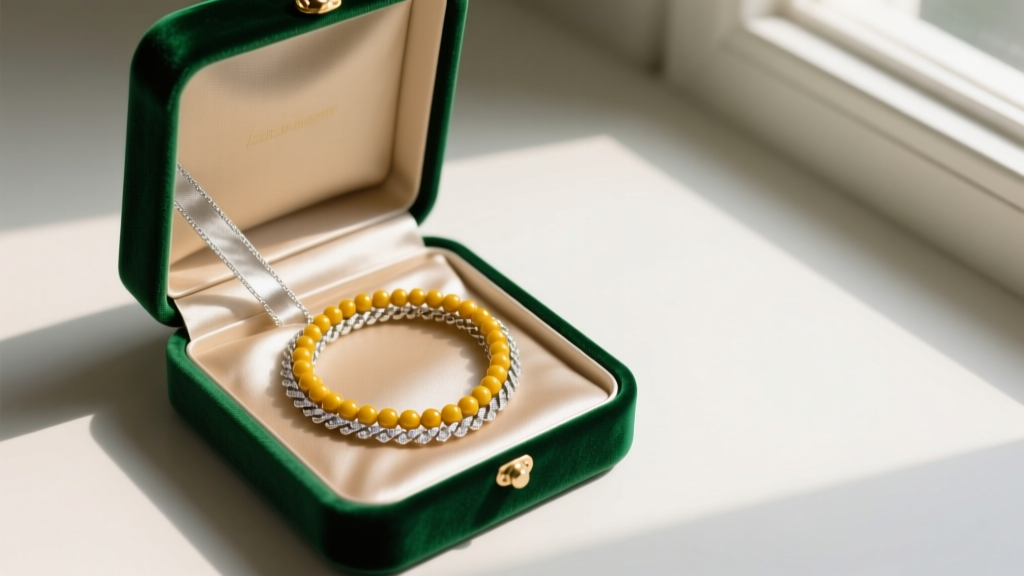
How you store your mustard seed necklace when it is not being worn is just as important as how you clean it. Improper storage leads to silver sulfide tarnish, chain tangles, and UV degradation.
- Isolate the Pendant: Never store your necklace in a communal jewelry box where heavier pieces can crush the glass vial or scratch the resin. Keep it in a dedicated, soft flannel pouch.
- Combat Tarnish: If your setting is sterling silver, place a 3M anti-tarnish strip inside the pouch or storage box. These strips absorb airborne sulfur compounds that cause silver to blacken.
- Prevent UV Yellowing: If your seed is encased in resin, store it in a dark drawer. Prolonged exposure to direct sunlight will cause the UV rays to break down the chemical bonds in the resin, resulting in an irreversible yellow tint that obscures the seed.
- The Clasp-Out Method: When placing the necklace in its pouch, leave the clasp hanging outside the drawstring or zipper. This prevents the clasp from catching on the delicate chain links during storage.
Expert Insight: A well-maintained mustard seed necklace is a lifelong companion. By respecting the fragility of the organic seed and the specific material properties of the encasement, you ensure that this powerful symbol of faith remains as vibrant as the day it was gifted.
Treating your mustard seed necklace with the specialized care it requires will protect both its physical beauty and its deep sentimental value. Stick to gentle, targeted cleaning methods, proactively manage moisture exposure, and store the piece mindfully to enjoy your meaningful pendant for a lifetime.


