Armor of God Necklace: Best Metals & Material Guide
Discover the best metals for your Armor of God necklace. Compare 925 silver, 316L steel, and bronze for durability, detail, and daily spiritual wear.

The Metallurgy of Spiritual Armor
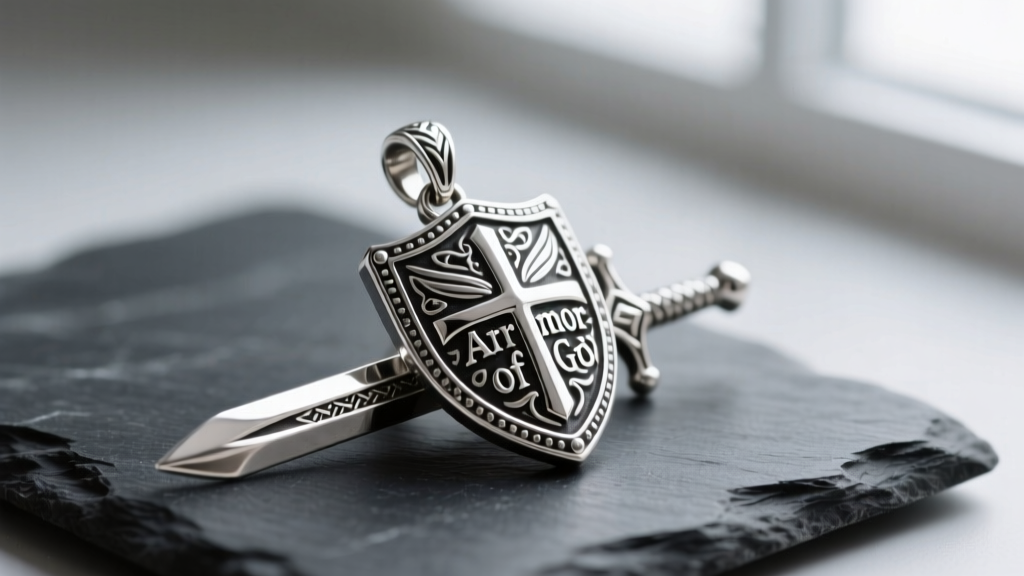
An armor of god necklace is far more than a simple fashion accessory; it is a profound, daily reminder of the spiritual battle outlined in Ephesians 6:10-18. Because this piece of jewelry is often worn 24/7 as a talisman of faith, the material it is crafted from dictates not only its aesthetic appeal but its longevity, comfort, and ability to retain intricate symbolic details. Whether the pendant features the shield of faith, the sword of the Spirit, or the breastplate of righteousness, the metal must withstand the rigors of daily life, including exposure to sweat, water, and friction.
In this comprehensive guide, we break down the exact metallurgical properties, casting capabilities, and failure modes of the most common metals used in faith-based jewelry. By understanding these material grades, you can select a piece that will endure as long as your faith.
Material Comparison Chart for Faith Pendants
Before diving into specific alloys, it is crucial to understand how different metals perform under the stress of daily wear. The table below compares the primary materials used by modern jewelers to craft these multi-piece spiritual pendants.
| Material Grade | Mohs Hardness | Tarnish Resistance | Detail Retention | Avg. Price Range |
|---|---|---|---|---|
| 925 Sterling Silver | 2.5 - 3.0 | Low (Requires Rhodium) | Exceptional | $85 - $180 |
| 316L Surgical Steel | 5.5 - 6.0 | Very High | Moderate | $25 - $60 |
| Silicon Bronze | 3.0 - 4.0 | Low (Develops Patina) | High | $45 - $95 |
| Grade 5 Titanium | 6.0 | Extremely High | Low (Hard to machine) | $120 - $250 |
Deep Dive: 925 Sterling Silver vs. 316L Stainless Steel
When shopping for an armor of god necklace, you will predominantly encounter 925 sterling silver and 316L stainless steel. These two metals represent opposite ends of the jewelry manufacturing spectrum, particularly regarding how they capture the micro-details of the armor's symbolism.
The Case for 925 Sterling Silver
Sterling silver (92.5% pure silver, 7.5% copper) is the gold standard for lost-wax casting. This traditional jewelry-making method allows artisans to carve microscopic textures into the wax model—such as the leather grain on the Belt of Truth or the intricate engravings on the Shield of Faith. According to the Gemological Institute of America (GIA), silver's malleability makes it ideal for capturing high-relief 3D designs. However, the copper alloy makes it susceptible to silver sulfide tarnish when exposed to sulfur in the air and human sweat. To combat this, premium armor of god pendants are plated with a micro-layer of rhodium, which provides a brilliant white shine and a temporary barrier against oxidation.
The Case for 316L Surgical Stainless Steel
If you work with your hands, in construction, or in healthcare, 316L surgical steel is your best option. The "L" stands for low carbon, and the alloy includes molybdenum, which drastically increases its resistance to chlorides and industrial solvents. Unlike silver, steel is rarely cast using lost-wax methods due to its high melting point (approx. 1,370°C). Instead, steel pendants are often CNC-machined, stamped, or cast using specialized investment powders. The trade-off is a loss of ultra-fine detail; steel armor pendants often feature broader, more stylized, or geometric interpretations of the biblical armor rather than hyper-realistic textures. Yet, its Mohs hardness of 5.5 means it will not scratch or dent if dropped on concrete.
Chain Mechanics: Supporting the Weight of the Armor
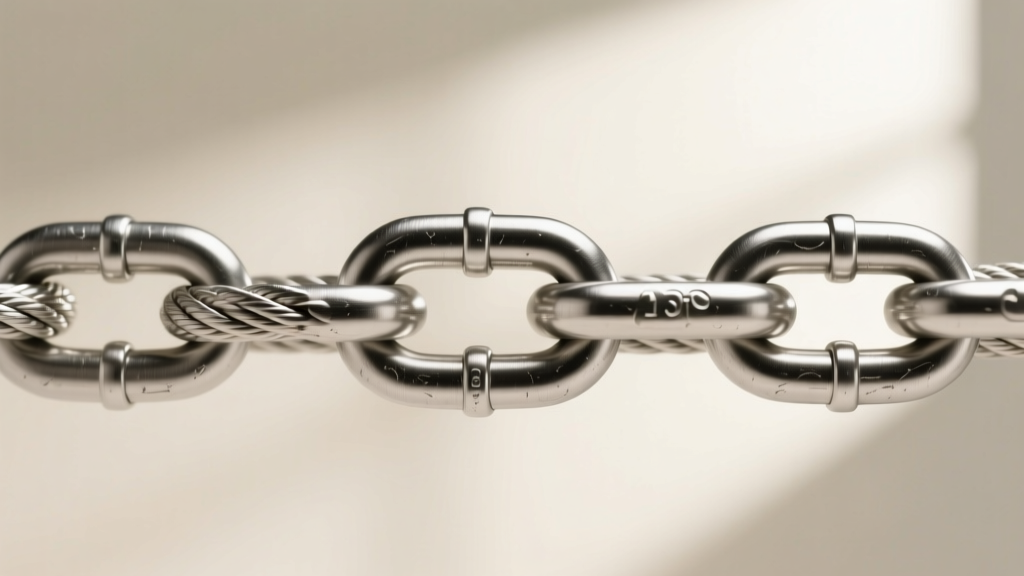
A common failure mode in heavy, multi-piece pendants is the chain snapping or the jump ring pulling apart. An armor of god necklace featuring all six pieces of the armor (Belt, Breastplate, Shoes, Shield, Helmet, Sword) can easily weigh between 18 and 30 grams. A delicate 1.0mm chain will inevitably fail under this dynamic load.
Recommended Chain Specifications
- Width: Opt for a chain width between 2.5mm and 4.0mm. This provides the visual weight necessary to balance the heavy pendant while offering sufficient tensile strength.
- Link Style: Rope chains and Figaro chains are highly recommended. Rope chains distribute tension evenly across their twisted links, while Figaro chains offer a classic, masculine aesthetic that pairs well with the martial theme of the armor.
- Jump Ring Gauge: The jump ring connecting the pendant to the chain must be at least 18-gauge (1.0mm thick wire) and fully soldered. An unsoldered 20-gauge jump ring will slowly pull apart from the friction of daily movement.
- Clasp: Avoid standard spring-ring clasps, which are prone to internal spring failure. Always choose a heavy-duty lobster clasp or a toggle clasp for secure, one-handed fastening.
Bronze and the Beauty of Spiritual Patina
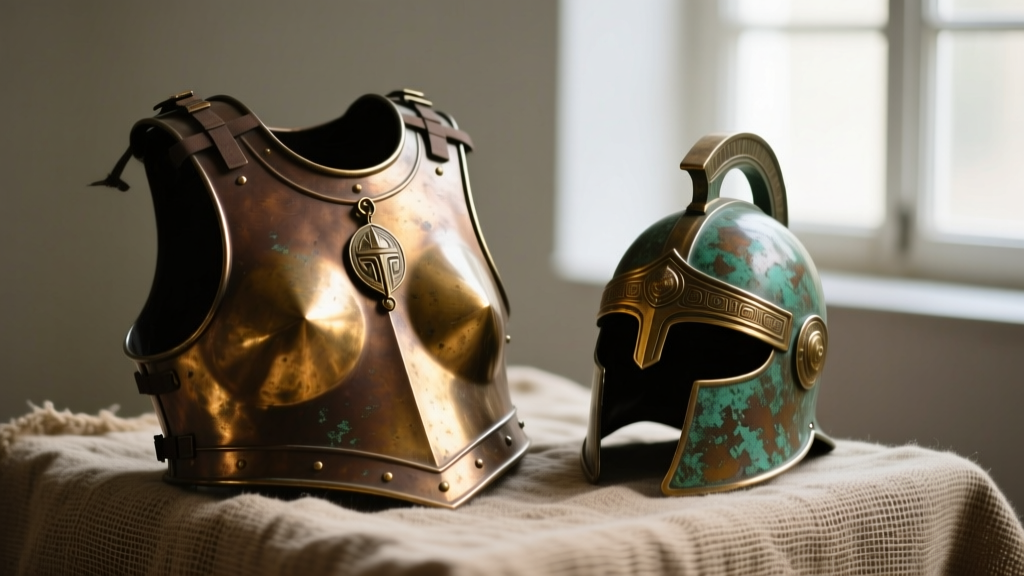
For those seeking a more ancient, historical aesthetic, silicon bronze offers a unique proposition. Bronze is an alloy primarily of copper and tin, and it reacts with the environment to develop a patina—a dark, oxidized layer that many collectors and believers view as a metaphor for spiritual endurance and the weathering of life's trials.
However, bronze comes with a specific biological failure mode: copper chelation. When the copper in the bronze reacts with the acidity and salts in your sweat, it can leave a harmless but unsightly green stain on your skin. To prevent this without sacrificing the antique look of the metal, jewelers often apply a museum-grade microcrystalline wax (like Renaissance Wax) to the back of the breastplate and shield pendants. If you purchase a raw bronze armor of god necklace, reapplying this wax every three months will seal the metal and protect your skin.
Maintenance and Care Protocols
Proper maintenance ensures that the symbolic elements of your necklace remain legible and structurally sound for decades. Your cleaning protocol must be strictly matched to your chosen metal.
Cleaning Sterling Silver
Never use abrasive toothpaste or baking soda on rhodium-plated silver, as this will strip the protective coating. Instead, use a specialized silver dip for no more than 10 seconds, followed by a rinse in distilled water. For crevices in the helmet or sword hilt, use a soft-bristled baby toothbrush to gently dislodge trapped sebum and dead skin cells.
Cleaning Stainless Steel and Titanium
These metals are virtually indestructible in a home environment. You can safely clean them using an ultrasonic jewelry cleaner with a few drops of mild dish soap. The high-frequency cavitation bubbles will safely blast away dirt from the deepest crevices of the shield and breastplate without scratching the hard metal surface.
Cleaning Bronze
Avoid ultrasonic cleaners and chemical dips entirely, as these will strip the desirable antique patina. Simply wipe the bronze with a dry, lint-free microfiber cloth. If the piece becomes excessively dull, a gentle polish with a dry brass brush will bring back the warm, golden highlights on the raised edges of the armor.
Final Verdict: Choosing Your Armor
Selecting the right material for your armor of god necklace ultimately depends on your lifestyle and aesthetic preferences. If you prioritize intricate, museum-quality detail and don't mind occasional polishing, 925 sterling silver is the undisputed champion. If you require a rugged, maintenance-free piece that can survive manual labor and harsh environments, 316L surgical steel is your modern-day breastplate. Finally, if you appreciate a living metal that ages and evolves alongside your spiritual journey, bronze offers an unparalleled, ancient connection to the past. Whichever metal you choose, ensure the chain and findings are engineered to support the weight of your faith.


