Aromatherapy Necklace Materials: Lava, Metal, and Glass Compared
Compare lava stone, stainless steel, and glass for your aromatherapy necklace. Discover oil retention, skin safety, and the best diffuser materials.

The Science of Scent Retention: How Diffuser Materials Work
When selecting an aromatherapy necklace, the aesthetic appeal of the pendant is secondary to its material science. The primary function of a diffuser necklace is to control the volatility of essential oils, allowing for a steady, prolonged release of aromatic compounds without rapid evaporation or chemical degradation. Different materials interact with the complex terpenes, esters, and phenols found in essential oils in vastly different ways. Understanding the porosity, reactivity, and structural integrity of these materials is critical for both the longevity of your jewelry and the safety of your skin.
The effectiveness of any diffuser material relies on its surface area and micro-cavities. Materials with high porosity absorb the oil, protecting it from immediate oxidation and UV exposure, while slowly releasing the scent through capillary action and ambient body heat. Conversely, non-porous materials rely on secondary absorption mediums, like felt or cotton, which introduces its own set of mechanical and chemical variables.
Lava Rock: The Porous Powerhouse
Basalt Properties and Oil Absorption
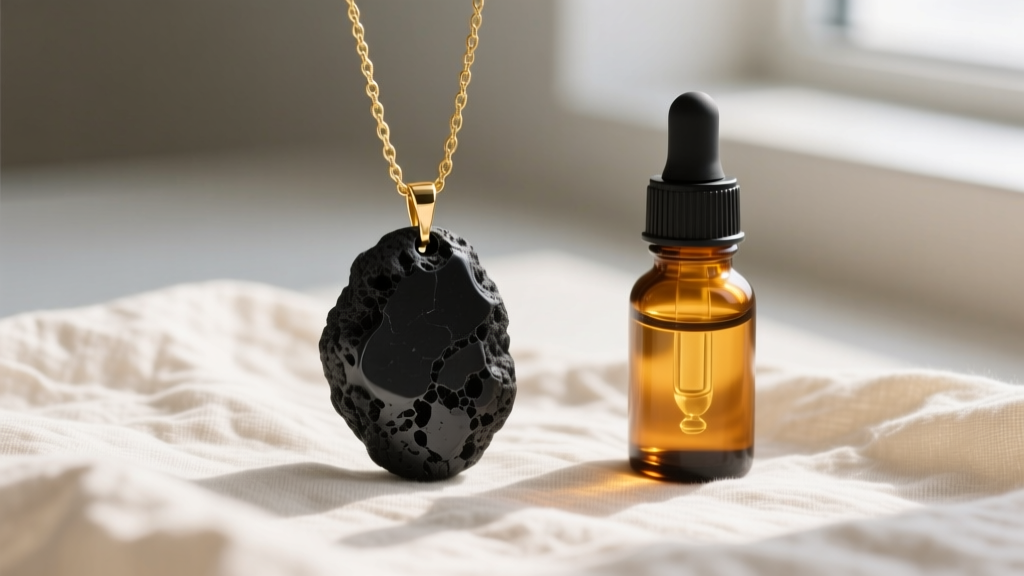
Genuine lava stone used in jewelry is vesicular basalt. During a volcanic eruption, lava cools rapidly while releasing trapped gases, leaving behind a highly porous rock riddled with microscopic cavities. These vesicles act as natural reservoirs for essential oils. A high-quality, unpolished basalt bead measuring 10mm to 12mm can absorb 2 to 3 drops of essential oil, providing a consistent scent throw for 24 to 48 hours. The natural thermal conductivity of stone also allows it to absorb your body heat, which gently warms the oil and aids in diffusion without altering its chemical profile.
Failure Modes: Crumbling and Scent Muddying
The market is currently saturated with counterfeit lava beads made from dyed pumice, compressed resin, or painted plastic. These materials lack the micro-vesicular structure of true basalt. When exposed to the concentrated solvents in essential oils (particularly citrus and pine oils), synthetic 'lava' will often degrade, leaching toxic dyes and chemical binders onto the skin. Furthermore, true lava stone is inherently brittle; repeated exposure to heavy, viscous oils like sandalwood or patchouli can clog the vesicles permanently, leading to 'scent muddying' where old, oxidized oil mixes with fresh applications, creating an unpleasant olfactory profile.
Surgical Steel & Mesh Lockets: The Non-Reactive Standard
316L vs. 304 Stainless Steel
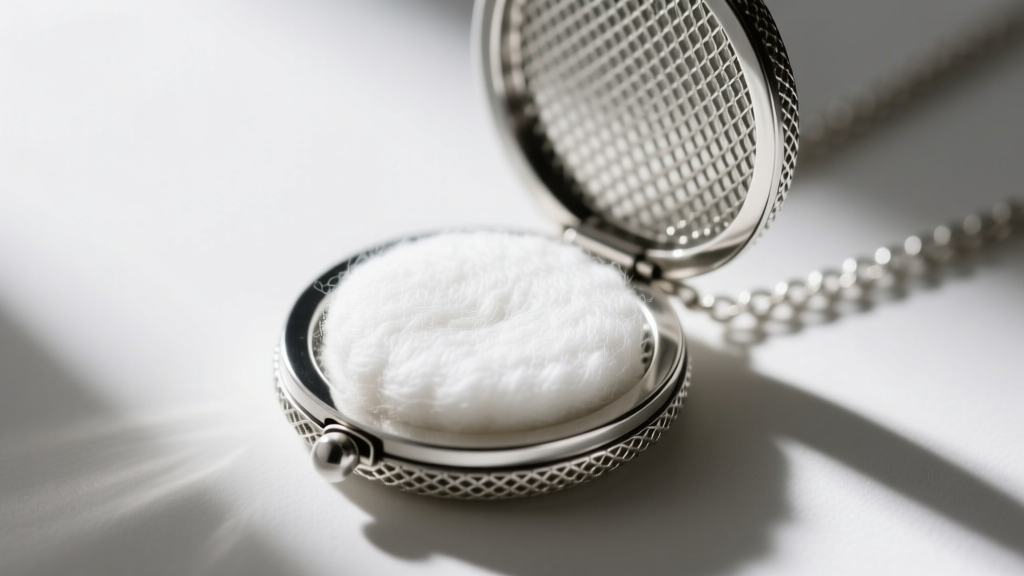
Metal lockets remain the most popular housing for aromatherapy necklaces, but the specific alloy grade dictates the pendant's lifespan. Many mass-produced lockets utilize 304 stainless steel. While 304 is adequate for dry environments, it is highly susceptible to pitting corrosion when exposed to the acidic compounds in essential oils. Citrus oils, which are rich in d-limonene, will rapidly oxidize and degrade 304 steel, leading to rust spots and structural failure of the mesh hinges.
For an aromatherapy necklace, 316L surgical stainless steel is the mandatory standard. The addition of 2-3% molybdenum in 316L drastically increases its resistance to localized corrosion from acidic and chlorinated environments. When purchasing a metal diffuser, always verify the 316L stamp to ensure the locket will not degrade when exposed to potent oils like lemongrass or grapefruit.
Felt Pad Mechanics
Metal lockets require an absorbent medium, typically a replaceable felt pad. The density and composition of this pad are crucial. Low-density synthetic pads allow oils to evaporate within 4 to 6 hours. High-density, 100% wool felt pads leverage the natural scales of wool fibers to trap oil molecules, extending the diffusion time to 72 hours or more. According to safety guidelines from the National Association for Holistic Aromatherapy (NAHA), pads should be discarded and replaced once the oil begins to turn rancid, usually after 3 to 4 applications, to prevent skin sensitization.
Glass Vials & Terracotta Pendants: Niche Alternatives
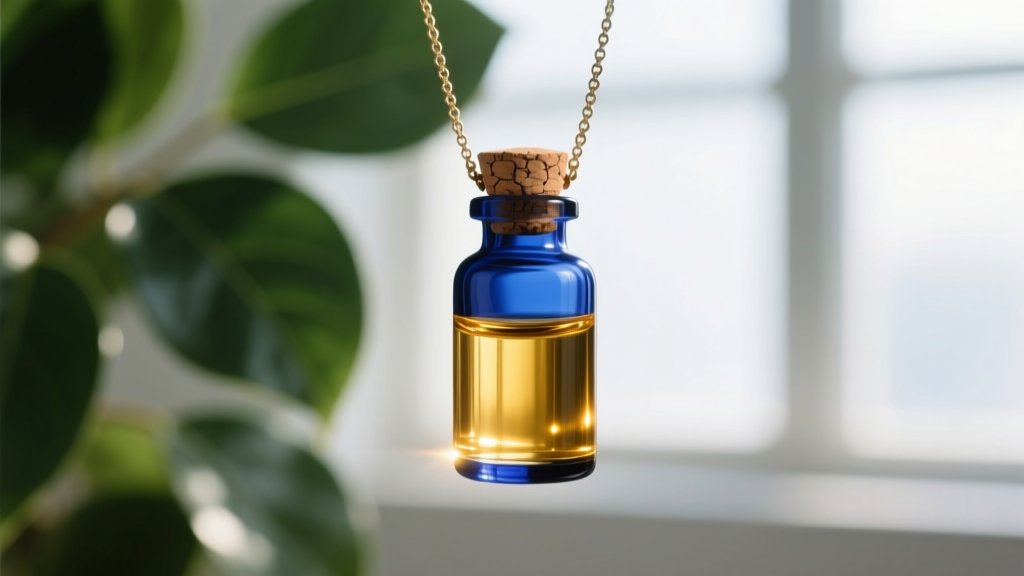
For those who prefer liquid diffusion or highly absorbent natural clays, glass and terracotta offer distinct advantages. Glass vials, particularly those crafted from cobalt blue or amber glass, provide vital UV protection. Photosensitive essential oils, such as bergamot, lemon, and frankincense, degrade rapidly when exposed to ultraviolet light, losing their therapeutic properties and forming skin-sensitizing peroxides. A well-sealed glass vial with a PTFE-lined cap prevents leakage and preserves the oil's chemical integrity indefinitely.
Unglazed terracotta and porous ceramic pendants offer absorption rates similar to lava stone but with a smoother, more refined aesthetic. However, their primary failure mode is structural fragility. The high absorption rate also means that terracotta will permanently retain the scent of the first oil applied to it, making it unsuitable for users who prefer to rotate between vastly different scent profiles.
Material Comparison Matrix
The following table breaks down the physical and chemical properties of the most common aromatherapy necklace materials to help you make an informed purchasing decision based on your specific lifestyle and oil preferences.
| Material | Porosity / Absorption | Scent Longevity | Oil Compatibility | Maintenance Level | Average Price Range |
|---|---|---|---|---|---|
| Vesicular Basalt (Lava) | High (Micro-cavities) | 24 - 48 Hours | All oils (Avoid heavy resins) | Medium (Requires hot water cleansing) | $15 - $45 |
| 316L Stainless Steel | None (Relies on felt) | 48 - 72 Hours (Wool felt) | Excellent (Resists citrus acids) | Low (Replace pads monthly) | $25 - $80 |
| Cobalt/Amber Glass | None (Liquid reservoir) | Continuous (Liquid evaporation) | Perfect (Preserves photosensitive oils) | High (Refill and clean vial weekly) | $20 - $60 |
| Unglazed Terracotta | Very High (Capillary action) | 48 - 72 Hours | Best for single-oil dedication | Low (Fragile, do not scrub) | $10 - $35 |
Essential Oil Reactivity & Skin Safety
Wearing an aromatherapy necklace places concentrated plant extracts in close proximity to the highly sensitive skin of the décolletage and neck. The Tisserand Institute emphasizes that essential oils must never be applied directly to the skin without a carrier oil, but diffuser jewelry introduces a unique variable: indirect contact via vapor and accidental transfer.
- Phototoxic Oils: Cold-pressed citrus oils (bergamot, lime, bitter orange) contain furanocoumarins. If these oils transfer from a porous pendant to your skin and are subsequently exposed to sunlight, they can cause severe phytophotodermatitis (blistering and hyperpigmentation). Use glass vials or deeply recessed steel lockets for these oils.
- Phenol-Rich Oils: Oils high in phenols, such as oregano, thyme, and clove, are highly reactive and can degrade certain plastic or resin-based jewelry components. They can also cause severe contact dermatitis if the vapor concentration is too high near the throat. Limit diffusion time for these oils to under 12 hours.
- Carrier Oil Dilution: When using lava stone or terracotta, always dilute your essential oil with a lightweight, non-greasy carrier oil like fractionated coconut oil or jojoba oil (at a 10% dilution rate). This slows the evaporation rate, protects the porous stone from clogging with pure resinous oils, and creates a safety buffer in case the stone brushes against your skin.
Expert Verdict: Which Material Should You Choose?
The ideal aromatherapy necklace material depends entirely on your usage habits. If you prioritize rugged durability, frequently rotate between different scent families, and favor bright citrus oils, a 316L stainless steel mesh locket with high-density wool felt pads is the superior, non-reactive choice. If you prefer a minimalist, earthy aesthetic and want a passive diffuser that utilizes your body heat, genuine vesicular basalt lava stone is unmatched—provided you verify its authenticity and commit to regular boiling-water cleanses to prevent scent muddying. Finally, for clinical aromatherapy practitioners or those working with expensive, photosensitive absolutes and resins, an amber or cobalt glass vial remains the only material that guarantees the chemical preservation of the oil itself.


