Art Deco Collar Necklace Value Guide: 2026 Pricing & Budget Tips
Discover how to evaluate an art deco collar necklace in 2026. We break down pricing tiers, material grades, and authentic vintage vs. reproduction value.

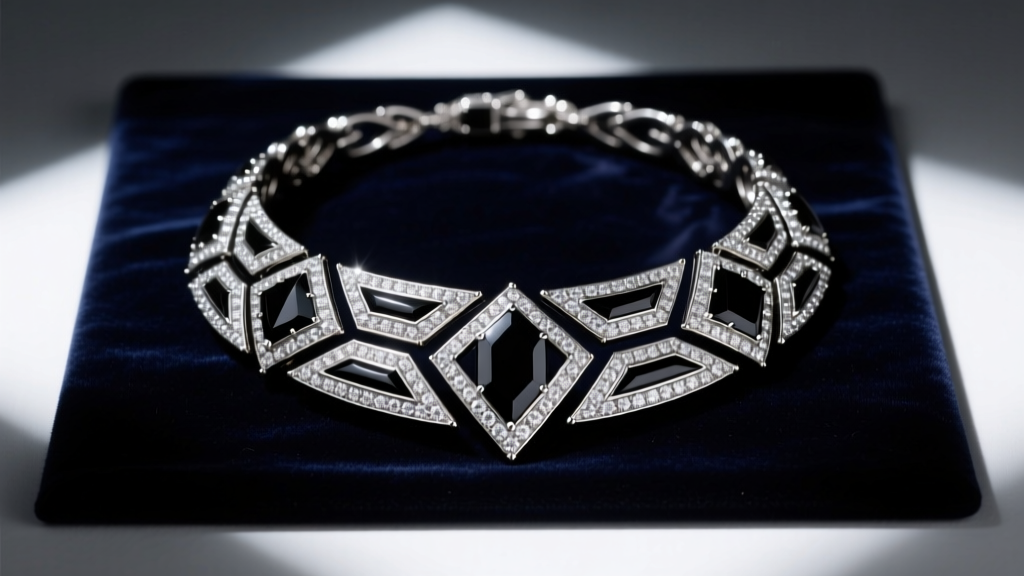
The Investment Appeal of the Art Deco Collar
The art deco collar necklace—often referred to historically as the collier de chien or dog collar—remains one of the most structurally complex and highly coveted silhouettes in antique jewelry. Originating in the late 19th century but reaching its geometric zenith between 1920 and 1939, this style sits flush against the neck, demanding precise craftsmanship and high-quality materials to maintain its rigid, architectural shape. For collectors and style enthusiasts navigating the 2026 market, understanding the true value of an art deco collar necklace requires looking beyond mere aesthetics. You must evaluate material grades, structural integrity, maker marks, and the subtle differences between haute joaillerie and high-end costume reproductions.
Whether you are allocating a budget of $500 for a striking Bakelite piece or $50,000 for a signed platinum masterpiece, this comprehensive value assessment will help you make an informed, investment-grade purchase.
Decoding the 2026 Price Tiers
The market for Art Deco jewelry has stratified significantly over the last decade. According to auction data and antique jewelry market analyses, collar necklaces generally fall into three distinct pricing tiers based on materials, provenance, and brand attribution.
| Category | Typical Materials | 2026 Market Value Range | Value Retention |
|---|---|---|---|
| Costume & Semi-Fine | Bakelite, celluloid, marcasite, sterling silver, gold plating | $250 – $2,500 | Moderate (Highly dependent on condition and maker) |
| Fine Jewelry (Unsigned) | 18k white gold, platinum, calibré-cut onyx, coral, early brilliant diamonds | $4,000 – $18,000 | Strong (Driven by intrinsic metal and gem weight) |
| Haute Joaillerie (Signed) | Platinum, flawless diamonds, carved jade, enamel, signed by Cartier, Boucheron, etc. | $35,000 – $250,000+ | Exceptional (Museum-grade investment assets) |
For buyers on a strict budget, the semi-fine tier offers the best entry point. Sterling silver collars set with marcasite and black enamel capture the high-contrast Deco aesthetic without the platinum premium. However, be aware that unsigned fine jewelry pieces are currently seeing a surge in demand, as collectors prioritize material quality over brand premiums in the current economic climate.
Material Grades and Authenticity Markers
Authenticating an art deco collar necklace requires a jeweler's loupe and a solid understanding of 1920s metallurgy and lapidary techniques. The Deco era was defined by stark contrasts and innovative material pairings.
Precious Metals: Platinum vs. White Gold
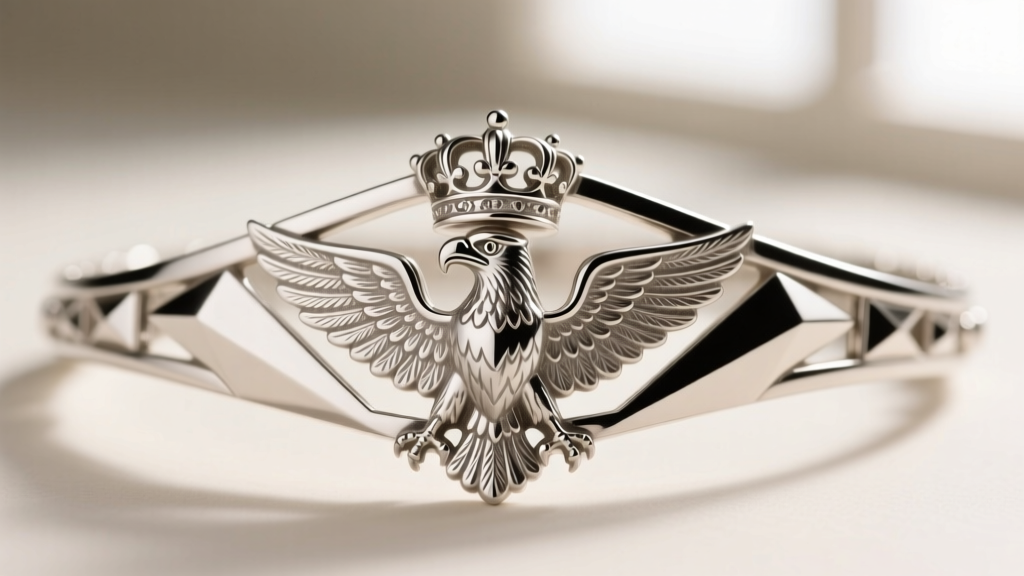
Platinum was the undisputed king of the 1920s. Its immense tensile strength allowed jewelers to create the delicate, lace-like filigree and nearly invisible settings required for intricate collar necklaces. When inspecting a piece, look for the French eagle head hallmark (indicating 18k gold or platinum mix) or the specific maker's mark. By the 1930s, 18k white gold became more prevalent as a cost-saving measure. A true 1920s platinum collar will feel surprisingly heavy and will not show the yellowish undertones that aging white gold often reveals when its rhodium plating wears off.
Gemstones and Synthetics
High-end Deco collars frequently feature calibré-cut stones—custom-faceted rubies, sapphires, or emeralds cut to fit seamlessly into geometric channels. Onyx, jade, and coral were also heavily utilized for their opaque, graphic appeal. In the costume realm, early plastics like Bakelite and celluloid were carved into bold, interlocking plaques. To test for genuine Bakelite, collectors use the Simichrome polish test (which turns yellow when rubbed on authentic Bakelite) or the hot water test, which releases a distinct formaldehyde odor. Never use the hot pin test, as it permanently damages the material and destroys the piece's value.
Common Failure Modes and Restoration Costs
Because collar necklaces are rigid and sit tightly against the collarbone, they are subject to unique stress points that flexible chains do not experience. Understanding these failure modes is critical for budget assessment, as restoration can quickly erase your investment margin.
- Trombone Clasp Fatigue: The push-pull trombone clasp was standard in the 1920s. Over a century of use, the internal springs lose tension, and the solder joints at the hinge can fracture. Rebuilding a vintage trombone clasp costs between $150 and $300.
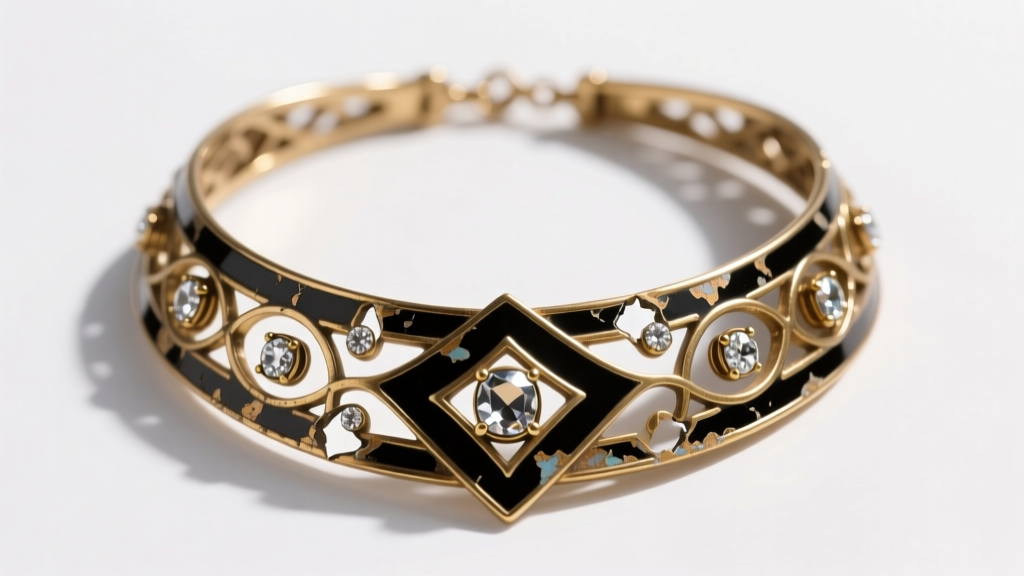
- Enamel Micro-Fractures: Black enamel was frequently used to outline platinum filigree. Due to thermal shock and the flexing of the metal base, enamel often chips or develops spider-web fractures. Professional enamel restoration by a specialist costs upwards of $50 per square centimeter, and mismatched modern enamel can severely devalue an antique piece.
- Marcasite Degradation: In semi-fine pieces, marcasite (iron pyrite) is often set with adhesive rather than prongs. The glue dries out over decades, leading to widespread stone loss. Furthermore, marcasite can oxidize and crumble if exposed to high humidity.
Provenance and Maker Marks
A signature can multiply the value of an art deco collar necklace by a factor of ten. The most coveted names include Cartier, Boucheron, Van Cleef & Arpels, and Chaumet. However, do not discount unsigned European workshop pieces, which often exhibit the same master-level craftsmanship as the grandes maisons but sell at a 40% discount. According to the Lang Antiques education center, identifying obscure French or Austro-Hungarian workshop marks requires cross-referencing with historical punch mark registries, a service many high-end estate dealers provide.
In the costume sector, look for early maker marks from Trifari (specifically the crown over the 'K' mark), Miriam Haskell, or Eisenberg. These pieces, while lacking precious metals, possess immense historical value and are highly sought after by fashion archivists.
Smart Buying Strategies for the 2026 Market
If you are actively hunting for an art deco collar necklace, your sourcing strategy dictates your budget efficiency.
- Auction Houses vs. Retail Dealers: Buying through major auction houses like Sotheby's or Christie's often yields better pricing on haute joaillerie pieces compared to retail antique dealers, though you must factor in the 20-25% buyer's premium. Retail dealers, however, offer the benefit of vetted authenticity and post-sale restoration guarantees.
- Estate Sales and Probate: The most significant bargains in the semi-fine and costume tiers are found at regional estate sales. Collar necklaces are frequently misidentified by generalist appraisers as mere 'vintage chokers,' allowing knowledgeable buyers to acquire sterling and marcasite pieces for a fraction of their gallery retail price.
- Condition Over Polish: Never buy a piece that has been aggressively machine-polished. The soft, worn edges of antique platinum and the slight dulling of silver are proof of age. Over-polishing destroys the crisp, geometric milgrain detailing that defines the Art Deco aesthetic, instantly reducing the piece's value by 20% to 30%.
Conclusion
Evaluating an art deco collar necklace requires a balance of historical appreciation and forensic scrutiny. Whether you are investing in a platinum-and-diamond masterpiece or a bold, geometric Bakelite statement piece, understanding the material grades, structural vulnerabilities, and market tiers ensures your budget is allocated wisely. As the pool of pristine, unaltered 1920s jewelry continues to shrink, acquiring a well-preserved collar necklace is not just a triumph of personal style—it is a sound financial decision in the 2026 antique jewelry market. For further research on period-specific design motifs, the Victoria and Albert Museum's jewelry archives remain an invaluable, free resource for serious collectors.


