What Is a Fair Price for a Necklace? The 2026 Value Guide
Discover what constitutes a fair price for a necklace in 2026. We break down metal costs, gemstone markups, and brand premiums to help you buy smart.

The Anatomy of Necklace Pricing: Beyond the Tag
Walking into a jewelry store or browsing online boutiques in 2026, the price variance for seemingly identical necklaces can be staggering. A simple 14k gold chain might cost $150 at a direct-to-consumer brand, $450 at a traditional mall jeweler, and upwards of $1,200 at a luxury heritage house. Understanding what constitutes a fair price for a necklace requires deconstructing the retail markup and evaluating the intrinsic value of the materials, craftsmanship, and brand equity. As a buyer, your goal is to align the price you pay with the actual utility, durability, and material worth of the piece. This guide provides a rigorous, data-driven framework to assess necklace valuations, ensuring you never overpay for precious metals or gemstones again.
Precious Metals: Calculating Melt Value vs. Retail
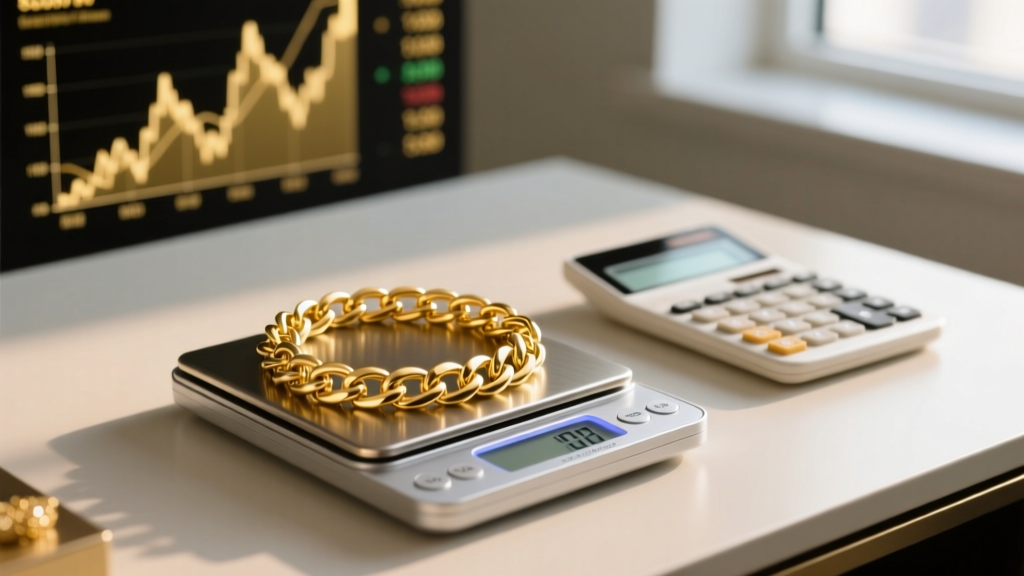
The foundation of any solid gold, platinum, or sterling silver necklace is its melt value—the raw market price of the metal based on weight and purity. In 2026, with gold spot prices hovering near historic highs, understanding the math behind the metal is critical. Gold purity is measured in karats, with 24k being 99.9% pure. However, 24k is too soft for daily wear chains, so jewelers alloy it with metals like copper, zinc, or silver. You will typically see 18k (75% pure, stamped 750), 14k (58.3% pure, stamped 585), or 10k (41.7% pure, stamped 417).
To calculate a baseline fair price, take the current spot price of gold, multiply it by the purity percentage, and divide by 31.1 (the number of grams in a troy ounce). This gives you the melt value per gram. A fair retail price for a basic, machine-made chain should be between 1.5x and 2.5x the melt value, depending on the retailer's overhead.
| Metal / Purity | Estimated Melt Value (per gram) | Fair Retail Range (Basic Chain) | Luxury Brand Markup |
|---|---|---|---|
| 14k Yellow Gold (585) | $38 - $42 | $75 - $110 per gram | $250+ per gram |
| 18k Yellow Gold (750) | $50 - $54 | $90 - $135 per gram | $350+ per gram |
| Platinum (950) | $30 - $33 | $65 - $95 per gram | $200+ per gram |
| Sterling Silver (925) | $0.75 - $0.85 | $2.50 - $5.00 per gram | $25+ per gram |
Chain Styles and Manufacturing Costs
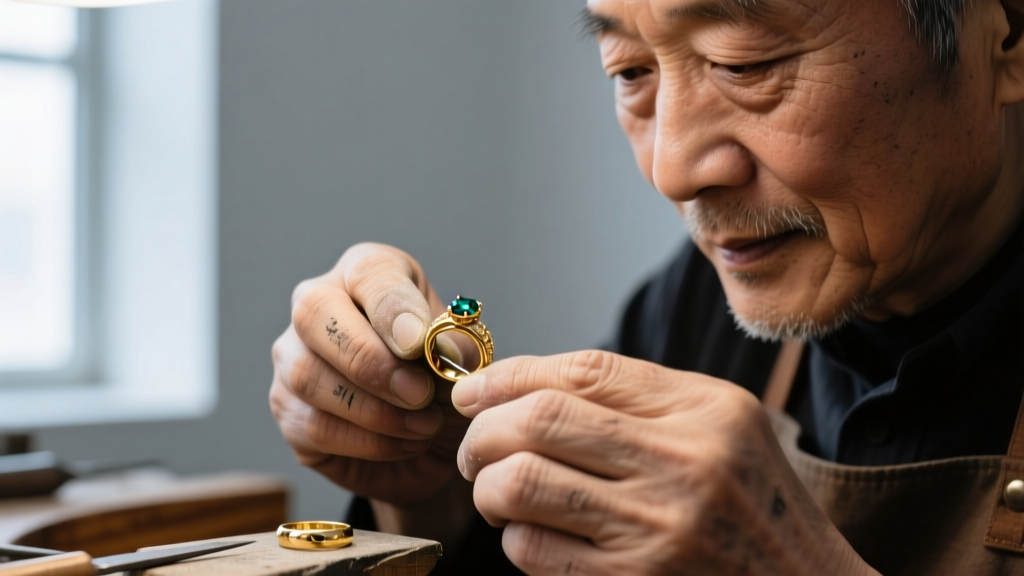
Not all chains are created equal, and the manufacturing method heavily influences the fair price. Machine-made chains, such as standard cable, curb, and Figaro styles, are produced in massive quantities, keeping labor costs low. If you are buying a simple 14k cable chain, paying more than a 2x markup on the melt value is generally unjustified.
However, intricate styles require significant hand-soldering and finishing. A rope chain, for example, involves twisting multiple strands of gold and soldering them to create the illusion of a woven rope. This labor-intensive process increases the manufacturing cost by 20% to 40%. Similarly, hand-forged Byzantine or woven mesh chains command a premium because they cannot be easily replicated by automated drawing plates. When assessing the price for a necklace with a complex weave, a 3x to 4x markup on melt value is considered fair, as you are paying for a bench jeweler's time and expertise.
Gemstone Pendants: Natural vs. Lab-Grown in 2026
When a necklace features a central gemstone, the valuation shifts from weight-based metrics to gemological grading. The most significant market shift in recent years is the normalization of lab-grown diamonds and gemstones. According to the Gemological Institute of America (GIA), lab-grown diamonds possess the exact same chemical, physical, and optical properties as mined diamonds. Yet, the pricing disparity is massive.
Pricing Tiers for a 1-Carat Solitaire Pendant
- Natural Earth-Mined (VS1 Clarity, G Color): $5,500 - $7,500. You are paying for rarity and geological origin.
- Lab-Grown Diamond (VS1 Clarity, G Color): $400 - $700. You are paying strictly for the optical beauty and cutting precision.
- Moissanite (Colorless): $200 - $400. A silicon carbide alternative with higher dispersion (fire) but different hardness.
If your primary goal is visual impact and daily wear durability, a lab-grown diamond pendant offers unparalleled value. Paying natural diamond prices for a lab-grown stone is a common trap; always demand a grading report from a reputable lab like GIA or IGI to verify the stone's origin and quality.
The 'Brand Tax' vs. Independent Bench Jewelers
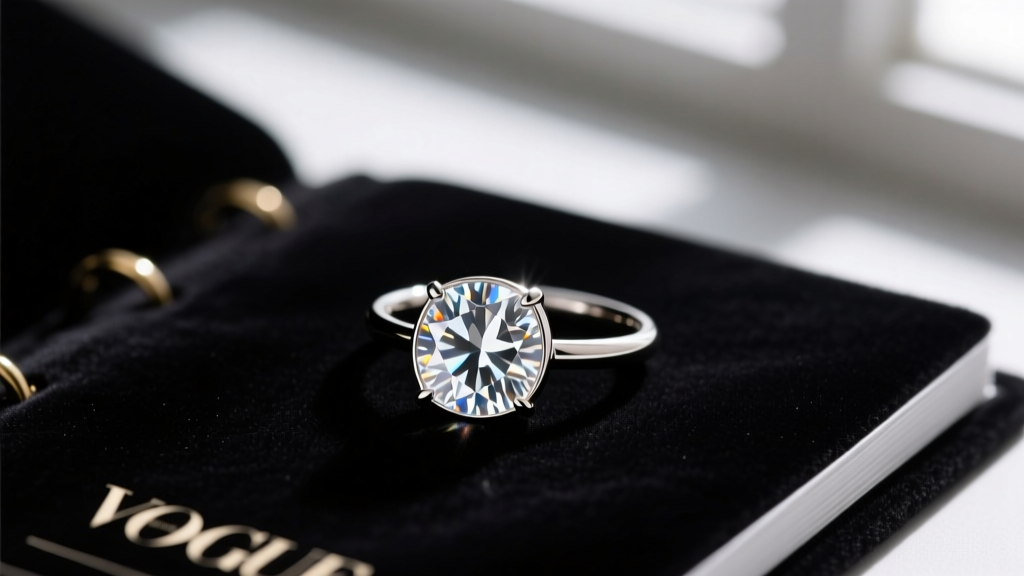
A significant portion of a necklace's price tag at luxury retailers is the 'brand tax'—the premium you pay for the heritage, marketing, and the iconic packaging. When you purchase a simple 18k gold chain from a globally recognized luxury house, up to 70% of the price is tied to brand equity rather than material value.
'A luxury brand sells you the feeling of exclusivity and the assurance of their legacy. An independent bench jeweler sells you the metal, the stone, and their personal reputation.' — Master Jeweler & Appraisal Expert.
If you are buying a necklace as an investment in materials or daily durability, independent jewelers and specialized direct-to-consumer brands offer vastly superior value. Organizations like Jewelers of America maintain directories of vetted professionals who adhere to strict ethical and pricing standards, allowing you to find high-quality craftsmanship without the luxury markup.
Red Flags: Plating, Fill, and Deceptive Marketing
When a price seems too good to be true, the necklace is likely not solid precious metal. Understanding the terminology of gold alternatives is vital for budget assessment:
- Gold Plated (GP) / Flash Plated: A microscopic layer of gold (often less than 0.5 microns) electroplated over brass or copper. It will tarnish and wear off within months of daily wear. Fair price: Under $30.
- Gold Vermeil: By legal definition, vermeil must be a thick layer of gold (minimum 2.5 microns) plated over solid sterling silver (925). It is a great budget option, but requires care. Fair price: $60 - $150.
- Gold Filled (GF): A thick sheet of gold mechanically bonded to a brass core. It contains 5% to 10% gold by weight and is highly durable. Fair price: $80 - $200.
Always check for hallmarks. A stamp reading '14k GP' means it is plated, not solid. Misleading listings often bury this detail in the fine print. For current precious metal spot prices to verify melt values before purchasing, reliable resources like Kitco provide real-time market data.
Final Framework: How to Calculate Your Offer
To determine a fair price for a necklace, follow this three-step assessment: First, weigh the piece (or ask the seller for the exact gram weight) and calculate the melt value based on today's spot price. Second, apply a manufacturing multiplier based on the chain complexity (1.5x for basic, 3x for intricate hand-soldered weaves). Third, evaluate any gemstones independently using current lab-grown vs. natural market rates. By stripping away the marketing fluff and focusing on metallurgical and gemological facts, you can confidently navigate the 2026 jewelry market, ensuring every dollar spent translates into lasting quality and genuine value.


